
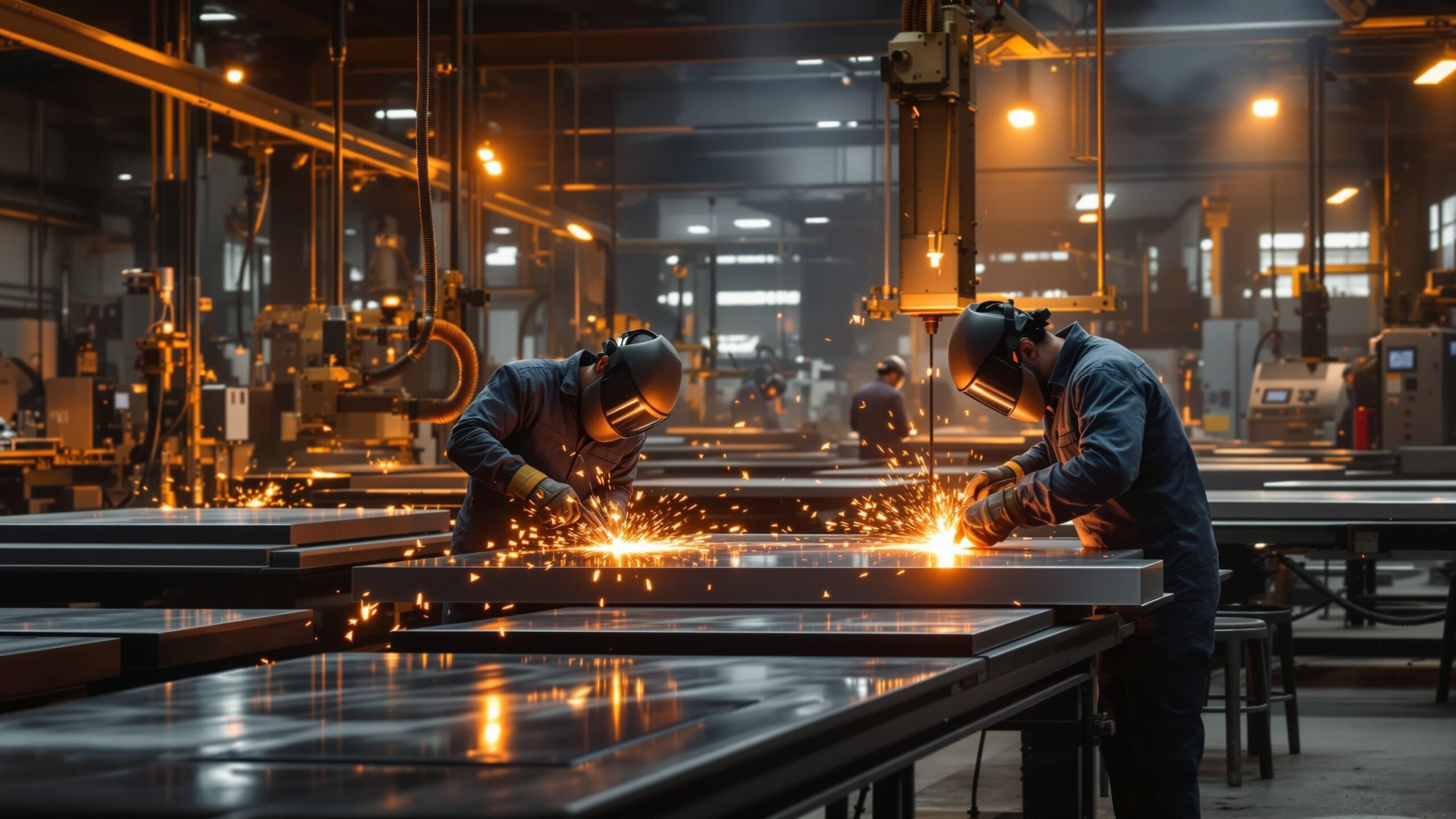
Welcome to Fabrication Methods, where raw materials transform into works of precision and purpose. On Crank Street, we explore the processes that give structure to imagination — from ancient forging techniques to today’s digital manufacturing breakthroughs. This is where heat meets accuracy, sparks meet strategy, and skill meets science. Learn how cutting, bending, casting, joining, and forming define the language of creation. Each article unpacks the tools, technologies, and materials that make fabrication an art as much as a science. Whether it’s laser cutting steel, 3D-printing biopolymers, or welding intricate frameworks, every method carries its own rhythm, risk, and reward. You’ll discover how modern makers merge computer precision with human intuition to bring prototypes, parts, and projects to life. Step inside the world of fabrication — where imagination takes measurable shape and every spark begins a story of design, craftsmanship, and innovation.
A: Laser for tight tolerance/edge finish; plasma for speed and cost.
A: MIG is fast and forgiving; TIG is precise and clean on thin or aluminum.
A: Stitch welds, alternate sides, clamp hard, consider chill bars.
A: Start at ≥ material thickness; check alloy guidelines.
A: Powder is tougher; paint is easier to repair and color-match.
A: Contamination or gas coverage—clean base metal, check flow and draft.
A: Yes for dissimilar metals and minimal distortion—mind joint design.
A: Often ±0.010–0.015" on typical plates; tighter with fine cuts.
A: Match base alloy and service needs; check charts for strength/corrosion.
A: Remove oils/oxide, bead blast for matte, specify color and thickness.