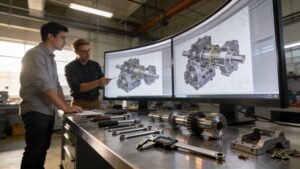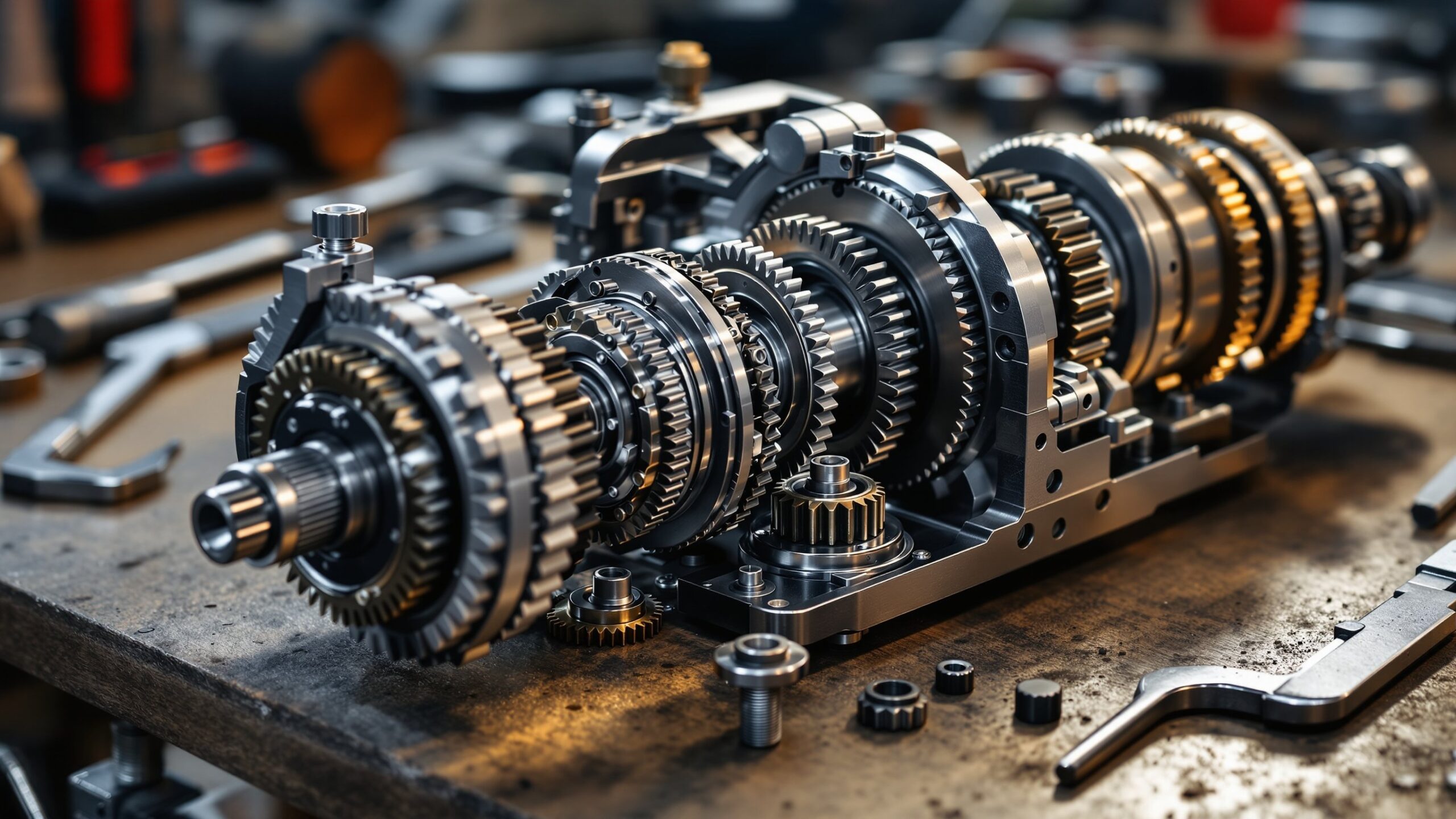
Mechanical Design is where ideas grow teeth, gears, and torque. On Crank Street, this sub-category is your launchpad for turning sketches and napkin math into mechanisms that actually move, lift, lock, click, and survive real-world abuse. It’s about more than looks—here, form, function, materials, and manufacturability all collide in the best possible way. You’ll explore how to think in forces, tolerances, and constraints, not just shapes. We’ll dive into linkages, cams, bearings, fasteners, and clever assemblies that make products feel solid and satisfying instead of flimsy or frustrating. Expect practical breakdowns of joints, motion paths, load paths, and failure modes, alongside the creative side of designing parts that are beautiful to build and maintain. Whether you’re designing a hinge that never sags, a latch that feels premium, or a kinetic art piece that runs all night, Mechanical Design on Crank Street is your workshop companion. If you love hearing something click together perfectly, you’re in the right street.
A: Begin with a simple mechanism you understand—like a hinge or lever—and redesign it with intentional constraints and requirements.
A: Basic statics and strength of materials go a long way; you can add more theory as your projects grow.
A: Match material to loads, environment, and budget—metals for strength and stiffness, plastics for weight and flexibility.
A: Not strictly, but CAD makes iteration, interference checks, and documentation much easier for most builds.
A: Design to realistic loads plus safety factors; test early and refine instead of guessing massive margins.
A: Build something with sliding, press, and clearance fits, then measure how real parts behave.
A: Estimate forces, check fastener and material ratings, and, when in doubt, prototype and test.
A: Yes—if you understand their limits and design around achievable accuracy and processes.
A: Enough that future you—or a collaborator—can rebuild the design without guessing dimensions.
A: Great—analyzed failure is the fastest teacher in mechanical design; adjust, reinforce, and try again.