
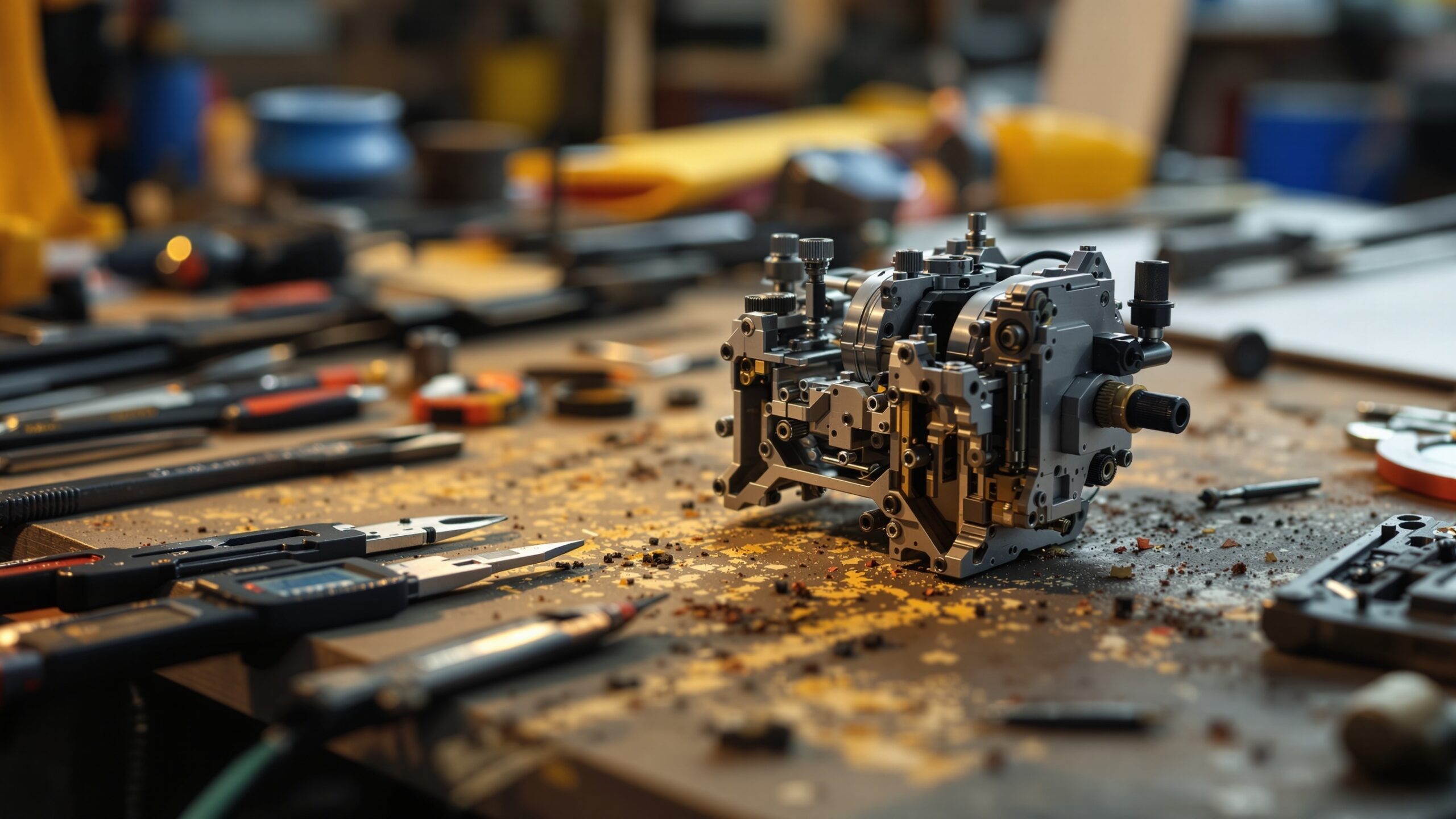
Welcome to Maker Engineering Challenges on Crank Street—where the fun starts when the constraints get real. This sub-category is built for builders who want more than a weekend project; it’s for anyone who loves turning tight limits into clever designs. Think timed builds, parts-count restrictions, load targets, precision requirements, and “make it work with what you’ve got” scenarios that force your best problem-solving. Here you’ll find challenge-style articles that mix creativity with engineering discipline: defining requirements, selecting materials, testing prototypes, and iterating until a build survives the real world. We’ll explore mechanisms that must move smoothly, structures that must stay rigid, electronics that must behave, and systems that must cooperate under imperfect conditions. Along the way, we’ll spotlight the skills that separate lucky builds from repeatable wins—measurement, tolerance thinking, failure analysis, documentation, and design-for-assembly. Whether you’re chasing a lighter bracket, a stronger joint, a quieter drive system, or a faster prototype cycle, these challenges are training grounds disguised as entertainment. Bring your sketchbook, your calipers, and your stubborn optimism—Crank Street is ready to put your ideas under pressure and help you level up.
A: A build with clear constraints and measurable success tests—not just a cool idea.
A: Choose one metric (load, accuracy, speed, noise, cost) and build around it.
A: Increase rigidity, improve alignment, and measure more often.
A: Loose joints, power dips, friction changes, or temperature drift—log data to find patterns.
A: Change one thing per test and keep a simple baseline design.
A: No—good measurement, clean assembly, and smart constraints beat fancy gear.
A: Add guards, current limits/fuses, and a kill switch, then ramp up gradually.
A: When the build passes tests reliably and improvements cost more than they add.
A: Skipping measurements and calling it “good enough” before validating performance.
A: Lock requirements, simplify parts, upgrade materials, and validate durability.