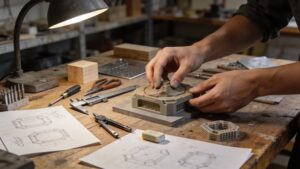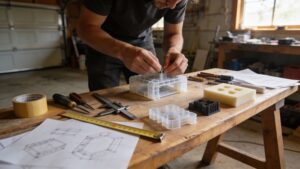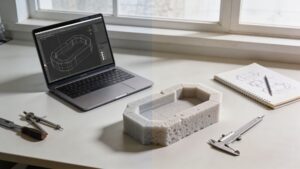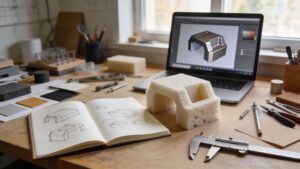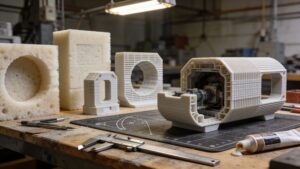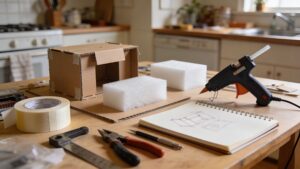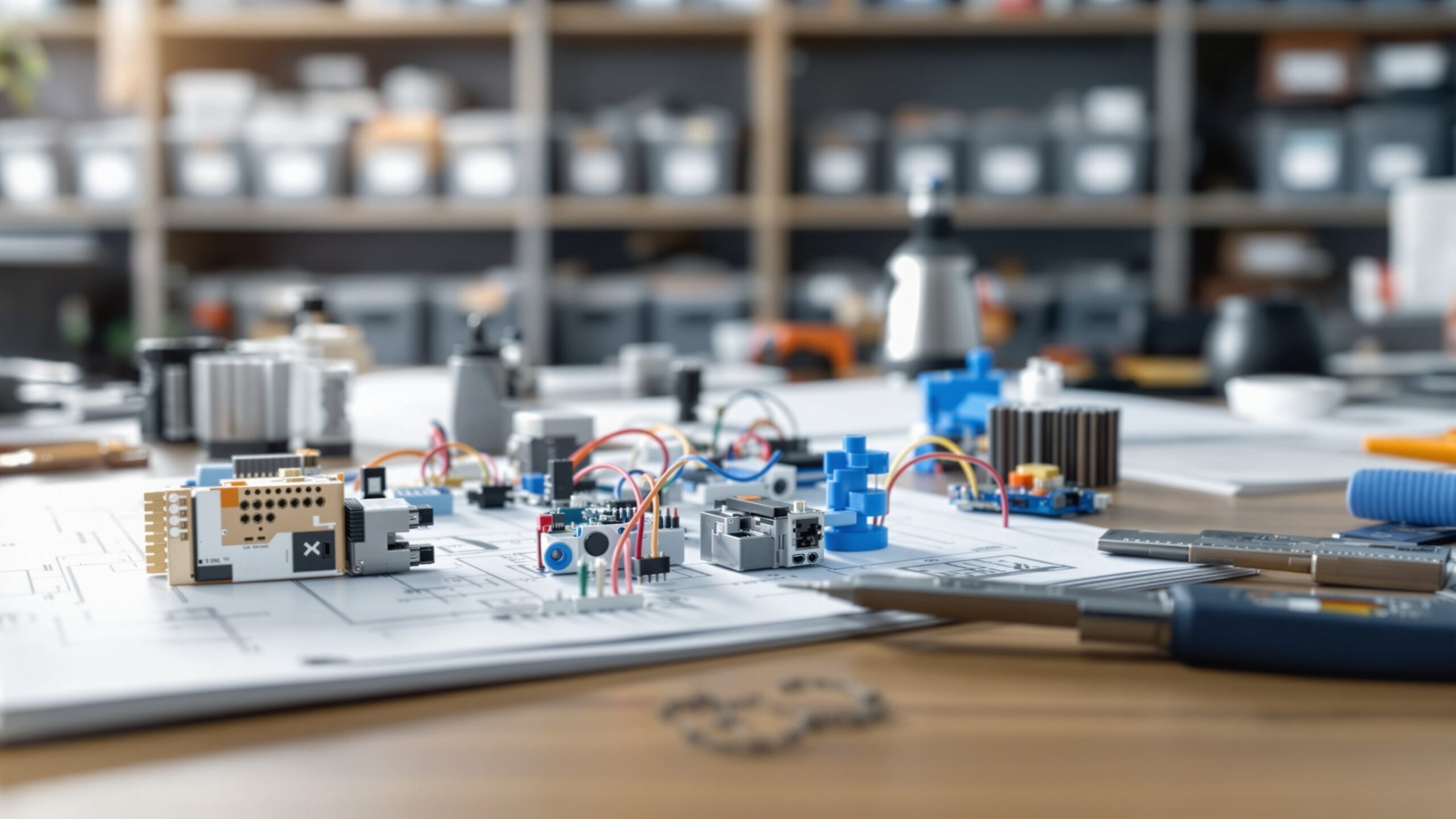
Product Prototyping is where napkin sketches meet reality. On Crank Street, this is the lab bench where ideas get carved, printed, wired, and tested until they’re ready to face real hands, real users, and real abuse. Whether you’re crafting a clever gadget, smart device, or full-blown hardware startup dream, this sub-category is your playground for turning concepts into touchable, testable things. Here, we walk through the full prototype journey: rough foam mockups, 3D-printed housings, quick CNC cuts, electronics taped together with jumper wires, and polished looks-like/works-like models that feel ready for the showroom. You’ll learn how to choose materials, decide on fidelity, plan design iterations, and gather feedback without blowing your budget. We’ll explore rapid workflows, maker-friendly tools, and practical shortcuts used by product designers, engineers, and indie creators. From simple proof-of-concept rigs to investor-ready demo units, Product Prototyping on Crank Street helps you build smarter, test sooner, and fail forward fast—so your next version is always better than the last.
A: Usually more than one—plan on several rounds to refine shape, function, and reliability.
A: Once the circuit is stable and you know the enclosure and connector layout.
A: Early versions don’t; customer-facing or investor demos benefit from polished looks.
A: You can, but small errors get very expensive—prototypes catch them early.
A: Watch people use the prototype without coaching, then ask focused follow-up questions.
A: PLA or PETG prints and simple CNC plastics are forgiving and easy to rework.
A: For handhelds and wearables, get very close—small changes dramatically affect feel.
A: Use NDAs, keep detailed records, and explore patents or design protections where appropriate.
A: Absolutely—they’re great for proving concepts before investing in custom components.
A: When it consistently answers your key questions and you’re ready to invest in the next level.