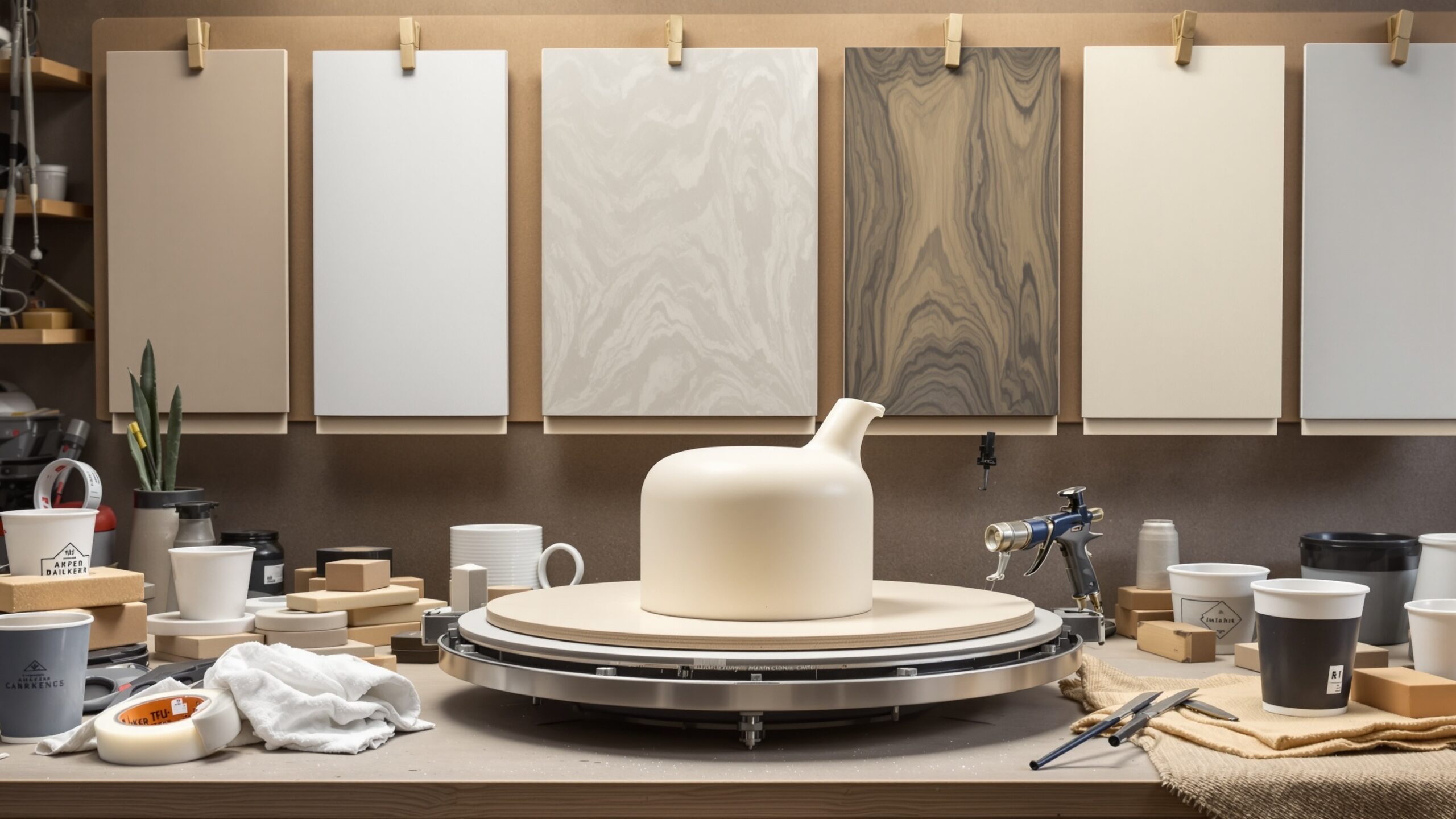
Painting & Finishing Techniques on Crank Street is where raw builds turn into showpieces. A great finish doesn’t just add color—it adds depth, mood, realism, and that “how did you make this?” factor that stops people in their tracks. This category is built for makers who want crisp edges, smooth coats, convincing weathering, and durable protection that holds up to handling, sunlight, and time. Whether you’re brushing on a clean satin coat, laying down primer for flawless spray work, dialing in metallics, or stacking transparent glazes for rich, dimensional color, finishing is equal parts craft and controlled chaos. Here you’ll find articles that break down surface prep, primers, masking, spraying, brush control, patina effects, clear coats, and troubleshooting the problems everyone runs into—orange peel, fisheyes, dust nibs, runs, and cloudy clears. Expect step-by-step guidance, pro-grade tips, and creative finishing recipes that work on wood, metal, resin, plastics, and mixed media builds. If you love turning “almost done” into “gallery ready,” welcome home.
A: Most of the time, yes—primer improves adhesion and helps the finish look even.
A: Spray lighter coats, keep consistent distance, and level-sand between coats if needed.
A: Usually contamination—clean thoroughly, avoid silicone products, and re-prep the surface.
A: After proper flash times and once the base is stable—test compatibility first.
A: Satin often hides fingerprints better while still looking refined and tough.
A: Wait until it’s fully dry and firm; rushing causes clogging and tearing.
A: Yes—scuff, clean, and use the right primer/adhesion promoter.
A: Burnish edges, seal the line with base color, then peel at the right time.
A: Make test panels—dial in technique before you touch the main build.
A: Use a clear matched to your paint type and expected wear (handling, UV, moisture).