
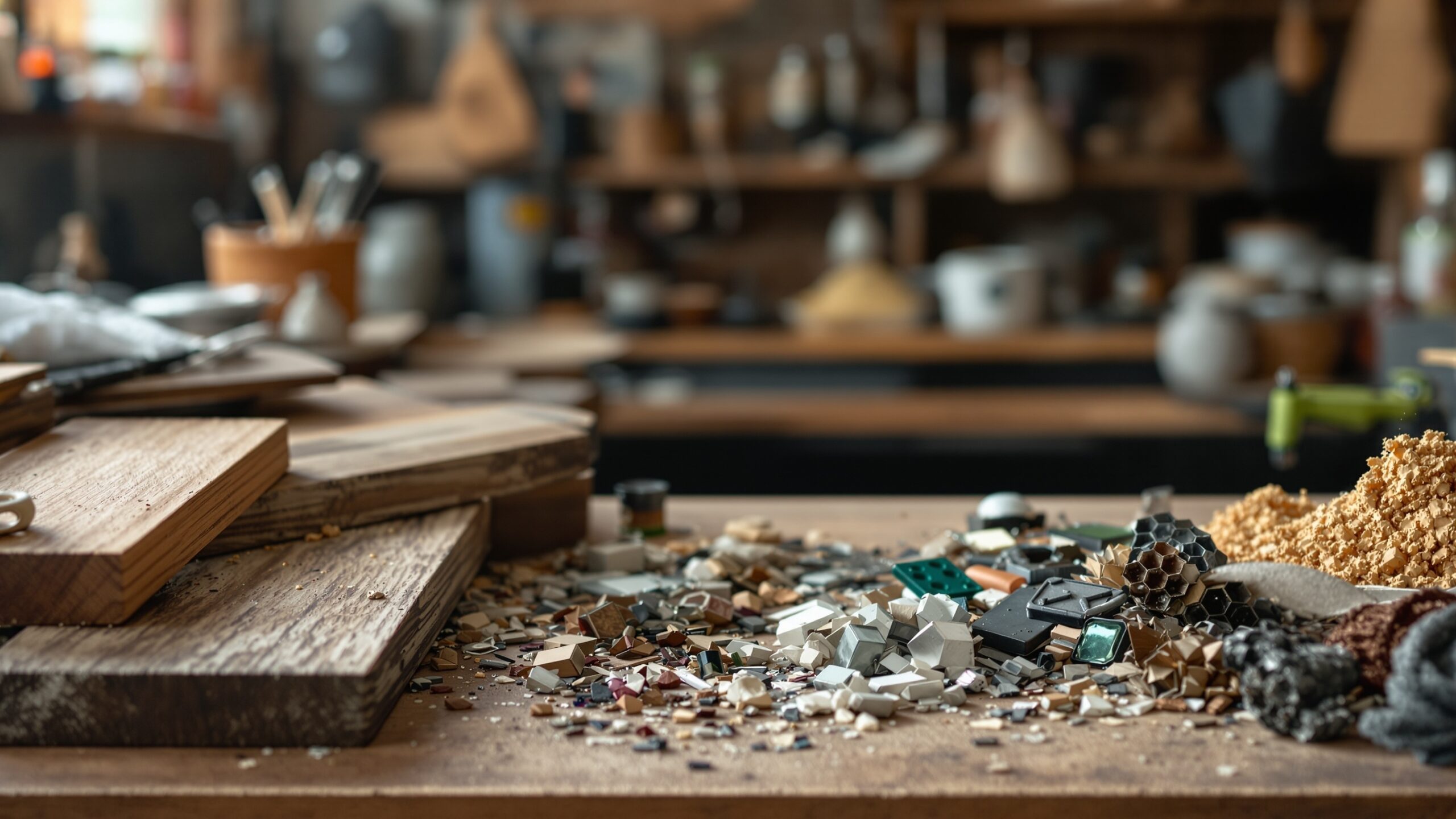
Upcycling & Reuse Art is where yesterday’s “trash” becomes tomorrow’s showpiece—built with imagination, grit, and a maker’s eye for hidden potential. On Crank Street, this category dives into the creative chemistry of turning worn, broken, or forgotten materials into bold art, functional décor, and one-of-a-kind objects that carry a story. Think reclaimed wood becoming sculptural wall panels, bottle glass transformed into luminous mosaics, scrap metal reborn as kinetic creatures, or textiles stitched into layered fiber art with real character. The fun isn’t just the finish—it’s the hunt for materials, the problem-solving when shapes don’t match, and the satisfaction of giving something a second life that feels better than new. Our articles explore techniques for cleaning, prepping, joining, and finishing reclaimed parts, plus design approaches that celebrate imperfections instead of hiding them. Whether you’re building eco-minded gifts, experimenting with mixed media, or stocking your workshop with salvaged treasures, Upcycling & Reuse Art is your invitation to create smarter, waste less, and make every build feel like a comeback story.
A: Recycling breaks materials down; upcycling transforms them into higher-value creations.
A: Check structure first—if it’s stable or can be reinforced, it’s a candidate.
A: Start with soap/degreaser, then dry fully before sanding or finishing.
A: Surface wasn’t scuffed/primed, or the material (often plastic) needs a specialty primer.
A: Nothing truly does—epoxy is versatile, but always match glue to materials and load.
A: Clean gently, then seal with a clear coat to lock the look in place.
A: A small wall piece or tray—flat builds teach prep, layout, and finishing fast.
A: Repeat a color, finish, or shape rhythm across the whole piece.
A: Weak joints—reinforce early and don’t rely on glue alone for heavy pieces.
A: Document the transformation—before/after photos sell the story and the craft.