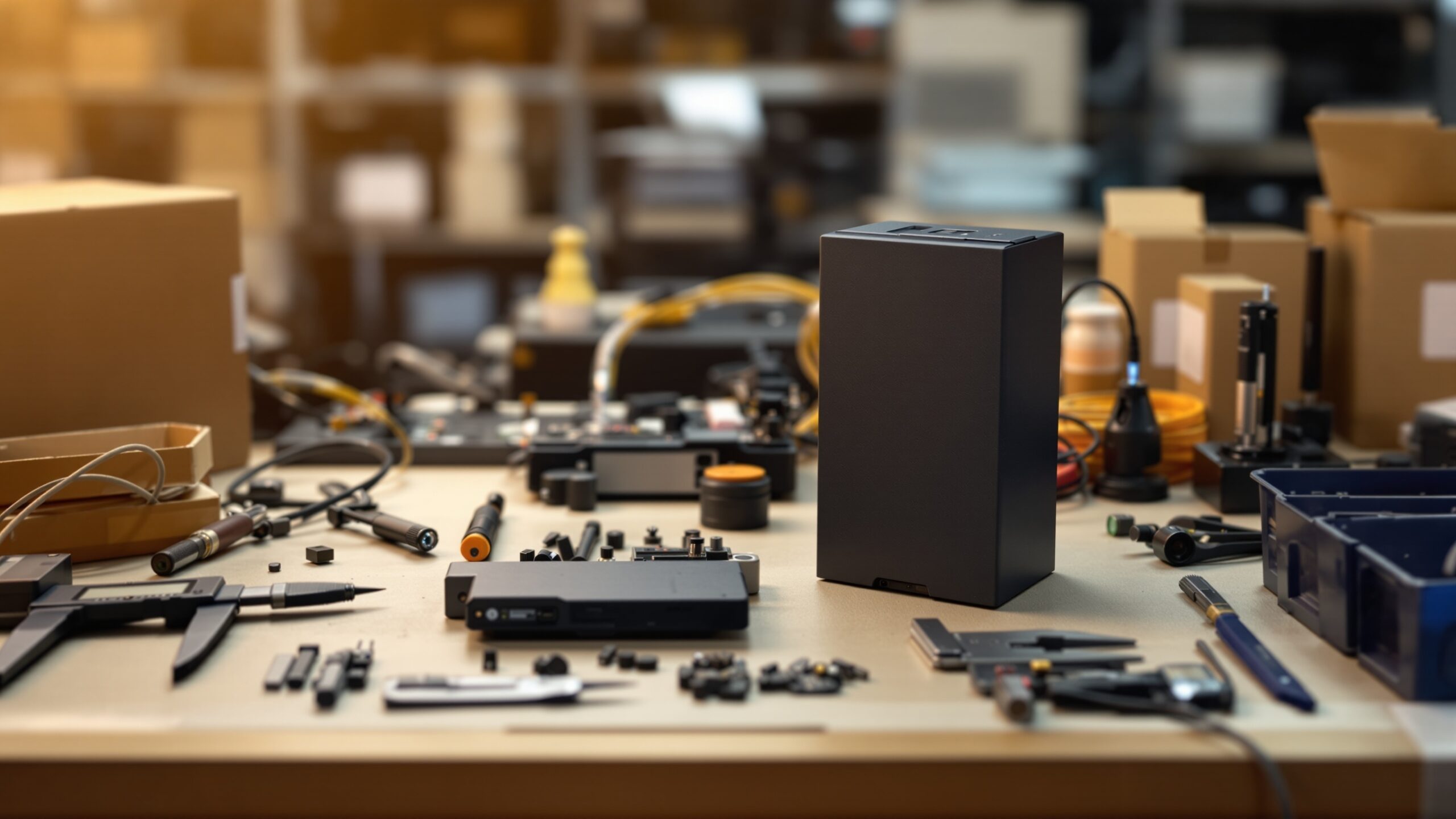
Welcome to Maker Startups on Crank Street—where sawdust meets spreadsheets and brilliant ideas become real, testable hardware. This is the lane for builders who sketch at midnight, prototype at dawn, and ship by Friday—turning garage grit into products people actually use. Inside these articles you’ll find the mindset, mechanics, and momentum behind modern maker companies: how founders validate a problem, choose materials, price a first run, and survive the messy leap from “cool prototype” to “sellable thing.” We’ll explore bootstrapped manufacturing, clever tooling shortcuts, community-driven design, and the tiny decisions that separate a stalled project from a launch-day sellout. Expect stories of iteration, hard lessons from the workbench, and practical playbooks for sourcing parts, refining tolerances, and building a brand that feels as solid as your fasteners. Whether you’re shaping a consumer gadget, a robotics add-on, or a niche workshop tool, Maker Startups is your shop light—bright, focused, and built to keep your ideas moving forward, one crank at a time.
A: Start where communication and iteration are fastest; optimize cost later.
A: Enough to validate function, durability, and assembly—then a small beta batch.
A: Cut assembly time and part count; material savings are often smaller.
A: Use landed cost + labor + overhead + margin, then compare to perceived value.
A: Before final design lock—requirements can change enclosure, wiring, and materials.
A: Underestimating lead times, QC, and support workload.
A: Micro-batch, pre-sell, and keep a tight SKU list until demand is steady.
A: Use reliable distributors first; add direct suppliers once volumes justify it.
A: Track failure modes, standardize tests, and keep spare parts for quick swaps.
A: Repeatable builds + stable suppliers + a clear support plan.