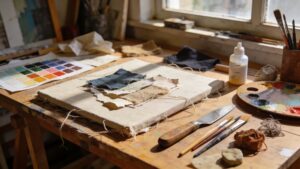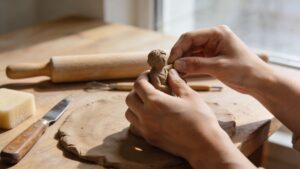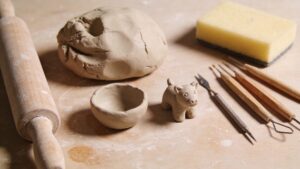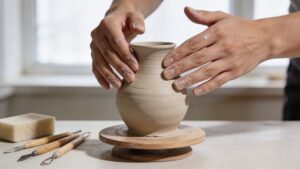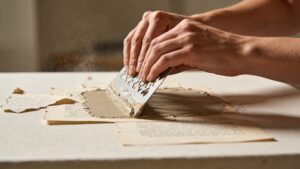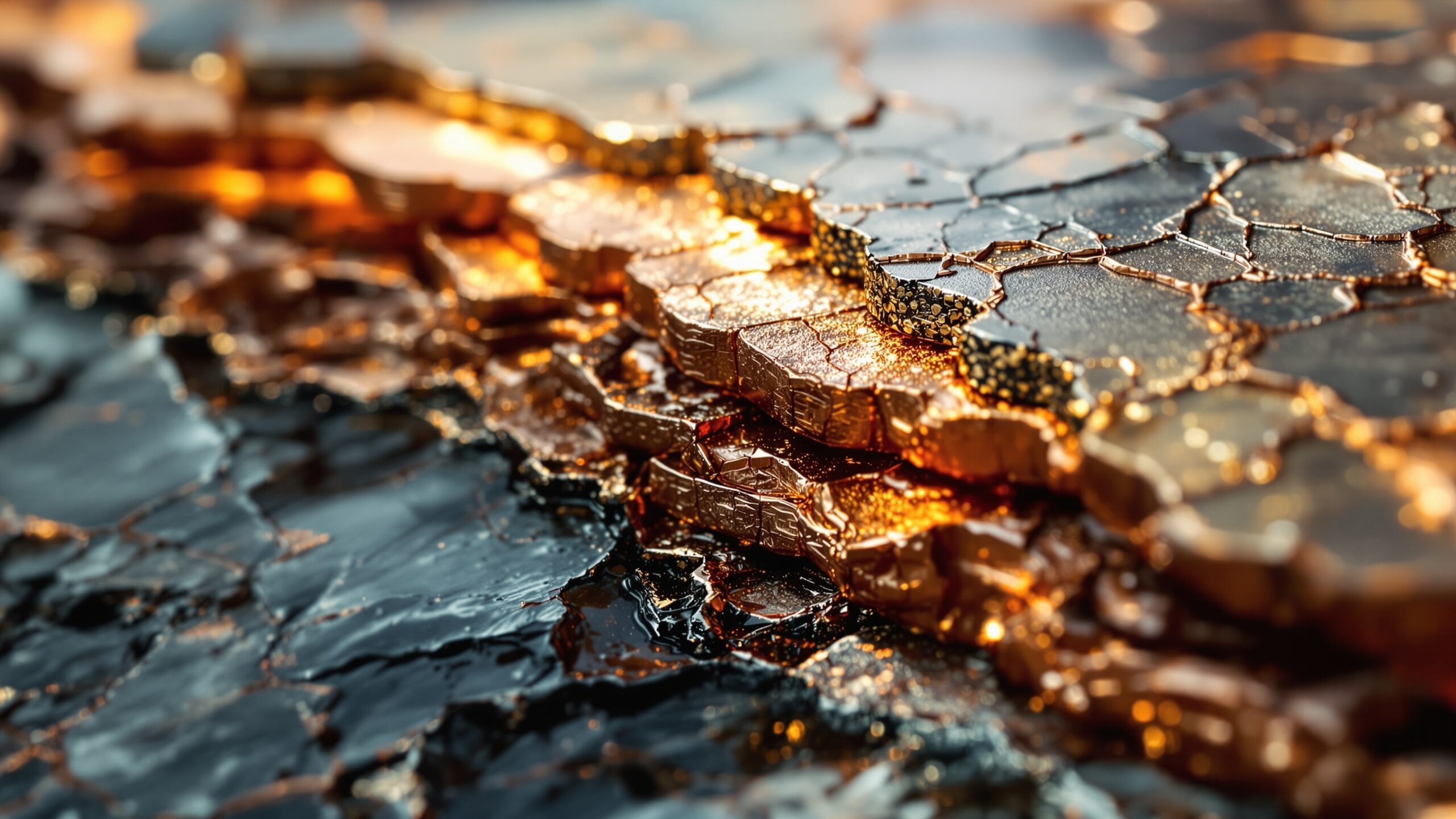
Sculpture & Mixed Media on Crank Street is where ideas stop living on screens and start taking up real space. This is the corner of the workshop where clay meets salvaged steel, where paper becomes structure, where resin captures light like frozen motion, and where “found objects” turn into new stories. Whether you’re building a tabletop piece from scrap hardware or assembling a gallery-ready form from wood, wire, fabric, and paint, mixed media rewards bold experimentation—and the happy accidents that happen along the way. Here you’ll find articles that break down core sculpting methods, surface finishing tricks, adhesive and armature know-how, and the best ways to combine materials that don’t naturally play nice. Expect practical guidance, creative prompts, and maker-minded inspiration that feels more like a late-night studio session than an art lecture. If you love texture, weight, balance, and the thrill of transforming raw parts into something unforgettable, you’re in the right place. Let’s build.
A: Epoxy is the go-to for strength across many materials; use CA glue for quick tacks.
A: Seal both sides in thin coats and let each layer dry fully to reduce curl.
A: For larger or extended forms, yes—armatures prevent sag and cracking.
A: Porous materials release air—pre-seal with a thin coat before the main pour.
A: Lower the center of gravity, widen the base, and add hidden mounting points.
A: Use a consistent primer layer, shared color palette, or a single finish sheen.
A: Try cold-casting powders, metallic paints, and controlled patina sealed with clear coat.
A: Degrease, scuff-sand, and use an adhesion primer before painting.
A: Wet-sand when possible and wear a respirator plus eye protection.
A: Use soft, even lighting, neutral background, and close-ups to show texture and joins.