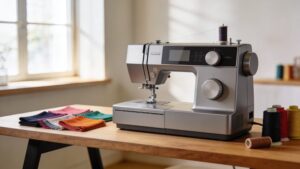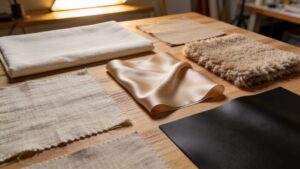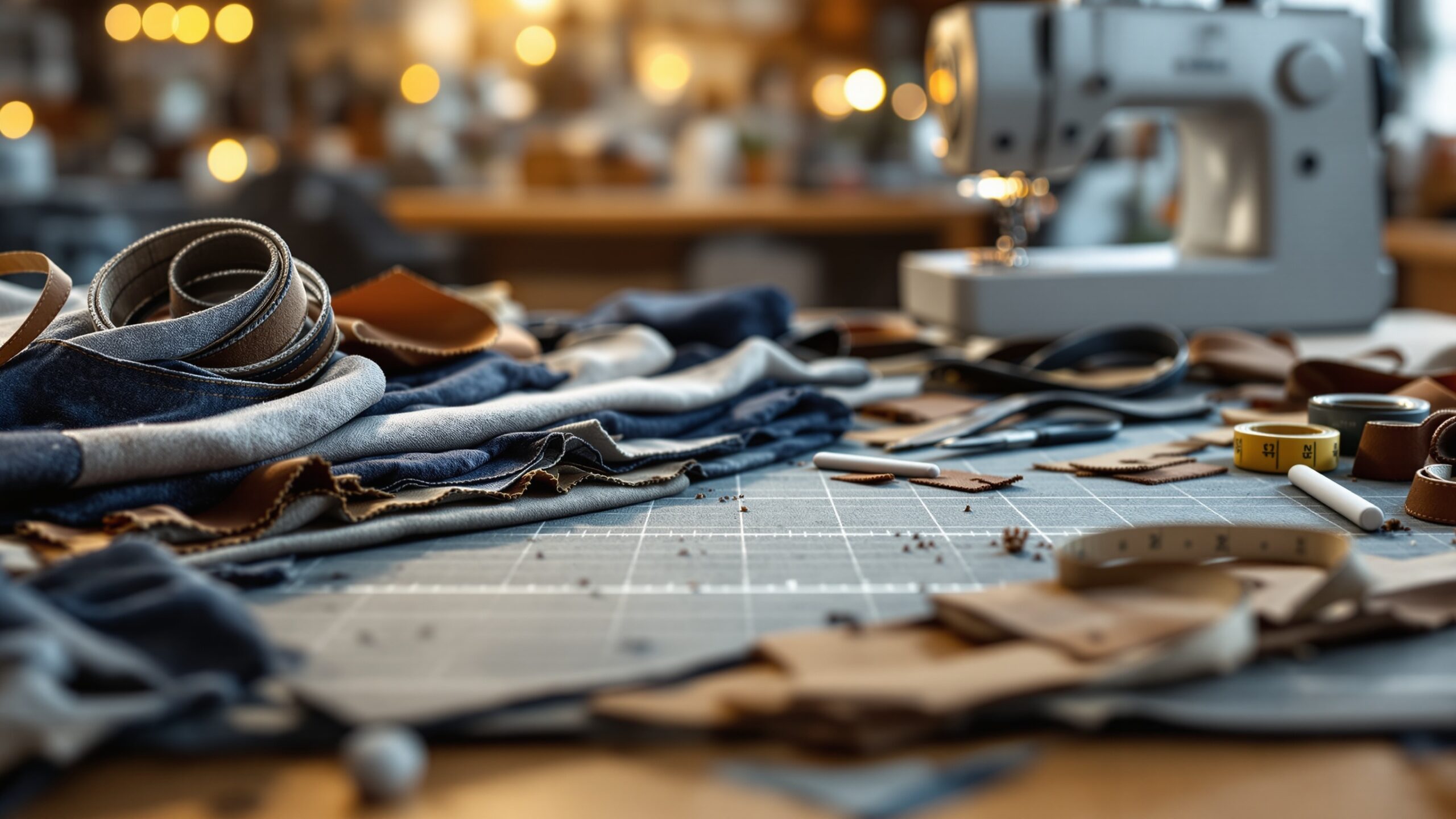
Fabric & Textiles on Crank Street is where soft materials do hard work. This is the maker lane for stitches, seams, structure, drape, and all the little choices that turn cloth into something built, not just worn. From rugged canvas and waxed cotton to delicate knits, felt, leather, webbing, and performance synthetics, textiles bring texture, comfort, and unexpected engineering to any project. Whether you’re upholstering a seat, wrapping a prop, sewing a custom pouch, reinforcing a build with straps, or layering fabric into mixed media art, the right material and technique can change everything—strength, flexibility, durability, and style. Here you’ll find articles that break down fabric types, thread and needle basics, cutting and patterning, bonding vs. stitching, edge finishing, hardware, and smart ways to combine textiles with wood, metal, foam, and plastics. Expect practical tutorials, tool guidance, and workshop-tested tips for cleaner lines, stronger seams, and better-looking finishes. If you love tactile builds and the satisfying click of a finished edge, you’re exactly where you should be. Let’s stitch something bold.
A: Cotton canvas or quilting cotton—stable, easy to cut, and forgiving.
A: Bind, hem, zigzag, serge, or use fray sealant depending on the fabric.
A: Sewing is stronger long-term; glue is great for positioning and some applications.
A: Use a walking foot or stabilizer and avoid pulling the fabric while sewing.
A: A denim/heavy needle matched to your thread weight for clean penetration.
A: Press as you go—heat, steam, and a clapper make a huge difference.
A: Reinforce the area with extra layers or interfacing and use proper setters.
A: Use box-X or bar tacks and add backing patches for load distribution.
A: Absolutely—use wraps, liners, pads, and straps for comfort and style.
A: Add a liner and clean edge finishing—instantly more durable and polished.