
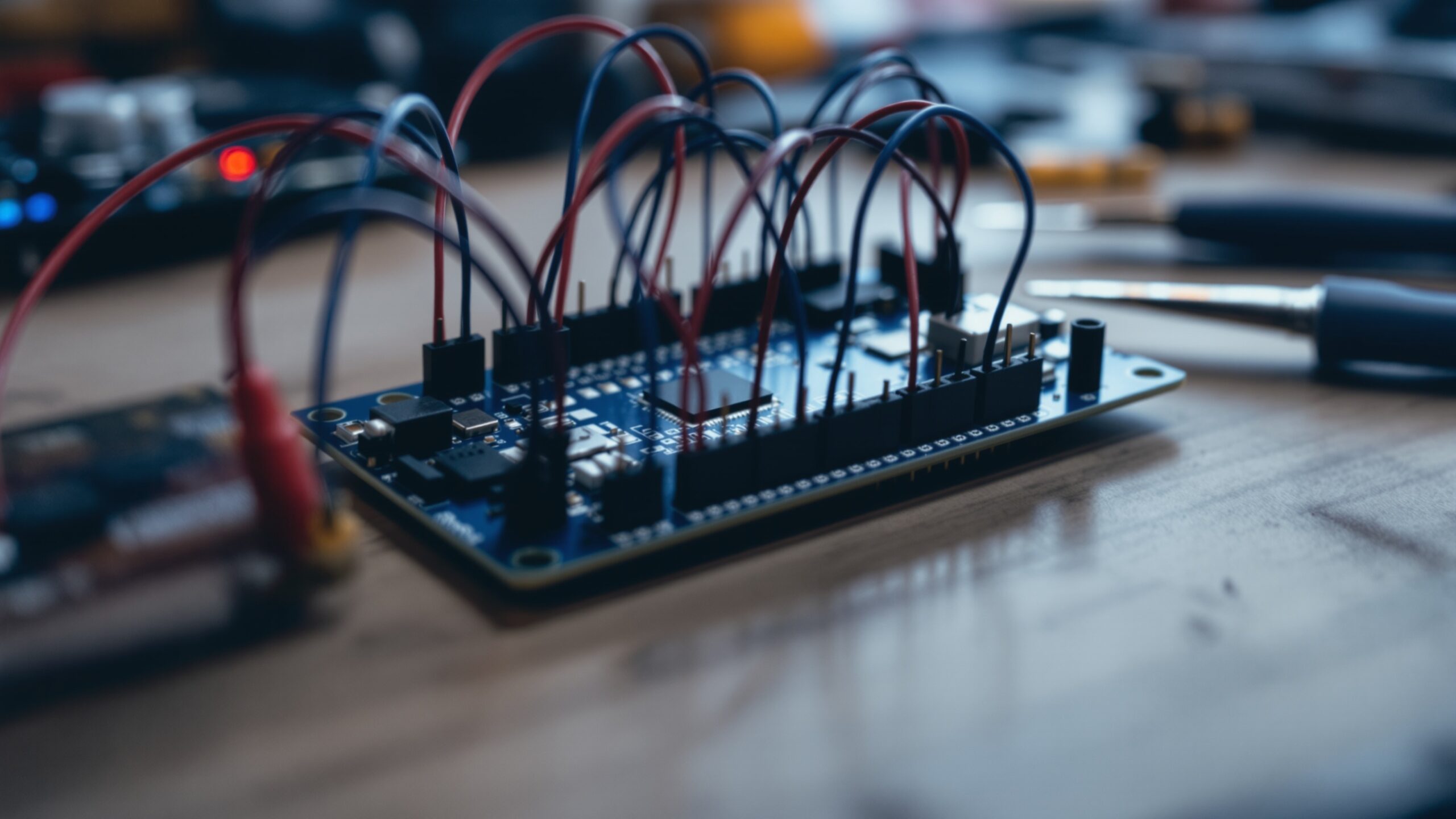
Welcome to Sensors & IoT Projects on Crank Street—where everyday objects learn to sense, report, and respond. This sub-category is built for makers who love the moment a simple circuit becomes a living system: temperature and motion data streaming to a dashboard, a vibration sensor catching problems early, a smart relay flipping on at the perfect time, or a tiny device quietly logging the world while you sleep. Here you’ll explore the full journey from breadboard to real build—choosing the right sensor, taming noisy signals, powering devices efficiently, and getting data where it needs to go over Wi-Fi, Bluetooth, LoRa, or wired links. We’ll cover practical project patterns like environmental monitors, workshop automation, asset tracking, machine health alerts, and remote controls that actually stay reliable. Expect wiring guides, calibration tips, enclosure strategies, and troubleshooting for the classic IoT gremlins: flaky connectivity, power drain, sensor drift, and “works on the bench, fails in the field.” Whether you’re building a single smart tool or a network of connected devices, this hub helps you design projects that are rugged, safe, and satisfying. Grab a microcontroller, light up an LED, and start turning signals into solutions—Crank Street style.
A: A simple sensor + dashboard (temp/humidity) teaches power, data, and connectivity fast.
A: Noise, poor grounding, or sampling too fast—add filtering and check wiring.
A: Wi-Fi for direct internet and range; BLE for low power and phone-to-device links.
A: Deep sleep, lower transmit frequency, efficient regulators, and minimal sensor power-on time.
A: Power dips and moisture—use proper enclosures, strain relief, and stable regulation.
A: Use debouncing, hysteresis, and confirm events with multiple samples.
A: For most meaningful measurements, yes—especially with environmental sensors over time.
A: Buffer data locally, retry with backoff, and design for offline operation.
A: Use strong credentials, update paths, and least-privilege access from the start.
A: Clean wiring, labeled connectors, proper enclosures, and thoughtful mounting hardware.