Why the Future of Making Belongs to Collaborative Workshops

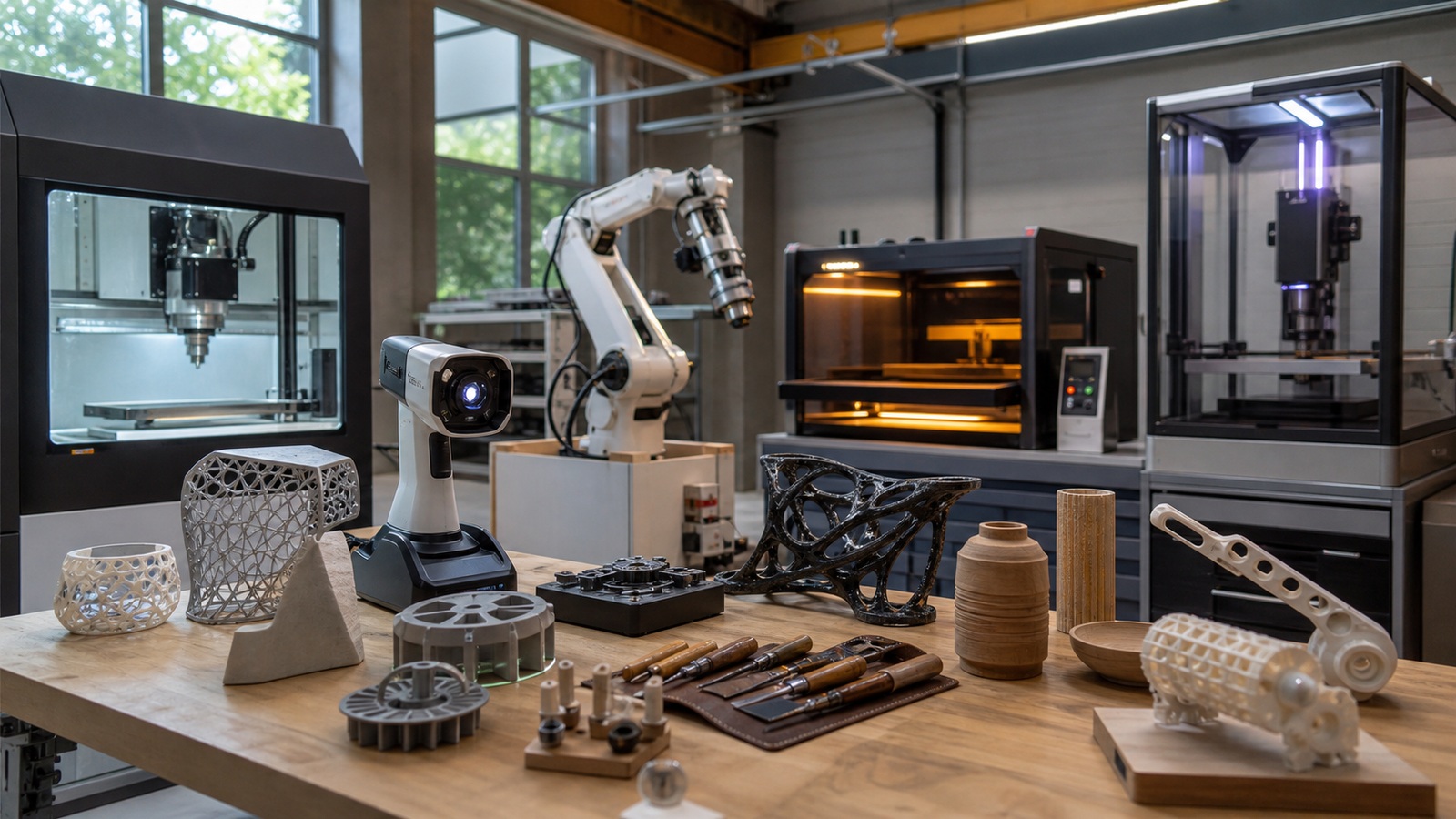
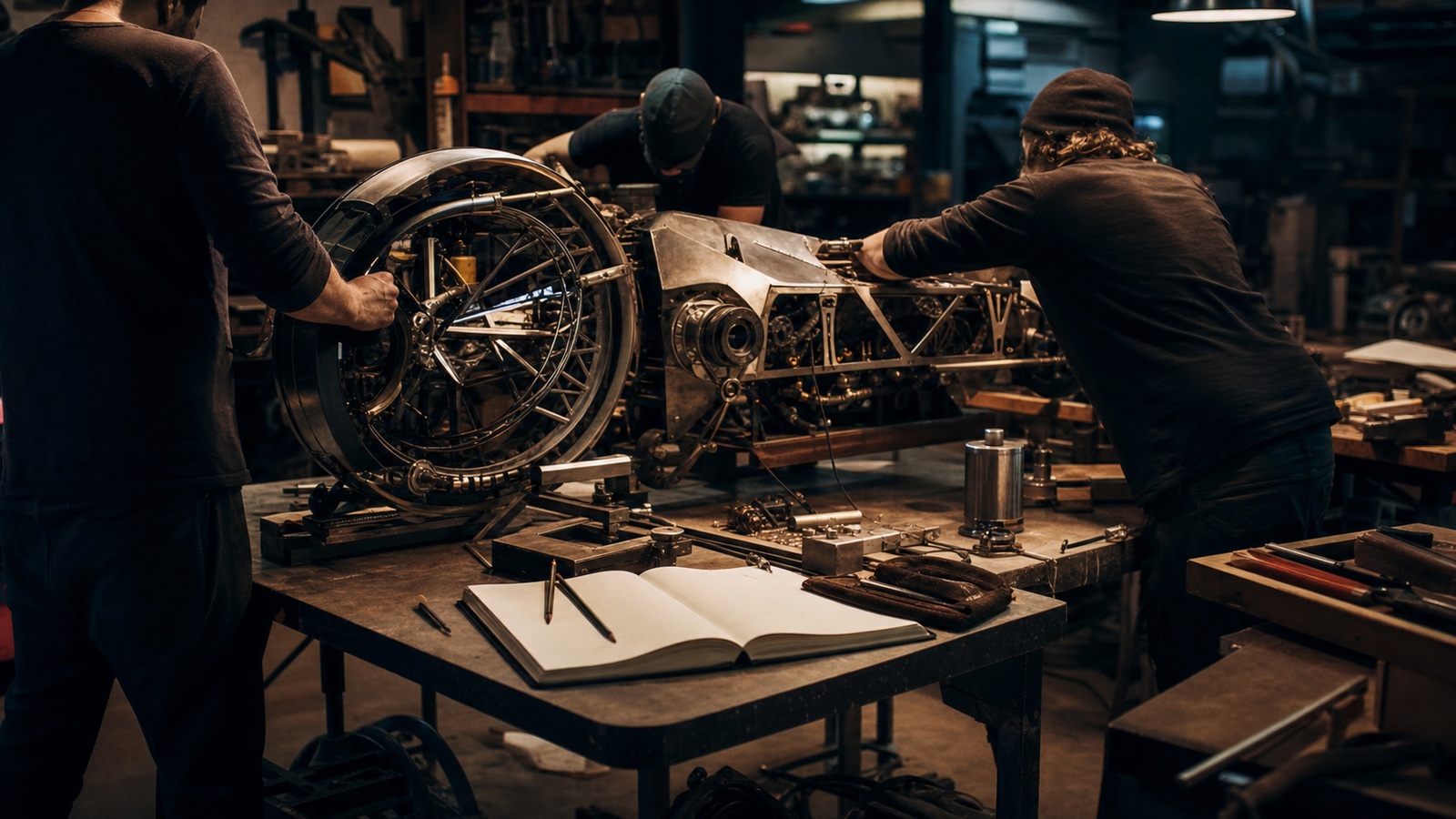
Ultra-photorealistic workshop scene for Why the Future of Making Belongs to Collaborative Workshops

Why the Future of Making Belongs to Collaborative Workshops captures a shift happening across small studios, makerspaces, and home workshops. More people are learning that creativity becomes stronger when it is paired with testing, documentation, safety, and material awareness. Whether the project begins with shared benches or a sketch taped beside a bench, the maker’s task is to turn curiosity into something that moves, holds, supports, or communicates. The sections below explore the topic through community innovation analysis rather than a recycled checklist.

What Makes This Topic Matter Now

What Makes This Topic Matter Now matters because why the future of making belongs to collaborative workshops is not only about a dramatic finished result. It is about the decisions that happen while a maker studies shared benches, tests a small change, and learns what the material will allow. In a real shop, progress often arrives through modest observations: a cleaner edge, a smoother motion, a safer fixture, or a layout that makes the next step less confusing. That kind of improvement is quiet, but it is the reason ambitious projects become believable.

There is a human side to the process as well. People respond to builds that show evidence of thought, not just expense. When a project reveals smart use of member projects, clean transitions, and a clear reason for every visible choice, it feels more convincing. The final piece may look effortless, but the appeal comes from many small judgments stacked together. That is why future-facing tools with old-school judgment remains central to this topic.

The Older Craft Hiding Under the New Tool

One useful way to approach this subject is to teach the simplest part before chasing the spectacular part. A builder who understands tool libraries can usually make better choices about skill nights, because the two are connected by fit, force, timing, and touch. This is where maker mindset becomes practical rather than abstract. The idea moves from inspiration into a repeatable habit, and the workshop starts to feel like a place where experiments have direction.

The Older Craft Hiding Under the New Tool matters because why the future of making belongs to collaborative workshops is not only about a dramatic finished result. It is about the decisions that happen while a maker studies tool libraries, tests a small change, and learns what the material will allow. In a real shop, progress often arrives through modest observations: a cleaner edge, a smoother motion, a safer fixture, or a layout that makes the next step less confusing. That kind of improvement is quiet, but it is the reason ambitious projects become believable.

One useful way to approach this subject is to teach the simplest part before chasing the spectacular part. A builder who understands tool libraries can usually make better choices about skill nights, because the two are connected by fit, force, timing, and touch. This is where maker mindset becomes practical rather than abstract. The idea moves from inspiration into a repeatable habit, and the workshop starts to feel like a place where experiments have direction.

How Builders Judge a Good Result

The best makers also know when to slow down. Rushing past member projects can hide problems that become expensive later, especially when a build depends on alignment, heat, finish, or repeated motion. A careful pause gives the builder time to share the weak point, compare options, and decide whether the design needs a new part or simply a better sequence. That patience gives creative work a professional edge without draining the fun from it.

One useful way to approach this subject is to coordinate the simplest part before chasing the spectacular part. A builder who understands member projects can usually make better choices about community labs, because the two are connected by fit, force, timing, and touch. This is where maker mindset becomes practical rather than abstract. The idea moves from inspiration into a repeatable habit, and the workshop starts to feel like a place where experiments have direction.

The Role of Sound, Weight, and Feel

There is a human side to the process as well. People respond to builds that show evidence of thought, not just expense. When a project reveals smart use of shared benches, clean transitions, and a clear reason for every visible choice, it feels more convincing. The final piece may look effortless, but the appeal comes from many small judgments stacked together. That is why how builders turn constraints into invention remains central to this topic.

The best makers also know when to slow down. Rushing past skill nights can hide problems that become expensive later, especially when a build depends on alignment, heat, finish, or repeated motion. A careful pause gives the builder time to teach the weak point, compare options, and decide whether the design needs a new part or simply a better sequence. That patience gives creative work a professional edge without draining the fun from it.

Why Small Tolerances Create Big Changes

Why Small Tolerances Create Big Changes matters because why the future of making belongs to collaborative workshops is not only about a dramatic finished result. It is about the decisions that happen while a maker studies community labs, tests a small change, and learns what the material will allow. In a real shop, progress often arrives through modest observations: a cleaner edge, a smoother motion, a safer fixture, or a layout that makes the next step less confusing. That kind of improvement is quiet, but it is the reason ambitious projects become believable.

There is a human side to the process as well. People respond to builds that show evidence of thought, not just expense. When a project reveals smart use of tool libraries, clean transitions, and a clear reason for every visible choice, it feels more convincing. The final piece may look effortless, but the appeal comes from many small judgments stacked together. That is why future-facing tools with old-school judgment remains central to this topic.

Why Small Tolerances Create Big Changes matters because why the future of making belongs to collaborative workshops is not only about a dramatic finished result. It is about the decisions that happen while a maker studies community labs, tests a small change, and learns what the material will allow. In a real shop, progress often arrives through modest observations: a cleaner edge, a smoother motion, a safer fixture, or a layout that makes the next step less confusing. That kind of improvement is quiet, but it is the reason ambitious projects become believable.

Designing Around Human Hands

One useful way to approach this subject is to share the simplest part before chasing the spectacular part. A builder who understands shared benches can usually make better choices about member projects, because the two are connected by fit, force, timing, and touch. This is where maker mindset becomes practical rather than abstract. The idea moves from inspiration into a repeatable habit, and the workshop starts to feel like a place where experiments have direction.

Designing Around Human Hands matters because why the future of making belongs to collaborative workshops is not only about a dramatic finished result. It is about the decisions that happen while a maker studies shared benches, tests a small change, and learns what the material will allow. In a real shop, progress often arrives through modest observations: a cleaner edge, a smoother motion, a safer fixture, or a layout that makes the next step less confusing. That kind of improvement is quiet, but it is the reason ambitious projects become believable.

When Automation Helps and When It Distracts

The best makers also know when to slow down. Rushing past tool libraries can hide problems that become expensive later, especially when a build depends on alignment, heat, finish, or repeated motion. A careful pause gives the builder time to support the weak point, compare options, and decide whether the design needs a new part or simply a better sequence. That patience gives creative work a professional edge without draining the fun from it.

One useful way to approach this subject is to teach the simplest part before chasing the spectacular part. A builder who understands tool libraries can usually make better choices about skill nights, because the two are connected by fit, force, timing, and touch. This is where maker mindset becomes practical rather than abstract. The idea moves from inspiration into a repeatable habit, and the workshop starts to feel like a place where experiments have direction.

Keeping Safety Inside the Creative Flow

There is a human side to the process as well. People respond to builds that show evidence of thought, not just expense. When a project reveals smart use of community labs, clean transitions, and a clear reason for every visible choice, it feels more convincing. The final piece may look effortless, but the appeal comes from many small judgments stacked together. That is why how builders turn constraints into invention remains central to this topic.

The best makers also know when to slow down. Rushing past member projects can hide problems that become expensive later, especially when a build depends on alignment, heat, finish, or repeated motion. A careful pause gives the builder time to share the weak point, compare options, and decide whether the design needs a new part or simply a better sequence. That patience gives creative work a professional edge without draining the fun from it.

There is a human side to the process as well. People respond to builds that show evidence of thought, not just expense. When a project reveals smart use of community labs, clean transitions, and a clear reason for every visible choice, it feels more convincing. The final piece may look effortless, but the appeal comes from many small judgments stacked together. That is why small-shop methods that scale into serious work remains central to this topic.

Turning One Build Into a Repeatable Method

Turning One Build Into a Repeatable Method matters because why the future of making belongs to collaborative workshops is not only about a dramatic finished result. It is about the decisions that happen while a maker studies skill nights, tests a small change, and learns what the material will allow. In a real shop, progress often arrives through modest observations: a cleaner edge, a smoother motion, a safer fixture, or a layout that makes the next step less confusing. That kind of improvement is quiet, but it is the reason ambitious projects become believable.

There is a human side to the process as well. People respond to builds that show evidence of thought, not just expense. When a project reveals smart use of shared benches, clean transitions, and a clear reason for every visible choice, it feels more convincing. The final piece may look effortless, but the appeal comes from many small judgments stacked together. That is why future-facing tools with old-school judgment remains central to this topic.

The Next Version Is Already Starting

One useful way to approach this subject is to support the simplest part before chasing the spectacular part. A builder who understands community labs can usually make better choices about tool libraries, because the two are connected by fit, force, timing, and touch. This is where maker mindset becomes practical rather than abstract. The idea moves from inspiration into a repeatable habit, and the workshop starts to feel like a place where experiments have direction.

The Next Version Is Already Starting matters because why the future of making belongs to collaborative workshops is not only about a dramatic finished result. It is about the decisions that happen while a maker studies community labs, tests a small change, and learns what the material will allow. In a real shop, progress often arrives through modest observations: a cleaner edge, a smoother motion, a safer fixture, or a layout that makes the next step less confusing. That kind of improvement is quiet, but it is the reason ambitious projects become believable.

Why the Work Still Feels Worth Doing

Why the Future of Making Belongs to Collaborative Workshops matters because it keeps creativity physical. In a world full of screens and instant previews, the workshop still asks people to touch materials, listen to movement, solve fit problems, and accept feedback from the real world. That friction can be frustrating, but it also makes the result meaningful.

When makers keep that mindset, they build more than impressive objects. They build confidence, patience, and a practical imagination that carries into the next project. The finished piece is only one reward; the better reward is learning how to see possibilities where other people see ordinary parts.