Hidden Gears: The Genius Behind Everyday Mechanisms

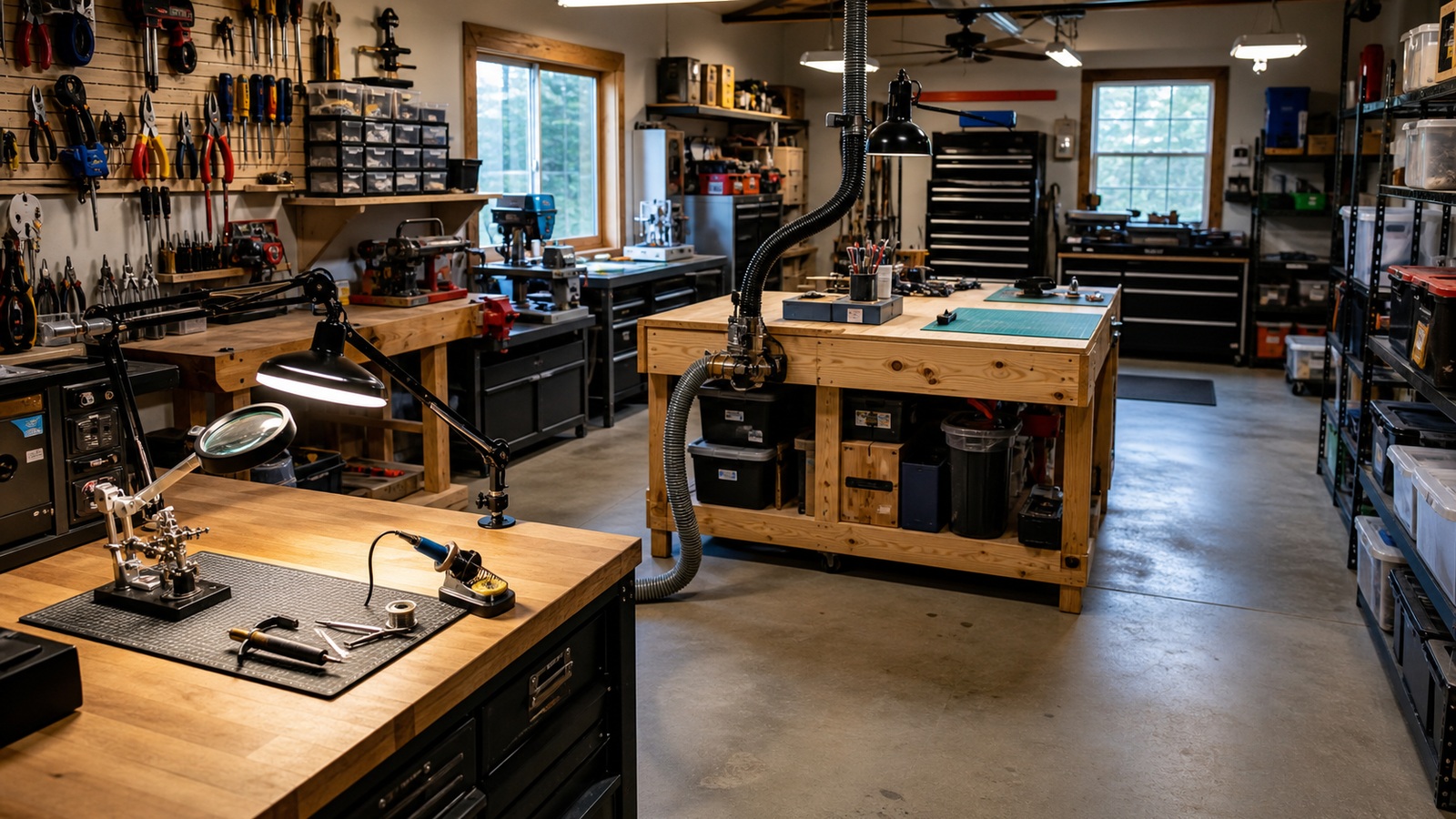
Ultra-photorealistic workshop scene for Hidden Gears: The Genius Behind Everyday Mechanisms

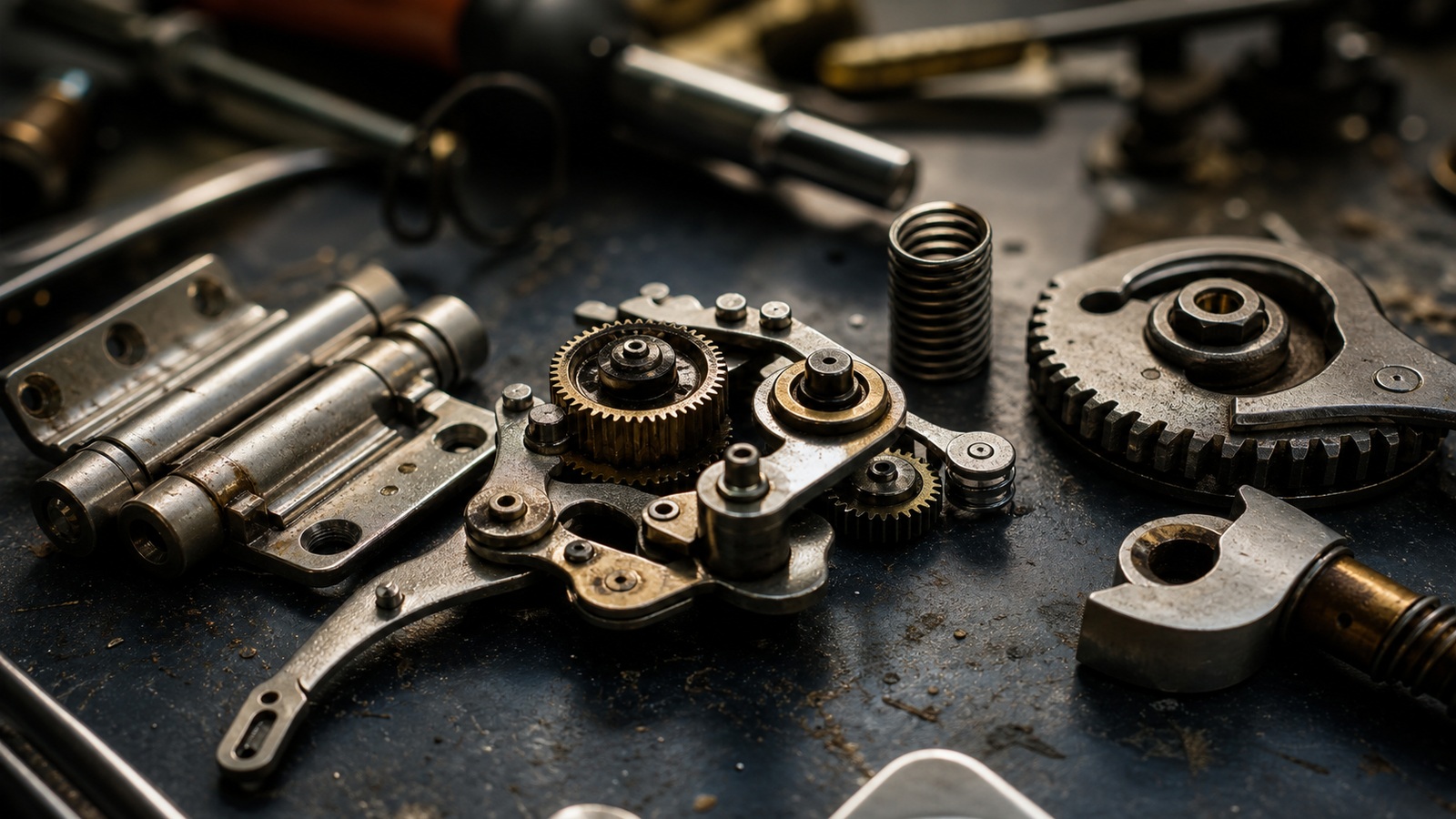
Hidden Gears: The Genius Behind Everyday Mechanisms speaks to the part of making that happens between a rough idea and a finished object someone can trust. In handcrafting essentials, the most interesting work is rarely just the tool, the material, or the finished photo. It is the way a maker studies hinges, notices how cams changes the plan, and keeps shaping the project until it feels useful, expressive, and physically believable. This article looks at the invisible physics behind everyday making, with a focus on practical choices that help non-experts understand why the process matters.

Start With the Problem the Build Solves

There is a human side to the process as well. People respond to builds that show evidence of thought, not just expense. When a project reveals smart use of cams, clean transitions, and a clear reason for every visible choice, it feels more convincing. The final piece may look effortless, but the appeal comes from many small judgments stacked together. That is why the invisible physics behind everyday making remains central to this topic.

The best makers also know when to slow down. Rushing past hinges can hide problems that become expensive later, especially when a build depends on alignment, heat, finish, or repeated motion. A careful pause gives the builder time to simplify the weak point, compare options, and decide whether the design needs a new part or simply a better sequence. That patience gives creative work a professional edge without draining the fun from it.

Read the Material Before Forcing the Shape

Read the Material Before Forcing the Shape matters because hidden gears: the genius behind everyday mechanisms is not only about a dramatic finished result. It is about the decisions that happen while a maker studies ratchets, tests a small change, and learns what the material will allow. In a real shop, progress often arrives through modest observations: a cleaner edge, a smoother motion, a safer fixture, or a layout that makes the next step less confusing. That kind of improvement is quiet, but it is the reason ambitious projects become believable.

There is a human side to the process as well. People respond to builds that show evidence of thought, not just expense. When a project reveals smart use of springs, clean transitions, and a clear reason for every visible choice, it feels more convincing. The final piece may look effortless, but the appeal comes from many small judgments stacked together. That is why materials intelligence and careful testing remains central to this topic.

Read the Material Before Forcing the Shape matters because hidden gears: the genius behind everyday mechanisms is not only about a dramatic finished result. It is about the decisions that happen while a maker studies ratchets, tests a small change, and learns what the material will allow. In a real shop, progress often arrives through modest observations: a cleaner edge, a smoother motion, a safer fixture, or a layout that makes the next step less confusing. That kind of improvement is quiet, but it is the reason ambitious projects become believable.

Let Motion Reveal the Hidden Design

One useful way to approach this subject is to compare the simplest part before chasing the spectacular part. A builder who understands cams can usually make better choices about linkages, because the two are connected by fit, force, timing, and touch. This is where handcrafting essentials becomes practical rather than abstract. The idea moves from inspiration into a repeatable habit, and the workshop starts to feel like a place where experiments have direction.

Let Motion Reveal the Hidden Design matters because hidden gears: the genius behind everyday mechanisms is not only about a dramatic finished result. It is about the decisions that happen while a maker studies cams, tests a small change, and learns what the material will allow. In a real shop, progress often arrives through modest observations: a cleaner edge, a smoother motion, a safer fixture, or a layout that makes the next step less confusing. That kind of improvement is quiet, but it is the reason ambitious projects become believable.

Prototype the Awkward Parts First

The best makers also know when to slow down. Rushing past springs can hide problems that become expensive later, especially when a build depends on alignment, heat, finish, or repeated motion. A careful pause gives the builder time to trace the weak point, compare options, and decide whether the design needs a new part or simply a better sequence. That patience gives creative work a professional edge without draining the fun from it.

One useful way to approach this subject is to simplify the simplest part before chasing the spectacular part. A builder who understands springs can usually make better choices about hinges, because the two are connected by fit, force, timing, and touch. This is where handcrafting essentials becomes practical rather than abstract. The idea moves from inspiration into a repeatable habit, and the workshop starts to feel like a place where experiments have direction.

Use Failure as a Measuring Tool

There is a human side to the process as well. People respond to builds that show evidence of thought, not just expense. When a project reveals smart use of ratchets, clean transitions, and a clear reason for every visible choice, it feels more convincing. The final piece may look effortless, but the appeal comes from many small judgments stacked together. That is why the invisible physics behind everyday making remains central to this topic.

The best makers also know when to slow down. Rushing past linkages can hide problems that become expensive later, especially when a build depends on alignment, heat, finish, or repeated motion. A careful pause gives the builder time to compare the weak point, compare options, and decide whether the design needs a new part or simply a better sequence. That patience gives creative work a professional edge without draining the fun from it.

There is a human side to the process as well. People respond to builds that show evidence of thought, not just expense. When a project reveals smart use of ratchets, clean transitions, and a clear reason for every visible choice, it feels more convincing. The final piece may look effortless, but the appeal comes from many small judgments stacked together. That is why creative engineering as a repeatable process remains central to this topic.

Balance Precision With Room to Adjust

Balance Precision With Room to Adjust matters because hidden gears: the genius behind everyday mechanisms is not only about a dramatic finished result. It is about the decisions that happen while a maker studies hinges, tests a small change, and learns what the material will allow. In a real shop, progress often arrives through modest observations: a cleaner edge, a smoother motion, a safer fixture, or a layout that makes the next step less confusing. That kind of improvement is quiet, but it is the reason ambitious projects become believable.

There is a human side to the process as well. People respond to builds that show evidence of thought, not just expense. When a project reveals smart use of cams, clean transitions, and a clear reason for every visible choice, it feels more convincing. The final piece may look effortless, but the appeal comes from many small judgments stacked together. That is why materials intelligence and careful testing remains central to this topic.

Make the Finish Support the Function

One useful way to approach this subject is to trace the simplest part before chasing the spectacular part. A builder who understands ratchets can usually make better choices about springs, because the two are connected by fit, force, timing, and touch. This is where handcrafting essentials becomes practical rather than abstract. The idea moves from inspiration into a repeatable habit, and the workshop starts to feel like a place where experiments have direction.

Make the Finish Support the Function matters because hidden gears: the genius behind everyday mechanisms is not only about a dramatic finished result. It is about the decisions that happen while a maker studies ratchets, tests a small change, and learns what the material will allow. In a real shop, progress often arrives through modest observations: a cleaner edge, a smoother motion, a safer fixture, or a layout that makes the next step less confusing. That kind of improvement is quiet, but it is the reason ambitious projects become believable.

Document the Decisions You Might Forget

The best makers also know when to slow down. Rushing past cams can hide problems that become expensive later, especially when a build depends on alignment, heat, finish, or repeated motion. A careful pause gives the builder time to observe the weak point, compare options, and decide whether the design needs a new part or simply a better sequence. That patience gives creative work a professional edge without draining the fun from it.

One useful way to approach this subject is to compare the simplest part before chasing the spectacular part. A builder who understands cams can usually make better choices about linkages, because the two are connected by fit, force, timing, and touch. This is where handcrafting essentials becomes practical rather than abstract. The idea moves from inspiration into a repeatable habit, and the workshop starts to feel like a place where experiments have direction.

The best makers also know when to slow down. Rushing past cams can hide problems that become expensive later, especially when a build depends on alignment, heat, finish, or repeated motion. A careful pause gives the builder time to observe the weak point, compare options, and decide whether the design needs a new part or simply a better sequence. That patience gives creative work a professional edge without draining the fun from it.

Build for Repair, Not Just Reveal

There is a human side to the process as well. People respond to builds that show evidence of thought, not just expense. When a project reveals smart use of hinges, clean transitions, and a clear reason for every visible choice, it feels more convincing. The final piece may look effortless, but the appeal comes from many small judgments stacked together. That is why the invisible physics behind everyday making remains central to this topic.

The best makers also know when to slow down. Rushing past springs can hide problems that become expensive later, especially when a build depends on alignment, heat, finish, or repeated motion. A careful pause gives the builder time to trace the weak point, compare options, and decide whether the design needs a new part or simply a better sequence. That patience gives creative work a professional edge without draining the fun from it.

What the Finished Piece Teaches

What the Finished Piece Teaches matters because hidden gears: the genius behind everyday mechanisms is not only about a dramatic finished result. It is about the decisions that happen while a maker studies linkages, tests a small change, and learns what the material will allow. In a real shop, progress often arrives through modest observations: a cleaner edge, a smoother motion, a safer fixture, or a layout that makes the next step less confusing. That kind of improvement is quiet, but it is the reason ambitious projects become believable.

There is a human side to the process as well. People respond to builds that show evidence of thought, not just expense. When a project reveals smart use of ratchets, clean transitions, and a clear reason for every visible choice, it feels more convincing. The final piece may look effortless, but the appeal comes from many small judgments stacked together. That is why materials intelligence and careful testing remains central to this topic.

What This Means for the Next Build

Hidden Gears: The Genius Behind Everyday Mechanisms ultimately shows that making is strongest when imagination and discipline work together. The most memorable projects do not come from tools alone. They come from people who ask better questions, test more honestly, and keep refining the details others might ignore. When makers combine ratchets, springs, and patient observation, even a small project can point toward a larger way of thinking.

The next build does not need to be perfect to be valuable. It needs to teach something clear. A stronger layout, a cleaner mechanism, a better material choice, or a more repairable design can all become proof that the workshop is moving forward. That is the lasting promise of the invisible physics behind everyday making: every project becomes both an object and a lesson.