Where Great Maker Campaigns Really Begin
A successful maker crowdfunding campaign rarely starts with a launch page. It starts much earlier, in the quiet phase when an idea begins taking shape on a workbench, in a sketchbook, or in the back of a creator’s mind. For many makers, crowdfunding feels exciting because it offers more than funding. It offers proof. It answers the question every creator eventually asks: does anyone else care about this idea as much as I do? That is what makes maker crowdfunding so powerful. It can turn a prototype into a product, a side project into a brand, and a small audience into a community of early believers. But it can also expose weak planning, unclear messaging, and unrealistic expectations. Launching successfully from scratch means understanding that crowdfunding is not just about posting your product online and waiting for support. It is about building trust, telling a clear story, and creating momentum before the campaign ever goes live.
A: Not fully finished, but a credible working prototype is strongly recommended.
A: Many maker campaigns perform well in the 30 to 45 day range.
A: Extremely important, because early traction often determines campaign momentum.
A: Often yes, if it creates urgency without confusing your main offer.
A: Launching too early without enough audience, planning, or production math.
A: In most cases, yes, because video helps build trust and show the product clearly.
A: Production, fulfillment, backer communication, and delivery become the next priorities.
A: Be transparent, explain the issue clearly, and keep backers updated consistently.
A: Yes, many successful maker brands began with a single well-run launch.
A: No, it is also about validating demand, building trust, and creating a customer base.
Start With a Product Worth Backing
Every strong campaign begins with a product that solves a real problem or creates a meaningful improvement. That does not mean it has to be revolutionary. Many successful maker campaigns win because they make something simpler, more beautiful, more durable, easier to use, or better suited to a specific audience. The key is clarity. Backers need to understand what the product does, who it is for, and why it deserves to exist.
Before thinking about campaign pages or reward tiers, spend time refining the core offer. Ask whether the product creates a real advantage over what already exists. Think about the frustration, inconvenience, inefficiency, or missed opportunity your product addresses. The strongest products are easy to describe in plain language. If you cannot explain your product simply, the market may struggle to understand it quickly enough to care.
Validate the Idea Before You Build the Campaign
Crowdfunding is often treated like validation, but smart makers validate before they launch. That means testing the concept with real people, gathering feedback, and looking for signs of genuine interest rather than polite encouragement. Friends and family may tell you the idea is great. The more useful signal is whether strangers will join a waitlist, reply with questions, or say they would buy it. Validation can happen in simple ways. Show rough prototypes to the right audience. Share concept images with communities that care about the category. Collect feedback through short surveys, direct conversations, or landing pages. If people are confused, the positioning may need work. If they like the idea but hesitate at the price, you may need to rethink the market fit or product scope. Early validation gives you something more valuable than praise: direction.
Build a Prototype That Inspires Confidence
Backers do not expect perfection, but they do expect reality. A campaign built around sketches and vague promises feels risky. A campaign built around a credible prototype feels possible. Your prototype is the bridge between idea and trust. It shows that the product exists in more than theory and that you have already done serious work.
For maker campaigns, the prototype should demonstrate function, form, and intent. It should show that the design has been considered, that the product can actually work, and that you understand what still needs refinement before production. You do not need every finish or final packaging detail locked in, but you do need enough substance to make the project feel tangible. The more real the product feels, the easier it is for a backer to imagine owning it.
Define the Audience With Precision
One of the biggest mistakes first-time creators make is trying to appeal to everyone. Broad appeal sounds attractive, but it usually produces weak messaging. The best crowdfunding campaigns feel specific because they are built for a defined group of people with recognizable needs. A product made for everyone tends to speak to no one with enough clarity. Think about who will immediately understand the value of your product. Is it hobbyists, workshop builders, small creators, designers, parents, commuters, or collectors? What do they already care about? What language do they use when describing their problems? When you define the audience precisely, your messaging becomes sharper, your visuals become more effective, and your campaign feels like it belongs to a real community instead of floating in a generic marketplace.
Shape a Story People Want to Join
Crowdfunding is not only about product features. It is about belief, progress, and participation. Backers support campaigns because they want the product, but also because they want to be part of something being brought to life. That is why storytelling matters so much. A good story gives the campaign emotional structure. It answers why this product exists now, why you made it, and why the audience should care.
The most effective maker campaign stories feel grounded rather than dramatic. They often begin with a frustration, a challenge, or a repeated problem that pushed the creator to build something better. Then they move into the creative journey, the testing process, and the solution that emerged. This kind of story works because it feels human. It creates connection without sounding overly polished or artificial. People back products, but they often believe in creators.
Build an Audience Before You Need One
Campaigns that launch cold usually struggle. Maker crowdfunding works best when there is already a pool of interested people waiting for the product to go live. That audience creates the early momentum that makes the campaign look alive, active, and credible. Without that first wave, even a great product can stall. Start building your audience long before launch. A simple landing page, an email signup, behind-the-scenes updates, and early previews can go a long way. Share prototypes, lessons, refinements, and small wins. Let people watch the product come together. This creates investment before money is ever involved. By the time the campaign launches, your audience should feel like they have discovered something early, not encountered it for the first time.
Choose the Right Platform and Positioning
Not every platform works the same way, and not every product belongs in the same environment. The platform you choose shapes expectations around audience behavior, campaign structure, visibility, and tone. Just as important is how you position the campaign once you get there. A great product can still underperform if it feels misaligned with the platform or category.
Look closely at similar campaigns in your space. Study how they present their product, how they structure rewards, and how they talk about value. Then decide how your campaign will stand apart. Positioning is not only about being different. It is about being clearly relevant. Your campaign should feel instantly understandable to the right audience while still offering a fresh reason to pay attention.
Prepare Visuals That Sell the Product Fast
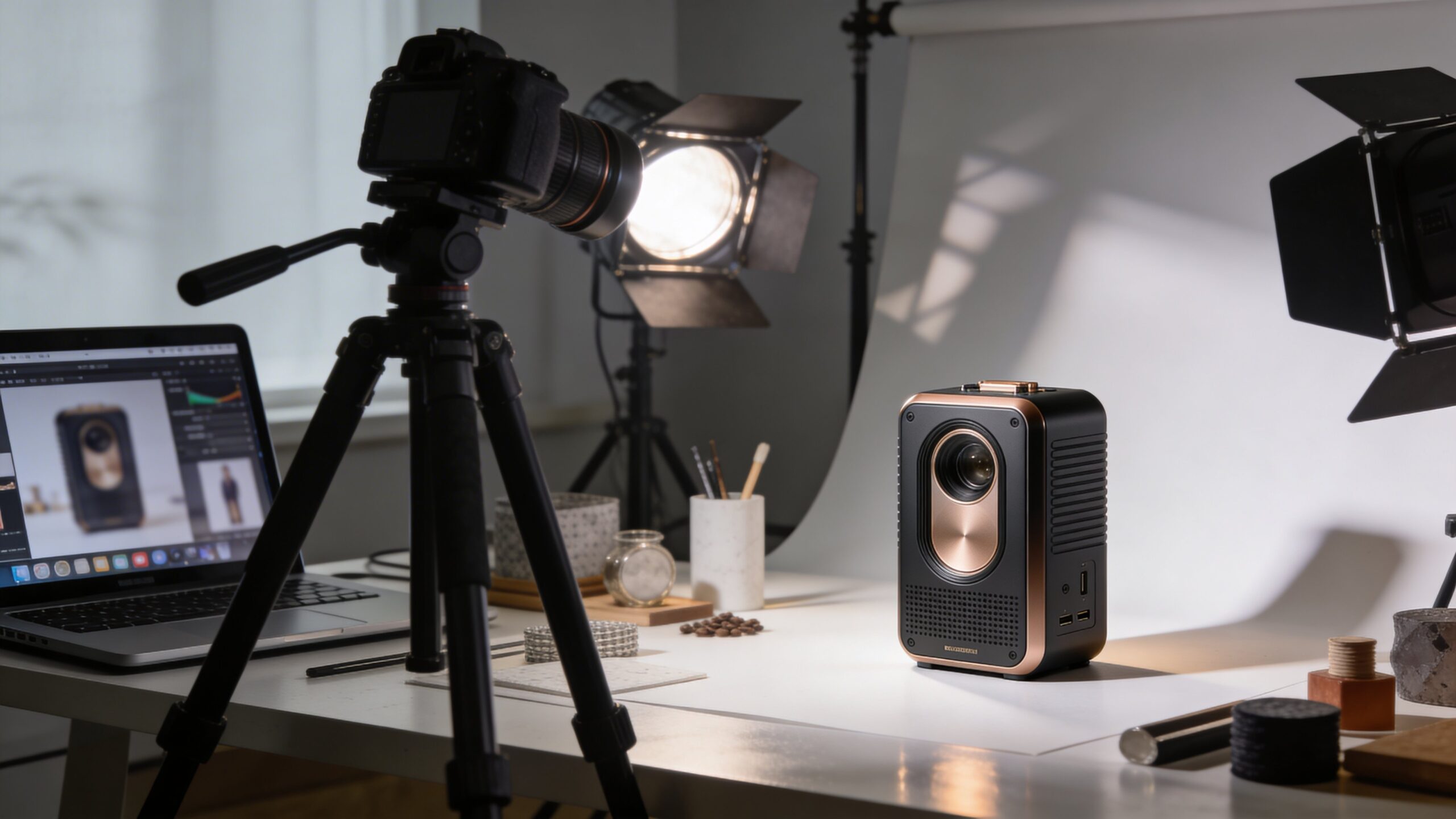
In crowdfunding, visuals do a tremendous amount of work. Before a visitor reads the full campaign page, they are already forming judgments based on the product images, layout, and presentation. Great visuals reduce friction. They help people understand the product faster, trust it sooner, and imagine it in real life. Product photography, prototype imagery, diagrams, and lifestyle scenes all matter. Show the product clearly from angles that explain it. Show scale. Show use. Show materials. Show details that signal quality and thoughtfulness. Avoid clutter and confusion. A maker product should look like it belongs in the world already, not like it is still searching for its identity. Strong visuals make your campaign feel real before the visitor reads a single sentence.
Create a Campaign Video That Feels Honest and Focused
A campaign video can dramatically improve how people perceive a project, but only when it is focused and authentic. Many first-time creators assume the video needs to feel cinematic above all else. Production quality matters, but clarity matters more. A compelling video should quickly explain the problem, show the product in action, and reveal the person or team behind it.
For maker campaigns, authenticity often beats polish. People want to see that you understand the product, care about the details, and have done the work. Use the video to show the product solving the problem it was built for. Let the prototype speak. Let your enthusiasm come through without overselling. A video that feels credible will outperform one that feels flashy but empty.
Set a Funding Goal That Supports Reality
A funding goal is not just a number. It is a signal. Set it too low and you may create operational pressure after success. Set it too high and you may struggle to build early momentum. A smart funding goal reflects what you genuinely need to move into production while still giving the campaign a realistic chance of reaching its target. This requires honest cost planning. Consider tooling, materials, packaging, shipping, platform fees, contingency, and margin for mistakes. Crowdfunding campaigns often fail not because they do not fund, but because they undercalculate what comes after funding. Makers need to think beyond the campaign and into production reality. A goal should support delivery, not just visibility.
Design Reward Tiers That Feel Clear and Attractive
Reward structure plays a major role in conversion. When visitors arrive at your campaign, they need to understand the options quickly. Confusing tiers create hesitation. Too many tiers create mental fatigue. Weak value at the core offer creates drop-off. The goal is to make the choice feel simple, appealing, and fair.
Early access pricing can help create urgency, while limited bundles can increase average order value if they feel useful rather than forced. The main thing is clarity. Each tier should have a reason to exist. The campaign should naturally guide backers toward the most compelling option. When reward design feels intuitive, the path from interest to support becomes much smoother.
Build a Launch Plan Instead of Just Picking a Date
Launch day matters because it shapes the first impression of the campaign. A fast start signals demand, which in turn attracts more demand. That momentum rarely happens by accident. It comes from a launch plan that coordinates timing, emails, social posts, direct outreach, and community activation. The days leading up to launch should feel intentional. Warm up your audience. Remind your list that the campaign is coming. Give early supporters a reason to act quickly. Reach out to people who said they were interested. The objective is to create a concentrated wave of action as soon as the campaign goes live. Early traction can influence platform visibility, social proof, and public perception all at once.
Market the Campaign Every Day It Is Live
Many creators treat crowdfunding like a single event, but campaigns need ongoing energy. After the excitement of launch, attention can dip quickly if marketing slows down. That is why successful campaigns keep telling the story in new ways throughout the campaign window. Fresh content, updates, outreach, and reminders help bring new people into the funnel while keeping existing supporters engaged.
You can highlight different use cases, show new product details, share prototype refinements, feature testimonials, or explain the making process. Keep your campaign visible where your audience already spends time. The goal is not to shout louder every day. It is to keep finding real reasons for people to care. Good campaign marketing feels like sustained relevance, not repeated noise.
Communicate With Backers Like a Real Brand
Backer communication is one of the clearest indicators of whether a campaign feels trustworthy. When people support a maker product, they are placing confidence in both the object and the creator. That confidence grows when updates are regular, honest, and useful. Silence creates doubt. Overpromising creates disappointment. Thoughtful communication builds long-term credibility. Treat every update as a chance to reinforce trust. Share milestones, answer questions, acknowledge issues, and explain progress in plain language. If there is a delay, say so clearly. If there is a design improvement, explain why it matters. The best campaigns make backers feel included in the process without burdening them with chaos. That kind of communication lays the groundwork for future launches and repeat customers.
Get Ready for Production Before the Campaign Ends
One of the most dangerous moments in crowdfunding is the period right after success, when excitement is high but operational planning is weak. Makers who wait until funding arrives to think seriously about production often lose valuable time and run into preventable problems. Production planning should begin during campaign preparation, not after the total climbs.
That means understanding supplier options, manufacturing requirements, lead times, packaging needs, and shipping variables in advance. You do not need every detail finalized before launch, but you do need a realistic path. A successful campaign should accelerate execution, not force you to begin figuring it out under pressure. The more prepared you are before launch, the more controlled the post-campaign phase becomes.
Fulfillment Is Part of the Product Experience
For backers, the campaign does not end when funding closes. It ends when the product arrives and matches the promise. That is why fulfillment deserves as much respect as storytelling and marketing. Packaging, shipping speed, communication, and quality control all shape how people remember the experience. A great maker campaign can lose goodwill quickly if the product arrives late, damaged, confusing, or poorly presented. Think through the unboxing, the instructions, and the first-use experience. Crowdfunding is often the first real encounter customers have with your brand. Make it feel deliberate. A thoughtful delivery experience turns backers into advocates and gives your future business a much stronger foundation.
Turn the Campaign Into a Long-Term Brand
The best crowdfunding campaigns are not isolated wins. They become the starting point for something larger. A campaign gives you an audience, market data, content, testimonials, and a group of early believers. That is more than a funding event. It is the beginning of a real business asset.
After the campaign, keep building. Nurture your email list. Listen to feedback. Improve the product. Think about what customers may want next. Consider how the campaign story becomes a brand story that can live beyond the platform. When a maker campaign is handled well, it does more than fund a product. It creates momentum that can support future launches, retail opportunities, and a loyal community.
Build Trust, Then Build Momentum
Launching a successful maker crowdfunding campaign from scratch is not about luck, hype, or flashy marketing tricks. It is about doing the hard early work that makes the campaign feel inevitable when it finally appears. Strong products, clear positioning, believable storytelling, steady audience-building, and realistic execution all work together to create trust. And trust is what turns interest into backing. For makers, crowdfunding can be one of the most exciting paths from idea to market because it rewards both creativity and discipline. It gives independent creators a real chance to prove demand, fund production, and build a brand in public. When approached thoughtfully, it becomes more than a way to raise money. It becomes a way to launch with purpose, grow with confidence, and turn careful craftsmanship into something people are genuinely excited to support.