Understanding the Heart of Robotics
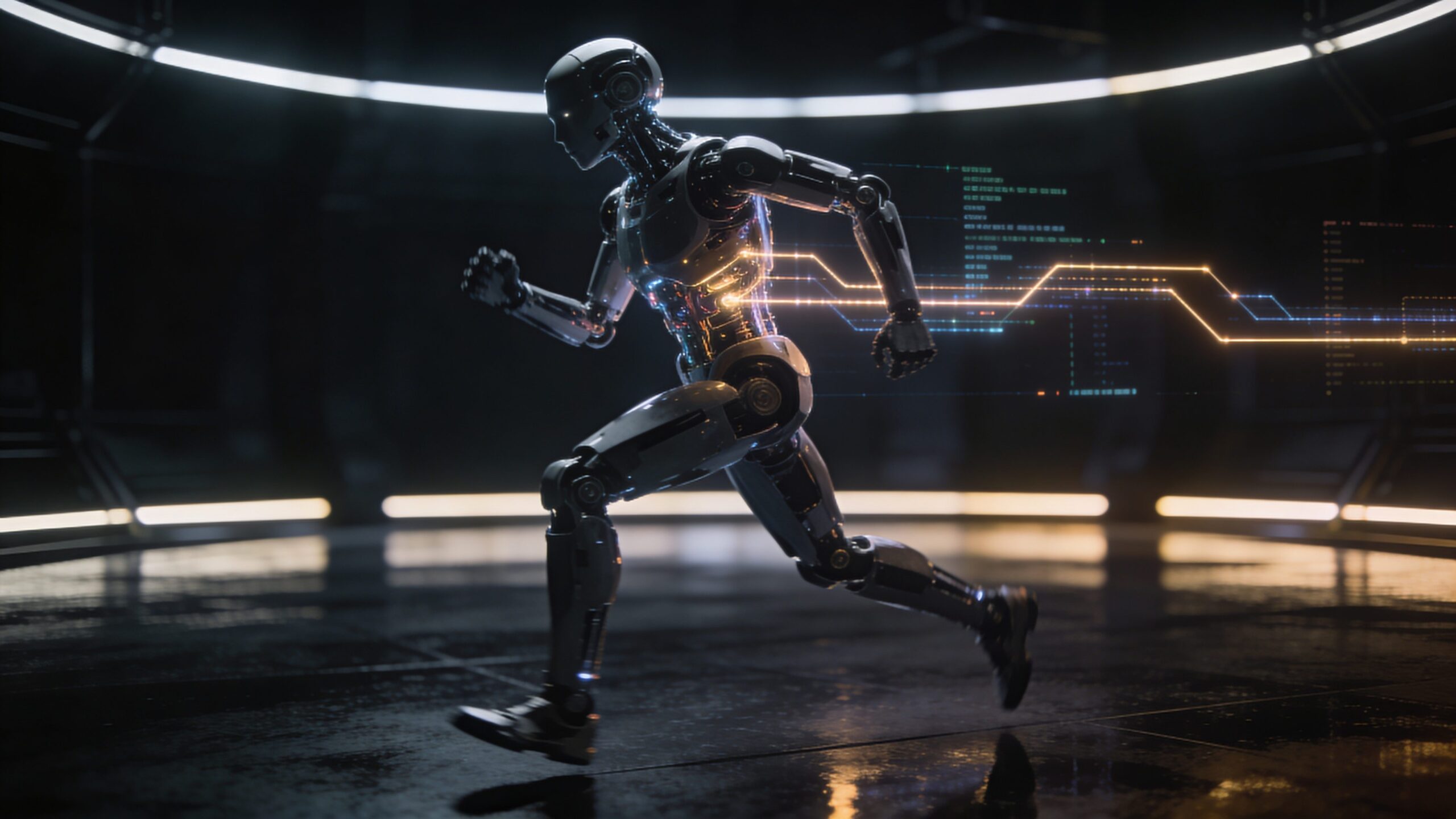
A robotics control system is the hidden command structure that allows a robot to move, react, and perform tasks with purpose. It connects the robot’s software, sensors, motors, power systems, and physical structure into one coordinated machine. Without a control system, a robot would simply be a collection of parts. It might have wheels, arms, cameras, and motors, but it would not know when to move, how far to move, or how to correct itself when something changes. At its simplest, a robotics control system takes an instruction and turns it into action. That instruction might be as basic as “move forward” or as complex as “pick up the object, avoid the obstacle, and place it on the shelf.” The control system interprets the command, checks the robot’s current condition, sends signals to the right components, and adjusts the motion as the task unfolds.
A: It is the hardware and software that tells a robot how to sense, decide, and move.
A: In beginner terms, yes—the controller processes inputs and sends commands to outputs.
A: Open-loop sends commands without checking results; closed-loop uses feedback to adjust performance.
A: Not always, but sensors make robots more accurate, adaptive, and useful.
A: Motor drivers handle the higher current motors need and protect the low-power controller.
A: PID is a feedback method that corrects error using proportional, integral, and derivative adjustments.
A: Yes—start with a small wheeled robot, simple sensors, and basic motor control.
A: Common choices include C/C++, Python, Scratch-style blocks, and specialized robotics frameworks.
A: Motor mismatch, weak batteries, poor traction, bad wiring, or missing feedback can cause uneven movement.
A: A line-following or obstacle-avoiding wheeled robot is a strong beginner project.
Why Robotics Control Systems Matter
Robots are expected to work in the real world, and the real world is messy. Floors are uneven, objects shift position, parts wear down, and unexpected obstacles appear. A good control system helps a robot handle these changes instead of blindly following a fixed command.
This is why robotics control systems are used everywhere from factory automation and warehouse robots to surgical machines, drones, self-driving vehicles, robotic arms, and home cleaning robots. They make robots more accurate, safer, and more useful. The better the control system, the more confidently a robot can perform complex tasks.
The Basic Parts of a Robotics Control System
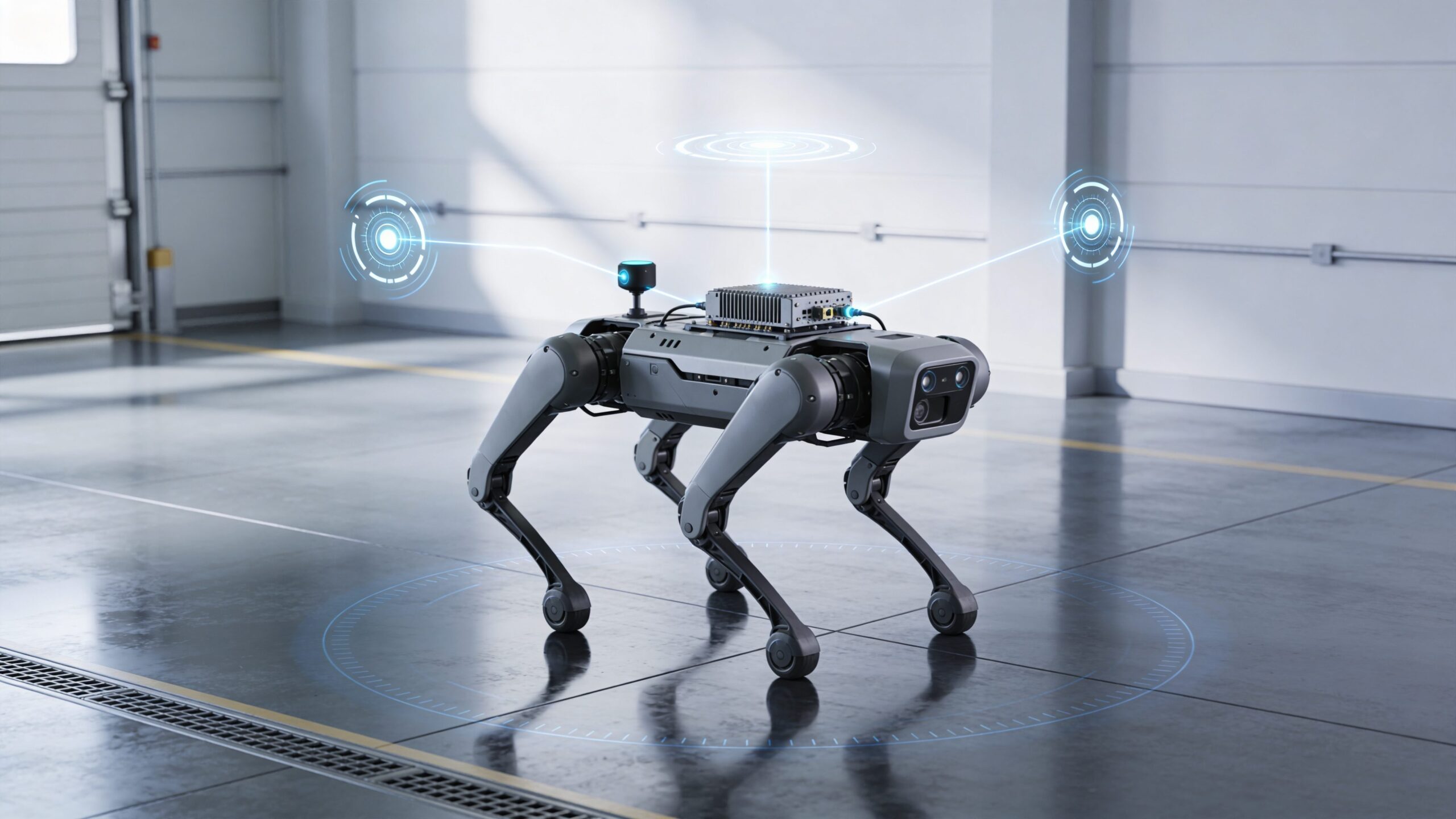
A robotics control system usually includes a controller, sensors, actuators, software, communication systems, and a power source. The controller acts like the robot’s decision center. It may be a microcontroller, embedded computer, industrial control unit, or onboard processor. Its job is to process information and send commands. Sensors provide information about the robot and its environment. Actuators create motion. Software tells the system what to do. Communication links allow components to exchange information. Power systems deliver the energy needed to keep everything running. When all these parts work together, the robot can move with purpose instead of randomness.
Sensors: How Robots Understand Their World
Sensors are one of the most important parts of a robotics control system because they allow the robot to measure what is happening. A robot may use cameras to see, encoders to measure wheel or joint position, gyroscopes to detect rotation, accelerometers to sense movement, force sensors to measure pressure, and distance sensors to detect nearby objects.
This sensor data gives the control system a constant stream of information. For example, if a robot arm is supposed to rotate 45 degrees, an encoder can report whether the joint actually reached that position. If it stopped short, the controller can send a correction. This ability to measure and adjust is what separates controlled robotics from simple mechanical motion.
Actuators: How Robots Move
Actuators are the parts that physically move the robot. They convert control signals into motion. Common actuators include electric motors, servo motors, stepper motors, hydraulic cylinders, pneumatic systems, and linear actuators. Each type is useful for different tasks. A small educational robot might use simple DC motors to turn wheels. A factory robot arm may use powerful servo motors for precise joint control. A heavy industrial robot may use hydraulics for extreme strength. The control system decides how much power to send, when to send it, and how to adjust it based on feedback.
Controllers: The Robot’s Command Center
The controller is where the robot’s decisions happen. It receives instructions from software, reads data from sensors, calculates what should happen next, and sends commands to actuators. In small robots, this might be handled by a compact microcontroller. In advanced robots, it may involve multiple processors working together.
Controllers often need to operate in real time. That means they cannot pause, lag, or wait too long before responding. A drone, for example, must adjust its motors constantly to stay balanced. A delay of even a fraction of a second can cause instability. Real-time control is one of the reasons robotics is such a demanding and fascinating field.
Open-Loop vs Closed-Loop Control
One of the first ideas beginners should understand is the difference between open-loop and closed-loop control. In an open-loop system, the robot sends a command but does not check whether the action was completed correctly. For example, it might tell a motor to run for two seconds and assume the robot moved the right distance. In a closed-loop system, the robot uses feedback to check what actually happened. If the robot did not move far enough, the controller can correct it. Most modern robots rely heavily on closed-loop control because it is more accurate and adaptable. Closed-loop systems are the reason robots can handle changing conditions and still perform reliably.
Feedback Loops: The Secret to Precision
A feedback loop is the process of comparing the desired result with the actual result. The controller looks at the target, checks sensor data, calculates the difference, and adjusts the output. This happens repeatedly, often many times per second.
Imagine a robotic arm trying to place a component into a precise slot. The controller knows the desired position. Sensors report the actual position. If the arm is slightly off, the system makes a correction. This constant cycle of measurement and adjustment allows robots to move smoothly and accurately.
Control Algorithms: The Rules Behind the Motion
Control algorithms are the mathematical and logical rules that tell the robot how to respond. One of the most common control methods is PID control, which stands for proportional, integral, and derivative control. It helps a system reach a target smoothly without overshooting too much or reacting too slowly. More advanced robots may use model predictive control, adaptive control, fuzzy logic, machine learning, or other techniques. The algorithm chosen depends on the robot’s task, speed, environment, and required precision. A warehouse robot, a robotic surgeon, and a Mars rover all need different control strategies.
From Software Command to Physical Action
When a robot receives a command, the control system breaks it into smaller steps. A high-level instruction such as “move to the table” may become a path plan, then wheel speeds, then motor signals. The controller sends those signals to motor drivers, which regulate electrical power to the motors.
As the robot moves, sensors report whether it is staying on track. If it drifts, slows down, or encounters an obstacle, the controller updates the commands. This process is what turns software into physical behavior. The robot is not just following code once; it is constantly interpreting, measuring, and adjusting.
Motion Planning and Path Control
Motion planning is the process of deciding how a robot should move from one place to another. For a mobile robot, this might mean planning a route around furniture, shelves, people, or walls. For a robotic arm, it might mean calculating how each joint should move to reach a target without colliding with anything. Path control then helps the robot follow that plan. The control system ensures that the movement is smooth, safe, and accurate. This is especially important in robots that work near humans or handle delicate objects. Good motion planning makes robot behavior look natural and controlled instead of jerky or unpredictable.
Kinematics: Understanding Robot Movement
Kinematics is the study of motion without focusing on the forces that cause it. In robotics, kinematics helps engineers understand how joint movements affect the position of the robot’s end point, such as a gripper, tool, wheel, or camera.
Forward kinematics calculates where the robot will end up based on its joint angles. Inverse kinematics works backward, calculating which joint positions are needed to reach a desired point. These concepts are essential for robotic arms, humanoid robots, walking machines, and any system with complex movement.
Real-Time Control and Timing
Timing is critical in robotics. A control system must often respond instantly to sensor changes. If a robot balances on two wheels, flies through the air, or performs high-speed assembly, delayed commands can cause failure. Real-time control systems are designed to process information at predictable intervals. They prioritize important tasks and keep control loops running consistently. This makes the robot more stable and reliable. In robotics, speed is not just about moving fast; it is also about thinking fast enough to control the movement.
Safety in Robotics Control Systems
Safety is a major part of robotics control. A robot must know when to stop, slow down, or enter a safe mode. Control systems can include emergency stops, collision detection, force limits, speed limits, fault monitoring, and protective software rules.
In industrial settings, safety systems help protect workers and equipment. In medical robotics, they help prevent dangerous movement. In home robots, they help avoid pets, people, furniture, and stairs. A well-designed control system does not only make a robot effective; it makes it trustworthy.
Robotics Control Systems and Artificial Intelligence
A robotics control system is not the same thing as artificial intelligence, but the two can work together. AI may help a robot recognize objects, understand speech, learn patterns, or make higher-level decisions. The control system then turns those decisions into stable physical action. For example, AI might identify a package on a conveyor belt. The control system decides how the robot arm should move, how much force to use, and how to correct the motion in real time. AI can make robots smarter, but control systems make their actions physically possible.
Common Examples of Robotics Control Systems
A robotic vacuum uses sensors to map rooms, detect obstacles, control wheel motors, and adjust cleaning paths. A drone uses gyroscopes, accelerometers, and control algorithms to balance itself in the air. A robotic arm uses encoders, servo motors, and motion planning to move tools with precision.
Self-driving vehicles use extremely advanced control systems that coordinate steering, braking, acceleration, perception, and navigation. Industrial robots use control systems to repeat precise actions thousands of times with consistent accuracy. In every case, the core idea is the same: sense, decide, act, and adjust.
Why Beginners Should Learn Robotics Control
Learning robotics control systems gives beginners a strong foundation for understanding how robots really work. It combines coding, electronics, mechanics, physics, and problem-solving into one exciting field. Even simple projects can teach powerful concepts like feedback, timing, calibration, and motion control. Beginners do not need to master everything at once. Starting with a basic wheeled robot, a servo motor, or a small robotic arm can make the concepts easier to understand. As the projects become more advanced, the same principles continue to apply.
The Future of Robotics Control Systems
Robotics control systems are becoming faster, smarter, and more adaptive. Advances in sensors, embedded computing, machine learning, and edge processing are allowing robots to operate in more complex environments. Robots are moving beyond controlled factory floors and into hospitals, farms, warehouses, homes, cities, and disaster zones.
The future of robotics depends on better control. Robots must become safer around people, more energy efficient, easier to program, and more capable of learning from experience. As control systems improve, robots will feel less like rigid machines and more like responsive tools that understand their surroundings.
Final Thoughts
A robotics control system is the essential link between a robot’s digital instructions and its physical behavior. It brings together sensors, controllers, actuators, software, algorithms, and feedback loops to create purposeful motion. Whether the robot is lifting a box, flying through the air, assisting a surgeon, or exploring another planet, the control system is what keeps it coordinated and reliable. For beginners, understanding robotics control systems is one of the best ways to enter the world of robotics. It reveals how machines sense, think, move, and correct themselves. Once you understand the control system, a robot is no longer a mysterious machine. It becomes a carefully designed conversation between code and motion.