The Invisible Engine Behind Every Robot
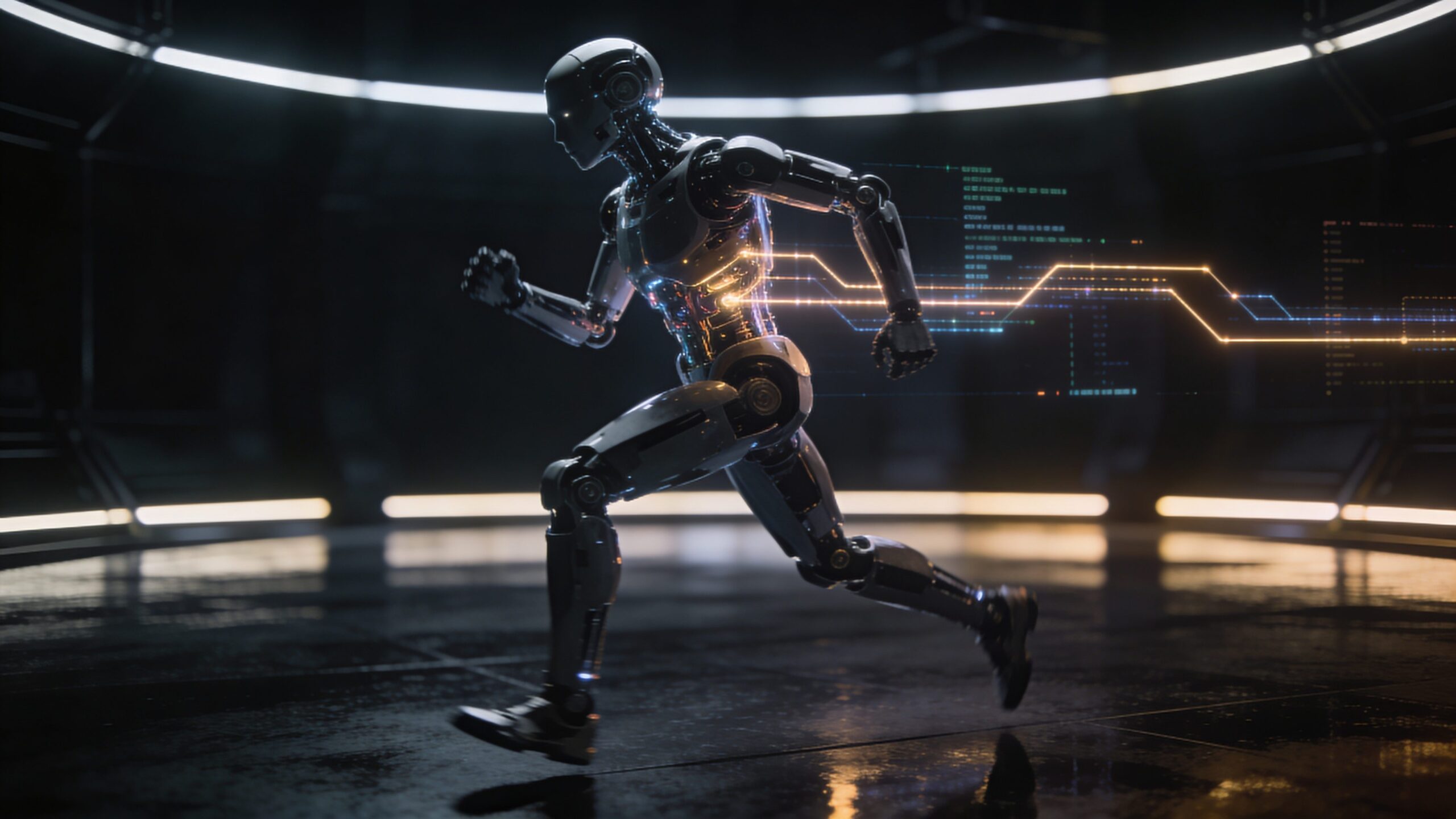
At first glance, a robot’s movement may seem almost magical. A robotic arm glides into position with perfect accuracy, a drone stabilizes itself mid-air, and an autonomous vehicle navigates complex environments with confidence. Behind all of this lies a powerful, invisible system: the robot control system. This system is the bridge between abstract code and physical motion, translating digital instructions into real-world action with remarkable precision. Robot control systems are the true intelligence of any machine. They interpret commands, process sensor data, make decisions, and adjust movements in real time. Without them, robots would be nothing more than static assemblies of metal and circuits. Understanding how these systems work reveals not only the mechanics of robotics but also the incredible synergy between software, electronics, and physics.
A: It is the combination of software, electronics, sensors, and actuators that turns commands into movement.
A: Code sends signals to controllers and motor drivers, which regulate motors, servos, or other actuators.
A: Sensors provide feedback so the robot can measure position, speed, distance, force, and changes around it.
A: Open-loop control does not check the result; closed-loop control uses feedback to adjust motion.
A: PID control helps a robot reach a target smoothly by correcting error over time.
A: Friction, weak batteries, loose gears, sensor noise, poor tuning, or timing errors can all affect motion.
A: Motion planning calculates a safe and efficient path before the robot moves.
A: Simple systems can be beginner-friendly, but precision control requires careful testing, tuning, and safety planning.
A: An actuator is a component that creates motion, such as a motor, servo, solenoid, or pneumatic cylinder.
A: A small wheeled robot is a great starting point because it teaches motors, sensors, power, and basic movement logic.
From Code to Motion: The Big Picture
Every robotic action begins with code. Engineers write instructions that define how a robot should behave, whether it’s picking up an object, navigating a path, or maintaining balance. But code alone cannot move a motor or rotate a joint. That’s where the control system comes in.
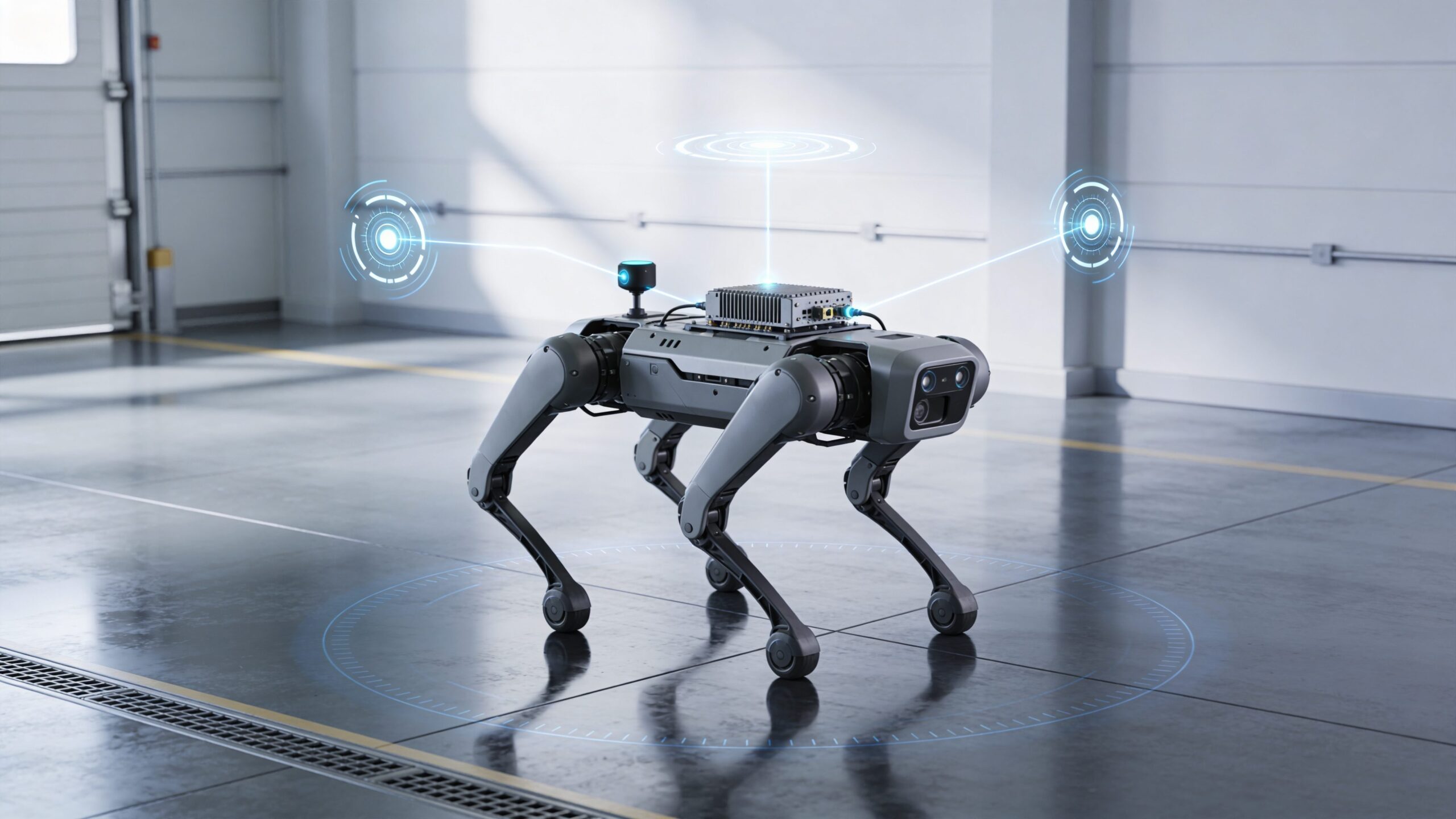
The process starts with a command, which is interpreted by the robot’s controller, often a microcontroller or embedded computer. This controller translates high-level instructions into low-level signals that can drive hardware components. These signals are sent to actuators such as motors or servos, which produce motion. At the same time, sensors continuously monitor the robot’s environment and internal state, feeding data back to the controller. This constant loop of command, action, and feedback is what enables robots to operate with precision and adaptability.
The Role of Sensors: Seeing and Feeling the World
Sensors are the robot’s connection to reality. Without them, a robot would have no awareness of its surroundings or its own movements. Sensors collect data about position, speed, temperature, pressure, and countless other variables, providing the raw information needed for intelligent control. For example, a position sensor can tell a robotic arm exactly where its joints are, while a camera can help a mobile robot recognize obstacles. These inputs are essential for making adjustments on the fly. If a robot detects that it is slightly off course, the control system can immediately correct its trajectory. This responsiveness is what allows robots to function effectively in dynamic environments.
Actuators: Turning Signals into Motion
If sensors provide awareness, actuators provide action. Actuators are the components responsible for moving parts of the robot, whether it’s spinning a wheel, rotating a joint, or gripping an object. They receive electrical signals from the controller and convert them into physical force.
Different types of actuators are used depending on the application. Electric motors are common for precise control, while hydraulic and pneumatic systems are often used for heavy-duty tasks. Regardless of the type, actuators rely on accurate control signals to perform their tasks correctly. Even a small error in the signal can result in noticeable deviations in movement, which is why precise control is so important.
The Power of Feedback Loops
One of the most critical concepts in robotics control systems is the feedback loop. This is the mechanism that allows a robot to adjust its behavior based on real-time data. Instead of simply executing commands blindly, the robot continuously checks its performance against the desired outcome.
A feedback loop works by comparing the target value, such as a desired position, with the actual value measured by sensors. If there is a difference, the control system calculates the necessary correction and adjusts the actuator signals accordingly. This process happens rapidly and repeatedly, enabling smooth and accurate motion.
Feedback loops are what make modern robotics possible. They allow robots to maintain stability, achieve precision, and adapt to unexpected changes. Without feedback, even the most advanced robot would struggle to perform reliably.
Control Algorithms: The Brain of the System
At the heart of every control system lies a set of algorithms that determine how the robot responds to inputs. These algorithms define the rules for processing data, making decisions, and generating outputs. One of the most widely used algorithms in robotics is the PID controller, which balances proportional, integral, and derivative factors to achieve stable control.
Control algorithms can range from simple to highly complex. Basic systems may rely on straightforward rules, while advanced robots use sophisticated models and predictive techniques. Some systems even incorporate machine learning, allowing robots to improve their performance over time. The choice of algorithm has a significant impact on how a robot behaves. A well-designed control algorithm ensures smooth motion, quick response times, and efficient operation, while a poorly designed one can lead to instability and errors.
Real-Time Processing: Speed Matters
In robotics, timing is everything. Control systems must operate in real time, meaning they process data and respond almost instantly. Delays, even fractions of a second, can lead to instability or failure.
Real-time processing is achieved through specialized hardware and software designed for speed and reliability. These systems prioritize critical tasks and ensure that control loops run at consistent intervals. This consistency is essential for maintaining stability and accuracy.
For example, a drone must constantly adjust its motors to stay balanced in the air. If the control system is too slow, the drone could lose stability and crash. Real-time processing ensures that adjustments happen quickly enough to maintain control.
Kinematics and Motion Planning
Before a robot can move, it must understand how its structure translates into motion. This is where kinematics comes into play. Kinematics describes the relationship between a robot’s joints and its position in space, allowing the control system to calculate how to achieve a desired movement.
Motion planning takes this a step further by determining the best path to reach a target. This involves considering factors such as obstacles, efficiency, and safety. The control system uses these calculations to generate smooth and coordinated movements. Together, kinematics and motion planning provide the roadmap for robotic motion. The control system then executes this plan, adjusting as needed based on feedback.
Stability and Precision in Motion
Achieving stability is one of the biggest challenges in robotics. A stable system responds predictably to inputs and resists disturbances, while an unstable system can behave erratically. Control systems are designed to maintain stability through careful tuning and design.
Precision is equally important. Many robotic applications require movements that are accurate to within fractions of a millimeter. This level of precision is achieved through a combination of high-quality sensors, accurate actuators, and well-designed control algorithms.
Balancing stability and precision is a key goal of any robotics engineer. Too much emphasis on one can compromise the other, so control systems must be carefully optimized to achieve both.
The Integration of Hardware and Software
Robot control systems are a perfect example of the interplay between hardware and software. The software defines the logic and behavior, while the hardware executes the commands and interacts with the physical world. Neither can function effectively without the other. This integration requires careful design and coordination. Engineers must ensure that the software is compatible with the hardware and that both are optimized for performance. This often involves testing and refinement to achieve the desired results.
The seamless interaction between hardware and software is what allows robots to perform complex tasks with ease. It is the foundation of modern robotics and a testament to the power of interdisciplinary engineering.
Emerging Trends in Robotics Control
The field of robotics control is constantly evolving. Advances in artificial intelligence and machine learning are enabling new levels of autonomy and adaptability. Robots are becoming more capable of learning from their experiences and improving their performance over time.
Another exciting trend is the use of cloud and edge computing, which allows robots to access powerful processing resources and share data with other systems. This opens up new possibilities for collaboration and scalability.
As technology continues to advance, robotics control systems will become even more sophisticated, enabling new applications and transforming industries around the world.
Why Understanding Control Systems Matters
Understanding how robot control systems work is essential for anyone interested in robotics. Whether you are an engineer, a student, or simply a curious reader, this knowledge provides valuable insight into how modern machines operate.
Control systems are the key to unlocking the full potential of robotics. They enable precision, adaptability, and intelligence, turning simple machines into powerful tools. By understanding these systems, we gain a deeper appreciation for the technology that is shaping our future.