Why “Maker Businesses” Are Winning Right Now
The maker economy is no longer a niche corner of the internet. It’s a real marketplace where small studios compete with big brands by offering something the mass market struggles to deliver: personality, quality, customization, and a story. Buyers want items that feel intentional—products that solve a problem, elevate a space, or make a gift feel meaningful. That shift is why maker businesses can grow fast, even with small teams, limited space, and modest equipment. But “maker business” is a wide label. Some ideas turn into profitable, repeatable systems. Others become exhausting one-off projects that trap you in constant custom work. If you want real income, you need business ideas that match three essentials: demand, margin, and repeatability. Demand means people are already searching and buying. Margin means your prices can cover labor, overhead, and profit. Repeatability means you can make and deliver consistently without burnout. Below are 25 maker business ideas you can start today, each chosen because it can be launched from a home workshop, scaled over time, and marketed clearly. You don’t need to do all of them. You only need one that fits your tools, your style, and your audience.
A: Small, shippable products with personalization and repeatable production steps.
A: No—start with what you have and upgrade only after demand is proven.
A: Validate demand, track true costs, and test pricing with small batches.
A: Start with standardized products, then add customization as an upgrade.
A: Choose one channel you can stay consistent on, then expand after traction.
A: Pick a tight niche, develop a signature style, and improve photography.
A: Many makers see early sales quickly, but consistency builds real income.
A: Underpricing and trying to sell too many different products at once.
A: Raise prices strategically and add bundles or premium upgrades.
A: No—clear offers and the right audience beat a huge, unfocused following.
How to Pick the Right Idea for You
Before you fall in love with an idea, ask one simple question: can you make this ten times in a row without hating it? If the answer is no, it’s not a business idea—it’s a one-time project. Your best maker business idea is the one you can repeat with consistent quality and predictable costs.
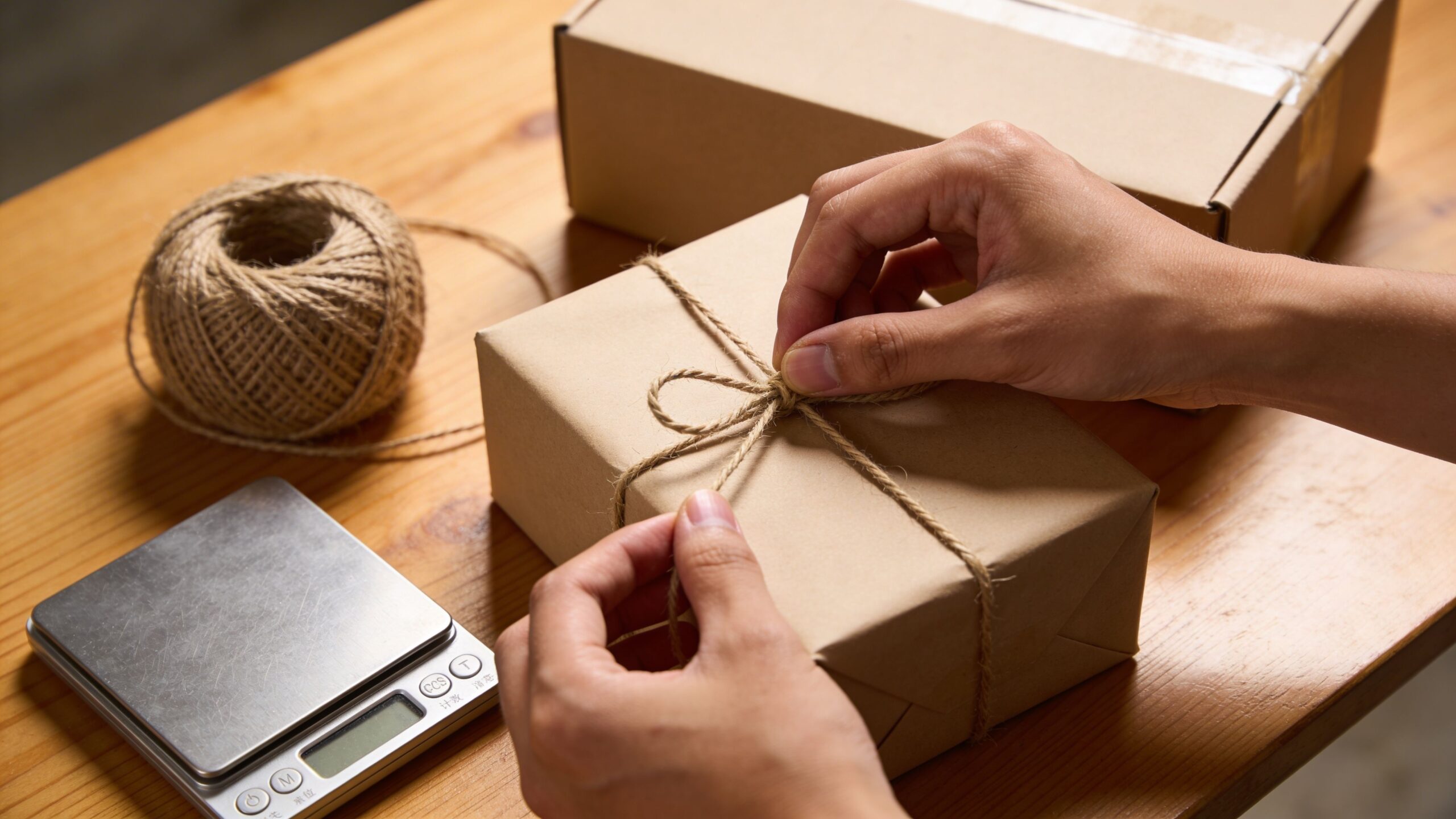
Also consider the “easy to ship” factor. The easier it is to package and mail safely, the more markets you can serve. Finally, look for built-in upgrades: personalization, premium materials, bundles, or add-ons that increase average order value without doubling labor. That’s where profit lives.
1) Personalized Everyday Carry Accessories
Small, practical items like keychains, card holders, wallet inserts, and bag tags sell well because they combine function with emotion. Personalization increases perceived value, and shipping is simple. This business becomes powerful when you standardize the base product and personalize at the final step.
2) Home Organization Products That Look Like Decor
Modern buyers want organization that matches their space. Entryway organizers, shelf systems, desk trays, and drawer inserts can sell year-round, especially when your design style is consistent. The most profitable versions solve a specific “mess problem” with an aesthetic finish.
3) Laser-Engraved Gifts and Keepsakes
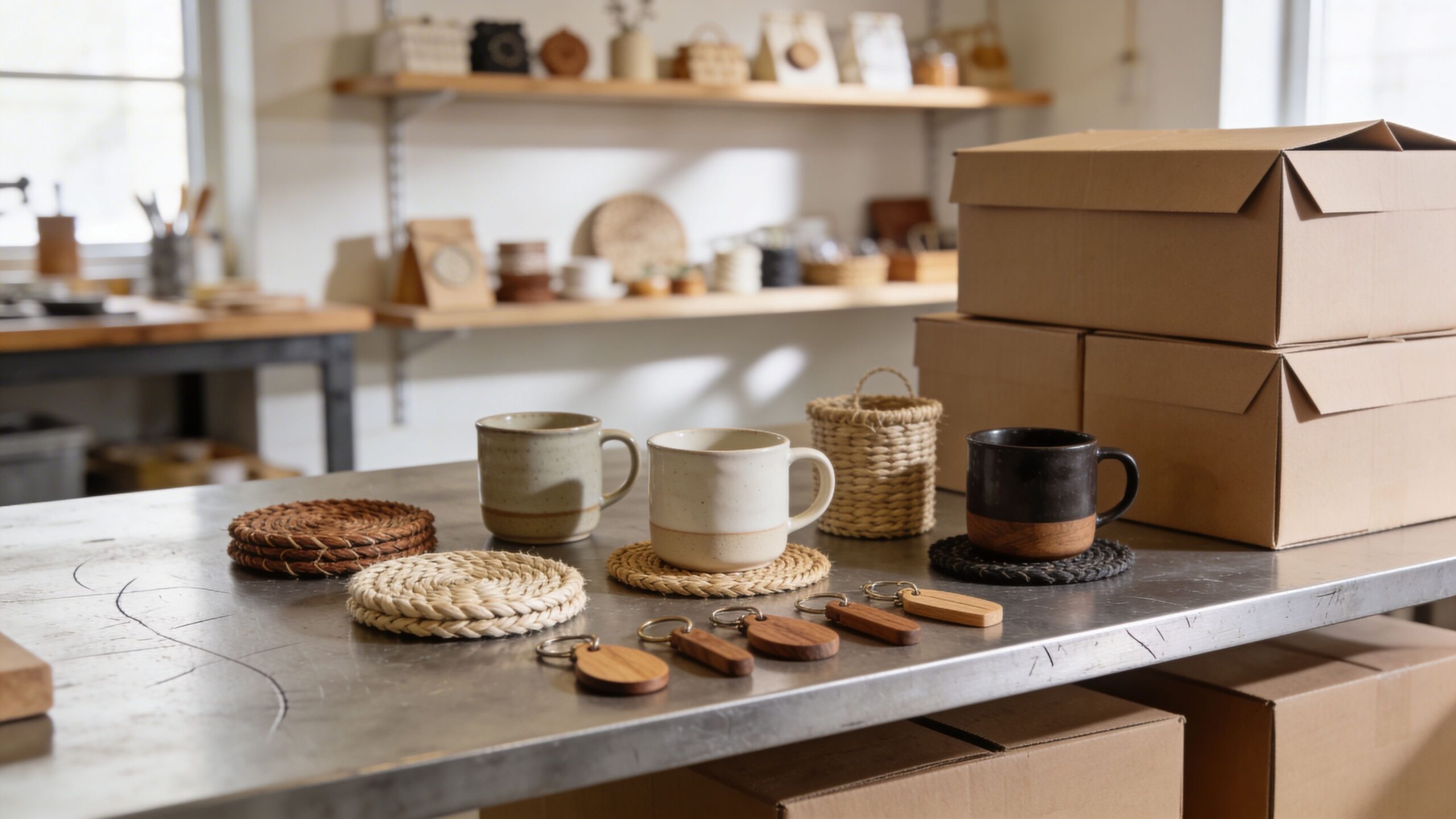
Laser engraving offers speed and customization, which makes it a strong maker business model. You can sell personalized cutting boards, coasters, ornaments, and keepsake boxes without reinventing your product every time. The real advantage is batch production: one design can become dozens of products.
4) 3D Printed Problem-Solvers
The best 3D printing businesses focus on utility rather than novelty. Think mounts, organizers, replacement parts, adapters, and niche accessories. Once a design is proven, production becomes repeatable. Over time, your catalog becomes your competitive edge.
5) Handmade Candles With a Signature Scent Story
Candles remain a strong category when you treat them like a brand, not a commodity. A signature scent profile, premium packaging, and consistent photography can separate you from crowded markets. Repeat purchases are common when customers fall in love with a scent line.
6) Natural Soap and Bath Products
Soap, bath salts, body scrubs, and shower steamers can become a repeat-purchase business when your branding is strong and your product experience feels consistent. Customers love “refill” behavior and seasonal releases, especially when gifting is built into your presentation.
7) Custom Pet Accessories
Pet owners are emotional buyers. Personalized collars, leash holders, name plaques, treat jars, and feeding station upgrades can command premium pricing. The best pet product businesses lean into high-quality materials and clean, modern design.
8) Handmade Jewelry With a Recognizable Style
Jewelry is competitive, but a signature style wins. The most profitable jewelry businesses don’t try to please everyone. They own a design language and build collections that feel cohesive. Repeat customers come when your pieces look like they belong together.
9) Woodworking Desk Accessories
Desk culture is still strong, and makers who create minimalist stands, cable organizers, headphone holders, and monitor risers can sell reliably. These products ship well and photograph beautifully. Premium materials elevate price without greatly increasing complexity.
10) Custom Signs and Name Plaques
Signs remain profitable when they’re modern, clean, and gift-ready. Instead of offering endless styles, create a few signature formats and sell personalization as the upgrade. Weddings, nurseries, and new homes keep this category alive year-round.
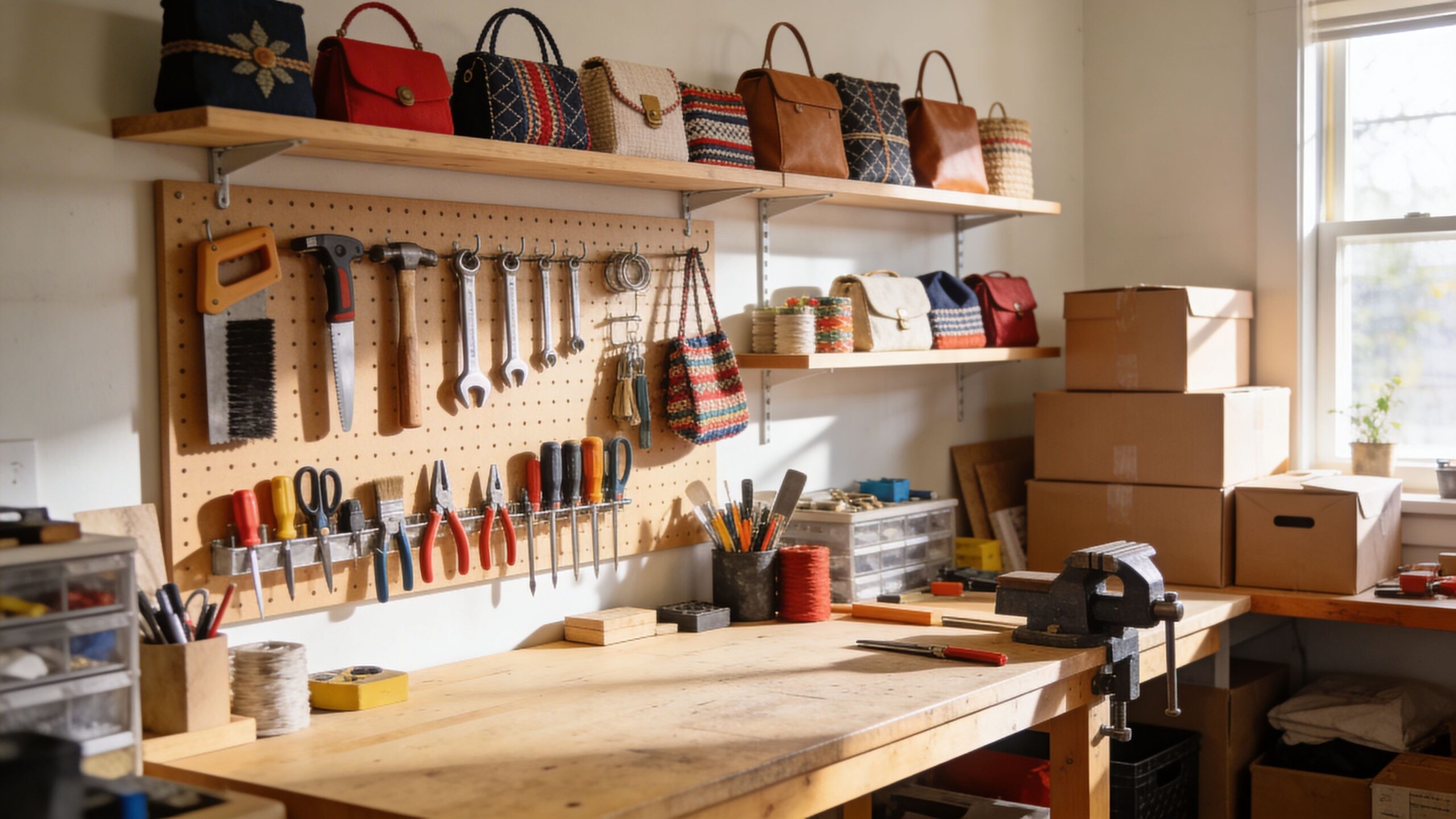
11) Workshop and Garage Organization
Tool storage, wall racks, battery holders, and modular storage systems are often overlooked niches with dedicated buyers. These customers care about function and durability, and they’re willing to pay for solutions that fit specific tools and spaces.
12) Home Coffee and Bar Accessories
Makers can do well with coffee stations, syrup stands, espresso tool holders, and bar carts accessories. This niche is visual and lifestyle-driven, which helps marketing. With a consistent design aesthetic, you can build a collectible product line.
13) Custom Apparel Add-Ons
Rather than competing with fast fashion, focus on accessories: hats, patches, embroidered items, or small-batch branded workwear. This category works best when you build a vibe and a community, not just a product.
14) Digital Products for Makers
If you design patterns, templates, plans, or files, digital products can become high-margin income with no shipping. Many makers build physical goods first, then add digital products to create a second revenue stream that scales.
15) DIY Kits With Everything Included
DIY kits sell because customers want the satisfaction of making something without hunting for supplies. Kits can be packaged beautifully, priced for margin, and marketed as gifts. The best kits are simple, beginner-friendly, and visually rewarding.
16) Upcycled and Refurbished Home Decor
Upcycling can be profitable when you create a consistent look. Think restored stools, refinished shelves, or modernized vintage pieces. The challenge is sourcing and shipping, but local sales can make this a strong business in the right market.
17) Small-Batch Furniture for Small Spaces
Small-space furniture—like compact shelves, side tables, or wall-mounted organizers—has ongoing demand. Profit comes from standardized designs and efficient production, not fully custom builds. If you can template your cuts and finishes, you can scale.
18) Resin and Acrylic Accessories
Resin products can sell well when they’re refined and modern: trays, jewelry, coasters, or decorative accents. The key is controlled design and clean finishing. Product photography matters heavily here because customers buy based on visual impact.
19) Seasonal Decor With a Modern Twist
Seasonal sells, but the best maker businesses avoid one-time holiday chaos by offering consistent “seasonal editions” within a stable brand style. Ornaments, wreath accents, tabletop decor, and gift sets can generate predictable spikes.
20) Custom Packaging and Branding for Small Businesses
Makers who can create branded stamps, engraved packaging elements, labels, or small signage can serve other small businesses. B2B orders can stabilize income once you earn trust, and repeat clients are common.
21) Repair and Restoration Services
If you’re skilled at fixing furniture, tools, or household items, repair services can be profitable, especially locally. Many people prefer repair over replacement, and good repair work generates referrals quickly.
22) Micro-Workshops and Classes
Teaching can turn your skill into a scalable service. Workshops, private classes, and group sessions bring income without inventory risk. This model works well if you’re comfortable presenting and can create repeatable lesson formats.
23) Subscription Boxes and Monthly Drops
Subscription models create predictable revenue, especially for consumables or collectible items. The key is making sure your product can be produced consistently on schedule. A small monthly drop can feel exclusive and manageable.
24) Custom Event Products
Weddings, corporate gifts, and events create demand for personalized favors and decor. The best strategy is offering a limited menu of high-margin options with clear turnaround times, rather than open-ended customization.
25) Niche Accessories for Hobbies and Communities
The strongest maker businesses often serve a specific community: tabletop gaming, camping, cycling, photography, crafts, or home gym enthusiasts. Communities share recommendations, which can accelerate growth. If you build products that solve their specific needs, marketing becomes far easier.
Turning an Idea Into Income Fast
Once you choose an idea, your next step is to build a small “proof product” line rather than a giant catalog. Launch with one flagship product and a couple of upgrades. Price it for profit. Photograph it professionally. Then market consistently for a few weeks and track what resonates. The market will tell you what to expand.
Full-time success comes from focus. Most makers don’t fail because they can’t create. They fail because they try to sell too many things at once and never build a clear identity. Pick a lane, become known for it, and build depth.
The Bottom Line
You can start a profitable maker business today with tools you already have—if you choose an idea that sells, build a repeatable product line, and treat your craft like a brand. The best maker businesses aren’t built on endless hustle. They’re built on clarity, systems, and the confidence to charge what the work is worth.