The Opportunity in 3D Printing
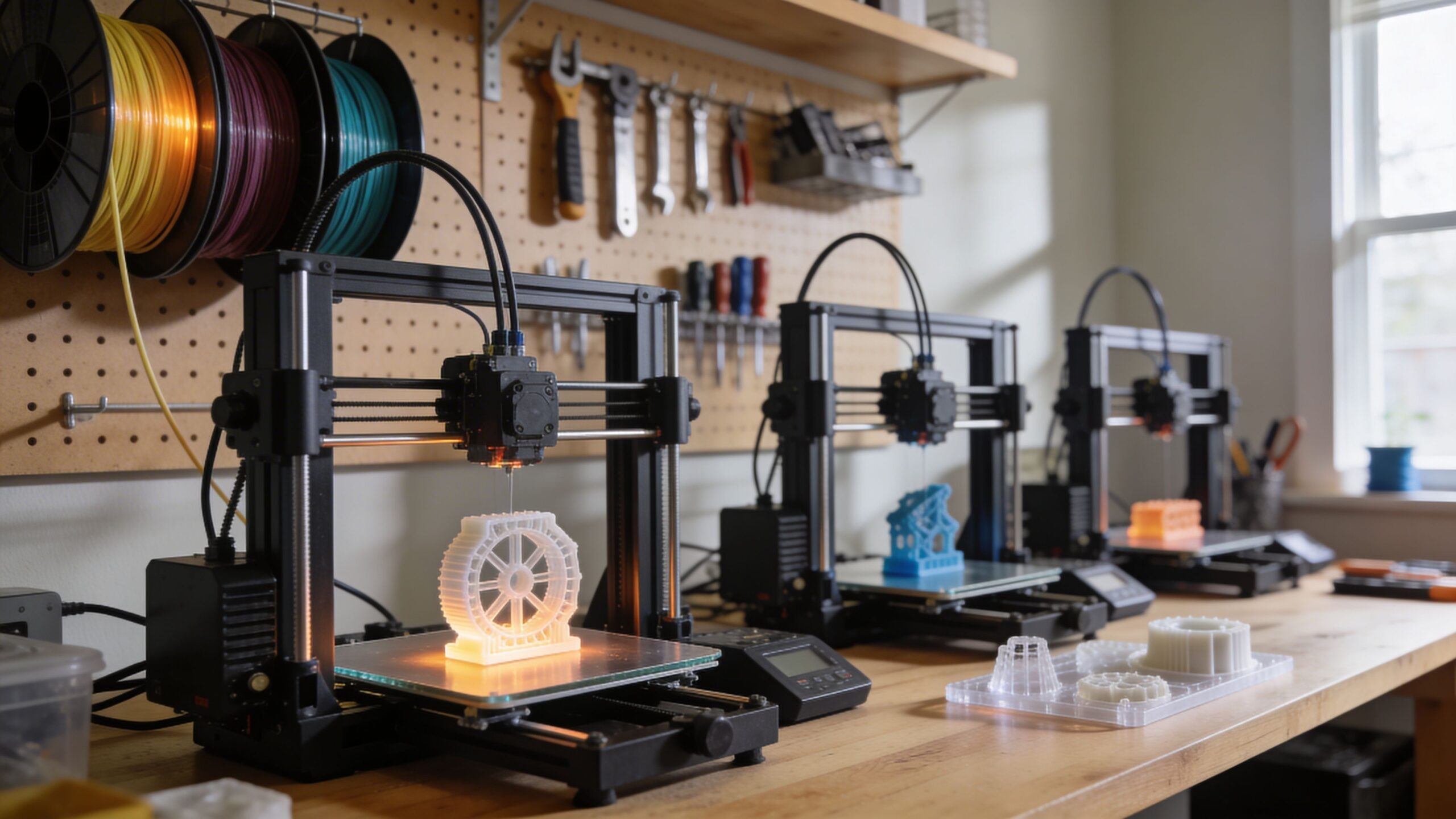
Starting a 3D printing business has never been more accessible. What once required industrial machinery and massive capital investment can now begin on a sturdy desk in your garage or spare bedroom. Desktop printers are affordable, materials are widely available, and online marketplaces connect creators directly to customers around the world. This combination of low barrier to entry and global reach makes 3D printing one of the most exciting maker startup opportunities available today. But opportunity alone does not create profit. A successful 3D printing business requires more than technical skill. It demands strategic niche selection, disciplined pricing, strong branding, and a clear growth plan. This guide will walk you step by step through the fundamentals of launching a profitable 3D printing startup, even if you are beginning with only one machine.
A: Many begin under $1,000 depending on equipment choices.
A: Yes with strong niche focus and pricing discipline.
A: Helpful but not required for print-on-demand services.
A: Many see traction within months with consistent marketing.
A: PLA is affordable and easy to print.
A: Yes with proper ventilation and electrical planning.
A: Yes for high-margin recurring revenue.
A: Business liability insurance is recommended.
A: Target niche communities and local businesses.
A: Underpricing and ignoring marketing.
Choosing the Right Niche
The biggest mistake new entrepreneurs make is trying to print everything for everyone. A focused niche builds authority, simplifies marketing, and allows you to command higher prices. Instead of advertising “custom 3D printing services,” position yourself as the specialist in something specific.
Profitable niches often include tabletop gaming accessories, cosplay props, replacement parts for discontinued products, home organization tools, educational STEM models, custom automotive accessories, and small-batch product prototypes. The key is solving a real problem. Customers pay for convenience, customization, and hard-to-find solutions.
Research demand before you commit. Browse online marketplaces, analyze trending searches, read product reviews, and look for complaints. Complaints reveal opportunity. If customers are frustrated with fragile parts, long shipping times, or limited customization, you have found a gap.
Understanding Your Business Model
A 3D printing business can operate in multiple ways. You may sell ready-made products, offer print-on-demand services, create custom design work, or combine physical products with digital STL file sales. Each model has different profit margins and time commitments.
Selling physical products offers strong branding potential but requires inventory management. Print-on-demand services eliminate inventory but demand excellent communication and design skills. Selling digital files provides high margins with no shipping costs but requires intellectual property awareness and strong marketing. Many successful startups begin with physical products to build credibility, then expand into digital designs for recurring revenue.
Calculating Startup Costs
One of the advantages of a 3D printing business is its manageable startup investment. A reliable printer, quality filament, basic tools, and safety equipment are your core expenses. Beyond hardware, you must account for software, maintenance parts, electricity, workspace improvements, packaging materials, and marketing.
Do not underestimate consumables. Filament cost, failed prints, nozzle replacements, and maintenance add up. Track every expense from day one. Understanding your real cost per print ensures you do not underprice your work.
A modest startup can begin with one printer and a small material inventory, but profitability depends on disciplined cost management.
Pricing for Profit
Pricing is where many beginners struggle. Charging based only on filament cost is a critical error. You must factor in machine time, electricity, labor, packaging, platform fees, marketing expenses, and a profit margin.
Machine time is valuable. A printer running for 12 hours is occupying a production asset. Even if you are not physically present, your equipment is working. Assign a clear hourly machine rate and include it in every quote. Research competitors, but do not race to the bottom. Customers seeking the cheapest option are rarely loyal. Position your brand around quality, reliability, and service. A well-defined niche allows premium pricing.
Setting Up Your Workspace
Your workspace affects productivity, quality control, and scalability. Even a small operation should be organized, ventilated, and safe. Proper airflow reduces fumes and maintains print consistency. Stable surfaces reduce vibration and failed prints.
Organize filament by type and color. Keep tools accessible. Develop a clean post-processing area for sanding, finishing, and packaging. Efficiency in workflow reduces turnaround time and increases capacity.
As demand grows, your layout should evolve. Many successful 3D printing businesses expand gradually, adding printers and creating a mini production line.
Mastering Quality Control
Quality is your reputation. Inconsistent layer adhesion, visible defects, poor finishing, or inaccurate dimensions damage credibility quickly. Develop standard print profiles for different materials. Test thoroughly before listing products for sale.
Inspect every item before shipping. Even small imperfections matter. Customers buying handmade or small-batch products expect professional results. Consistency builds trust. Trust builds repeat customers.
Building Your Brand
Branding is more than a logo. It is your positioning, voice, and customer promise. A clear brand identity differentiates you in a crowded market. Are you the precision engineer? The creative designer? The practical problem-solver?
Your website, product descriptions, packaging, and social media should communicate a consistent message. Professional photography dramatically increases perceived value. Customers cannot touch your product online, so visuals must do the work.
Storytelling is powerful. Share your journey, your workshop, and your process. Transparency builds connection and loyalty.
Marketing Your 3D Printing Business
Marketing drives visibility. Without it, even the best products remain undiscovered. Start with one or two channels and master them before expanding.
Search engine optimization helps your products appear in organic search results. Use clear keywords in titles and descriptions. Answer common questions within your content. Educational blog posts can position you as an authority while attracting traffic.
Social platforms offer visual storytelling opportunities. Short behind-the-scenes videos of prints in progress often perform well. Demonstrations show functionality and craftsmanship.
Email marketing builds long-term customer relationships. Even a small list can generate repeat sales when nurtured properly.
Managing Orders and Customer Experience
A smooth customer experience sets you apart. Respond quickly to inquiries. Provide clear timelines. Set realistic expectations about production times.
Communication is critical for custom projects. Confirm specifications in writing. Offer digital previews when possible. Transparent processes reduce misunderstandings.
Packaging matters. A carefully packed product reinforces professionalism and reduces damage risk. A simple thank-you note can encourage repeat purchases.
Legal and Intellectual Property Considerations
As your business grows, protect yourself. Register your business entity, obtain necessary licenses, and understand local regulations. Maintain proper tax documentation.
Intellectual property awareness is especially important in 3D printing. Do not reproduce copyrighted characters or patented designs without permission. Create original work or secure proper licensing. Protect your own designs as well. Watermark digital previews and include clear usage terms when selling STL files.
Scaling Smart
Growth should be intentional. Adding printers increases capacity but also maintenance responsibilities. Before scaling hardware, ensure consistent demand and stable cash flow.
Consider automation tools for order management and invoicing. Explore partnerships with local businesses or niche communities. Diversifying product lines can increase average order value without significantly increasing complexity.
Reinvest profits strategically. Upgrade equipment only when demand justifies expansion.
Diversifying Revenue Streams
A resilient 3D printing business rarely relies on one product. Explore complementary opportunities such as selling digital files, offering workshops, teaching online courses, or creating subscription-based product drops.
Recurring revenue stabilizes cash flow and reduces reliance on constant new customer acquisition.
Avoiding Common Beginner Mistakes
Many beginners underestimate marketing and overestimate immediate demand. Others price too low or ignore quality control. Some invest heavily in equipment without validating product demand first.
Start lean. Validate ideas quickly. Improve continuously. Focus on customer satisfaction over perfection. A disciplined approach separates sustainable businesses from short-lived experiments.
The Long-Term Vision
A 3D printing business can evolve beyond a side hustle. It can become a micro-manufacturing brand, a design studio, or even a product development company. The technology is adaptable, and innovation opportunities continue to grow.
The most successful entrepreneurs treat their 3D printing startup as a real business from day one. They track numbers, refine strategy, invest in branding, and think long term.
With focus, discipline, and creativity, your printer can become more than a machine. It can become the foundation of a scalable maker enterprise.