Choose a Craft You Can Finish and Put to Work
A useful first craft needs a clear job and a manageable technique. The thirty-five ideas below include paper folding, simple stitching, braiding, air-dry clay, printing, and small household repairs, so you can choose something that fits the tools you already have. Each idea names a material, explains the basic construction, and points out a detail worth checking before making more. These are project starting points rather than complete patterns, and drying or curing time still follows the particular product’s instructions. If you have only a short session, choose a folded paper item, cord keeper, or basic repair. Choose a larger sewn or clay project when you can allow the extra work and finishing time. Begin with one object you expect to use this week.
A: Paper folding, simple card binding, knotting, clay shaping, and several repairs can be done with suitable hand tools.
A: Try a small notepad, bookmark, drawer divider sample, or reusable gift tag.
A: Drying and any finishing stages must be completed before normal use.
A: Choose an item whose required material and technique already fit what you have.
A: A covering can improve comfort but should not conceal or substitute for a structural repair.
A: A suitable button replacement or visible patch applies a small technique to an existing garment.
A: Identify the actual daily job first, then choose a construction that solves it.
A: Do not assume so; keep it within the uses supported by the complete material system.
A: Complete and test one sample, including its finishing and care needs, before making a set.
A: Provide the care, replacement, or use information the recipient needs to keep it working.
Start With Small Desk and Entryway Fixes
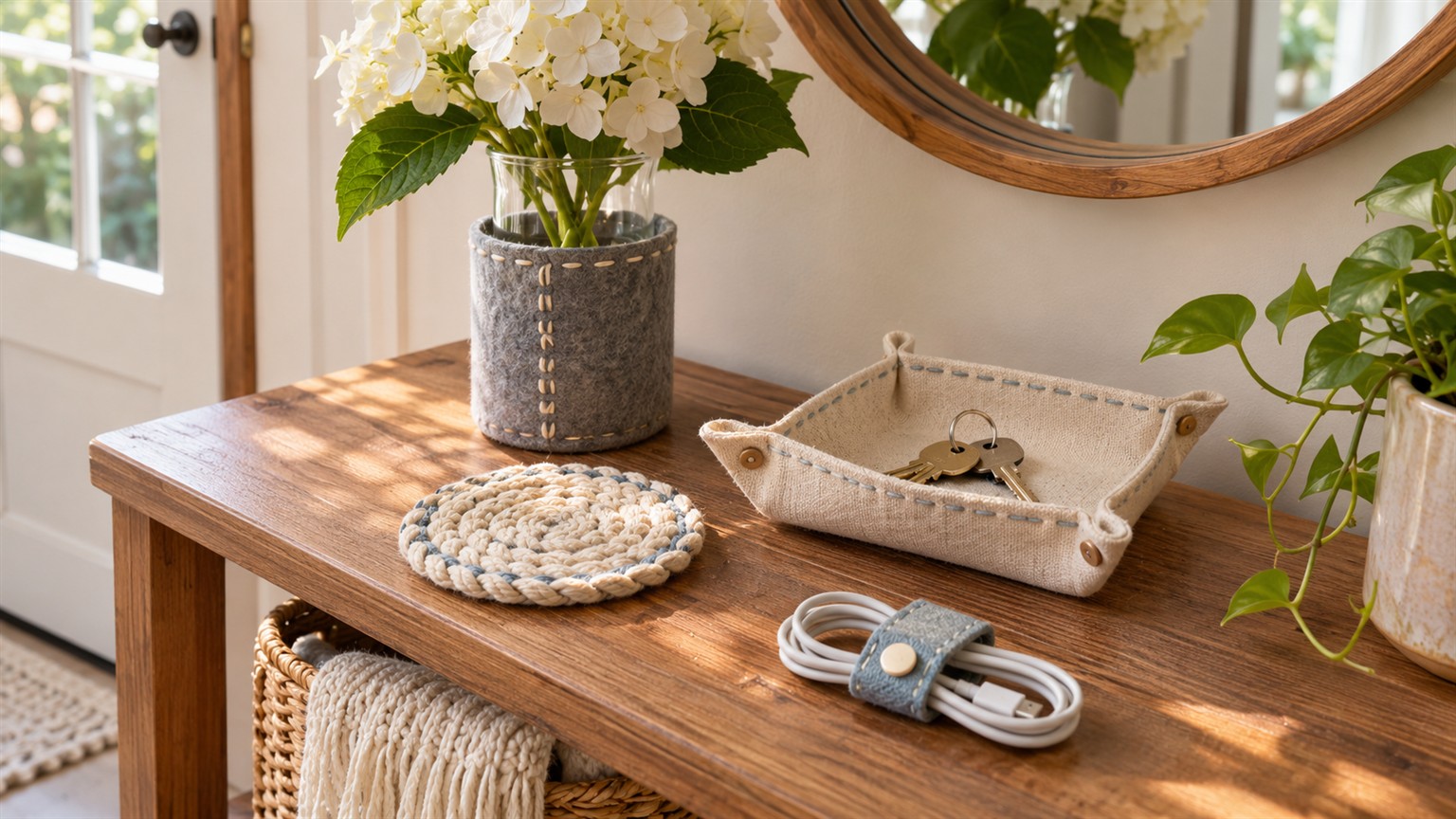
1. Fabric key tray
Cut a sturdy fabric square and turn up its corners with small stitched folds. Make the first version around the keys or glasses it will hold. Test it on the console before adding decoration, since shallow sides and a stable base matter more than elaborate trim.
2. Felt cord keeper
Wrap a short felt strip around a loosely coiled cable and mark where a snap or suitable closure should meet. Leave space near the connectors so the cable is not bent sharply. Round the strip’s corners if they catch on the inside of your bag.
3. Cork-backed desk coaster
Cut a cork base and cover its upper face with a neatly finished fabric layer using a compatible adhesive. Keep the underside flat so a drinking glass rests steadily. Let the bond cure fully, then test it with a cool drink before making a matching set.
Fold and Bind Useful Paper Objects
4. Corner bookmark
Fold a square of paper into a thin triangular pocket that slips over a page corner. Try it on an ordinary book before using it with delicate paper. Keep the inside free of wet glue and bulky decoration that could crease or mark the page.
5. Scrap-paper notepad
Trim clean paper offcuts to a matching size and sandwich them between two card covers. Bind one edge with an appropriate simple method, such as a small punched-and-tied binding. Check that the pages turn comfortably and that the binding cannot scratch the surface where the pad rests.
6. Folded gift box
Use sturdy paper or thin card for a small lidded box, practicing the folds with scrap first. Allow clearance between the lid and base rather than making two identical sizes. A successful sample can become the reference for packaging lightweight gifts without buying a separate box.
7. Cardboard drawer divider
Measure a shallow drawer and cut interlocking strips of sound card to separate its actual contents. Test the slots before wrapping the strips with decorative paper. Keep the dividers removable so the drawer can be cleaned and the arrangement changed when the contents change.
8. Accordion receipt wallet
Fold a strong paper strip into pockets and add a simple cover that closes around the filled shape. Size it for the receipts or small documents you actually keep. A lightweight closure should hold the cover without crushing the folded pockets flat.
Practice Straightforward Sewing
9. Scrunchie
Stitch a fabric tube, turn it right side out, and thread suitable elastic through it before closing the ends securely. Test the elastic loop before completing the fabric seam. A smooth washable remnant makes the construction easier to handle than slippery or heavily fraying cloth.
10. Envelope cushion cover
Measure an existing cushion and make a cover whose overlapping back panels provide the opening. Include the seam allowances when cutting the pieces. Try removing the insert once after sewing; a washable cover earns its usefulness through accessible cleaning as well as appearance.
11. Soft glasses sleeve
Sew a padded pocket with a smooth lining around the dimensions of the actual glasses. Leave enough width for the hinges to pass without catching. This is light surface protection for careful handling, so choose an appropriate rigid case when crush resistance is required.
12. Cloth napkins
Turn and stitch the edges of suitable washable fabric, keeping the corners as flat as you can. Launder one completed napkin according to the material’s care instructions before cutting a larger set. That sample reveals shrinkage, fraying, and whether the chosen cloth feels pleasant in use.
Explore Braiding, Knotting, and Yarn
13. Braided cotton key fob
Braid suitable cord or fabric strips into a short loop attached securely to a key ring. Keep the finished loop compact enough not to snag during ordinary use. Check the end attachment repeatedly before trusting it with keys, rather than relying on the braid’s appearance.
14. Macrame plant-pot hanger
Learn a simple knot arrangement using appropriate cord around a separate pot before choosing the final hanging location. Check that the pot cannot slip through the supporting pattern. The cord, attachment, and overhead support must all suit the filled load, including water.
15. Woven yarn coaster
Make a small card loom and weave a simple flat square with washable yarn. Finish the edges so the weaving cannot unravel when handled. Test the cooled finished piece beneath a drinking glass; treat decorative woven coasters separately from products intended to protect against hot cookware.
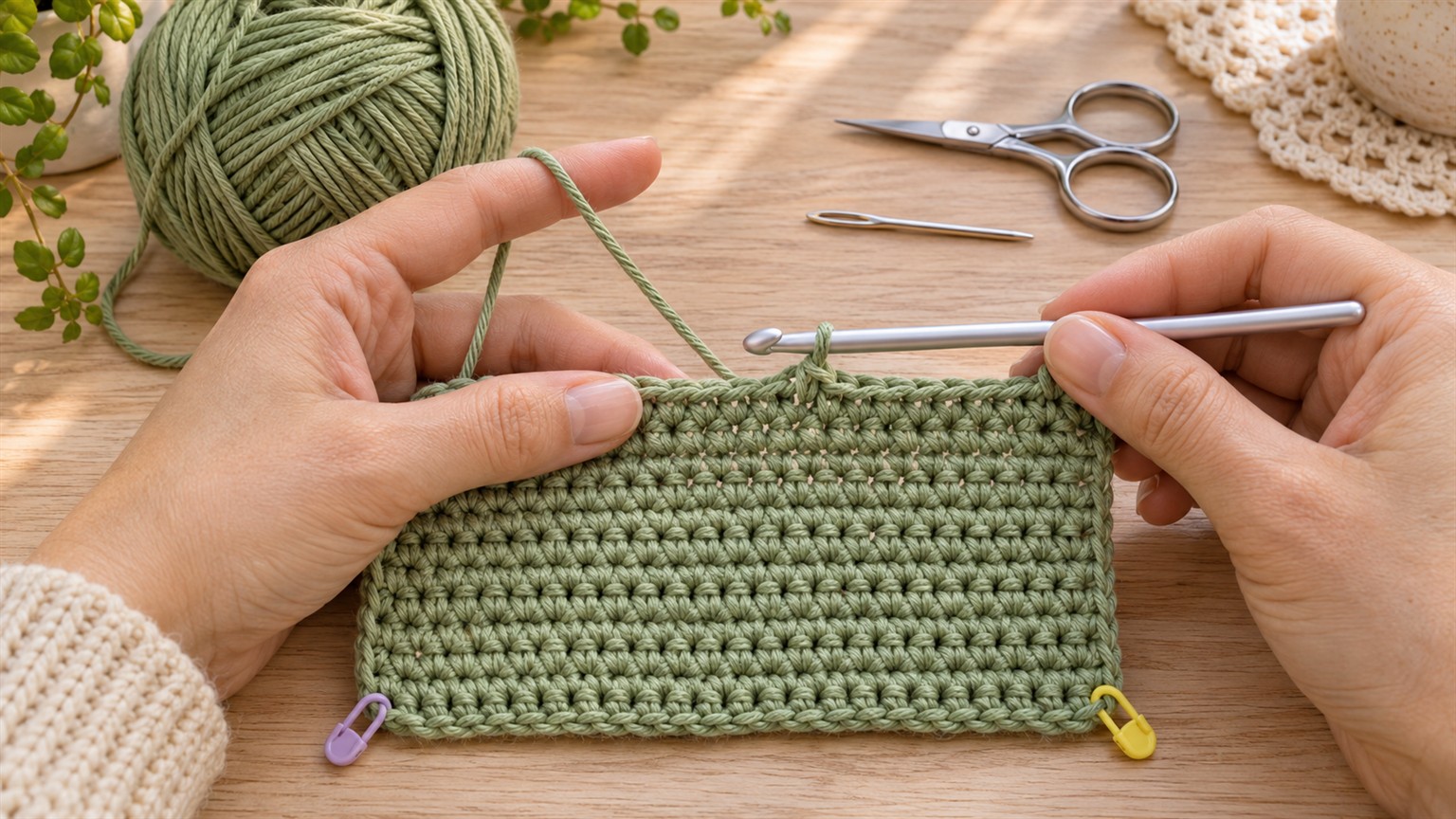
16. Crochet practice cloth
Use smooth cotton to work a small rectangle in a stitch you are learning. Mark both row edges and maintain the same stitch count across the piece. Finish the ends securely and follow the yarn’s care instructions before judging how the fabric behaves in use.
17. Knotted zipper pull
Add a short loop of suitable cord to a zipper slider that already has an accessible attachment hole. Choose a compact knot that remains comfortable to grasp. Test it through the zipper’s full movement and remove it if it catches on fabric or interferes with closure.
18. Braided basket handle wrap
Cover a sound but uncomfortable handle with a removable braided or wrapped textile grip. Keep the attachment ends tidy and test whether the wrap rotates in the hand. Repair a damaged load-bearing handle separately; a soft covering should not conceal structural weakness.
Shape Clay and Cork for Small Storage Jobs
19. Air-dry clay ring dish
Shape a shallow dish for dry jewelry using the clay supplier’s thickness and drying guidance. Smooth its underside so it will not scratch the table. Keep the finished object for suitable decorative storage; a surface coating does not automatically make air-dry clay waterproof or food-safe.
20. Clay cable rest
Form a small weighted rest with a groove that holds a disconnected cable end within reach. Use a scrap piece of matching diameter to plan the groove clearance. Let the clay dry fully before testing the fit, since the final dimensions may change during drying.
21. Cork reminder board
Fit a sound cork sheet into a small suitable frame and secure it with a backing designed for the assembly. Check the full thickness against the pins you intend to use. Mount the board appropriately and keep pin points from reaching an unprotected wall or hand.
22. Clay place-card holder
Make a broad-based clay shape with a slot for a small card. Test the slot using scrap card while allowing for the material’s drying behavior. A low center of mass and adequate base help the finished holder stay upright when a guest moves the table.
23. Cork plant-pot feet
Cut matching cork pads to lift a suitable outer planter slightly from a protected surface. Check that the pads support it evenly without rocking. They provide spacing rather than a waterproof barrier, so inspect for trapped moisture and use a separate appropriate tray where needed.
Repair and Reuse Everyday Objects
24. Visible clothing patch
Choose a compatible fabric patch for a worn garment area and secure it with an appropriate stitch. Support the sound surrounding fabric rather than stitching only into the weakened hole. Check stretch and laundering needs before choosing the patch, especially on a garment that moves closely with the body.
25. Recovered button repair
Replace a missing button with a suitable spare and match its size to the buttonhole. Reproduce the fastening arrangement needed by that garment without pulling the fabric into a pucker. Try the closure several times before securing the thread ends and returning the garment to wear.
26. Decorated storage tin
Reuse a clean container with a sound lid and smooth edges for small dry supplies. Cover or decorate only surfaces that do not interfere with its closure. Avoid a container with rust, sharp damage, or unknown residues that make it unsuitable for the proposed contents.
27. Recovered-frame memo display
Use a sound empty frame with an appropriate backing or a securely attached cord arrangement for lightweight paper reminders. Plan how the frame will stand or hang before adding decorations. Check that the assembly holds its intended contents without loose sharp hardware at the back.
28. Removable jar vase sleeve
Fit a fabric or paper sleeve around a smooth-edged watertight jar used as a vase. Keep the covering removable so the vessel can be washed and leaks noticed. Allow adhesives to cure and avoid trapping a wet absorbent layer against a moisture-sensitive tabletop.
29. Washable dusting cloths
Cut suitable clean fabric into convenient hand-sized pieces and finish edges that would otherwise fray. Separate cloths intended for different cleaning products or surfaces. A small colored edge or distinct shape can identify their jobs without requiring printed labels on every piece.
30. Refinished wooden pencil block
Start with a sound existing block whose holes already fit the pencils, then smooth rough surfaces and apply a compatible finish if needed. Keep debris and coating buildup out of the holes. Allow the finish to cure as directed before placing it against stationery or furniture.
Make Gifts That Remain Useful
31. Reusable wrapping square
Hem a fabric square and practice a wrapping method around the actual gift. Check the tie and coverage before deciding the final size. Include a short care instruction so the recipient can reuse the cloth rather than treating it as disposable presentation material.
32. Simple refillable notebook cover
Fold or sew a cover around a common notebook size, leaving enough clearance to replace the insert. Check the fit with the notebook open as well as closed. A cover that bends comfortably and releases its worn-out insert has a useful life beyond the first set of pages.
33. Hand-printed tea towel
Practice a simple stamp on scrap before printing a suitable washable towel with compatible textile ink. Follow the ink’s curing or setting directions for that fabric. Check the first towel through the recommended laundering process before making a gift set with the same method.
34. Small needle book
Sew a compact fabric cover around suitable felt pages for storing a few hand-sewing needles. Keep the needles contained so their points cannot pierce the exterior during handling. Choose a closure that remains secure in a sewing bag and makes the contents easy to inspect.
35. Reusable paper gift tags
Make sturdy card tags with a replaceable insert or a design that can be used on more than one occasion. Punch a clean attachment hole away from a weak edge. Keep decorative elements light so the tag can survive handling and storage between gifts.
Finish One Sample Before Making a Set
Choose the project that fits your tools, materials, and available attention, then complete one version all the way through its finishing and ordinary-use check. A clay item has drying time even when shaping is quick, and a sewn gift needs its seams and closure tested before presentation. Record only the dimensions or choices you would need to repeat the result. If the first version fits and works, make another; if it does not, correct the specific awkward detail before multiplying the design. A useful craft earns its place through the job it performs after the making session is over.