Getting Started with Acrylic Painting
Acrylic painting is one of the most accessible and rewarding ways to begin your artistic journey. Known for its versatility, fast drying time, and vibrant color payoff, acrylic paint allows beginners to explore a wide range of techniques without the steep learning curve of more traditional mediums. Whether your goal is to create bold abstract pieces, lifelike portraits, or calming landscapes, acrylics offer a flexible foundation to grow your skills. Unlike oils, which can take days to dry, or watercolors, which demand careful control of water flow, acrylics strike a balance between structure and freedom. They can be used thick like oils or diluted for watercolor-like effects. This adaptability makes them perfect for beginners who want to experiment while still achieving professional-looking results.
A: Yes, acrylics are versatile, forgiving, fast-drying, and easy to layer or correct.
A: Start with a basic set of primaries, black, and white so you can learn mixing fundamentals.
A: Acrylics are water-based and designed to dry quickly, especially in warm or dry rooms.
A: Yes, but use it carefully—too much water can weaken coverage and reduce binder strength.
A: Work in small areas, use a damp brush, and consider a blending or slow-dry medium.
A: Primed canvas panels or acrylic paper are affordable, easy to use, and widely available.
A: Let the area dry, then paint over it with a fresh layer and rebuild the shape or color.
A: You may be overmixing, using dirty brushes, or combining too many unrelated pigments.
A: No, a few decent synthetic flats and rounds are enough for strong beginner practice.
A: Practice small studies regularly, focus on values and color mixing, and finish simple paintings often.
Understanding Your Essential Materials
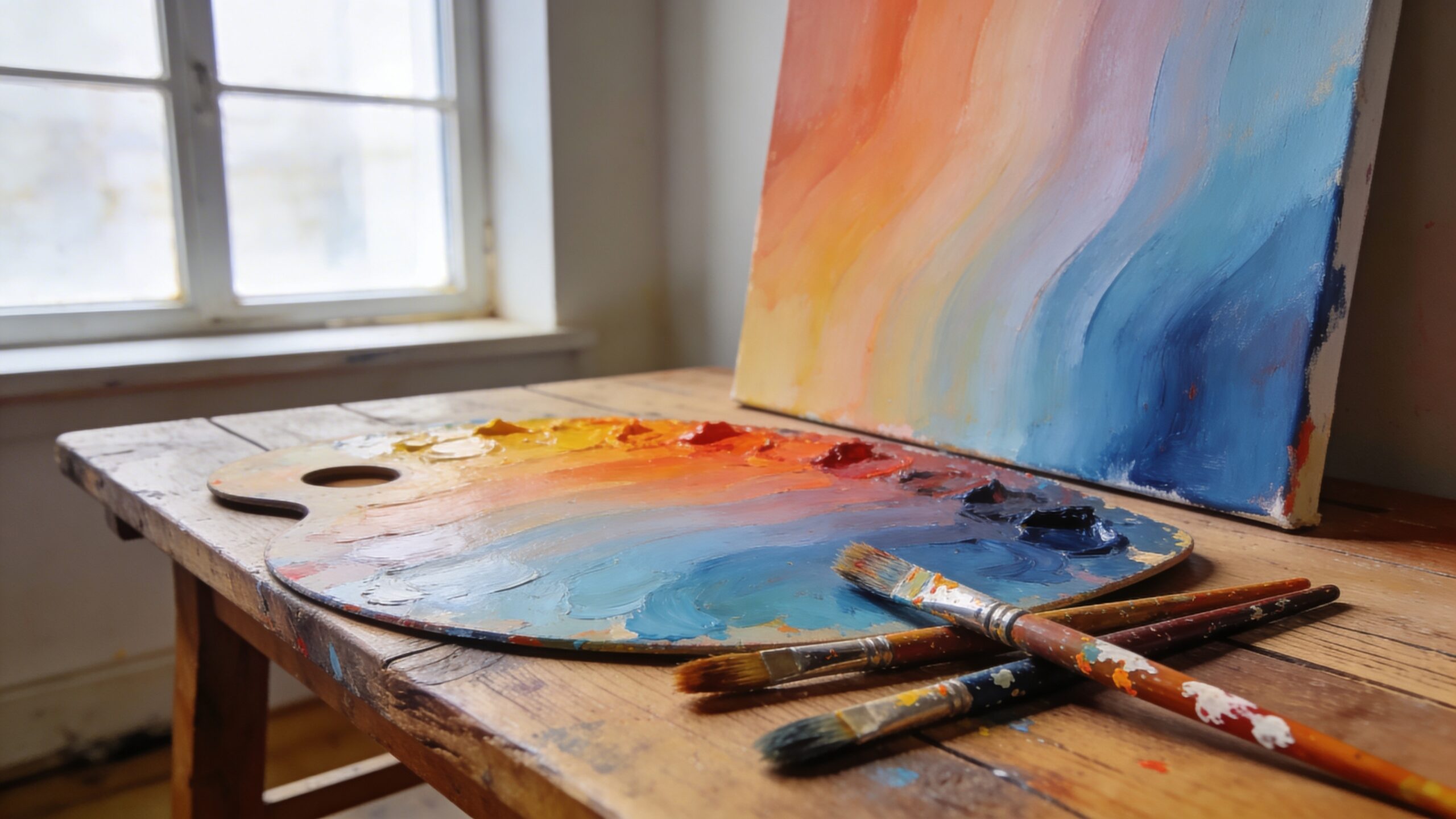
Before diving into techniques, it’s important to understand the basic tools that will shape your painting experience. Acrylic paint comes in a wide variety of colors and consistencies, but beginners should start with a limited palette of primary colors, black, and white. This encourages learning color mixing while keeping your setup simple and manageable.
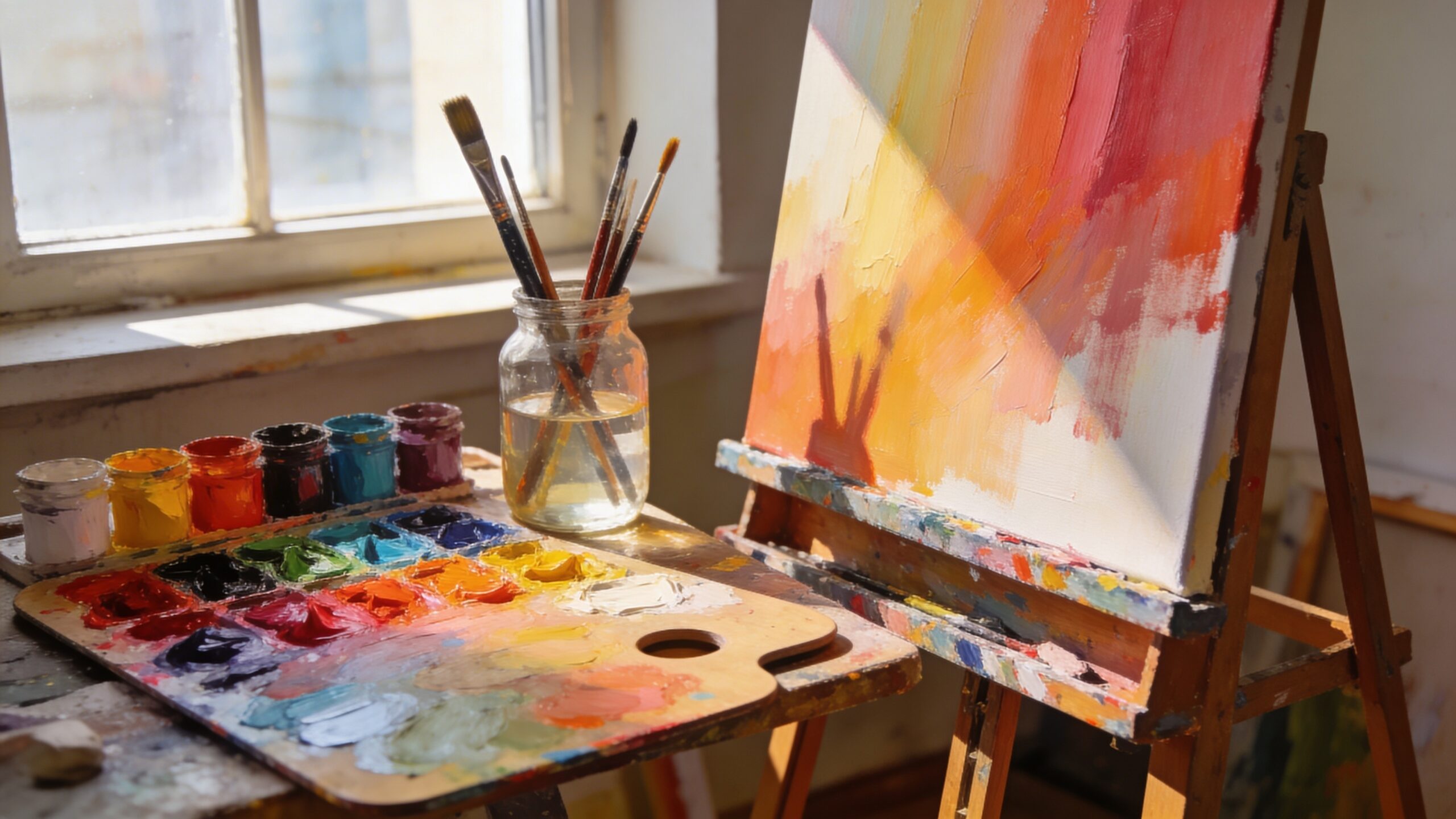
Brushes are equally important. Flat brushes are ideal for broad strokes and backgrounds, while round brushes offer precision for details. A sturdy canvas or acrylic paper provides the surface for your work, and a palette—whether disposable or reusable—helps you organize your colors. A container of clean water and a cloth or paper towel complete your basic setup, ensuring your brushes stay in good condition throughout the process.
Preparing Your Workspace for Success
A well-organized workspace can make a significant difference in how smoothly your painting sessions unfold. Acrylics dry quickly, so having everything within reach allows you to work efficiently without interruptions. Arrange your paints, brushes, and water in a way that feels natural and accessible. Lighting is another key factor. Natural light is ideal because it reveals true color values and subtle transitions. If natural light isn’t available, use a consistent artificial light source to avoid shifting color perception. A clean, comfortable workspace encourages focus and creativity, setting the stage for better results from the very beginning.
Learning Basic Brush Techniques
Brush control is one of the most fundamental skills in acrylic painting. The way you hold and move your brush determines the texture, flow, and clarity of your strokes. Beginners should practice simple movements such as long, even strokes, short dabs, and curved motions to build confidence and control.
Different pressures create different effects. Light pressure produces soft, delicate marks, while heavier pressure creates bold, expressive strokes. By experimenting with these variations, you begin to understand how to manipulate paint on the surface. Over time, this control becomes second nature, allowing you to focus more on creativity and less on technique.
Mastering Color Mixing
Color mixing is where acrylic painting truly comes alive. Instead of relying on pre-made colors, learning how to mix your own allows you to create a wider range of hues and develop a deeper understanding of color relationships. Start with primary colors and gradually explore secondary and tertiary combinations. Pay attention to how small changes affect the outcome. Adding a touch of white can lighten a color and create pastel tones, while mixing complementary colors can produce rich neutrals. The more you practice mixing, the more intuitive it becomes, giving you greater control over your artistic vision.
Understanding Paint Consistency
Acrylic paint can be used in different consistencies, each producing a unique effect. Thick paint creates textured, bold applications, while thinner paint flows more smoothly across the surface. Beginners should experiment with both to understand how consistency affects the final result.
Water can be added to thin the paint, but too much can weaken its binding properties. Acrylic mediums are often a better choice, as they maintain the paint’s integrity while altering its flow. By controlling consistency, you gain another layer of creative control over your work.
Layering Techniques for Depth
One of the greatest strengths of acrylic painting is its ability to build layers quickly. Because the paint dries fast, you can apply multiple layers in a single session, gradually adding depth and complexity to your artwork. Start with a base layer and allow it to dry before adding additional colors or details. Layering allows you to correct mistakes and refine your composition without starting over. It also creates a sense of dimension, making your painting feel more dynamic and visually engaging. With practice, you’ll learn how to use layers strategically to enhance both structure and detail.
Blending Colors Smoothly
Blending is a key technique that transforms simple color applications into seamless transitions. In acrylic painting, blending requires a bit of speed and precision due to the fast drying time. Work in small sections and use a clean brush to soften the edges between colors.
Adding a blending medium can extend your working time, making it easier to achieve smooth gradients. Gentle, consistent strokes are essential for avoiding streaks and uneven patches. With practice, you’ll be able to create soft transitions that add realism and depth to your work.
Creating Texture and Effects
Texture adds personality and visual interest to a painting. Acrylics are especially well-suited for textured effects because they can be applied thickly without losing stability. Techniques such as dry brushing, stippling, and using palette knives can create a variety of textures. Experimenting with unconventional tools like sponges or cloth can also produce unique results. Texture can be subtle or dramatic, depending on your artistic intent. By incorporating texture thoughtfully, you can bring your painting to life and make it more engaging for viewers.
Building a Simple Composition
Composition is the foundation of any successful painting. It determines how the viewer’s eye moves across the artwork and how different elements interact with one another. Beginners should start with simple compositions that focus on balance and clarity.
Sketching a rough outline before painting can help you plan your layout and avoid major adjustments later. Consider the placement of focal points, the distribution of colors, and the overall flow of the piece. A strong composition enhances every technique you apply, making your painting more cohesive and impactful.
Working Step-by-Step Through a Painting
Creating a painting step by step helps beginners stay organized and confident throughout the process. Start with a light sketch to establish your composition, then block in the main colors and shapes. This initial stage sets the foundation for everything that follows. Once the base is established, gradually refine your work by adding layers, details, and highlights. Take your time to evaluate each stage before moving on. This structured approach not only improves your results but also helps you understand how each technique contributes to the final piece.
Fixing Mistakes with Confidence
Mistakes are a natural part of the learning process, and acrylic paint makes it easy to correct them. Because the paint dries quickly, you can simply paint over an area and start fresh. This flexibility encourages experimentation and reduces the fear of making errors.
Instead of seeing mistakes as failures, view them as opportunities to learn. Each correction teaches you something new about color, composition, or technique. Over time, you’ll develop the confidence to tackle more complex projects without hesitation.
Developing Your Personal Style
As you continue practicing, you’ll begin to develop your own artistic style. This is a natural evolution that comes from experimenting with different techniques, colors, and subjects. There’s no need to rush this process—your style will emerge organically as you gain experience. Pay attention to what excites you. Whether it’s bold color choices, soft blending, or textured surfaces, these preferences will shape your unique approach to painting. Embrace them and allow your creativity to guide you toward a style that feels authentic and fulfilling.
Staying Inspired and Improving
Consistency is key to improving your acrylic painting skills. Regular practice helps reinforce techniques and build confidence, while exploring new ideas keeps your work fresh and exciting. Try different subjects, experiment with new tools, and challenge yourself with increasingly complex projects.
Looking at other artists’ work can also provide inspiration and insight. Study how they use color, composition, and technique, and consider how you can incorporate those ideas into your own work. By staying curious and open to learning, you’ll continue to grow as an artist.
Bringing Your Artwork to Life
Acrylic painting offers endless possibilities for creative expression. By mastering the fundamentals and practicing regularly, you can transform simple ideas into vibrant, engaging works of art. Each technique you learn adds another tool to your creative toolkit, allowing you to approach your work with greater confidence and skill. The journey from beginner to confident painter is built on patience, experimentation, and a willingness to learn. With time, dedication, and a passion for creativity, you’ll find yourself creating artwork that not only looks professional but also reflects your unique artistic voice.