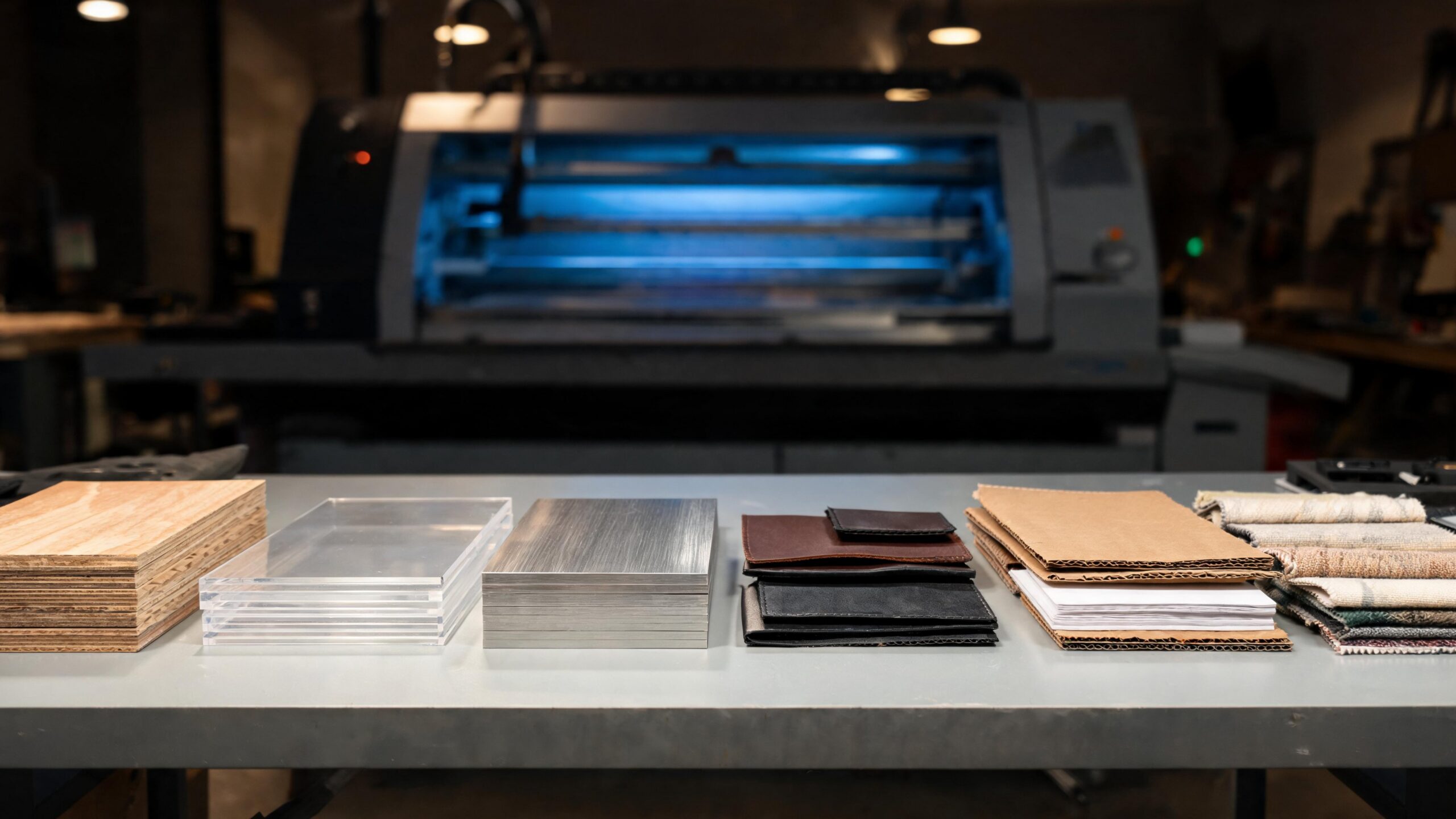
Choosing the best materials for laser cutting is where a good project becomes a great one. The machine matters, the design file matters, and the settings matter, but the material is what gives the finished piece its character. Wood brings warmth. Acrylic adds glassy color and polish. Metal delivers strength and permanence. Leather feels handcrafted and premium. Paper, fabric, foam, rubber, cork, and specialty plastics open even more creative doors for makers, shops, product designers, artists, and fabricators.
Laser cutting is one of the most exciting tools in modern fabrication because it can turn a flat sheet into something precise, personal, and professional in minutes. A laser can cut a delicate invitation, engrave a rugged leather patch, slice crisp acrylic letters for a retail sign, or produce repeatable prototype parts for a new product. The key is understanding which materials cut well, which engrave beautifully, which need special equipment, and which should be avoided entirely.
A: Birch plywood, basswood, cardboard, cardstock, MDF, and cast acrylic are great starting points.
A: Acrylic often gives one of the cleanest edges, especially when settings are properly dialed in.
A: Yes, but true metal cutting usually requires a fiber laser or industrial laser system.
A: Yes, especially laser-grade birch plywood with a consistent core and minimal voids.
A: Yes, natural leather can cut and engrave beautifully, but it needs good ventilation and careful settings.
A: Acrylic is great for polished, modern signs, while wood is better for warm, rustic, or natural designs.
A: Avoid PVC, vinyl, and unknown plastics because they can release hazardous or corrosive fumes.
A: The laser uses heat to cut, so charring can happen if power, speed, focus, or airflow are not balanced.
A: Yes, many fabrics can be laser cut, and some synthetic fabrics seal at the edge as they cut.
A: Always. A small test cut can save material, time, and frustration.
Why Material Choice Matters in Laser Cutting
Every material reacts differently when hit by a focused laser beam. Some vaporize cleanly and leave polished edges. Some char, smoke, melt, discolor, or warp. Others require higher-powered industrial equipment, special gas assist, or careful ventilation. The right material can make a project look premium straight off the bed, while the wrong material can waste time, create fumes, damage the machine, or produce a finish that needs heavy cleanup.
Material choice also affects cost, speed, durability, safety, and final appearance. A laser-cut sign made from birch plywood feels different from one made from black acrylic or brushed stainless steel. A product prototype cut from cardboard behaves differently than one cut from Delrin, MDF, or aluminum. Before choosing a sheet, think about the purpose of the finished piece, whether it will be decorative or functional, indoor or outdoor, flexible or rigid, budget-friendly or luxury-grade.
Wood: The Warm Classic for Laser Cutting
Wood is one of the most popular laser cutting materials because it is versatile, attractive, and easy to finish. Plywood, hardwood, veneer, balsa, basswood, MDF, and bamboo all have a place in laser work. Wood is used for signs, ornaments, architectural models, packaging prototypes, wall art, templates, furniture components, jewelry, puzzles, maps, awards, and custom gifts. It has a natural warmth that makes even simple projects feel crafted and intentional. The best woods for laser cutting are usually consistent, smooth, and relatively thin. Birch plywood is a favorite because it cuts cleanly and looks professional. Basswood and balsa are great for lightweight models and beginner projects. Hardwood sheets can produce beautiful engravings, but they may cut more slowly depending on density. The main challenge with wood is charring. A little edge darkening can look rustic and intentional, but too much burn can make a piece look messy. Masking tape, air assist, proper speed settings, and light sanding can help create cleaner results.
Plywood: Reliable, Affordable, and Project-Friendly
Plywood deserves special attention because it is one of the most useful materials for laser cutting. It is dimensionally stable, widely available, and strong for its thickness. Laser-cut plywood is perfect for layered wall art, product displays, model kits, signs, boxes, jigs, educational projects, and press-fit assemblies. When the glue layers are consistent, plywood cuts predictably and holds detail well.
Not all plywood is equal. Cheap construction plywood can contain voids, knots, inconsistent glue, and internal patches that cause uneven cutting. Laser-grade plywood is usually a better choice for professional results because it is made with cleaner cores and more predictable adhesives. For Crank Street-style builds, plywood is a dependable workhorse: approachable for beginners, flexible enough for advanced makers, and visually strong enough for sellable products.
MDF: Smooth, Stable, and Great for Painted Projects
MDF is another common laser cutting material, especially when the finished product will be painted. It has a smooth surface, consistent density, and no visible grain, which makes it ideal for signs, layered lettering, templates, craft blanks, decorative panels, and prototypes. Because MDF is uniform, it often engraves evenly and cuts with predictable results. The tradeoff is smoke and edge darkening. MDF can produce more residue than plywood, and the edges may need sealing before painting. Good ventilation is important, and shops should always verify that the MDF being used is safe for laser cutting. When handled properly, MDF is one of the most economical choices for crisp shapes, bold lettering, and production-friendly decorative parts.
Acrylic: The Polished Favorite for Signs and Displays
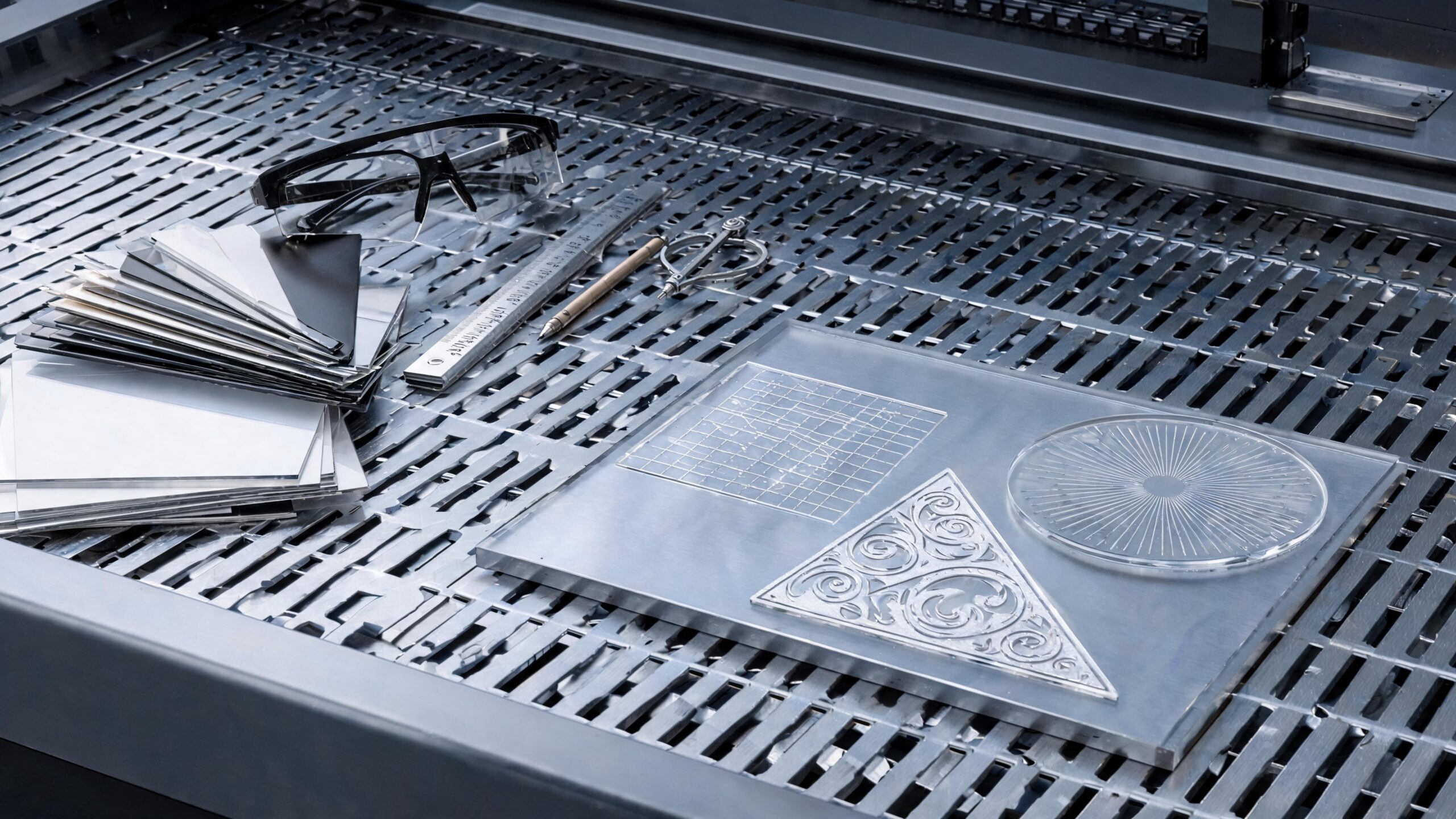
Acrylic is one of the best materials for laser cutting when you want clean edges, bold color, and a modern finish. Clear acrylic can look like glass, while colored acrylic creates vivid signs, display pieces, awards, ornaments, lighting features, and retail fixtures. Cast acrylic engraves especially well, producing a frosted look that stands out beautifully against polished edges.
One of acrylic’s biggest advantages is edge quality. A laser can leave a glossy, flame-polished edge that often needs little to no post-processing. That makes acrylic excellent for professional signage, layered logos, point-of-sale displays, menu boards, desk signs, and decorative panels. The main thing to watch is the type of acrylic. Cast acrylic is usually better for engraving, while extruded acrylic may cut cleanly but engrave with less contrast. Acrylic can also crack if stressed, so careful design and mounting choices matter.
Colored and Specialty Acrylic: Big Visual Impact
Colored acrylic can transform a simple laser-cut shape into a high-impact visual piece. Frosted, mirrored, fluorescent, translucent, opaque, glitter, marble, and patterned acrylic sheets give designers a huge creative range. These materials are especially useful for brand displays, boutique signage, art installations, awards, lighting diffusers, and premium product photography props. Specialty acrylic does require testing. Mirrored acrylic, for example, may need to be cut from the back side depending on its construction. Fluorescent acrylic can glow beautifully at the edges, but the design should take advantage of that effect. Frosted acrylic can diffuse light in a soft, elegant way. When used well, specialty acrylic gives laser-cut projects a polished, retail-ready quality that stands out online and in person.
Metal: Strong, Permanent, and Equipment-Dependent
Metal is one of the most exciting laser cutting materials, but it is also one of the most equipment-dependent. Cutting steel, stainless steel, aluminum, brass, and copper typically requires a fiber laser or industrial-grade laser system rather than a common desktop CO2 laser. Metal cutting may also need assist gases, proper optics, high power, and serious safety controls. For professional shops, however, laser-cut metal opens the door to brackets, panels, machine parts, signs, art, architectural features, tags, and durable outdoor products.
Metal engraving is more accessible than metal cutting, especially with marking sprays or fiber lasers. Stainless steel, anodized aluminum, and coated metals can produce sharp, permanent markings. For makers planning a project, it is important to distinguish between cutting metal and marking metal. A desktop laser may personalize a coated tumbler or anodized tag, but cutting a steel bracket is a different class of fabrication. When strength, weather resistance, and permanence matter, metal is hard to beat.
Anodized Aluminum and Coated Metals
Anodized aluminum is popular for laser marking because it produces crisp contrast without needing to cut through the material. It is used for nameplates, control panels, serial tags, branded plates, equipment labels, trophies, and industrial identification. The laser removes or changes the anodized surface, revealing a clean mark that looks precise and professional. Coated metals can also work well for engraving and marking. Powder-coated steel, painted aluminum, and coated tumblers are common examples. The laser removes the coating to reveal the base material underneath. These projects can look high-end, but they require careful settings to avoid discoloration, rough edges, or inconsistent marks. For product personalization and durable labeling, coated and anodized metals are excellent choices.
Leather: Premium, Flexible, and Full of Character
Leather is a powerful laser cutting material because it feels personal and premium. It is used for patches, wallets, notebook covers, keychains, labels, tags, bracelets, bag components, costume pieces, and branded goods. Laser engraving leather can produce rich contrast, while laser cutting creates clean shapes without the need for dies or hand trimming.
Natural leather cuts and engraves beautifully when settings are dialed in. It does produce a strong smell, so ventilation is important. Thickness, tanning method, finish, and color all affect the final result. Vegetable-tanned leather is often preferred for engraving because it marks cleanly and develops character over time. Makers should avoid materials that may contain unsafe chemicals or coatings. Genuine leather and laser-safe leather alternatives can be fantastic, but mystery materials should be tested carefully or avoided.
Faux Leather and Laser-Safe Alternatives
Faux leather can be appealing because it is consistent, affordable, and available in many colors and textures. However, not all synthetic leather is safe for laser cutting. Some materials contain PVC or other compounds that can release dangerous fumes and damage equipment. This is one of the most important safety considerations in material selection. Laser-safe faux leather, often sold specifically for laser engraving and cutting, can be an excellent option for patches, promotional products, fashion accessories, and craft items. It can offer consistent color, predictable engraving, and lower material cost than natural leather. The rule is simple: never assume a synthetic sheet is safe just because it looks useful. Check the material composition and supplier guidance before putting it under the beam.
Paper and Cardstock: Fast, Detailed, and Affordable
Paper and cardstock are ideal for fast laser cutting, delicate details, and low-cost testing. They are used for invitations, packaging mockups, stencils, greeting cards, layered art, architectural models, book covers, lampshades, and decorative prototypes. Because paper cuts quickly, it is a great material for testing patterns before moving to acrylic, wood, or leather.
The challenge with paper is scorch control. Thin materials can ignite if settings are too aggressive or airflow is poor. Clean optics, low power, fast speed, and proper supervision are essential. When done well, laser-cut paper can achieve intricate designs that would be difficult or impossible by hand. It is one of the best materials for exploring fine detail, fold lines, layered compositions, and elegant decorative work.
Cardboard and Corrugated Board: Perfect for Prototypes
Cardboard is a maker’s best friend when speed and affordability matter. It is great for product mockups, packaging prototypes, display concepts, architectural models, templates, and test assemblies. Corrugated cardboard is lightweight and surprisingly strong, making it useful for early-stage design work before committing to more expensive materials. Laser-cut cardboard is not usually the final answer for premium products, but it is one of the best materials for iteration. Designers can test tabs, slots, folds, sizes, and assembly methods quickly. A project that fails in cardboard costs very little. A project that works in cardboard can be upgraded to plywood, acrylic, leather, or composite sheet with more confidence.
Fabric and Textiles: Clean Shapes Without Fraying
Fabric can be an excellent material for laser cutting, especially synthetic fabrics that seal at the edge as they cut. Polyester, felt, fleece, denim, cotton, canvas, and technical textiles can be used for patches, appliqués, fashion pieces, upholstery patterns, flags, banners, costumes, and soft goods prototypes. The laser’s precision makes it useful for repeating complex shapes without physical templates.
Natural fabrics may char slightly, while synthetic fabrics may melt or seal depending on composition. This can be an advantage when fraying is a concern. As with all materials, composition matters. Some textiles have coatings, treatments, or blends that may not be laser-safe. Testing small samples is the best way to find clean settings and avoid surprises.
Cork: Lightweight, Natural, and Great for Gifts
Cork is a fun and underused laser cutting material. It is lightweight, flexible, warm-looking, and easy to engrave. It works well for coasters, placemats, bulletin boards, notebook covers, gaskets, craft products, decorative inlays, and eco-friendly promotional items. Engraved cork has a natural contrast that feels organic and approachable. Because cork is soft and textured, it does not always hold ultra-fine detail as sharply as acrylic or hardwood, but that texture is part of its charm. It is especially strong for products that should feel natural, sustainable, casual, or handmade. For small businesses looking for approachable product ideas, cork can be a smart material with broad appeal.
Rubber: Useful for Stamps, Gaskets, and Functional Parts
Laser-safe rubber is commonly used for custom stamps, seals, gaskets, and functional parts. Stamp rubber is designed to engrave cleanly and produce usable raised designs. A laser can create custom logos, maker marks, packaging stamps, and craft tools with impressive precision.
The safety note is important: only use rubber materials specifically intended for laser work. Unknown rubber compounds can produce unpleasant or harmful fumes. When sourced correctly, rubber is a practical material that expands laser cutting beyond decoration and into functional shop-made tools.
Foam: Lightweight, Dimensional, and Great for Displays
Foam can be useful for packaging inserts, cosplay armor, props, model terrain, display forms, prototypes, and protective cases. Certain foams cut easily and allow makers to create lightweight shapes quickly. Foam is especially helpful when the goal is volume without much weight. Not every foam is laser-safe. Some foams melt, ignite, or release hazardous fumes. Foam also varies widely in density and behavior. Laser-safe foam products should be selected carefully, and small tests should be done before production. When the right foam is used, it can be one of the fastest ways to create custom inserts, display props, and lightweight forms.
Plastics: Powerful but Safety-Critical
Plastics can be useful in laser cutting, but this category requires caution. Acrylic is the standout laser-friendly plastic, but other plastics vary dramatically. Delrin, for example, can be useful for mechanical parts, gears, spacers, and functional components, depending on the machine and safety setup. Some plastics engrave well, while others melt, warp, discolor, or release dangerous fumes.
PVC and vinyl should not be laser cut. They can release corrosive and hazardous gases that are dangerous to people and damaging to machines. This includes many vinyl sheets, some faux leathers, and certain coated materials. If a plastic’s composition is unknown, it should not go into a laser cutter. Smart fabrication is not just about what the machine can cut; it is about what it can cut safely.
Glass, Stone, and Ceramic: Best for Engraving, Not Cutting
Glass, stone, slate, tile, marble, granite, and ceramic are generally used for laser engraving rather than laser cutting. A laser can frost glass, mark slate, engrave tile, or add designs to stone surfaces. These materials are popular for awards, memorial pieces, coasters, décor, signage, and architectural accents. Because these materials do not cut like wood or acrylic, expectations matter. The laser is usually altering the surface rather than slicing through the sheet. Results can be elegant and durable, but settings, masking, and surface preparation play a major role. Engraved slate and ceramic tiles can look especially premium because the contrast feels permanent and handcrafted.
Specialty Materials for Creative Laser Projects
Many suppliers now offer laser-ready specialty materials designed for makers and small shops. These include two-tone engraving plastics, laser-safe laminates, veneer sheets, magnetic sheets, masking films, mother-of-pearl-style acrylics, glitter acrylics, flexible plywood, and prefinished wood panels. These materials save time because they are made with laser workflows in mind.
Specialty materials are excellent for product lines and category pages because they inspire creativity. A maker browsing options may not know they want fluorescent acrylic, cork fabric, veneer inlays, or two-tone sign plastic until they see what is possible. The more familiar a fabricator becomes with material behavior, the easier it becomes to choose unexpected combinations that feel fresh and sellable.
Best Materials for Beginners
Beginners should start with materials that are forgiving, affordable, and easy to source. Cardboard, cardstock, basswood, birch plywood, MDF, cork, and cast acrylic are good starting points. These materials help new users learn kerf, power, speed, focus, masking, engraving depth, and assembly tolerances without spending too much on failed tests. The best beginner material depends on the project. For signs and gifts, plywood and acrylic are ideal. For prototypes, cardboard is hard to beat. For premium small goods, leather or cork can be exciting once basic settings are understood. The goal is to build confidence through repeatable results before moving into more expensive or technically demanding materials.
Materials to Avoid in Laser Cutting
Some materials should never be laser cut because they can produce dangerous fumes, corrosive gases, or unpredictable fire risks. PVC, vinyl, unknown plastics, fiberglass, carbon fiber with epoxy resin, certain foams, and mystery coated materials are common problem areas. Any material with chlorine content is especially concerning because it can harm both people and equipment.
A professional shop mindset means verifying materials before cutting. Supplier data, safety sheets, laser-safe labels, and small tests are part of responsible fabrication. When in doubt, leave it out. No project is worth damaging a machine, creating a toxic environment, or risking a fire.
How to Choose the Right Laser Cutting Material
The best way to choose a laser cutting material is to start with the job the finished piece must perform. If the project needs warmth and texture, wood or leather may be the right choice. If it needs color, polish, and clean edges, acrylic may win. If it needs strength and outdoor durability, metal may be best, but it may require a specialized shop. If it is a prototype, cardboard or MDF might be the smartest first step. Think about appearance, thickness, strength, flexibility, edge quality, finishing, cost, availability, and safety. A beautiful material that cannot survive the application is not the right material. A cheap material that takes too long to clean up may not actually save money. The best choice balances creative vision with real-world fabrication.
Final Cut: Build Smarter by Knowing Your Materials
Laser cutting is more than a machine process. It is a conversation between light, design, and material. Wood burns with character. Acrylic glows and shines. Metal marks with permanence. Leather gains depth and personality. Paper, fabric, cork, rubber, foam, and specialty sheets each bring their own possibilities to the workbench.
For makers, designers, small shops, and fabricators, material knowledge is a creative advantage. The better you understand how each material cuts, engraves, smells, bends, finishes, and fails, the more confidently you can build. Whether you are making custom signs, product prototypes, décor, gifts, displays, or one-of-a-kind workshop experiments, the best material is the one that helps the final piece look intentional, perform well, and feel worth keeping.