Why 2026 Is a Big Year for Makers
The best maker products don’t win because they’re trendy. They win because they fit how people actually live. In 2026, buyers are still craving personalization, but they’re also demanding practicality. They want items that make daily routines smoother, spaces feel calmer, and gifts feel more intentional. At the same time, people are more comfortable buying from independent creators than ever. The “small brand” isn’t a compromise anymore—it’s often the point. That’s the opportunity. If you choose products that solve a clear problem, look great on camera, and are realistic to produce in small batches, you can build a business with strong margins and repeat customers. The real question isn’t “What can I make?” It’s “What will people buy again, recommend, and happily pay for?” This guide breaks down the best products to sell as a maker in 2026, not as a random list of crafts, but as product categories built around demand, durability, and business potential. The goal is to help you pick ideas that scale without killing your creativity.
A: Useful, giftable, and repeatable products with personalization options.
A: Evergreen products with occasional seasonal editions are usually the best mix.
A: Offer bundles, upgrades, and premium personalization.
A: Yes—digital files can add high-margin revenue without shipping.
A: Choose an audience with clear needs, strong communities, and repeat purchasing behavior.
A: Bulky, fragile, low-margin items that are hard to ship and hard to standardize.
A: No—start with a tight line and expand based on what sells.
A: Use a distinctive style, better photos, and clearer product positioning.
A: Focus on premium pricing, limited drops, and high-margin products.
A: Add intentionally, based on customer feedback and proven demand.
The 2026 Product Sweet Spot: Useful, Giftable, and Repeatable
A profitable maker product in 2026 tends to sit in a sweet spot. It’s useful enough to justify the price, giftable enough to spread by word of mouth, and repeatable enough that you can produce it consistently. That last part matters more than most beginners realize. A product can be gorgeous and still be a bad business if every unit is a custom puzzle that takes forever.
When you’re evaluating a product idea, imagine making it ten times in a row. Does the process get easier? Can you batch steps? Can you standardize materials? Can you ship it safely without expensive packaging? If the answer is yes, you’re on the right track.
Personalized Everyday Carry: Small Items, Big Margins
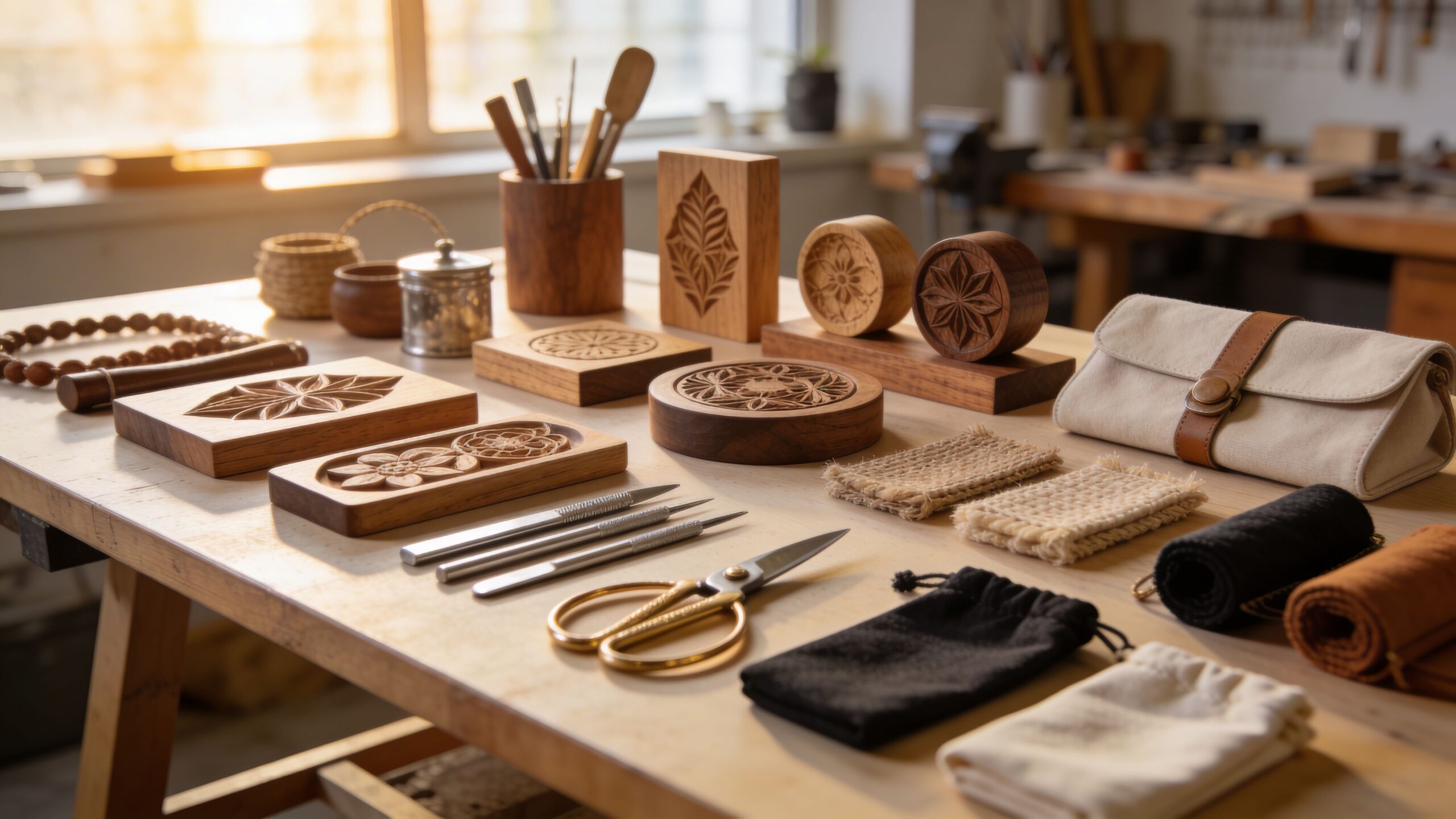
Personalized everyday carry products remain top sellers because they blend emotion with function. Think wallets, key organizers, keychains, luggage tags, card holders, and small pouches. In 2026, buyers continue to pay for personalization when it feels tasteful and permanent, like engraving, embossing, or inlaid details rather than flashy gimmicks. What makes these products especially strong is repeatability. You can standardize the base item, then personalize at the final step. That keeps production efficient while letting you charge premium pricing for a personal touch. These items also photograph well, ship easily, and work across multiple audiences, from gift buyers to professionals who want upgraded basics.
Home Organization That Looks Like Decor
The organization market has matured. People aren’t just buying bins—they’re buying calm. In 2026, the best organization products are functional but designed to look like they belong in the room. That means clean lines, natural materials, and aesthetic cohesion.
Popular maker-friendly options include wall-mounted entry organizers, key racks, mail sorters, charging stations, drawer dividers, and modular storage pieces. The opportunity is in designing for specific pain points. A charging station for a family isn’t the same as a charging station for a minimalist apartment. A tool organizer for a garage is different from one for a craft room. The tighter the use case, the easier the marketing.
Custom Pet Products That Feel Premium
Pet owners are loyal buyers, and in 2026 they’re still willing to pay for quality. The strongest pet products combine durability with style: personalized collars, leash holders, treat jars, elevated feeding stations, pet ID tags, and custom name plaques. What makes pet products profitable is emotional value. Buyers don’t want “a product.” They want something that celebrates their animal. If your branding leans into that story while delivering quality materials and good design, your pricing becomes easier to defend.
Small-Batch Kitchen Upgrades That Earn Their Counter Space
The kitchen remains one of the most profitable areas for makers because it’s both practical and gift-heavy. The key in 2026 is creating items that feel like upgrades rather than clutter. Buyers are selective. They’ll pay for fewer items if those items are better.
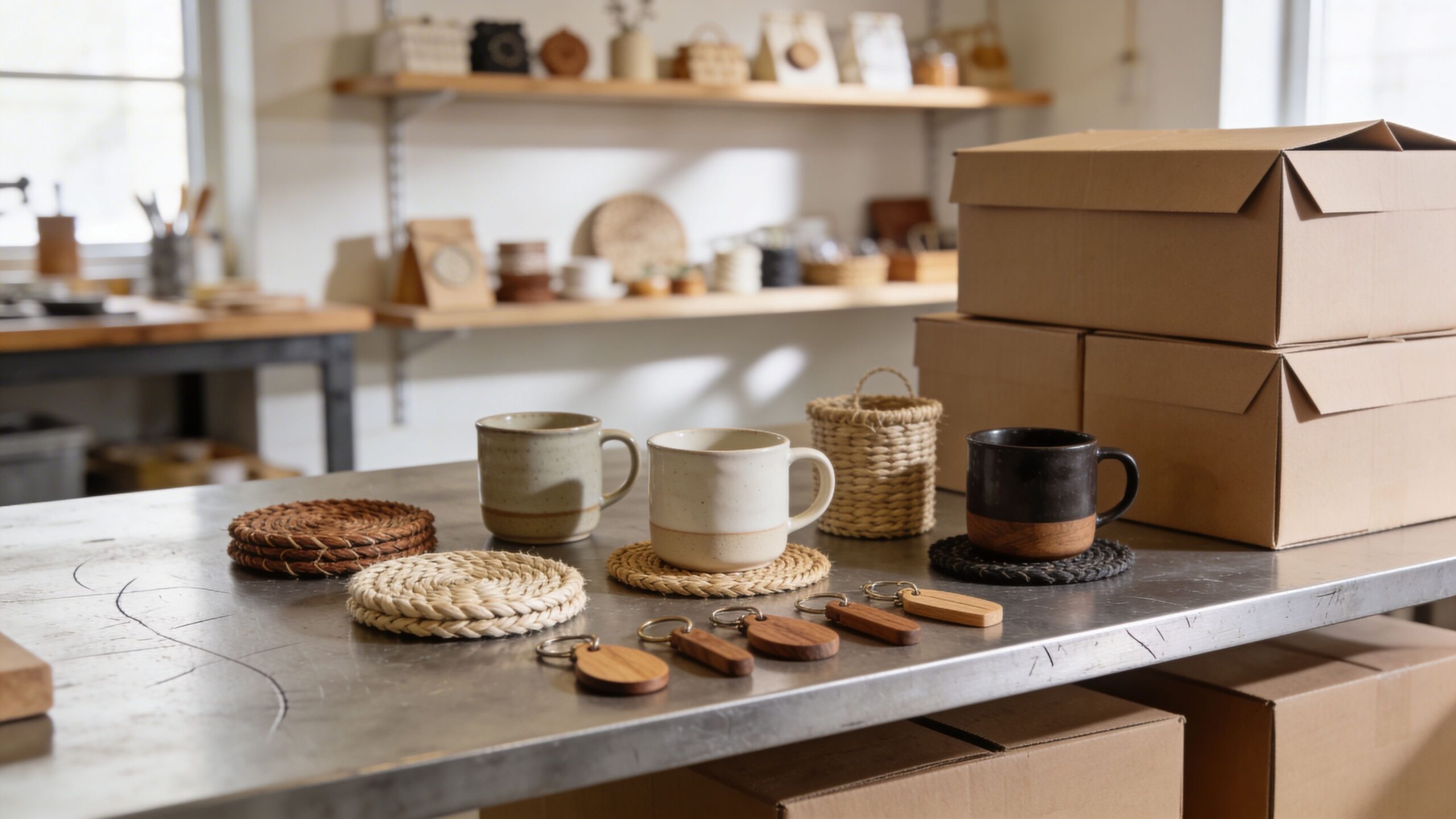
Think handmade cutting boards with distinctive grain, magnetic knife racks, minimalist utensil holders, spice storage solutions, ceramic prep bowls, and countertop organizers. If you can produce consistent quality and maintain clean, modern styling, these products can command higher prices and attract repeat customers.
Desk and Workspace Accessories for Hybrid Life
Work-from-home culture didn’t disappear—it evolved. In 2026, people are investing in desks the way they invest in living rooms. That’s great news for makers because desk products are small, shippable, and highly visual. High-demand items include cable management solutions, monitor stands, headphone hooks, laptop risers, desk trays, pen holders, and minimalist docking stations. The best versions solve a real daily annoyance and look good in a photo. If your products create “before-and-after” transformation, your marketing becomes nearly effortless.
Giftable “Life Moment” Products That Sell Year-Round
Life moments still drive buying. Weddings, anniversaries, new homes, graduations, births, memorials, and promotions create constant demand. The maker advantage is creating items that feel intimate and permanent, not disposable.
Top sellers include custom name signs, date plaques, map-style location art, memory boxes, personalized ornaments, and keepsake frames. In 2026, buyers are drawn to modern, clean personalization that feels upscale. If your product looks like it belongs in a boutique, you can price like a boutique.
3D Printed Practical Upgrades and Replacement Parts
3D printing continues to expand as a maker business category because the technology is now mainstream enough that buyers understand its value. The best 3D printed products are not “novelty prints.” They’re problem-solvers: replacement parts, custom brackets, organizers, mounts, adapters, and specialty accessories. The profit comes from specificity. If you design a part that fixes a common frustration for a niche community, you can become the go-to solution. The repeatability is also strong because once you finalize a design, production becomes consistent. Many makers build a catalog of solutions over time, and that catalog becomes their moat.
Wearable Accessories That Don’t Depend on Fast Fashion
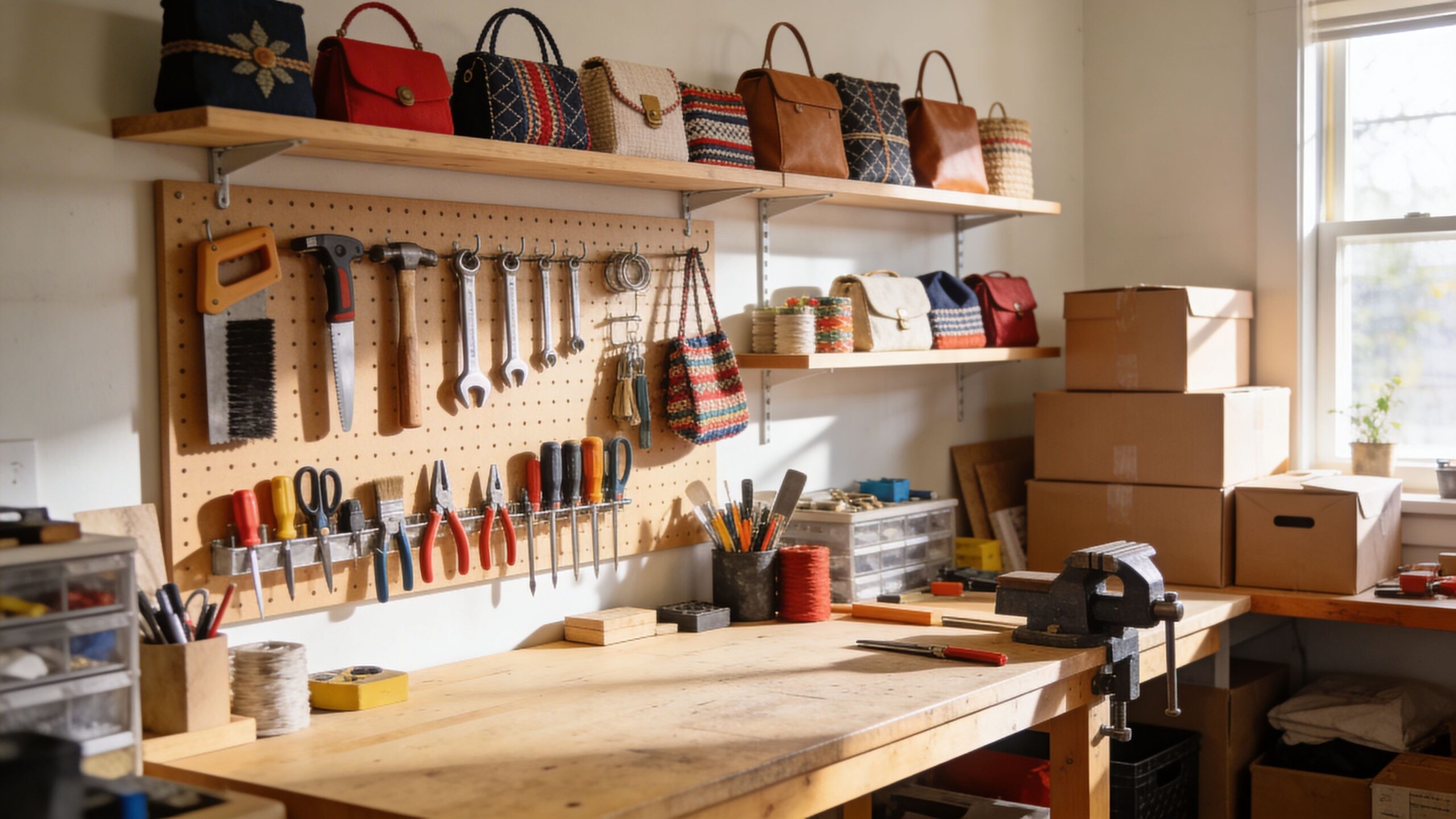
Handmade wearables remain profitable when they avoid direct competition with cheap fashion. In 2026, the strongest wearable products are accessories that feel elevated: leather goods, minimalist jewelry, woven bags, belts, and hats with subtle craftsmanship.
The business advantage is that accessories can be branded as “signature.” If your style is recognizable, customers collect your work. The key is consistency. A signature design language makes your product line feel cohesive, which increases trust and encourages repeat purchases.
Sustainable and Repair-Friendly Products That Feel Modern
Sustainability isn’t just a label anymore. Buyers are looking for products that reduce waste without looking like a compromise. That means refillable, repairable, durable goods with a clean aesthetic. Examples include refillable soap dispensers with handmade trays, reusable kitchen cloth sets, repair kits, modular furniture components, and products made from reclaimed materials that still look premium. Sustainability sells best when it’s practical and beautiful, not preachy.
The Maker Product Strategy: Pick a Lane, Then Build a Line
The biggest win isn’t finding one product. It’s building a product line that grows. Start with a flagship item that is easy to explain and easy to photograph. Then add complementary products that increase average order value. Think of your lineup like a “collection,” not random inventory.
The fastest-growing maker businesses in 2026 will be the ones that look like brands. Brands have consistency, clarity, and repeatability. The more your product line feels intentional, the easier it is to charge premium prices.
How to Choose the Best Products for Your Shop
A good product idea isn’t enough. You need the right product for your tools, your skills, your timeline, and your market. A profitable product should be something you can make with consistent quality, produce in batches, and deliver reliably. It should have room for upgrades or personalization. It should also have clear photography potential, because attention is the currency of online selling. If you’re deciding between multiple ideas, choose the one that is simplest to standardize and easiest to describe. Complexity can come later. In the beginning, clarity wins.
The Bottom Line for 2026 Makers
In 2026, the best products to sell as a maker are the ones that make life easier, feel personal, and look premium. Buyers want upgrades that fit their routines and gifts that feel meaningful. If you pair strong product selection with professional presentation and repeatable production, you’re not just making things—you’re building a business.
Pick one lane, design like a brand, and build a catalog that earns trust. That’s how you turn maker skill into maker profit.