The Art of Sewing: Where Creativity Meets Practical Skill
Sewing is one of those rare creative skills that blends artistry with everyday practicality. Whether you dream of making your own clothes, crafting home décor, or simply repairing garments instead of throwing them away, sewing opens the door to a world of possibilities. It’s a craft that has been passed down through generations, yet it remains as relevant today as ever, especially in a world that increasingly values customization and sustainability. For beginners, sewing might feel intimidating at first. The tools, terminology, and techniques can seem overwhelming, but the truth is that anyone can learn with the right approach. Like any creative pursuit, sewing becomes easier and more enjoyable once you understand the fundamentals and build confidence through small wins.
A: No, you can start with hand sewing basics.
A: Cotton is the easiest to work with.
A: Basic skills can be learned in days with practice.
A: Yes, and they’re part of the learning process.
A: Start with simple items, then progress to garments.
A: It can be affordable with basic tools and materials.
A: Use a seam ripper to remove stitches carefully.
A: Patterns help but aren’t required for simple projects.
A: All-purpose thread works for most beginner projects.
A: Practice regularly and start with easy projects.
Why Sewing Is the Perfect Beginner-Friendly Craft
Sewing stands out as an ideal entry point into the world of creative arts and crafts because it offers immediate, tangible results. Even a simple project like hemming pants or creating a pillowcase gives you something useful and satisfying. This sense of accomplishment is incredibly motivating for beginners.
Another reason sewing is so approachable is its flexibility. You can start small with basic hand stitching and gradually work your way up to using a sewing machine and tackling more complex projects. There’s no need to invest heavily upfront, and you can progress at your own pace, making it a low-pressure hobby that adapts to your lifestyle.
Essential Sewing Tools You Need to Get Started
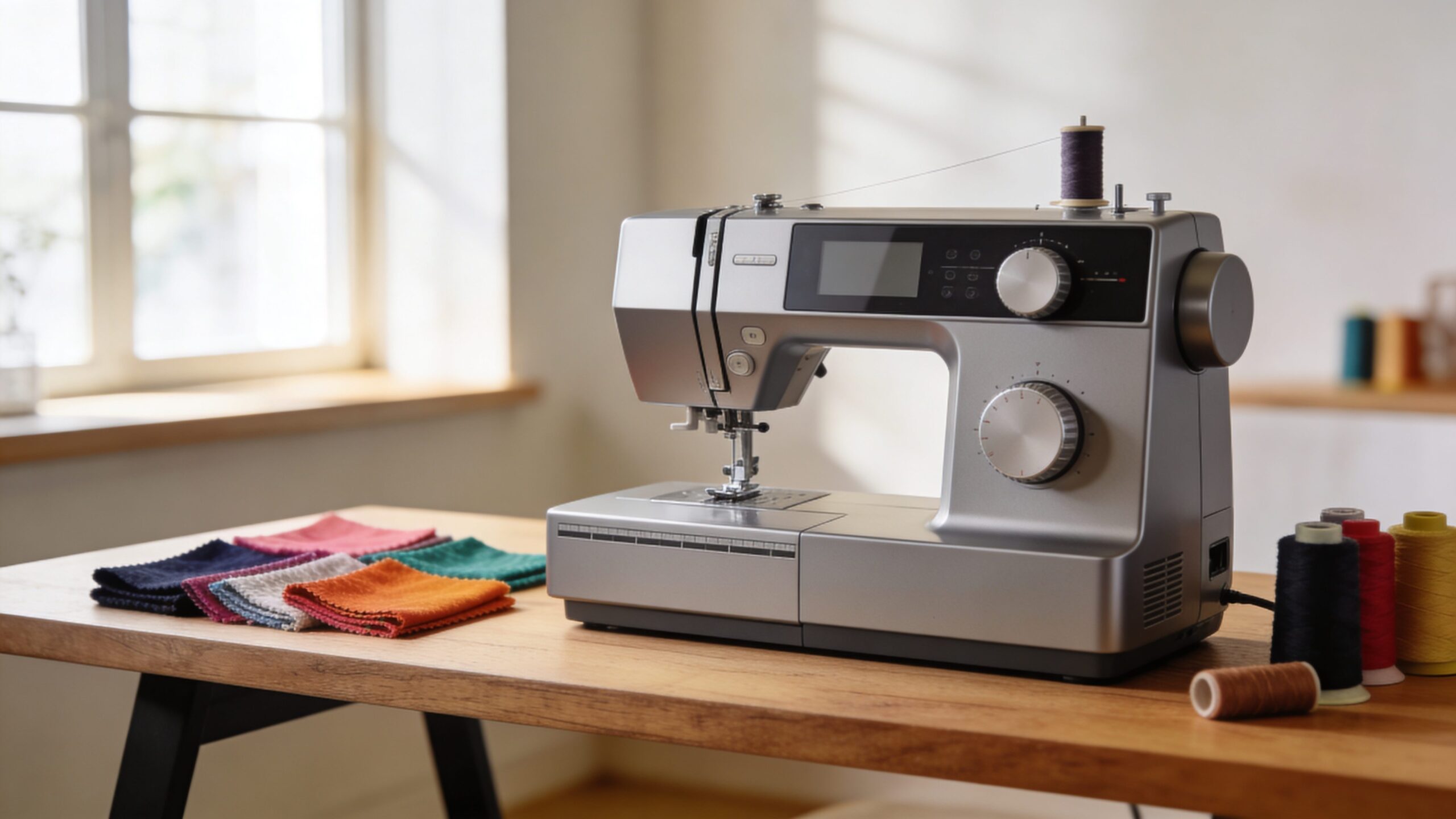
Before you begin your first project, it’s important to gather a few essential tools. A reliable sewing machine is often the centerpiece of a beginner’s setup, but hand sewing tools are equally valuable. You’ll need sharp fabric scissors, a measuring tape, straight pins, needles, and a variety of threads that match your fabric choices. Having the right tools doesn’t just make sewing easier—it makes it more enjoyable. Quality tools help you achieve cleaner results and reduce frustration, especially when you’re learning. As you gain experience, you can expand your toolkit with specialty items, but starting with the basics is more than enough to begin your journey.
Understanding Fabrics: The Foundation of Every Project
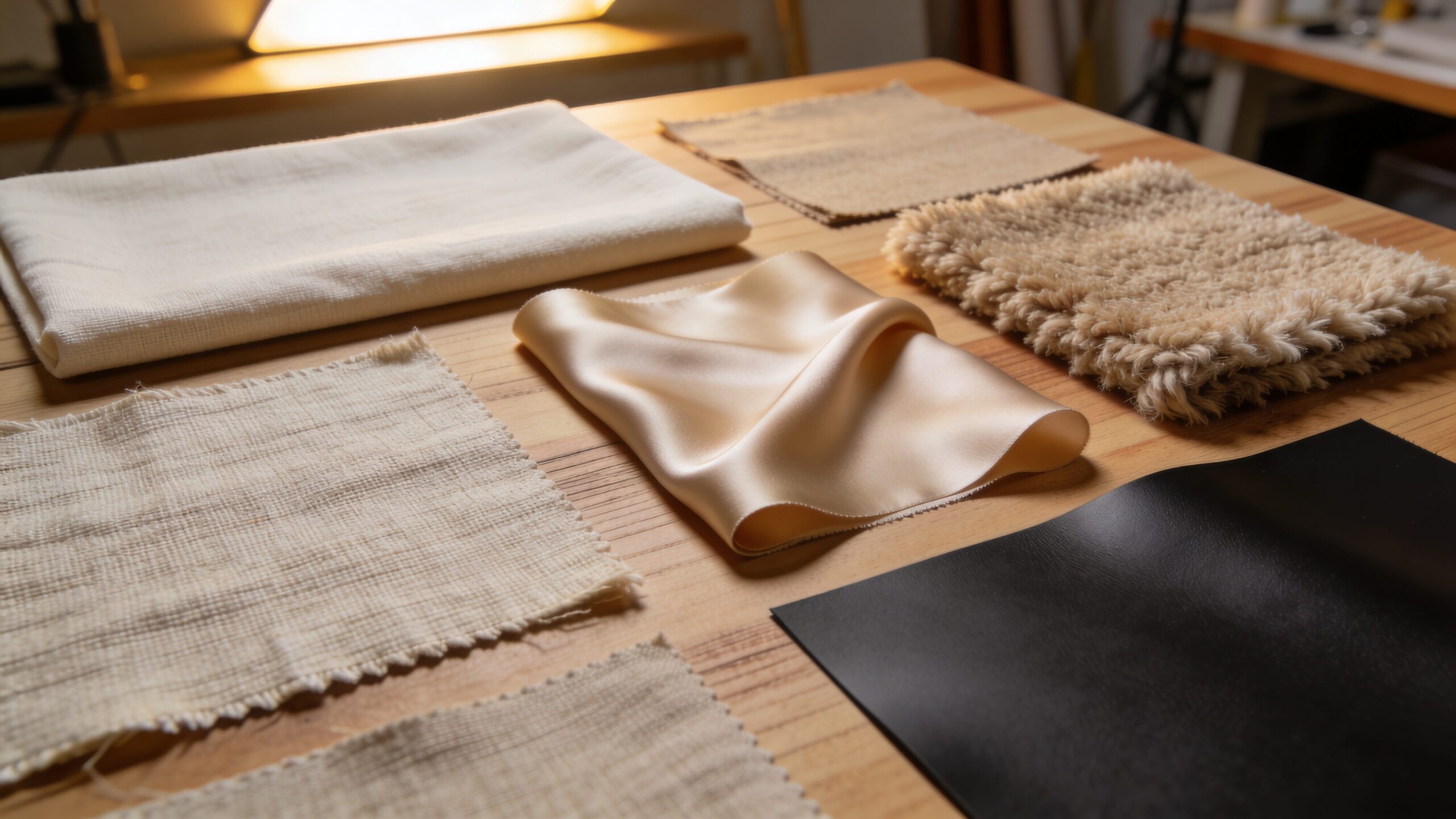
Fabric selection plays a crucial role in the success of any sewing project. Beginners should start with easy-to-handle materials like cotton, which is stable, forgiving, and widely available. Learning how different fabrics behave—how they stretch, drape, and respond to stitching—will significantly improve your results.
It’s also important to understand fabric weight and texture. Lightweight fabrics are great for delicate garments, while heavier materials are better suited for structured items like bags or upholstery. Taking the time to familiarize yourself with fabric types will help you choose the right material for each project and avoid common beginner mistakes.
Sewing Machine Basics Made Simple
If you’re new to sewing machines, the key is to start simple and focus on the fundamentals. Modern machines come with a variety of features, but beginners only need to master a few basics, such as threading the machine, winding a bobbin, and selecting a straight stitch. Practice is essential when learning to use a sewing machine. Start by sewing straight lines on scrap fabric to get a feel for the speed and control. Over time, you’ll develop muscle memory and confidence, making it easier to tackle more complex techniques like curves and corners.
Mastering Basic Sewing Techniques
Every sewing journey begins with a handful of essential techniques. Straight stitching, backstitching, and seam allowances are the building blocks of most projects. These fundamental skills may seem simple, but they form the foundation for everything you’ll create.
As you practice, you’ll also learn how to handle fabric properly, maintain consistent stitching, and correct mistakes. These skills not only improve the quality of your work but also make the process more enjoyable. With each project, your technique will become more refined and efficient.
Your First Sewing Projects: Start Small, Build Confidence
Choosing the right first project can make all the difference in your sewing experience. Beginner-friendly projects like tote bags, pillowcases, or simple skirts are perfect starting points. They allow you to practice basic techniques without becoming overwhelmed by complexity. Completing your first project is a major milestone. It’s proof that you can turn fabric and thread into something functional and beautiful. This sense of accomplishment fuels your motivation and encourages you to take on more ambitious projects in the future.
Common Beginner Mistakes and How to Avoid Them
Mistakes are a natural part of learning to sew, but understanding common pitfalls can help you avoid frustration. One of the most frequent issues is rushing through a project without proper preparation. Taking the time to measure, cut, and pin your fabric accurately will save you from costly errors later.
Another common mistake is using the wrong needle or thread for your fabric. This can lead to uneven stitching or damage to the material. Paying attention to these details ensures smoother results and helps you develop good habits from the start.
Building Your Skills Over Time
Sewing is a skill that grows with practice and patience. As you become more comfortable with the basics, you can begin exploring new techniques, patterns, and materials. Each project presents an opportunity to learn something new and refine your abilities. Setting small, achievable goals is a great way to stay motivated. Whether it’s mastering a new stitch or completing a more complex project, these milestones keep your progress steady and rewarding. Over time, you’ll develop a personal style and a deeper understanding of the craft.
The Creative Possibilities of Sewing
One of the most exciting aspects of sewing is the endless range of creative possibilities. From fashion design to home décor, sewing allows you to bring your ideas to life in a tangible way. You’re not limited to what’s available in stores—you can create exactly what you envision.
This creative freedom is what makes sewing so fulfilling. It’s not just about making things; it’s about expressing yourself and exploring your imagination. As your skills grow, so does your ability to experiment and innovate.
Sewing as a Sustainable and Rewarding Hobby
In today’s world, sewing offers a meaningful way to embrace sustainability. By repairing clothes, upcycling old fabrics, and creating your own items, you can reduce waste and make more conscious choices. This not only benefits the environment but also adds a sense of purpose to your craft. Beyond sustainability, sewing is deeply rewarding on a personal level. It’s a skill that fosters patience, creativity, and self-reliance. Whether you’re sewing for practicality or passion, the journey is as fulfilling as the finished product.
Getting Started Today: Your First Step into Sewing
The best way to begin sewing is simply to start. Gather your tools, choose a simple project, and give yourself permission to learn through trial and error. You don’t need perfection—just a willingness to try and improve.
Every expert sewer was once a beginner. With time, practice, and curiosity, you’ll transform your initial efforts into impressive creations. Sewing isn’t just a hobby—it’s a lifelong skill that grows with you, offering endless opportunities to create, learn, and enjoy the process.