Understanding Fabric Types
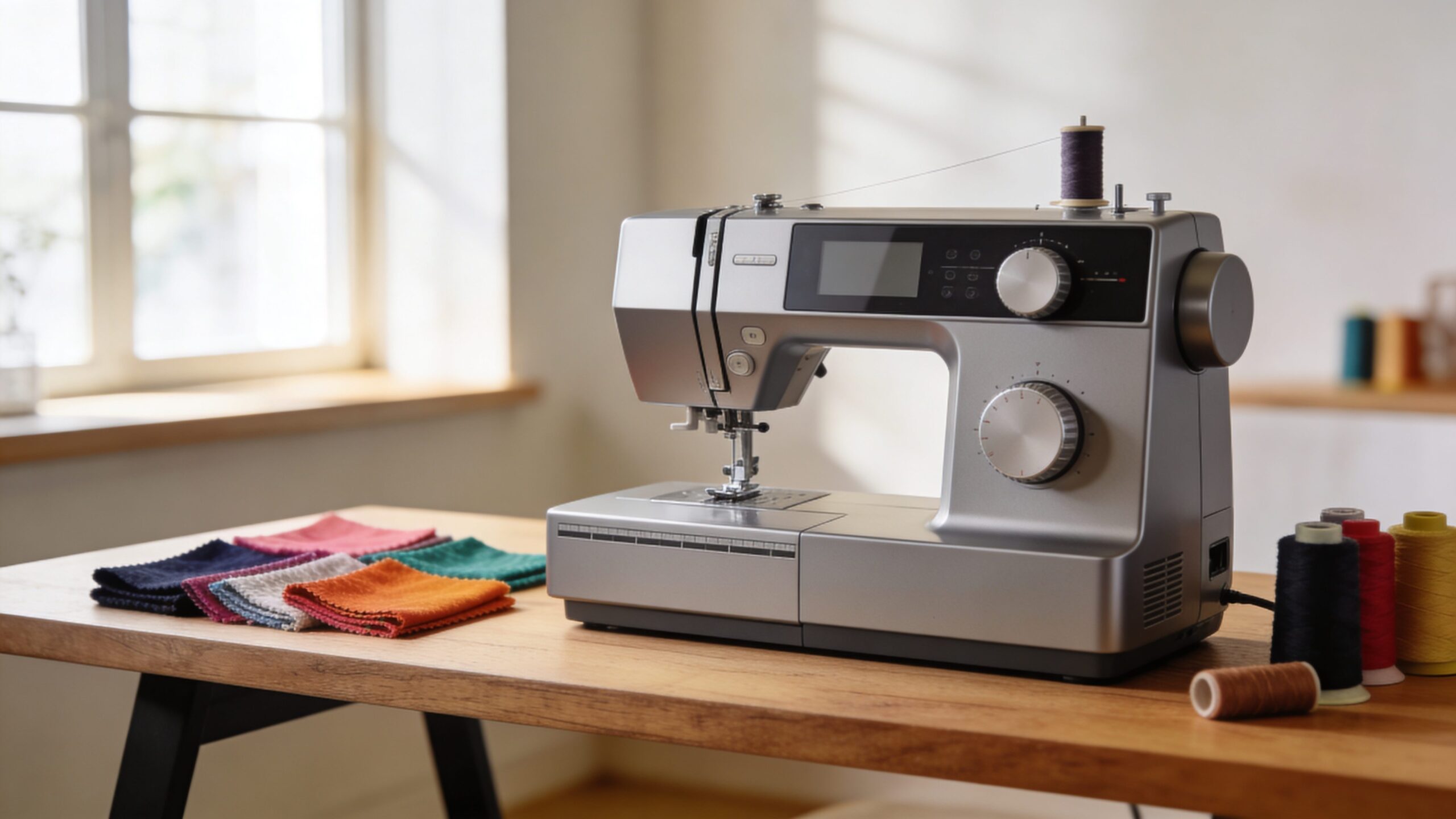
Fabric is the foundation of nearly every textile project, from handmade clothing and quilts to curtains, upholstery, bags, costumes, and craft décor. The material you choose affects how a project feels, moves, breathes, washes, lasts, and looks. A beautifully designed piece can become frustrating if the fabric stretches too much, wrinkles constantly, traps heat, or refuses to hold its shape. For beginners and experienced makers alike, understanding fabric types is one of the most important creative skills. Once you know the difference between natural and synthetic fabrics, you can shop smarter, sew better, and choose materials that match your project’s purpose. Fabric selection is not just about color or pattern; it is about performance, comfort, care, texture, and personality.
A: Cotton is usually easiest because it is stable, affordable, and simple to sew.
A: Not always; natural fabrics breathe well, but synthetics can be stronger and easier to care for.
A: No; quality varies widely, and many performance fabrics are highly advanced.
A: Cotton and linen are popular because they are breathable and comfortable.
A: Nylon and polyester are common because they are lightweight, strong, and durable.
A: Yes, especially cotton, linen, rayon, and other fabrics that may shrink.
A: A blend combines two or more fibers to balance comfort, strength, stretch, or care.
A: Weight affects drape, structure, warmth, and how suitable the fabric is for a project.
A: Rayon is usually considered semi-synthetic because it comes from cellulose but is chemically processed.
A: Match the fabric to the project’s comfort, durability, care, stretch, and structure needs.
What Are Natural Fabrics?
Natural fabrics are made from fibers that come from plants, animals, or minerals. Cotton, linen, wool, and silk are some of the most familiar examples. These materials have been used for centuries because they are breathable, comfortable, beautiful, and versatile. Natural fibers often have a softness and character that many makers love, especially for clothing, bedding, quilting, and heirloom crafts.
One of the biggest advantages of natural fabric is the way it feels against the skin. Cotton is soft and easy to wear, linen feels cool and crisp, wool provides warmth, and silk has a luxurious smoothness. Natural fabrics can wrinkle, shrink, or require special care, but they also offer timeless appeal and a strong connection to traditional textile craft.
What Are Synthetic Fabrics?
Synthetic fabrics are made from human-created fibers, usually produced through chemical processes. Common examples include polyester, nylon, acrylic, spandex, and rayon blends. These fabrics are designed for performance, affordability, durability, stretch, wrinkle resistance, and easy care. Many modern garments, athletic clothes, outdoor gear, and craft materials rely heavily on synthetic textiles. Synthetic fabric can be incredibly practical. It often dries quickly, resists shrinking, holds color well, and stands up to repeated use. While some synthetic materials may feel less breathable than natural fabrics, modern textile technology has created many softer, lighter, and more comfortable versions. For many projects, synthetic fabrics offer convenience and strength that natural fibers may not provide.
Cotton: The Everyday Favorite
Cotton is one of the most popular natural fabrics in the world, and for good reason. It is soft, breathable, affordable, easy to sew, and available in countless colors, prints, and weights. Beginners often start with cotton because it behaves predictably under scissors and sewing machines. It does not slip as much as silk or stretch as much as knits, making it ideal for learning.
Cotton works beautifully for quilts, shirts, dresses, aprons, tote bags, pillow covers, children’s crafts, and home décor. Lightweight cotton is great for warm-weather garments, while heavier cotton canvas can be used for bags and utility projects. The main drawbacks are that cotton can wrinkle and shrink, so pre-washing is usually a smart step before cutting and sewing.
Linen: Cool, Crisp, and Timeless
Linen is made from flax fibers and is loved for its crisp texture, breathability, and relaxed elegance. It is especially popular for summer clothing, table linens, curtains, and minimalist home décor. Linen has a natural texture that gives projects a handcrafted, organic quality. It can feel slightly stiff at first but softens beautifully over time. The charm of linen is also its challenge. It wrinkles easily, which some people see as part of its casual beauty. It can also fray at the edges, so careful seam finishing is important. For makers who enjoy natural texture and understated sophistication, linen is one of the most rewarding fabrics to use.
Wool: Warm, Durable, and Remarkably Versatile
Wool is a natural animal fiber most often gathered from sheep, though specialty wools can come from alpacas, goats, rabbits, and other animals. It is known for warmth, insulation, resilience, and structure. Wool can be woven into suiting, felted into craft material, knitted into sweaters, or used in blankets, coats, hats, and scarves.
One of wool’s greatest strengths is its ability to provide warmth while still breathing better than many synthetic cold-weather fabrics. It also resists odors and can hold its shape well. However, wool may require gentle washing, dry cleaning, or special handling to avoid shrinking and felting. For cold-weather projects and polished garments, wool remains a premium textile choice.
Silk: Smooth, Elegant, and Luxurious
Silk is a natural protein fiber known for its luminous sheen, smooth texture, and graceful drape. It has long been associated with luxury clothing, scarves, fine accessories, eveningwear, and decorative textiles. Silk feels lightweight but strong, and it can make even simple designs look refined and elegant. For beginners, silk can be challenging because it may slip, shift, and show mistakes more easily than cotton. It often requires sharp needles, careful cutting, and delicate handling. Still, learning to work with silk can be deeply rewarding. Its beauty, softness, and movement make it one of the most admired fabrics in textile arts.
Polyester: Practical, Durable, and Everywhere
Polyester is one of the most widely used synthetic fabrics. It is durable, wrinkle-resistant, affordable, and often blended with natural fibers to improve strength and reduce care demands. Polyester can appear in clothing, upholstery, fleece, curtains, craft felt, costumes, bags, and outdoor textiles. Its versatility makes it a major player in modern fabric production.
Because polyester holds color well and resists shrinking, it is useful for projects that need easy maintenance. However, it may not breathe as well as cotton or linen, especially in warm conditions. The quality of polyester varies widely, from inexpensive costume fabric to high-performance technical textiles used in activewear and outdoor gear.
Nylon: Strong, Lightweight, and Performance-Ready
Nylon is a synthetic fabric known for strength, flexibility, and abrasion resistance. It is commonly used in backpacks, windbreakers, outdoor gear, swimwear, umbrellas, luggage, and performance apparel. Its lightweight toughness makes it ideal for projects that need durability without bulk. Nylon often has a smooth surface and can be water-resistant depending on its finish. It may be more difficult to sew than cotton because it can slide or fray, but the results can be highly functional. For bags, gear, and active projects, nylon is a smart fabric choice when strength matters.
Acrylic: Wool-Like Warmth with Easy Care
Acrylic is a synthetic fiber often used as a wool alternative. It is common in sweaters, blankets, scarves, hats, yarn crafts, and decorative textiles. Acrylic is lightweight, warm, affordable, and generally easier to wash than wool. For crafters who knit, crochet, or make cozy home items, acrylic yarn is a familiar staple.
While acrylic can mimic the look and softness of wool, it may not breathe as well and can pill over time. Still, its accessibility and easy-care qualities make it popular for beginner projects and everyday items. It is especially useful when budget, color variety, and washability are priorities.
Spandex and Stretch Fabrics
Spandex, also known as elastane, is a synthetic fiber famous for stretch and recovery. It is rarely used alone; instead, it is blended with cotton, polyester, nylon, or rayon to create fabrics that move with the body. Activewear, leggings, swimwear, fitted garments, dancewear, and stretch denim often include spandex. Stretch fabrics require different sewing techniques than stable woven fabrics. They may need ballpoint needles, stretch stitches, or serger seams to prevent popped stitches. While they can be intimidating at first, stretch fabrics open the door to comfortable, modern garments that fit beautifully and move easily.
Rayon, Viscose, and Semi-Synthetic Fabrics
Rayon and viscose occupy an interesting middle ground. They are made from cellulose, usually derived from wood pulp or plant material, but processed chemically to become fabric. Because of this, they are often described as semi-synthetic. Rayon is known for its soft feel, fluid drape, and breathable comfort.
These fabrics are popular for dresses, blouses, skirts, linings, scarves, and flowing garments. They can feel luxurious without the cost of silk. However, rayon may shrink, wrinkle, or weaken when wet, so care instructions matter. For makers who want graceful movement and softness, rayon and viscose can be excellent choices.
Natural vs Synthetic: Comfort and Breathability
When it comes to comfort, natural fabrics often have an advantage because they tend to breathe well and feel pleasant against the skin. Cotton and linen are especially good for warm weather because they allow air to circulate and absorb moisture. Wool offers warmth while still managing moisture better than many people expect. Synthetic fabrics can vary widely in comfort. Some older or lower-quality synthetics may trap heat, while modern performance fabrics are designed to wick moisture and dry quickly. The best choice depends on the project. A summer blouse may benefit from cotton or linen, while athletic wear may perform better with synthetic blends.
Natural vs Synthetic: Durability and Maintenance
Synthetic fabrics often win when it comes to easy care and durability. Polyester and nylon resist wrinkles, hold their shape, dry quickly, and tolerate frequent washing. This makes them useful for busy households, travel clothing, outdoor gear, and everyday projects that need to survive heavy use.
Natural fabrics can be durable too, but they often require more thoughtful care. Cotton can shrink, linen wrinkles, wool may felt, and silk can require delicate washing. The trade-off is that natural fabrics often age beautifully and offer comfort, texture, and elegance that many makers find worth the extra effort.
Natural vs Synthetic: Sustainability Considerations
Sustainability in fabric choice is more complex than simply saying natural is good and synthetic is bad. Natural fibers come from renewable sources, but farming, water use, dyeing, and processing can still have environmental impacts. Organic cotton, responsibly sourced wool, and linen from flax can be more eco-conscious options when produced carefully. Synthetic fabrics are made from human-created polymers, many of which are petroleum-based. They are durable, which can reduce replacement waste, but they may also shed microfibers during washing. Choosing long-lasting materials, buying only what you need, upcycling fabric, and caring for textiles properly can make any fabric choice more responsible.
Choosing Fabric for Clothing
For clothing, fabric choice should begin with comfort, movement, and season. Cotton is excellent for everyday shirts and casual dresses. Linen shines in warm-weather garments. Wool is ideal for coats, tailored pieces, and winter layers. Silk works beautifully for special occasion pieces, scarves, and elegant blouses.
Synthetic and blended fabrics are often better for activewear, travel clothing, swimwear, and garments that need stretch or wrinkle resistance. Polyester blends can make clothes easier to wash and maintain, while spandex adds flexibility. Before choosing a fabric, think about how the garment will be worn, washed, and stored.
Choosing Fabric for Home Décor
Home décor projects often require fabrics with structure, durability, and visual impact. Cotton canvas, linen blends, upholstery fabric, denim, and polyester blends can work well for pillows, curtains, slipcovers, table runners, and storage baskets. The right fabric depends on whether the item is decorative or will face daily wear. For curtains, drape and light control matter. For pillow covers, texture and durability are important. For upholstery, abrasion resistance and cleanability should guide your choice. Natural fabrics bring warmth and texture, while synthetics often provide stain resistance and strength.
Choosing Fabric for Crafts and Quilting
Craft projects usually benefit from fabrics that are easy to cut, sew, glue, fold, and press. Cotton quilting fabric is a favorite because it is stable, colorful, and beginner-friendly. Felt, fleece, canvas, and broadcloth are also common choices for creative arts and crafts.
Quilting especially depends on consistency. Cotton quilting fabric holds its shape, presses neatly, and comes in endless patterns. For mixed-media textile art, makers may combine natural and synthetic fabrics to create contrast in texture, shine, weight, and structure. The creative possibilities are almost endless.
How to Test Fabric Before You Use It
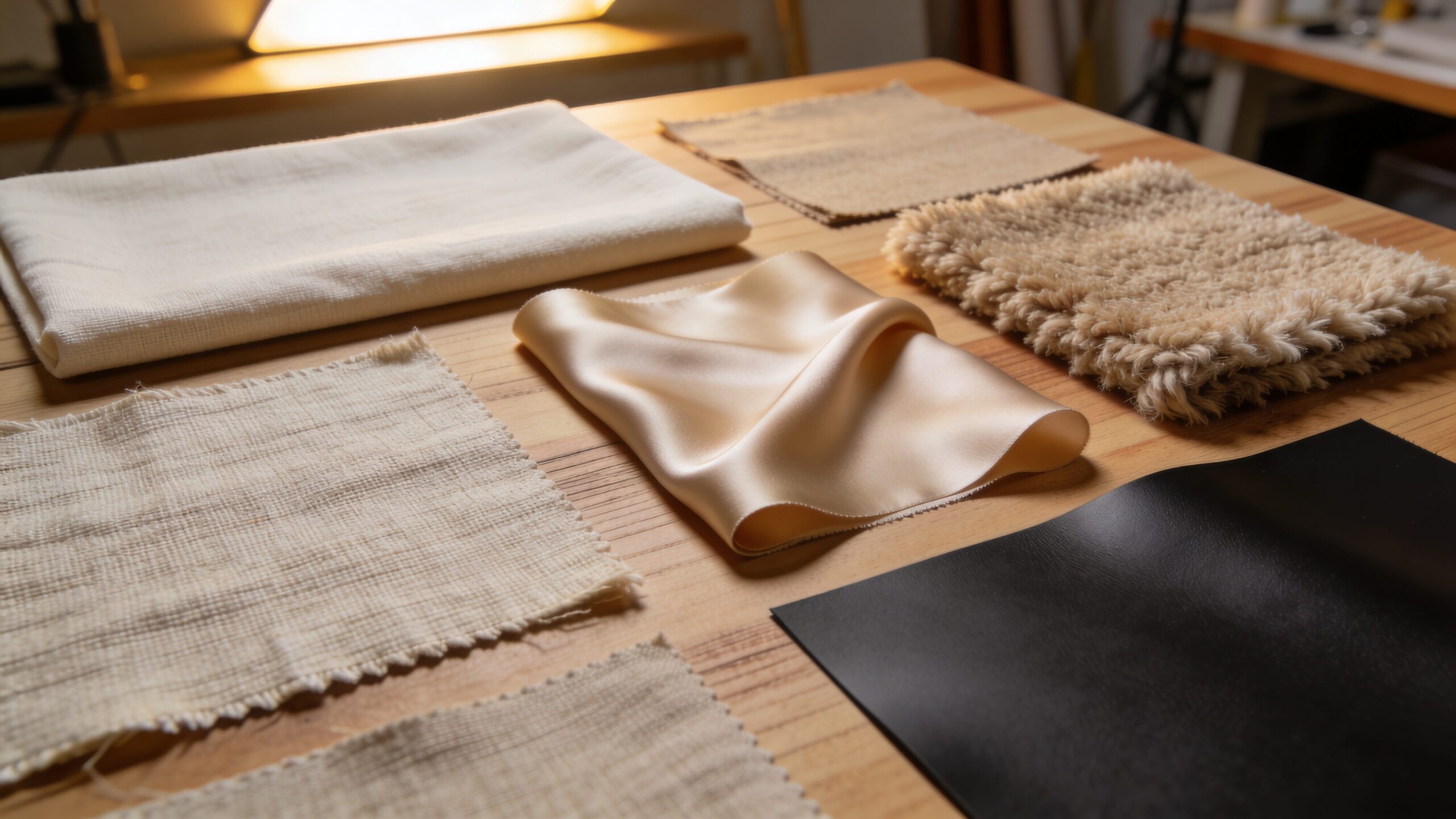
Before committing to a project, it helps to test your fabric. Feel the texture, stretch it gently, hold it up to light, wrinkle it in your hand, and check how it drapes. These simple tests reveal a lot about how the fabric will behave once cut and sewn. If possible, wash and dry a small sample before beginning. This shows whether the fabric shrinks, bleeds dye, wrinkles heavily, or changes texture. Testing may feel like an extra step, but it can save time, money, and disappointment later.
Fabric Blends: The Best of Both Worlds
Many fabrics are blends, meaning they combine two or more fiber types. Cotton-polyester blends, wool-acrylic blends, and rayon-spandex blends are common examples. Blends are designed to balance the strengths and weaknesses of different fibers. A cotton-poly blend may be softer than polyester alone but less wrinkly than pure cotton.
Blended fabrics can be excellent choices for beginners because they often offer comfort, durability, and easier care. However, blends can behave differently depending on the percentage of each fiber. Reading fabric descriptions and testing samples will help you understand what to expect.
Fabric Weight, Weave, and Texture
Fiber type is only part of the story. Fabric weight, weave, and texture also affect how a textile performs. Lightweight fabrics are good for airy garments, linings, and delicate projects. Medium-weight fabrics work well for shirts, dresses, quilting, and home décor. Heavyweight fabrics are better for coats, bags, upholstery, and structured pieces. Weave matters too. Woven fabrics are generally more stable, while knit fabrics stretch. Satin weaves create shine, twill weaves create diagonal texture, and plain weaves offer simplicity and balance. Once you understand these details, fabric shopping becomes much more strategic and exciting.
Caring for Different Fabric Types
Proper care helps fabric last longer and look better. Cotton and linen often benefit from washing before sewing. Wool may need gentle washing or dry cleaning. Silk should be handled delicately. Polyester and nylon are usually easy to wash, but they can be sensitive to high heat.
Always check care recommendations before cutting or sewing. If you are making a gift or selling handmade items, choosing fabric that is easy to care for can make the finished piece more useful. Good fabric care protects both your work and the material’s natural beauty.
Final Thoughts: Choosing Fabric with Confidence
The best fabric is not always the most expensive, the softest, or the trendiest. It is the material that fits your project’s purpose. Natural fabrics offer comfort, breathability, texture, and timeless character. Synthetic fabrics offer durability, stretch, easy care, and modern performance. Blends can combine the strengths of both. Once you understand natural vs synthetic fabric types, every project becomes easier to plan. You can choose cotton for a beginner quilt, linen for a breezy summer top, wool for a warm coat, polyester for easy-care décor, nylon for a durable bag, or spandex blends for activewear. Fabric is where every textile idea begins, and the more you understand it, the more creative freedom you gain.