There’s a special kind of heartbreak in woodworking: you build something beautiful, photograph it like a magazine spread, post it online… and it sits there. No clicks. No carts. No “Is this still available?” messages. Just silence. The truth is, not every DIY woodworking project is built for the marketplace. Some projects are perfect for your garage, your gift list, or your own home—but the internet doesn’t always want them. The projects that actually sell share a few quiet traits. They solve a real problem, fit into modern homes, photograph well, ship without drama, and feel premium in the hand. Most importantly, they can be produced consistently. Online customers don’t just buy an object; they buy confidence. They want to know the item will arrive safely, look like the photos, and work exactly as promised. This guide is about the woodworking projects that move—projects that don’t rely on luck or viral trends, but on practical demand. If you’re building to sell, you’re not just making wood look nice. You’re building products that earn their place in someone’s life.
A: Small, shippable items like boards, shelves, organizers, and desk accessories.
A: Offer a few options, but avoid unlimited customization early on.
A: Include materials, labor time, finishing, fees, packaging, and margin.
A: Great photos, clear sizing, consistent style, and strong finishing.
A: Use padding, corner protection, and snug boxes to prevent movement.
A: No—repeatable designs and clean finishes matter more than tool price.
A: Create a signature style and focus on premium presentation.
A: Yes—sets often increase order value and conversion rates.
A: Better sanding, cleaner edges, and more consistent finishing.
A: When demand is steady and your quality and branding support it.
What Makes a Woodworking Project Sell Online
Selling online isn’t the same as selling at a craft fair. At a market, a customer can touch the wood, feel the finish, and talk to you face-to-face. Online, your product has to do all of that through photos, descriptions, and trust signals.
The strongest sellers are functional first. They solve clutter, add storage, improve organization, or elevate daily routines. A cutting board sells because everyone uses a cutting board. A shelf sells because every home has a blank wall. A desk organizer sells because messy desks are universal.
The second ingredient is aesthetic clarity. People buy what matches their style, so your product needs a recognizable look: modern minimal, rustic farmhouse, Scandinavian warm, industrial clean, or something uniquely yours. When buyers can immediately picture your item in their home, they’re halfway to checkout.
Small, Shippable, and Repeatable: The Sweet Spot
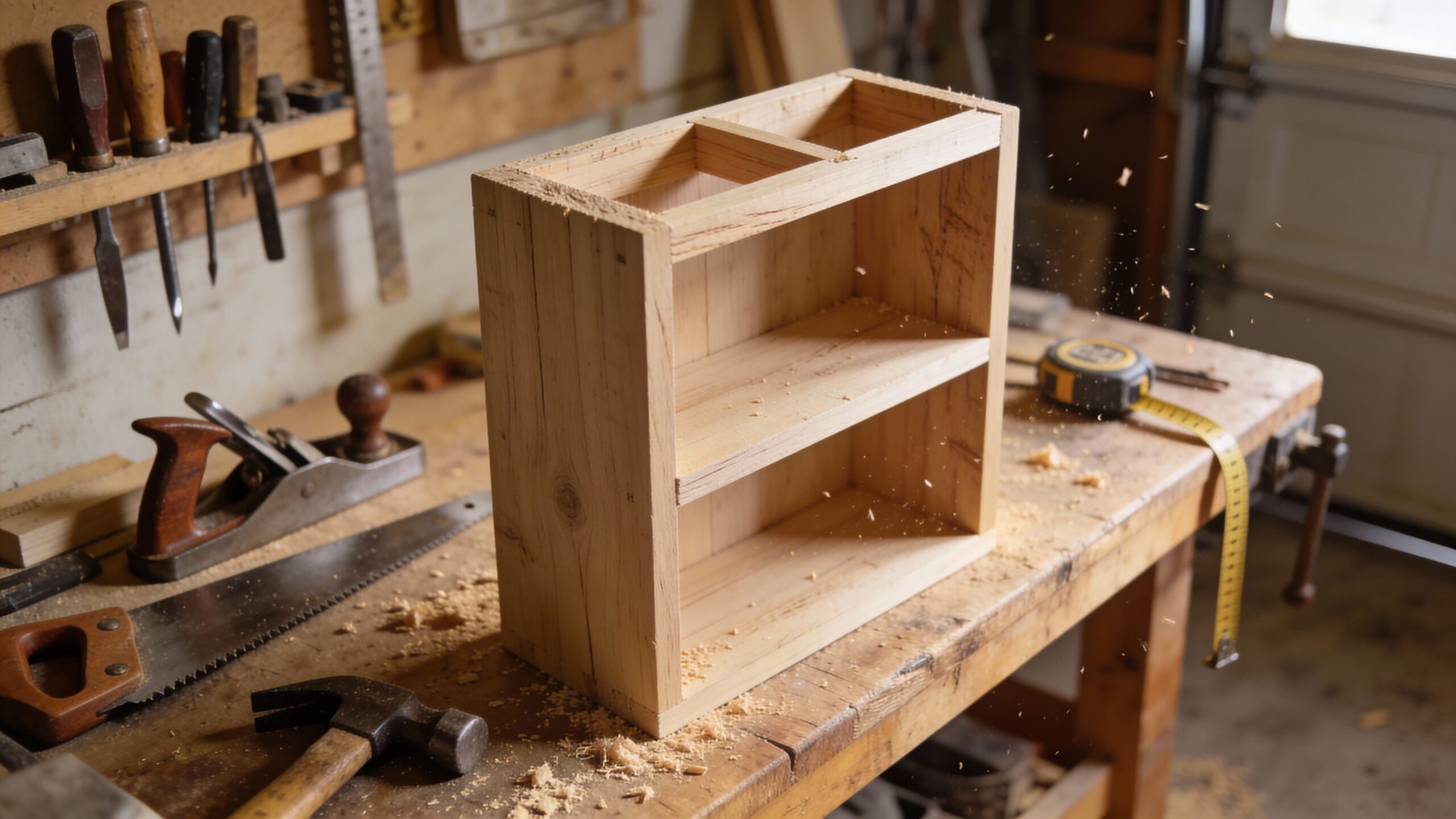
If you’re starting out, your best friend is the small project that ships well. Shipping is where many makers lose profit without realizing it. Large items cost more to box, more to insure, and more to replace if damaged. Small projects, on the other hand, can be packaged neatly and priced with predictable margins.
Repeatability matters just as much. A project that takes five hours and requires constant measuring from scratch may look impressive, but it’s hard to scale. The projects that sell consistently are often the ones you can build in batches: cut all pieces at once, sand together, finish together, and photograph as a cohesive collection.
Cutting Boards That Don’t Compete on Cheap
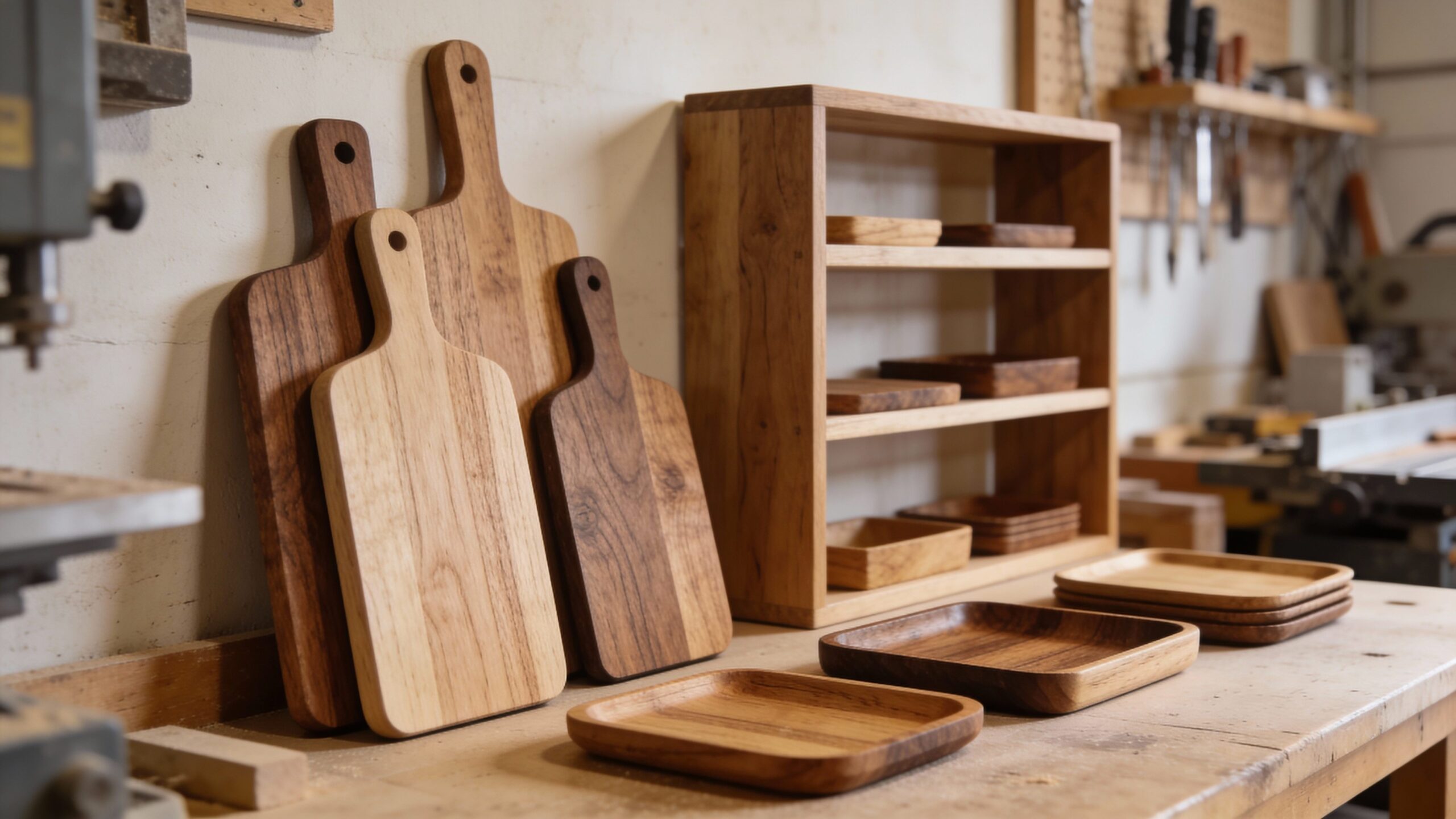
Cutting boards remain one of the most reliable sellers in woodworking, but the market is crowded. The boards that sell aren’t the cheapest ones—they’re the ones that look intentional. That means attractive wood combinations, clean edges, a smooth finish, and a shape that feels modern. A board can be functional, but it can also be a countertop statement piece. The real selling power comes from upgrades that don’t add a ton of labor. Juice grooves, rounded corners, hanging holes, or a two-tone design can elevate the look instantly. Personalization can also increase value, but even without customization, boards that feel premium in photos tend to perform well online.
Serving Trays and Charcuterie Boards That Photograph Like Luxury
Serving pieces sell because they’re “giftable” and “displayable” at the same time. A tray is useful, but it also becomes part of a styled home—coffee tables, kitchen counters, dining rooms, and photo-worthy gatherings. This category thrives on aesthetics.
If you want projects that sell, build items that look like they belong in a boutique. Clean lines, consistent proportions, and finishes that enhance grain rather than drown it. When these pieces are staged well in photos—soft daylight, minimal props, and clear texture—they become difficult for shoppers to scroll past.
Floating Shelves and Wall Storage That Fix Real Problems
Wall-mounted products sell because they create space out of thin air. Customers love the idea of making a room feel bigger without renovating. Floating shelves are especially popular because they fit nearly any style and can be scaled into sets. The key for sellers is clarity and confidence. Buyers want to know the shelf is sturdy, easy to install, and sized correctly. Listings that communicate load expectations, include mounting details, and show shelves in real rooms tend to convert better. If your shelf looks clean, mounts well, and feels solid, it’s a product category with strong demand.
Entryway Organizers That Sell on “Daily Relief”
Some of the best-selling woodworking products are the ones that quietly make life easier. Entryway pieces—key racks, mail organizers, coat hooks, and small shelves—sell because they solve a daily annoyance. People don’t buy them because they’re trendy. They buy them because they’re tired of losing keys.
This category also benefits from variety. Different households need different sizes and hook counts. If you offer a few consistent options while keeping the style cohesive, customers can choose what fits their space without asking for a full custom build.
Plant Stands and Indoor Greenery Accessories
Plants have become a permanent fixture of modern home décor, which means plant stands and planter accessories continue to sell well. The best part is that these projects can be designed to ship efficiently if you plan for it. Knockdown designs or compact footprints reduce shipping headaches. Plant products also photograph beautifully. Wood and greenery naturally complement each other, which makes your listings more visually compelling. When a product looks good in a photo without heavy styling, it has a major advantage online.
Desk Organizers and Small Office Upgrades
Remote work and home offices have created steady demand for desk accessories: monitor risers, pen holders, cable organizers, and small shelving units that fit on a desk. These items are typically compact, repeatable, and easy to photograph.
The selling angle here is “calm.” Buyers want a workspace that looks clean and feels organized. Your woodworking can deliver that feeling, but only if the product design is simple and the finish is clean. A desk organizer that looks sharp in a listing photo often sells itself.
Simple Furniture That Sells Without Custom Chaos
Furniture can be profitable, but it’s also where makers can get buried in custom requests. The beginner-friendly selling approach is to offer simple furniture in standardized sizes: small benches, step stools, side tables, or narrow console tables. These pieces can be repeated with jigs and templates rather than reinvented every time. Furniture customers pay for stability and finish. A wobbly piece is a reputation killer. Designs that emphasize strong structure—good bracing, solid joinery choices, and clean assembly—build trust. When you keep furniture offerings focused and repeatable, you can charge premium prices without drowning in complexity.
What Customers Actually Pay For
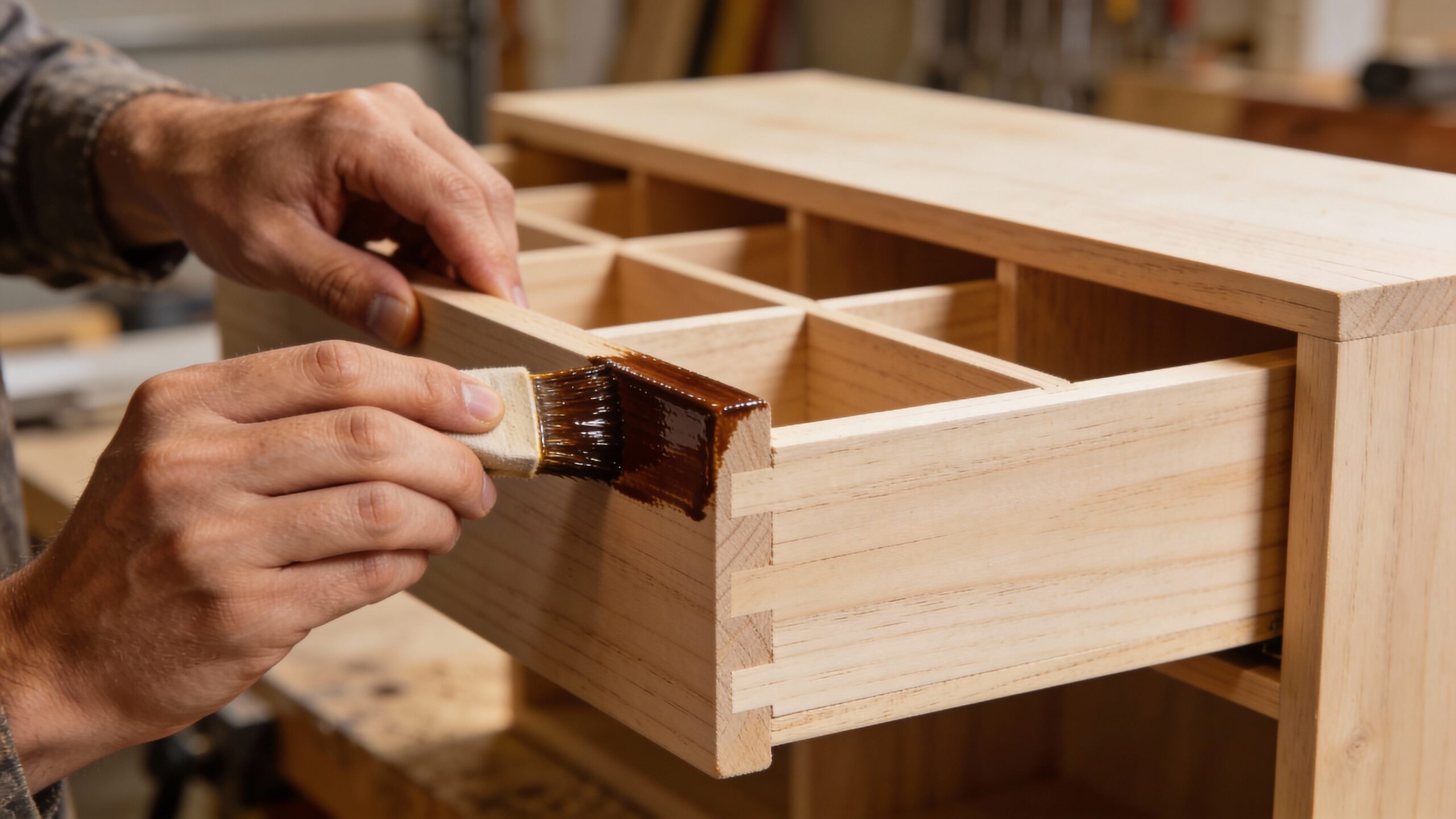
Online buyers often pay more for the same object when it looks “finished.” That means edges are softened, surfaces are smooth, corners feel intentional, and the finish is even. A project doesn’t need to be complicated to be valuable—it needs to feel complete.
Customers also pay for consistency. When your products share a recognizable style, your shop feels like a brand, not a random collection of experiments. Branding isn’t just logos; it’s your design language, your photo style, and your tone.
Pricing DIY Woodworking Projects Like a Business
Pricing is where many DIY sellers accidentally sabotage themselves. If you price too low, you’ll sell, but you’ll resent every order. If you price too high without premium presentation, you’ll get views but no conversions. The strongest pricing strategy starts with honesty. Materials matter, but so does time. Sanding and finishing are labor, packaging is labor, and answering customer messages is labor. A sustainable price includes room for all of that, plus profit. If the price doesn’t support the time required, it isn’t a business—it’s a workload.
Making Products “Sellable” With Better Photos
You can build a perfect product and still struggle to sell if your photos don’t communicate quality. Online, photography is the handshake. Clean lighting, clear angles, and visible texture do more work than fancy props.
The best product photos show scale and use. A shelf should be shown on a wall in a real room. A tray should be styled minimally so buyers can imagine it in their space. If your product looks good in natural light with simple staging, it will often outperform more complicated setups.
The Not-So-Secret Weapon: Batching and Systems
Projects that sell consistently are often made consistently. The easiest way to do that is batching. Cut all parts for multiple units, sand them together, assemble in stages, and finish in a controlled sequence. This improves quality while reducing time per item. Systems also reduce mistakes. Templates, jigs, and standardized material dimensions help you produce repeatable results. Buyers love consistency, and you’ll love the efficiency.
How to Know If a Project Will Sell Before You Build It
A good selling project usually answers “yes” to a few simple questions. Is it useful in most homes? Does it ship without pain? Can you make it repeatedly without losing your mind? Does it photograph clearly? Does it have a natural gift angle?
If you can’t picture how it will be packaged, priced, and photographed, it’s probably better as a personal build than a product line. The goal is to build items that fit into an online buying experience, not just into your workshop.
Building a Shop That Feels Like a Brand
The makers who sell steadily aren’t always the most advanced woodworkers. They’re the ones who deliver a consistent customer experience. Their listings feel cohesive, their products look related, their packaging feels thoughtful, and their tone feels reliable. When you build a shop like that, customers don’t just buy one item. They browse. They favorite. They come back for gifts. They recommend you. That’s when “DIY projects” become a real sales engine.
The Bottom Line: Build for People, Not Just for Woodworkers
Woodworkers love clever joinery. Customers love products that make life easier and look great doing it. When you build DIY woodworking projects that actually sell, you’re building for real people: busy households, gift givers, new homeowners, and anyone trying to make their space feel better.
Start with functional, shippable, repeatable projects. Finish them like they’re premium. Photograph them like they belong in a magazine. Then build the next one just a little better. That’s how sales become consistent—and how a DIY maker becomes a woodworking business.