A weekend is a magical amount of time. It’s long enough to make something real, but short enough that you can’t overthink it into oblivion. That’s why weekend woodworking is the sweet spot for beginners, busy homeowners, and anyone who wants a clean “before and after” without turning their garage into a month-long construction site. The trick isn’t finding projects that look simple on the internet. The trick is choosing projects that stay simple in real life—projects that don’t demand specialty jigs, rare hardware, or a finish schedule that takes longer than the build. The best weekend projects have a clear path: a handful of cuts, straightforward assembly, a forgiving finish, and an end result you’ll actually use. This guide is built around that idea: quick woodworking wins that feel satisfying, look professional, and fit into a normal weekend. Whether you’ve got a full shop or a basic tool kit, these projects are designed to deliver results fast—without sacrificing quality.
A: A simple shelf, tray, or small organizer is fast and beginner-friendly.
A: Sand well, soften edges, and apply thin, even coats of finish.
A: No—basic tools and careful measuring are enough for many builds.
A: Plywood, pine, and poplar are common, affordable, and easy to work with.
A: Finishing, sanding, and fixing small mistakes usually add the extra time.
A: Use a level, mark carefully, and measure from two points before drilling.
A: Yes—choose a small build and use a quick, forgiving finish.
A: Use a random orbit sander and work through grits without skipping steps.
A: Often yes—glue adds strength, screws hold parts while it cures.
A: Clean cuts, smooth sanding, softened edges, and an even finish do the trick.
The Weekend Woodworking Mindset: Build for Momentum
Weekend projects aren’t about perfection. They’re about momentum. When you finish a project quickly, you don’t just gain a new shelf or tray—you gain confidence. You learn how your tools behave, how wood reacts to screws and glue, and how finishing can turn “rough carpentry” into “handmade décor.”
Momentum also keeps your workshop tidy and your life peaceful. A project that drags on tends to sprawl: tools left out, sawdust piling up, pieces leaning against walls. But a weekend project has a built-in finish line. You’re more likely to clean up because you can see the end.
The other mindset shift is this: weekend woodworking is about choosing designs that are simple but intentional. Clean lines, consistent spacing, and crisp edges can look modern and expensive—even if the build itself is straightforward.
A Realistic Weekend Timeline That Works
Most people try to do everything in one long day, and that’s how projects get rushed. A better approach is to split the weekend into two phases.
Day one is for cutting and building. That’s when your energy is high, your focus is sharp, and you want to see shape emerge. Day two is for sanding, finishing, and installation. Finishing always takes longer than you think, and giving it its own day prevents the classic mistake of slapping on a messy coat at 9 p.m. because you’re desperate to be “done.”
If you plan like this, you’ll finish more projects—and your results will look cleaner without extra effort.
Project 1: Floating Shelves That Actually Look Clean
Floating shelves are the perfect weekend build because they’re simple in concept and huge in impact. A bare wall can feel unfinished, and a well-placed shelf changes the entire mood of a room. The key is keeping the design clean: straight boards, consistent thickness, and hardware that disappears.
The build itself can be straightforward: cut your shelf boards, sand thoroughly, finish with a wipe-on product, and mount using a hidden bracket system or a simple cleat approach. The “secret” to professional-looking shelves is precision at the beginning—square cuts and careful measuring—so installation feels easy instead of stressful.
The satisfaction payoff is huge. When you step back and see a shelf perfectly level with a plant or books styled on top, the room instantly looks more intentional.
Project 2: A Wooden Serving Tray That Feels Boutique
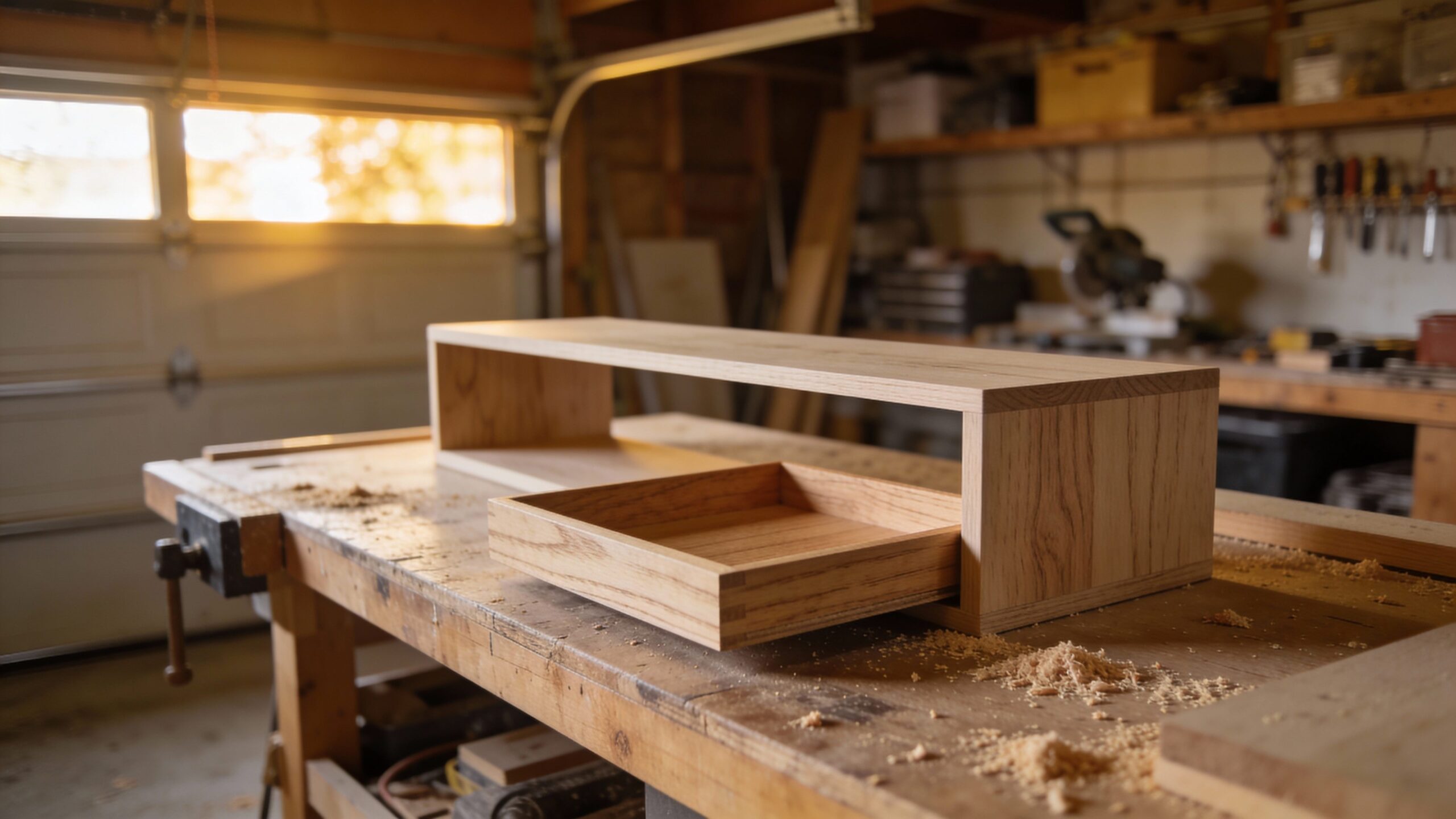
A tray is a weekend classic because it’s essentially a small platform with edges—yet it can look like a premium home accessory with the right details. If you keep the proportions balanced and soften the edges, a simple tray becomes something people leave out on purpose.
The build is forgiving. You can use a single board for the base and add thin side rails, or build it from multiple boards for a wider surface. The finish makes the tray. Sanding to a silky feel and applying a warm, even coat transforms the project from “DIY” to “gift-worthy.”
Trays also photograph beautifully, which is a bonus if you like documenting your builds or sharing them online. Wood grain and soft light are a natural match.
Project 3: An Entryway Key Shelf and Hook Rack
If you want a project that delivers daily satisfaction, build something for the entryway. Keys, sunglasses, dog leashes, and mail create clutter fast, and a simple wall-mounted organizer fixes the problem immediately.
This project is weekend-friendly because it doesn’t require complicated joinery. You’re building a clean backboard with a small shelf and hooks underneath. The design can be modern and minimal, or rustic and chunky, depending on your style. The real win is function: a place for everything means fewer frantic mornings.
An entryway piece also looks great in photos and helps your home feel “put together” in a way that’s hard to describe but easy to notice.
Project 4: A Small Plant Stand That Levels Up Any Corner
Plant stands are the ultimate quick-win décor project. They don’t need complex joinery to look great, and they instantly improve the look of a room by giving height and structure to greenery.
A simple stand can be built with straight legs, a square top, and basic bracing. The key is stability—make sure it doesn’t wobble—and clean finishing. Even if your cuts aren’t perfect, careful sanding and softened edges can make the piece feel intentional.
The best part is that plant stands are adaptable. You can build one, then tweak the height and build a second. A matching pair looks like a design choice, not a coincidence.
Project 5: A Desk Organizer That Clears Visual Noise
A desk organizer is small, practical, and perfect for weekend woodworking because it can be built with offcuts and simple cuts. A few compartments, a small shelf, or a slot for notebooks can transform a cluttered desk into a calmer workspace.
This project is especially satisfying because it’s a functional upgrade that doesn’t demand much material. It also teaches helpful skills: measuring small parts, keeping things square, and finishing cleanly on smaller surfaces.
When you place it on your desk and everything finally has a home, it feels like you built more than wood—you built order.
Project 6: A Simple Bench That Teaches Structure
If you want a weekend project that feels substantial, build a small bench. Not a giant dining bench that requires complex joinery—just a compact bench for an entryway, mudroom, or the foot of a bed. The design can be basic: a top, legs, and bracing for strength.
A bench teaches structure. You learn how bracing prevents wobble, how fasteners interact with wood grain, and how sanding and finishing define the final look. And when it’s done, you have something that feels like “real furniture,” even if the construction is straightforward.
The key is to keep the dimensions simple and the build steps clear. A weekend bench is about smart design choices, not complicated techniques.
Why Some “Simple” Projects Take Forever
Some projects look simple but hide time traps. Tiny drawers, complicated angles, and intricate hardware can turn a weekend into a week. The fastest builds avoid those traps by focusing on simple geometry: rectangles, squares, and straight lines.
Finishing is the biggest time trap of all. A finish that requires long cure times or multiple complex coats can blow up your timeline. For weekend builds, choose finishes that are forgiving and quick to apply in thin layers. You’ll get better results and actually finish on schedule.
The Fastest Way to Make a Project Look Professional
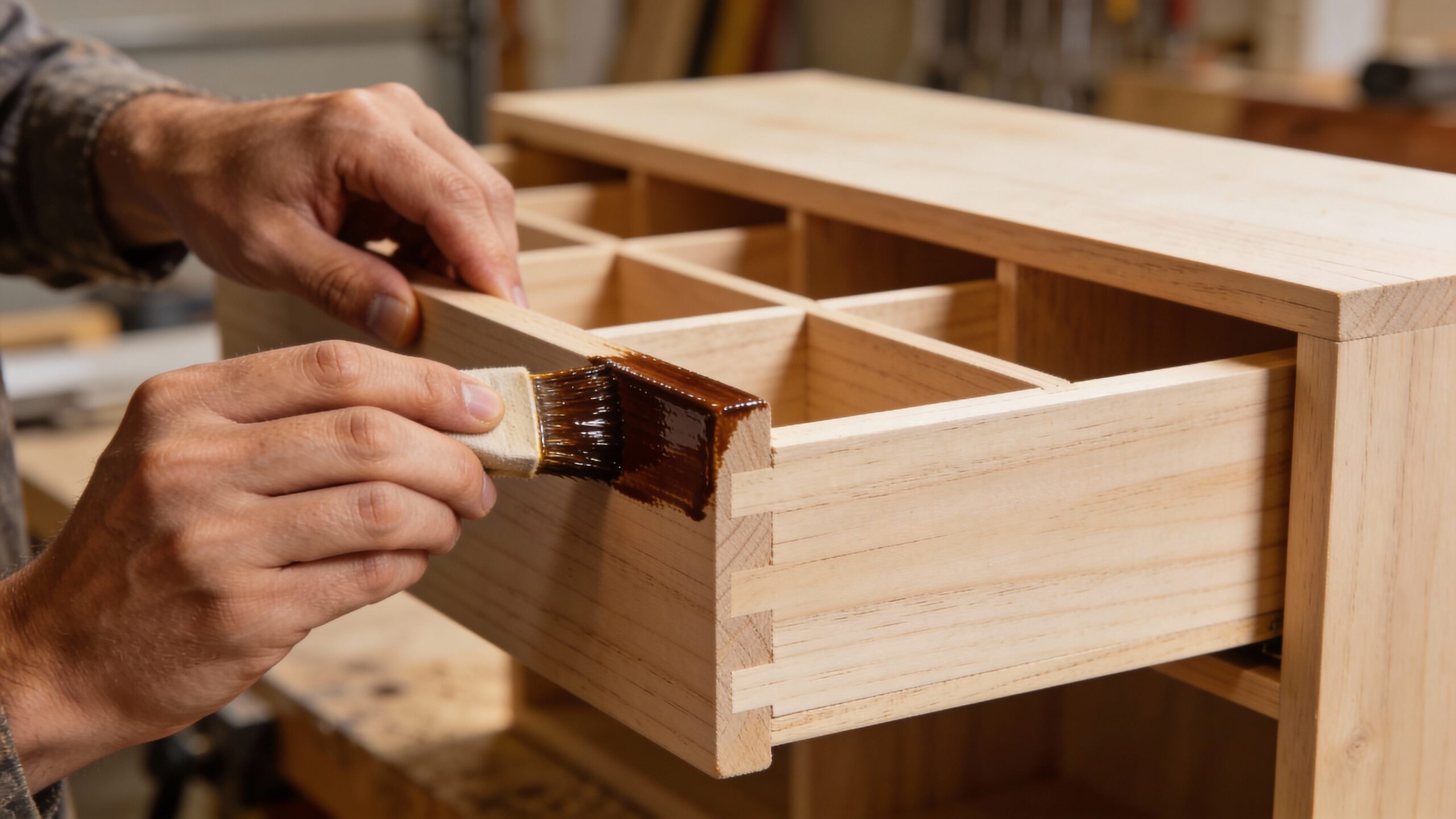
Most woodworking projects don’t fail because of design. They fail because of finishing details that make the piece look rushed. If you want a pro look in a weekend, prioritize three things: clean sanding, softened edges, and an even finish.
Clean sanding isn’t about sanding forever—it’s about sanding smart. Move through grits in steps, remove scratches as you go, and don’t skip the “boring” parts like edges and corners. Softened edges make every project feel higher quality because sharp corners look unfinished and feel uncomfortable.
An even finish is the final polish. Thin coats, good lighting, and patience beat heavy coats every time.
Working With Basic Tools Without Losing Accuracy
You don’t need a massive shop to build impressive weekend projects. What you do need is consistency. A speed square, a good tape measure, clamps, and a reliable saw can produce clean results when you slow down and mark carefully.
Accuracy comes more from layout than from expensive machinery. Measure twice, mark clearly, cut deliberately, and use guides when possible. Many weekend projects become “professional” simply because the maker took time on the first step: getting measurements and cuts clean.
Picking the Right Wood for Weekend Builds
Weekend woodworking is easier when you pick stable, predictable materials. Plywood is often a great choice for shelves and organizers because it stays flat and cuts cleanly with the right blade. Pine and poplar are common weekend staples because they’re affordable and easy to work with.
Hardwoods can elevate a project, but they can also add cost and sanding time. For quick projects, you can get a premium look by focusing on finish quality rather than chasing expensive wood. A well-finished simple board often looks better than fancy wood with a rushed finish.
The Weekend Payoff: A Home That Slowly Improves
The best part of weekend woodworking is that it compounds. One shelf becomes two. One plant stand becomes a set. One organizer leads to another. Over a few weekends, your home begins to feel more customized, more functional, and more “yours.”
These projects aren’t about building a perfect workshop identity. They’re about improving your space and building skills at the same time. The confidence you gain from finishing projects quickly will push you into bigger builds later—because you’ll trust yourself to complete what you start.
If you want woodworking to stick as a hobby (or become something bigger), weekend projects are how you build the habit. Not by dreaming about the perfect project, but by finishing real ones—one Saturday and Sunday at a time.