Woodworking can look like a world reserved for massive table saws, dust collectors the size of refrigerators, and workshops that smell like fresh-cut oak year-round. But here’s the secret most experienced makers eventually admit: you don’t need a full-blown shop to build beautiful things. You need a plan, a handful of basic tools, and a willingness to make the first cut—even if it isn’t perfect. Beginner woodworking is less about building “masterpieces” and more about building momentum. Small wins teach you the rhythm of measuring, cutting, sanding, and finishing. Each project becomes a stepping stone, and before you know it, you’re not just making objects—you’re shaping your space, your skills, and your confidence.
A: Yes—many beginner projects work with a circular saw or handsaw.
A: A simple shelf, tray, or small box teaches the essentials quickly.
A: No—pine, poplar, and plywood can look great with good finishing.
A: Pre-drill holes and avoid screwing too close to the edge.
A: Sand thoroughly, break sharp edges, and apply an even finish.
A: Often yes—glue adds strength, screws hold while it cures.
A: Wipe-on finishes are forgiving and easy to apply evenly.
A: Use a level, measure from two points, and mark carefully before drilling.
A: Absolutely—plywood is stable, practical, and widely used in quality builds.
A: Many can be finished in a weekend, including sanding and finishing time.
What “Basic Tools” Really Means
When people say “basic tools,” they’re usually talking about a simple, practical kit: a tape measure, a speed square, a pencil, a drill/driver, a sander (or sanding block), a handsaw or circular saw, clamps, and a reliable set of bits. Add wood glue, a few screws, and sandpaper grits, and you can build a surprising number of useful projects.
The goal isn’t to buy everything at once. It’s to learn what each tool does and how it behaves in your hands. Basic tools reward patience and precision, and they teach you habits that even advanced woodworkers rely on every day.
The First Skill Beginners Actually Need
Before the projects, there’s one skill that quietly decides how your woodworking journey feels: measuring and marking clearly. A slightly crooked line becomes a slightly crooked cut, which becomes a wobbly project you’ll notice forever. The good news is that this is the easiest skill to improve quickly. Learn to mark with confidence. Use a square to keep lines straight. Double-check your measurement before you cut. Then check it again. This small ritual doesn’t slow you down—it saves you from rebuilding later.
Project One: The Simple Wall Shelf That Changes a Room
A wall shelf is one of the best beginner projects because it’s useful, customizable, and forgiving. A simple board shelf teaches you how to cut to length, sand clean edges, and mount something level. Even if the shelf isn’t perfect, it still holds books, plants, or framed photos—and it looks far better than a blank wall.
The secret to a shelf that feels “professional” is the finish. A smooth sanded surface and a clean coat of stain or clear finish turns a basic board into something that looks intentional. It’s not a complicated build, but it delivers a big payoff.
Project Two: A Wooden Tray That Feels Like Décor
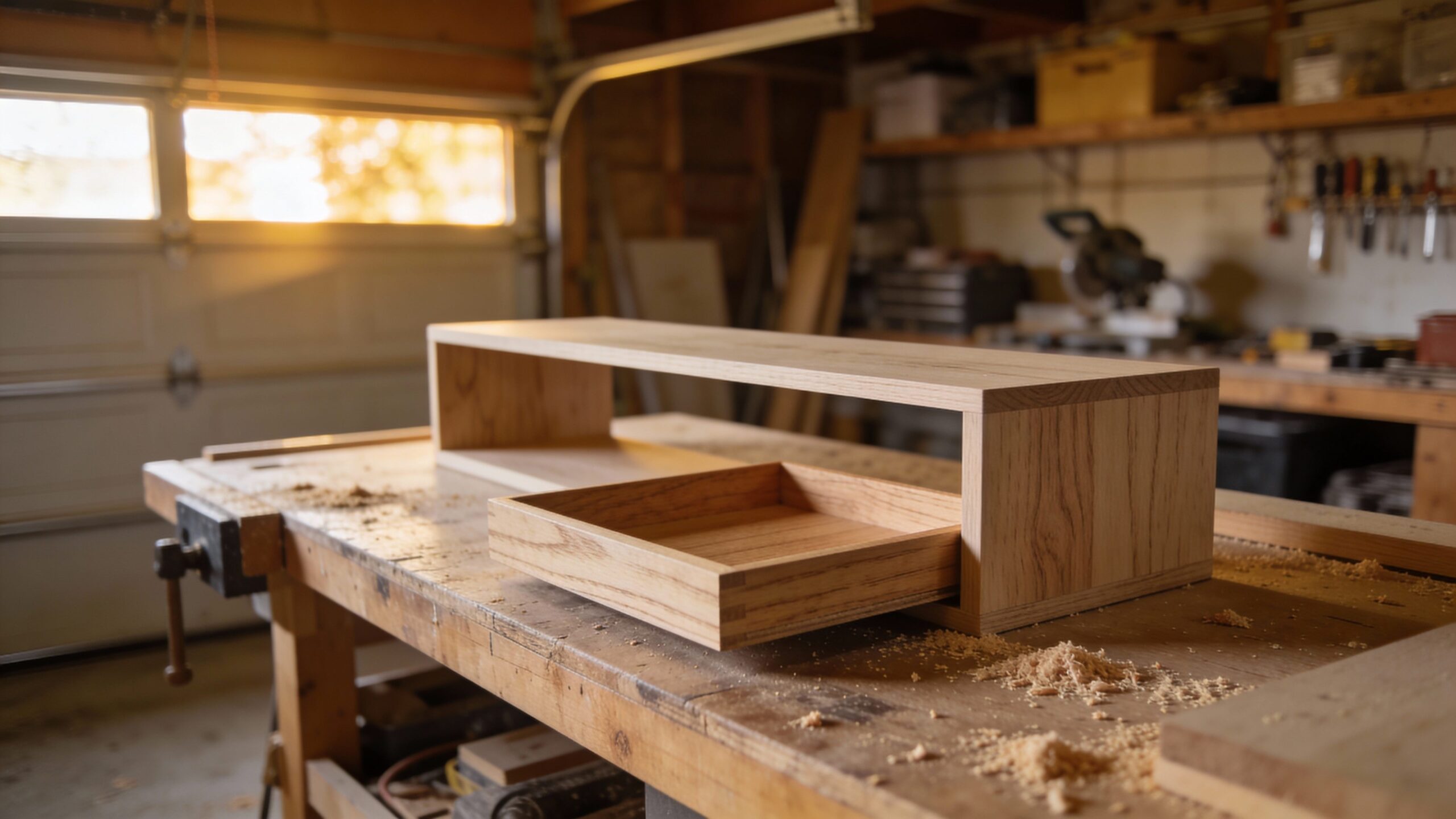
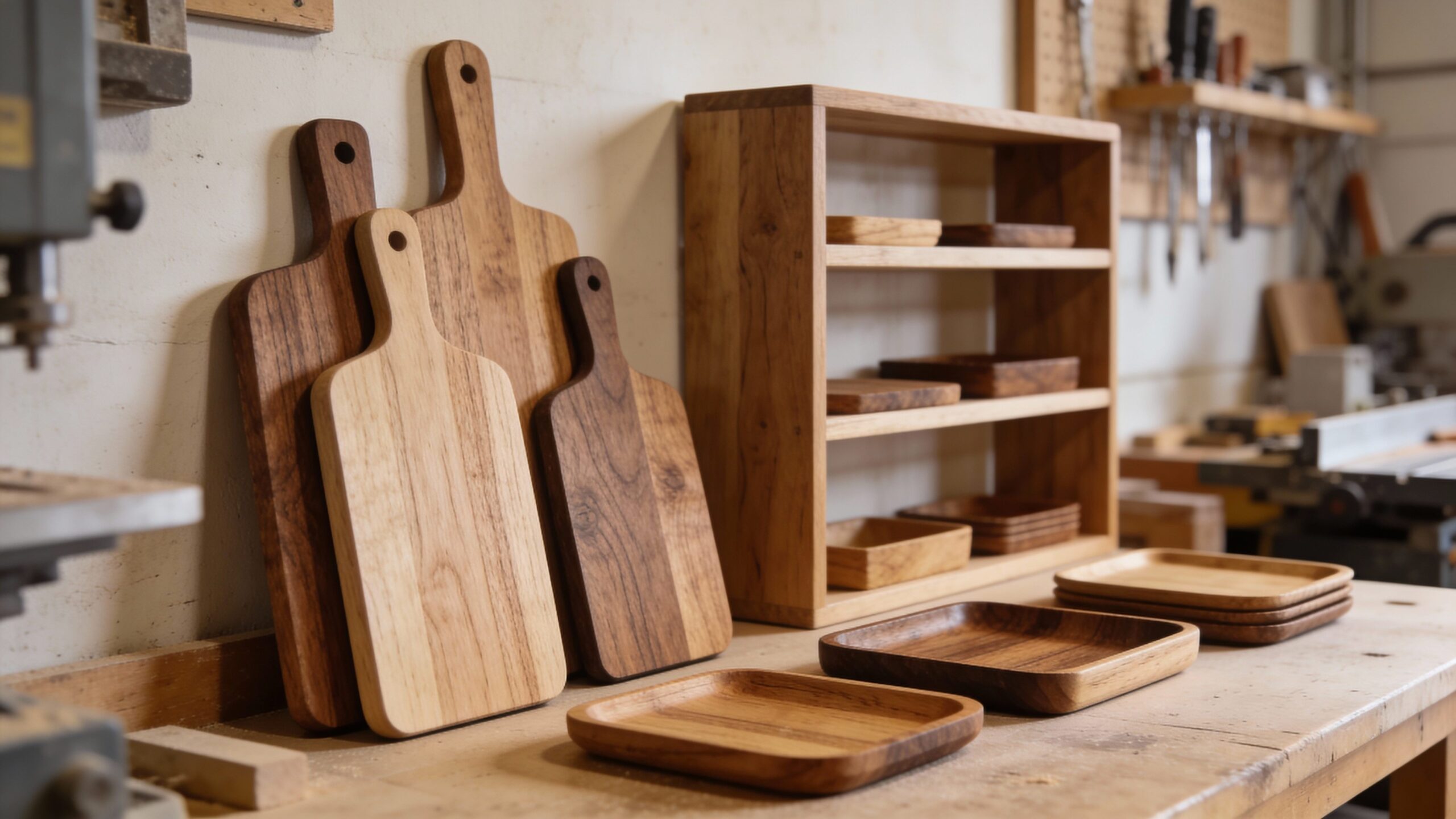
A wooden tray is a beginner-friendly project that instantly looks high-end when finished well. It also teaches a few key lessons: how to make consistent cuts, how to assemble a rectangle square, and how to sand corners until they feel smooth in the hand. Trays work in almost every room. In the kitchen they corral oils and spices. In the living room they organize remotes and candles. In the bedroom they become a landing zone for keys and watches. It’s a small build that makes your home feel more put-together.
Project Three: The “No-Regrets” Planter Box
Planter boxes are beginner favorites because they’re straightforward, forgiving, and fun to customize. You can build one with basic cuts and screws, and still end up with something that looks like it came from a boutique garden shop.
This project is also a great introduction to thinking about environment. Outdoor projects need finishes that can handle moisture and sun. Learning that early makes you a smarter woodworker, because you start building with real-world wear in mind.
Project Four: A Small Stool That Teaches Real Joinery Thinking
A simple stool is the project that begins to feel like furniture, even if it’s small. It teaches you about strength and stability. A stool can’t just look good—it has to hold weight without wobbling or creaking. You don’t need complex joinery to start. Well-placed screws, glue, and careful bracing can create a strong stool with beginner tools. But the project introduces an important mindset: wood moves, weight matters, and design is not just style—it’s structure.
Project Five: A Floating Key Holder That Solves Daily Clutter
Some of the most satisfying woodworking projects are the ones that quietly improve your mornings. A key holder, mail shelf, or entryway organizer is small enough to build in a weekend, but valuable enough to change your daily routine.
This project teaches clean layout and spacing. Hooks need to be evenly placed. Shelves need to be level. The wood has to feel smooth because people touch it constantly. It’s a small build, but it demands the kind of care that builds real skill.
Project Six: A Simple Storage Box That Makes You Better Fast
A wooden box is the beginner project that appears simple and then teaches you a dozen lessons. It reveals whether your cuts are square. It challenges you to align corners. It forces you to sand edges until they feel finished. And it rewards you with something you can actually use. Boxes can become toy storage, pantry organizers, tool carriers, or décor bins. Once you build one you like, you’ll start seeing boxes everywhere you could use them—and you’ll realize how quickly small woodworking becomes part of your home’s design language.
Project Seven: The Beginner Bookshelf That Doesn’t Feel “Beginner”
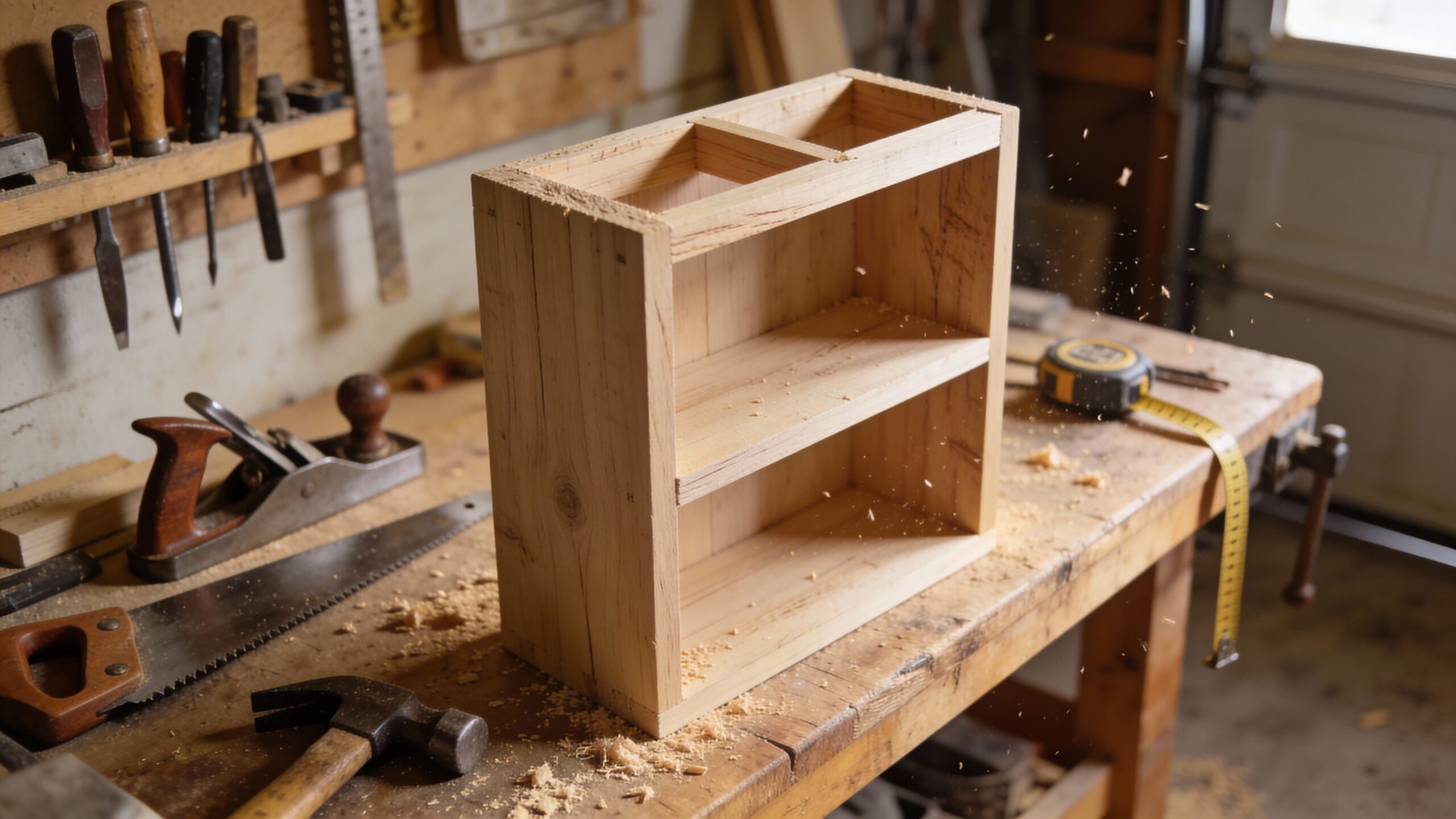
A small bookshelf, especially a low one, is a perfect step up in complexity without becoming overwhelming. It introduces you to repeatable parts, consistent spacing, and stability. You’ll practice making multiple pieces the same length, which is one of the core skills behind nearly every larger build.
The key to making a beginner bookshelf look polished is proportion. Slightly thicker material, simple trim, or a clean finish can elevate the whole project. It’s less about fancy design and more about making the basics look intentional.
The Real Secret: Sanding and Finishing Is Where Quality Lives
Beginners often think the “hard part” is cutting wood. In reality, sanding and finishing are what make projects feel premium. A rough edge makes even a good design look unfinished. A smooth surface with a clean finish makes even a simple build look like it belongs in a curated home. Finishing is also where patience pays off. Thin coats, proper drying time, and light sanding between coats can turn basic lumber into something that looks and feels refined. This is where the craft becomes visible.
Choosing Beginner-Friendly Wood Without Overthinking It
For beginners, it’s tempting to chase “the perfect wood” before building anything. A better approach is to choose wood that’s accessible, stable, and forgiving. Pine is affordable and easy to work with. Poplar takes paint well. Simple hardwood boards can be used selectively on projects where appearance matters.
The best wood is the wood you can practice on. Every project teaches you something about grain direction, splitting, sanding behavior, and finish absorption. Over time, you’ll develop preferences naturally.
Safety and Confidence Go Together
Woodworking is exciting, but it’s also real work with real tools. Beginners build confidence faster when they build safely. Workpieces should be secured, cuts should be planned, and fingers should never feel “close enough.” The habits you form early will follow you into every future project. A calm, deliberate approach also produces better results. Rushing leads to mistakes, and mistakes lead to frustration. Slow is smooth, and smooth becomes fast.
Growing Your Skills With Intentional Project Progression
A smart beginner path is to progress projects by skill, not by size. Start with flat, simple builds like shelves and trays. Move to projects that require assembly accuracy like boxes. Then step into weight-bearing items like stools and benches. Each step adds complexity while building on what you already learned.
The joy of this approach is that every project is useful. You’re not making practice pieces that sit in a corner. You’re building a home filled with things you made with your own hands.
The Home You Build Along the Way
Woodworking for beginners isn’t about proving anything. It’s about making your home feel more like yours. Every shelf you hang, every tray you sand smooth, every box you build square becomes part of your environment—and part of your story. With basic tools, you can do more than you think. Start small. Build something useful. Finish it well. Then build the next thing. That’s how a beginner becomes a woodworker.