Understanding Mechanical Design and Its Importance
Mechanical design is the backbone of modern engineering, shaping everything from small consumer devices to massive industrial systems. At its core, it involves conceptualizing, analyzing, and creating mechanical systems that perform specific functions efficiently and reliably. Whether designing a simple hinge or a complex robotic arm, mechanical design transforms ideas into tangible, working solutions that power industries and everyday life. The importance of mechanical design extends far beyond functionality. It directly impacts product performance, durability, safety, and cost. A well-designed system not only operates efficiently but also minimizes maintenance and extends lifespan. As industries evolve and demand higher performance with lower environmental impact, mechanical design continues to play a critical role in innovation and sustainability.
A: It is the process of creating systems that use mechanical components to perform tasks.
A: Yes, CAD is essential for modern design work.
A: It depends on strength, weight, and application needs.
A: It validates designs before production.
A: A simulation method to analyze stress and performance.
A: Iterate, test, and refine continuously.
A: Yes, it offers diverse and rewarding opportunities.
A: Nearly all, including automotive, aerospace, and robotics.
A: Study fundamentals and practice with real projects.
A: It will be driven by AI, automation, and sustainability.
The Mechanical Design Process from Concept to Creation
The mechanical design process begins with identifying a problem or need, followed by brainstorming potential solutions. This conceptual phase is where creativity meets engineering logic, as designers explore different approaches while considering constraints such as cost, materials, and performance requirements. Sketches, rough models, and initial calculations help bring ideas into a more structured form.
Once a concept is selected, the design moves into detailed development. Engineers use advanced tools to create precise models, run simulations, and refine dimensions. Prototyping and testing follow, allowing designers to validate assumptions and identify potential issues. This iterative process ensures that the final product meets all functional and performance expectations before moving into manufacturing.
Core Principles Every Mechanical Designer Should Know
Successful mechanical design relies on a strong understanding of fundamental principles such as force, motion, energy, and material behavior. Concepts like stress and strain help engineers determine how components will respond under load, while kinematics and dynamics explain how parts move and interact. These principles form the foundation for designing systems that are both efficient and reliable. Another essential principle is simplicity. While it may be tempting to create complex solutions, the most effective designs are often the simplest. Reducing unnecessary components, minimizing friction, and optimizing geometry can significantly improve performance and reduce costs. Mastering these principles allows designers to create systems that are both elegant and functional.
Materials Selection and Its Impact on Design
Choosing the right materials is one of the most critical aspects of mechanical design. Different materials offer varying levels of strength, flexibility, weight, and resistance to environmental factors. Engineers must carefully evaluate these properties to ensure that each component performs as intended under real-world conditions.
Material selection also affects manufacturing processes and overall cost. Lightweight materials may improve efficiency but can be more expensive, while durable materials may increase longevity but add weight. Balancing these trade-offs requires a deep understanding of both material science and application requirements, making it a key skill for any mechanical designer.
Tools and Technologies in Modern Mechanical Design
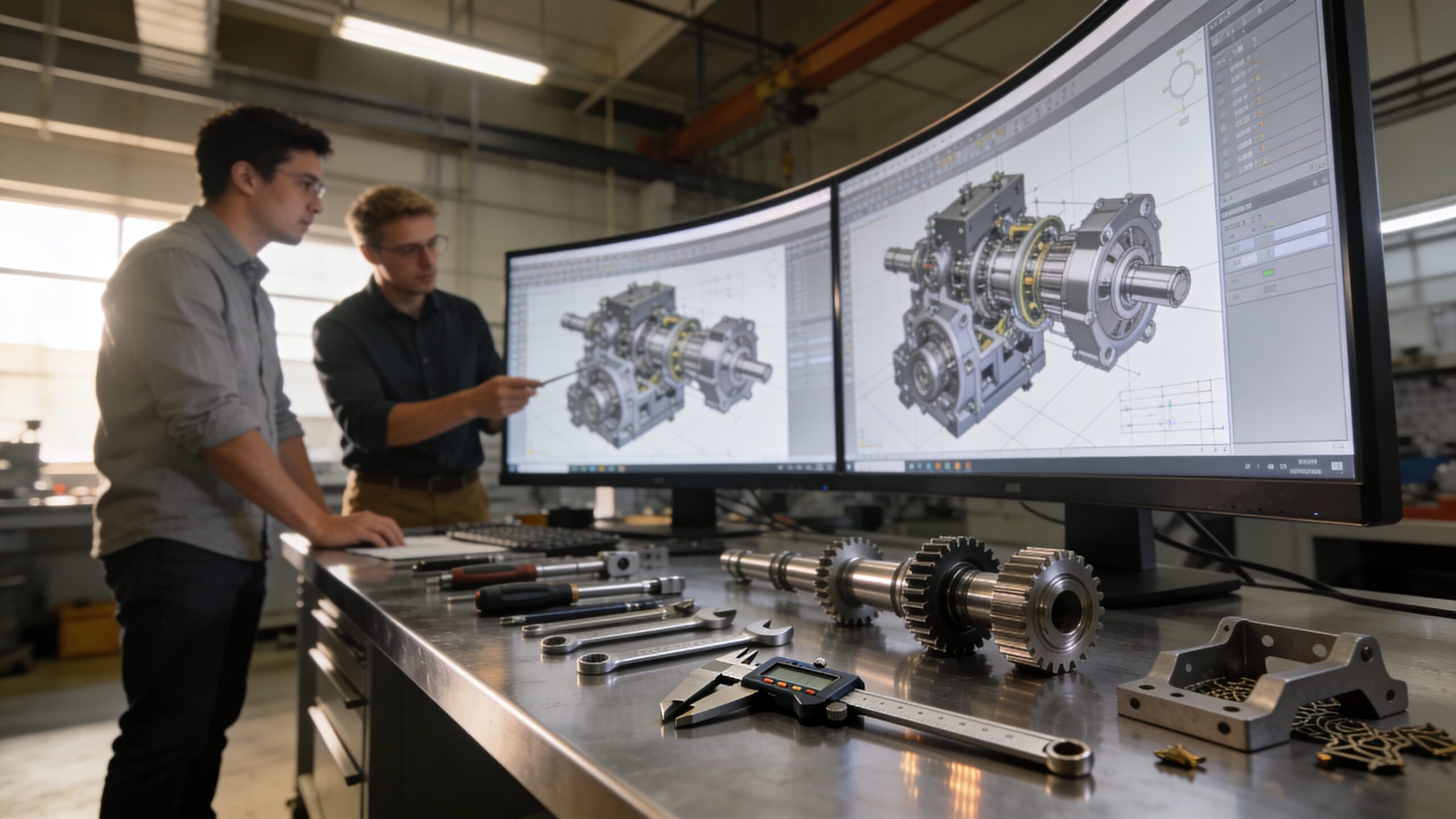
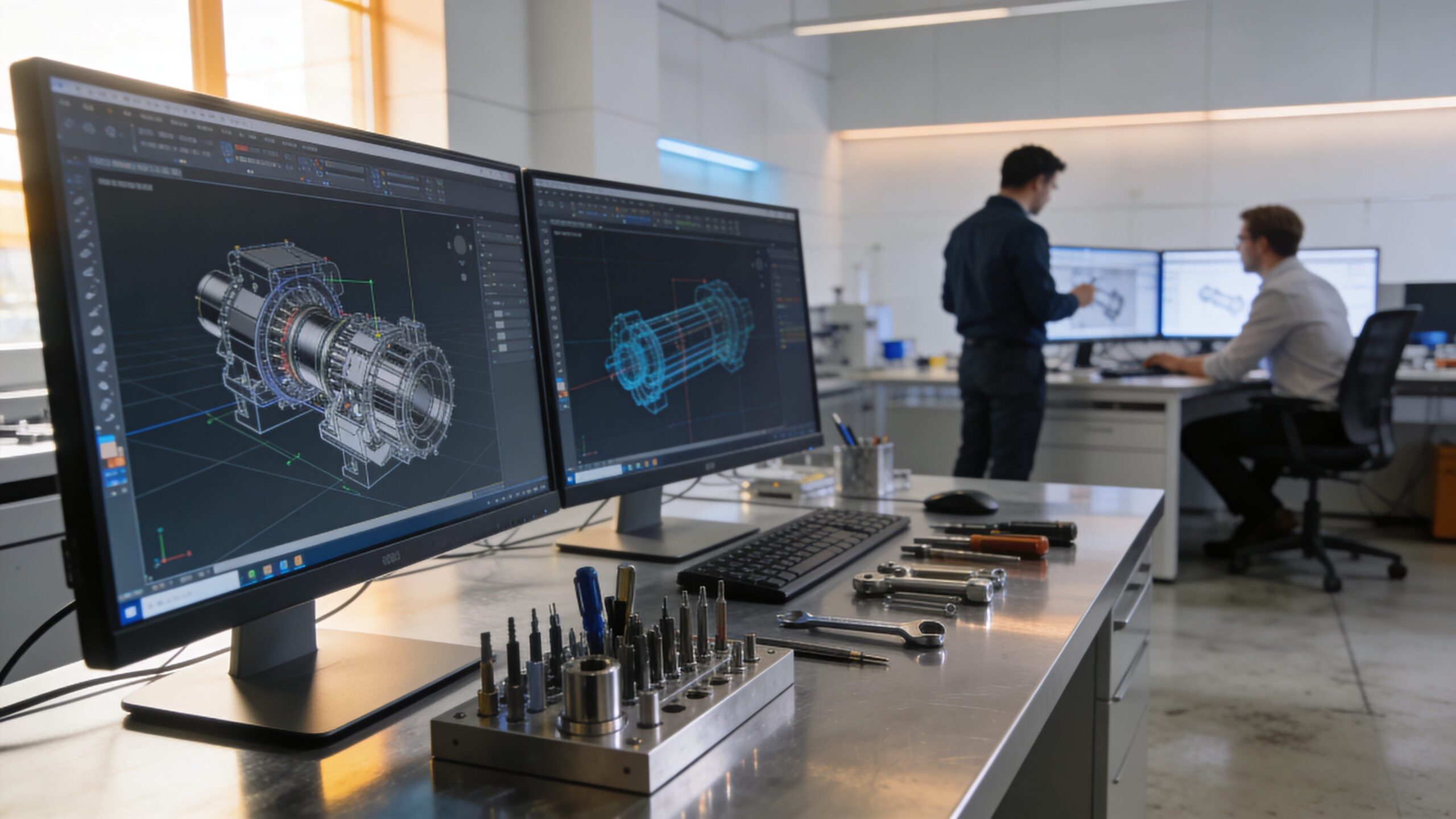
Modern mechanical design is powered by advanced tools that enhance accuracy and efficiency. Computer-Aided Design (CAD) software allows engineers to create detailed 3D models and visualize complex assemblies before they are built. These tools enable precise measurements, easy modifications, and seamless collaboration across teams. Simulation technologies such as Finite Element Analysis (FEA) further enhance the design process by predicting how components will behave under various conditions. By identifying potential weaknesses early, engineers can make improvements before physical prototypes are created. These tools not only save time and resources but also lead to higher-quality designs.
Design for Manufacturing and Assembly
Designing a product is only part of the process; ensuring it can be manufactured efficiently is equally important. Design for Manufacturing focuses on creating components that are easy to produce using available methods, reducing complexity and minimizing production costs. This involves selecting appropriate materials, simplifying geometries, and considering manufacturing tolerances.
Design for Assembly complements this by optimizing how parts fit together. Reducing the number of components, standardizing fasteners, and ensuring easy alignment can significantly streamline the assembly process. Together, these approaches improve efficiency, reduce errors, and enhance overall product quality.
Prototyping and Testing in Mechanical Design
Prototyping is a crucial step that bridges the gap between design and production. By creating physical or digital models, engineers can evaluate how a design performs in real-world conditions. Rapid prototyping techniques, such as 3D printing, allow for quick iterations and faster development cycles. Testing ensures that the design meets all performance and safety requirements. This includes stress testing, durability analysis, and environmental testing. Identifying and addressing issues during this stage prevents costly failures later, making prototyping and testing essential components of the design process.
Common Challenges and How to Overcome Them
Mechanical designers often face challenges such as balancing performance with cost, managing tight deadlines, and adapting to evolving requirements. Unexpected issues can arise during testing, requiring quick problem-solving and creative thinking. These challenges highlight the importance of flexibility and continuous learning in engineering.
Collaboration is another key factor in overcoming challenges. Working closely with other engineers, manufacturers, and stakeholders ensures that all aspects of the design are considered. Effective communication and teamwork can lead to innovative solutions and more successful outcomes.
Advanced Concepts for Professional Designers
For experienced designers, advanced concepts such as optimization and simulation play a significant role. Techniques like topology optimization allow engineers to create structures that are both lightweight and strong, while advanced simulations provide deeper insights into system behavior under complex conditions. Emerging technologies such as generative design and AI-assisted engineering are also transforming the field. These tools enable designers to explore a wider range of possibilities and identify solutions that may not be immediately obvious. Staying updated with these advancements is essential for maintaining a competitive edge.
The Future of Mechanical Design
The future of mechanical design is shaped by innovation and sustainability. As industries move toward greener solutions, engineers are focusing on energy-efficient designs and eco-friendly materials. This shift is driving new approaches to design that prioritize both performance and environmental impact.
Digital transformation is also playing a significant role, with technologies such as digital twins and smart manufacturing becoming more prevalent. These advancements are enabling more precise and efficient design processes, paving the way for the next generation of engineering solutions.
Building a Career in Mechanical Design
A career in mechanical design offers diverse opportunities across industries such as automotive, aerospace, robotics, and consumer products. Developing a strong foundation in engineering principles, combined with hands-on experience and proficiency in design tools, is essential for success. Continuous learning and adaptability are key to long-term growth. As technology evolves, staying updated with new tools and techniques ensures that designers remain relevant and competitive. With the right skills and mindset, mechanical design can be a rewarding and impactful career path.