Outdoor Projects Should Be Simple, Useful, And Weather-Aware
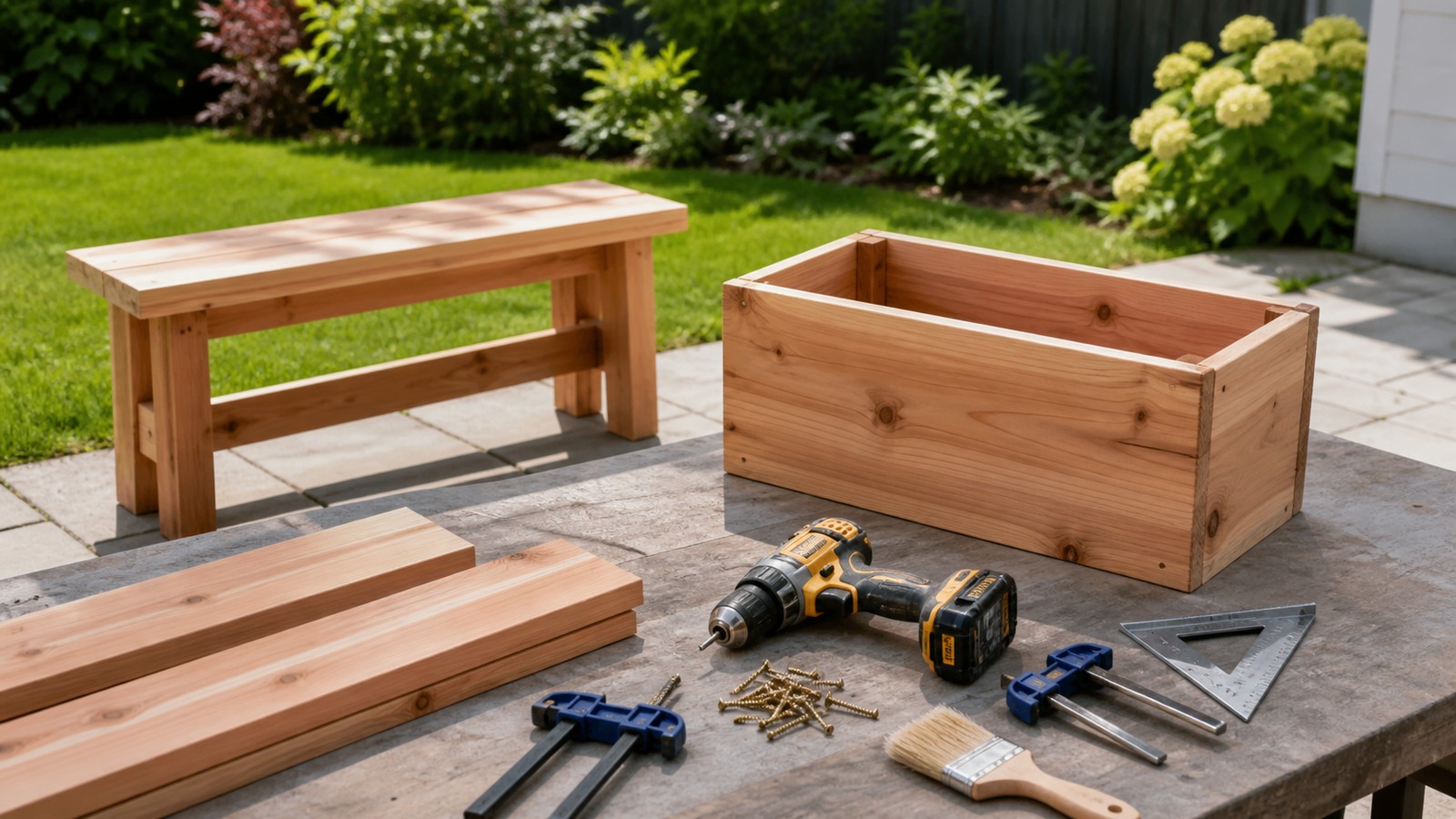
Easy outdoor woodworking projects can make a yard more comfortable without requiring advanced furniture skills. Planter boxes, garden benches, hose guides, trellises, potting shelves, tool racks, step stools, and simple storage pieces all use approachable cuts and fasteners. The difference outdoors is that sun, rain, soil, movement, and seasonal change must be part of the design from the beginning. A good yard project is easy to build, easy to drain, easy to maintain, and sturdy enough for real weather.
A: A planter box, simple bench, potting shelf, or side table is usually approachable for beginners.
A: Cedar, treated lumber, and suitable exterior hardwoods are common choices depending on budget, appearance, and use.
A: Yes, drainage helps protect both plants and wood from standing water.
A: Avoid them; exterior-rated screws resist corrosion and last longer.
A: Paint can provide strong UV and moisture protection, but stain or oil may be easier to renew.
A: Use suitable wood, lift it off soil, allow drainage and airflow, seal vulnerable areas, and maintain the finish.
A: No, simple fastened construction often works well when weather movement is planned.
A: Inspect seasonally and refresh finish before weathering becomes severe.
A: Yes, choose a simple design with strong legs, stable stretchers, exterior screws, and smooth edges.
A: Trapping water against wood without drainage, airflow, or maintenance access.
Choose A Project The Yard Actually Needs
Outdoor projects work best when they solve a real yard problem. A planter adds growing space, a bench creates a rest spot, a trellis supports plants, a potting shelf organizes messy work, and a storage rack keeps tools from migrating. Start with use, not decoration.
A simple useful project is more likely to survive weather and maintenance because it earns its place.
Design For Water First
Water is the major difference between indoor and outdoor woodworking. Rain, irrigation, soil moisture, snow, and condensation can collect in joints, flat surfaces, end grain, and hidden corners. Every outdoor design should ask where water goes.
Drainage holes, board gaps, lifted feet, sloped surfaces, and airflow all help. The project should dry after getting wet.
Pick Wood With Maintenance In Mind
Cedar is popular because it is light, workable, and naturally resistant to decay. Treated lumber is practical for utility projects. Exterior hardwoods can be beautiful but may cost more and require harder tooling. The right choice depends on budget, appearance, exposure, and how much maintenance you will actually do.
Avoid materials that are clearly meant for indoor dry conditions. Yard projects punish wishful material choices quickly.
Use Exterior Hardware
Outdoor fasteners need corrosion resistance. Ordinary indoor screws can stain wood, weaken, or fail. Exterior-rated screws, suitable bolts, washers, and brackets make simple construction more durable. Predrilling helps prevent splits, especially near board ends.
Keep hardware accessible when possible. Outdoor pieces eventually need tightening, replacement, or repair.
Keep Joinery Simple And Repairable
Outdoor wood moves with humidity and temperature. Simple mechanical joinery often works better than delicate indoor-style joints that trap water or fight movement. Screws, bolts, cleats, battens, and replaceable slats can be smart choices.
Repairability is a feature outdoors. A board that can be replaced after years of weather is better than a beautiful assembly that must be destroyed to fix one rotten part.
Finish For Exposure
Exterior finish should match the exposure. Paint offers strong color and UV protection when maintained. Stain can show grain and renew more easily. Exterior oils are simple but may need more frequent care. Bare cedar can weather naturally, but that choice should be intentional.
Test finish outdoors if appearance matters. Sunlight changes color more than shop light does.
Make Edges Comfortable
Outdoor projects are touched by hands, legs, pets, children, garden tools, and weathered skin. Ease edges, sand splinters, and remove sharp corners. Rounded edges also help finish hold better because coatings do not cling well to sharp corners.
Comfort matters even on rustic yard pieces. A bench, planter rim, or potting shelf should not snag every time it is used.
Plan Seasonal Inspection
Outdoor projects are never truly finished forever. Screws loosen, finish weathers, soil stays damp, and boards move. Inspect at the beginning and end of active seasons. Tighten hardware, clean dirt, refresh finish, and replace parts before small problems spread.
A yard project that is easy to inspect and repair will last longer than one that pretends weather does not exist.
Start With Portable Yard Builds
Portable projects are excellent outdoor starting points because they can be moved, repaired, refinished, or stored when weather changes. Planter boxes, small benches, side tables, tool racks, and potting shelves teach exterior construction without locking the maker into a permanent structure. If the project teaches a lesson, the next version can improve easily.
Portability also helps renters and small-space makers. A project that does not require digging, concrete, or permanent anchors can still make a yard more useful. Easy outdoor woodworking should respect the way people actually live in the space.
Design For Soil And Plants
Planter-related projects need more than a wooden box. Soil holds moisture, roots press against walls, and watering creates repeated wet-dry cycles. Drainage holes, liners, removable inserts, raised feet, and rot-resistant wood all matter. A planter that looks good on day one should still have a way to dry after rain.
Think about plant access too. The box should be comfortable to fill, water, weed, and move if necessary. Yard projects fail when maintenance is awkward. Make the useful action easy.
Choose Bench Designs Conservatively
Outdoor seating carries real weight and movement, so simple does not mean flimsy. Use adequate leg thickness, stable stretchers, exterior fasteners, and a seat height that feels natural. Avoid long unsupported spans unless the lumber is sized for them. A bench should feel trustworthy before it looks decorative.
Test the bench carefully before normal use. Sit gently, check wobble, tighten hardware, and inspect joints after the first few days outdoors. Small adjustments early can prevent larger failures later.
Use The Yard As A Design Constraint
Sun, shade, slope, sprinklers, foot traffic, storage needs, and mowing routes all affect outdoor project success. A beautiful planter in the wrong location may block a path or dry out too quickly. A bench without shade may go unused in hot weather. Place projects according to behavior, not only where they photograph well.
Walk the yard before building. Notice where people pause, where tools collect, where water drains, and where clutter appears. Those observations make the project more useful.
Prepare For Weathering Honestly
Every outdoor project changes. Wood darkens, fasteners weather, finishes fade, and surfaces collect dirt. Design and maintenance should accept that reality. Choose materials that age acceptably, and plan finishes you are willing to renew. A perfect indoor standard may not be realistic outdoors.
Weathering can be attractive when it is expected. The problem is not change; it is unplanned decay. Drainage, airflow, suitable wood, and seasonal inspection keep weathering from becoming failure.
Keep Outdoor Projects Safe To Touch
Yard projects are touched casually by people who may not be thinking about tools or splinters. Sand edges, break corners, set screws cleanly, and inspect for raised grain after the first rain. Outdoor wood can become rough as it cycles through moisture and sun.
A quick seasonal touchup with sandpaper and finish can make a project feel cared for again. Comfort is part of durability because people continue using objects that feel good in the hand.
Match Projects To Outdoor Chores
Yard projects are most useful when they support chores that already happen. A potting shelf helps with soil and containers. A hose guide protects plants. A boot scraper handles mud. A small bench supports weeding breaks. A tool rack keeps shovels from leaning in a corner. These projects earn their space because they make repeated outdoor tasks easier.
Walk through a normal yard day before choosing a design. The best project may be smaller and more practical than the one you first imagined.
Use Simple Forms For Weather Strength
Outdoor beginner projects benefit from simple forms: rectangles, rails, frames, boxes, and slatted surfaces. These shapes are easy to build, easy to drain, and easy to repair. Complicated curves and trapped joints can be added later, but they are not necessary for a useful yard piece.
Simple forms also make seasonal inspection easier. You can see where water sits, where screws loosen, and where finish needs renewal. Visibility helps maintenance happen before damage spreads.
Protect End Grain And Feet
End grain absorbs moisture quickly, and feet often sit near wet ground. These areas deserve extra attention. Seal exposed ends, lift projects with feet or blocks, and avoid direct soil contact when possible. If a planter or bench must sit on damp surfaces, design the vulnerable parts so they can be replaced.
Many outdoor failures begin at the bottom where nobody looks. Raising and sealing those points can extend the life of a simple project dramatically.
Choose Projects That Can Move With The Yard
Yards change. Plants grow, shade shifts, irrigation moves, and seating habits evolve. Portable benches, planters, screens, and storage pieces can move as the yard teaches you how it wants to be used. This is one advantage of easy woodworking projects over permanent installations.
Build the first version with flexibility in mind. Handles, manageable weight, removable liners, and accessible fasteners make the piece easier to adapt later.
Build For Real Outdoor Loads
Outdoor projects may look casual, but they still face real loads. People sit, soil weighs more when wet, wind pushes screens, hoses pull guides, and children may climb where you did not expect. Easy projects should still use sensible dimensions, strong fastening, and stable geometry.
Test the object in the way it will actually be used. Fill the planter, sit on the bench, move the shelf, tug the hose guide, and check wobble. Outdoor usefulness depends on trust.
Think About Storage During Off-Seasons
Some yard projects stay outside all year, while others should move under cover during harsh weather. A portable planter, small table, folding rack, or seasonal screen may last longer if it can be stored. Design weight, handles, and size with that possibility in mind.
Storage planning is especially useful in climates with snow, heavy rain, intense sun, or high winds. A project that is easy to move is easier to protect.
Let Maintenance Be Visible
Outdoor projects should make maintenance obvious. If finish is fading, screws are loosening, feet are staying wet, or soil is collecting against a wall, the design should allow you to see and fix it. Hidden decay is the enemy of simple yard woodworking.
Visible maintenance is not a flaw. It is how outdoor objects stay useful. The project should invite a quick seasonal tune-up rather than require major rescue later.
Use Outdoor Projects To Learn Scale
Yard projects teach scale because they must relate to paths, plants, seating, doors, fences, and sightlines. A planter that looked reasonable on the bench may feel too small beside a patio. A bench may need more clearance around it than expected. Mocking up size with scrap, cardboard, or temporary boards can prevent awkward proportions.
Outdoor scale is forgiving when tested early. Put boards in place, walk around them, and imagine watering, sitting, mowing, or carrying tools nearby. The yard will tell you whether the project belongs.
Choose Renewal Over Perfection
Outdoor woodworking lasts longer when renewal is expected. A project does not need to resist weather forever without help. It needs to be easy to clean, inspect, refinish, tighten, or repair. That mindset makes simple designs more durable because maintenance is part of the plan.
Choose finishes and construction details you are willing to maintain. A yard project that gets a quick seasonal refresh can stay useful and attractive for years, even if it began as an easy beginner build. That practical renewal keeps outdoor making satisfying through changing weather, plants, and daily use across seasons and routines.