Every great workshop begins long before any machine roars to life. It begins with the foundational power of hand tools—simple, reliable, and capable of producing extraordinary work when paired with practiced skill. In an age where digital fabrication and advanced machinery dominate the conversation, hand tools remain the heartbeat of craftsmanship. They teach precision, instill discipline, build confidence, and connect makers of all levels to the timeless traditions of building, shaping, and creating. “Hand Tools 101” is more than a technical guide—it’s a journey into the essential skills your workshop should master to function with efficiency, safety, and creative clarity.
A: Start with a tape, square, saw, hammer, chisels, screwdrivers, and a small plane.
A: Sharpen whenever performance drops—if you push harder or surfaces look rough, it’s time.
A: Absolutely; they excel at fine-tuning, quiet work, and precision adjustments machines can’t match.
A: Keep them dry, wipe with a light oil or wax after use, and avoid damp storage spots.
A: Check stance, grip, and sharpness; start with shallow strokes and let the saw follow the kerf.
A: A solid bench and vise dramatically improve safety, accuracy, and comfort for nearly every task.
A: Use construction-grade offcuts or plywood scraps to rehearse cuts, joints, and tool control.
A: Simple butt and lap joints introduce layout, cutting, and clamping without complex geometry.
A: You may be prying, hitting too hard, or using too low a bevel angle for the wood.
A: Track cleaner cuts, fewer gaps, smoother surfaces, and less rework on each new project.
The Craft Begins: Why Hand Tools Still Matter
There’s a special magic in working with tools powered not by electricity, but by your own hands. Hand tools provide unparalleled control, letting you feel every grain of wood, every turn of a screw, every whisper of a blade as it meets its material. They are the backbone of accuracy and finesse.
Even seasoned professionals rely on them. Machines remove material quickly, but hand tools refine it. Machines help scale production, but hand tools guarantee quality. And for beginners, mastering hand tools builds the skill foundation that all advanced craftsmanship stands upon. Whether you work with wood, metal, leather, or general repairs, the core principles remain: measure precisely, cut cleanly, shape with purpose, fasten securely, and finish carefully.
This guide explores those core principles and breaks them into essential mastery skills that elevate every workshop, from basement hobby spaces to full professional studios.
Measuring & Marking: Precision Before Power
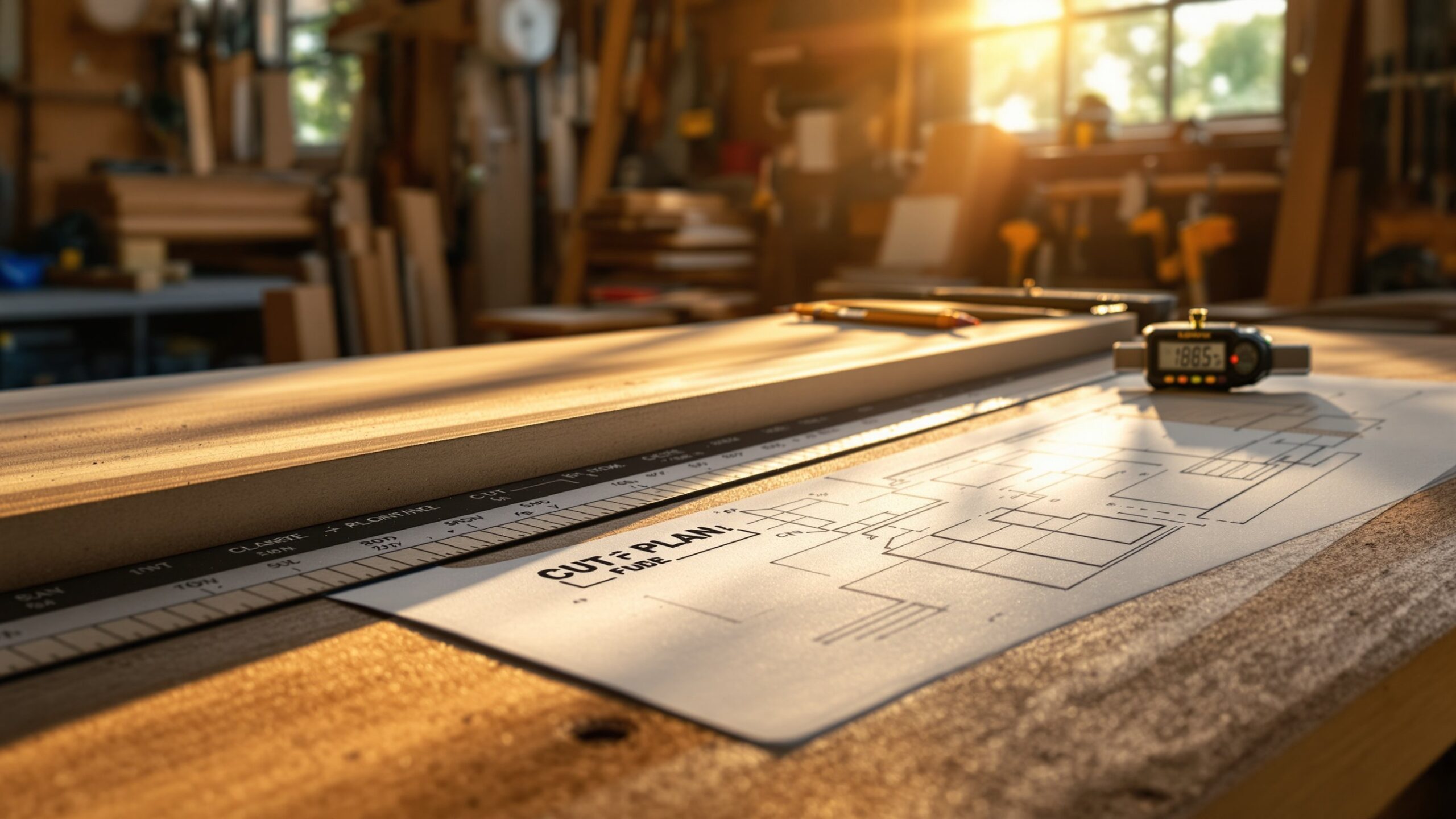
Every project begins with accuracy, and accuracy begins with measurement. The difference between a clean final project and a frustrating misaligned assembly often comes down to the simplest tools: tape measures, steel rules, combination squares, marking knives, and pencils.
To master measuring is to understand more than numbers. It requires learning to read grain direction when marking wood, recognizing when a square is truly square, and developing the habit of double-checking every line before making a cut. These early marks serve as the blueprint for every step that follows.
A professional workshop depends on the discipline of layout—straight lines, clear reference marks, and the ability to transfer measurements consistently. But the secret skill that separates beginners from experts is this: always measure from the same reference point. Even a perfect ruler becomes imprecise when measurements hop inconsistently from edge to edge. Mastering these small habits ensures projects fit together seamlessly and eliminates countless mistakes.
Cutting with Confidence: Saws, Knives, and Control
Hand cutting tools demand patience, focus, and a delicate balance between pressure and precision. The handsaw, utility knife, and specialty saws such as dovetail, coping, and flush-cutting saws each bring unique advantages to the workshop.
To cut well, you must understand the rhythm of the tool. Saws don’t like to be forced. They glide best along a well-started kerf, pulled and pushed with gentle consistency. Knives require a steady hand and the awareness that multiple light passes are far more effective—and much safer—than one aggressive cut.
A well-executed cut begins long before the blade touches the material. It begins with alignment: feet planted, shoulders steady, and eyes following the cut path as naturally as reading a sentence. That alignment translates into clean edges, fewer tear-outs, and less sanding later.
Mastering hand cutting tools also helps you develop intuition. You start sensing when a blade begins to dull. You feel when a board shifts slightly out of square. You hear the difference between a smooth stroke and one fighting resistance. These insights become second nature, guiding your craftsmanship with quiet confidence.
Shaping Material: The Art of Planes, Files, and Rasps
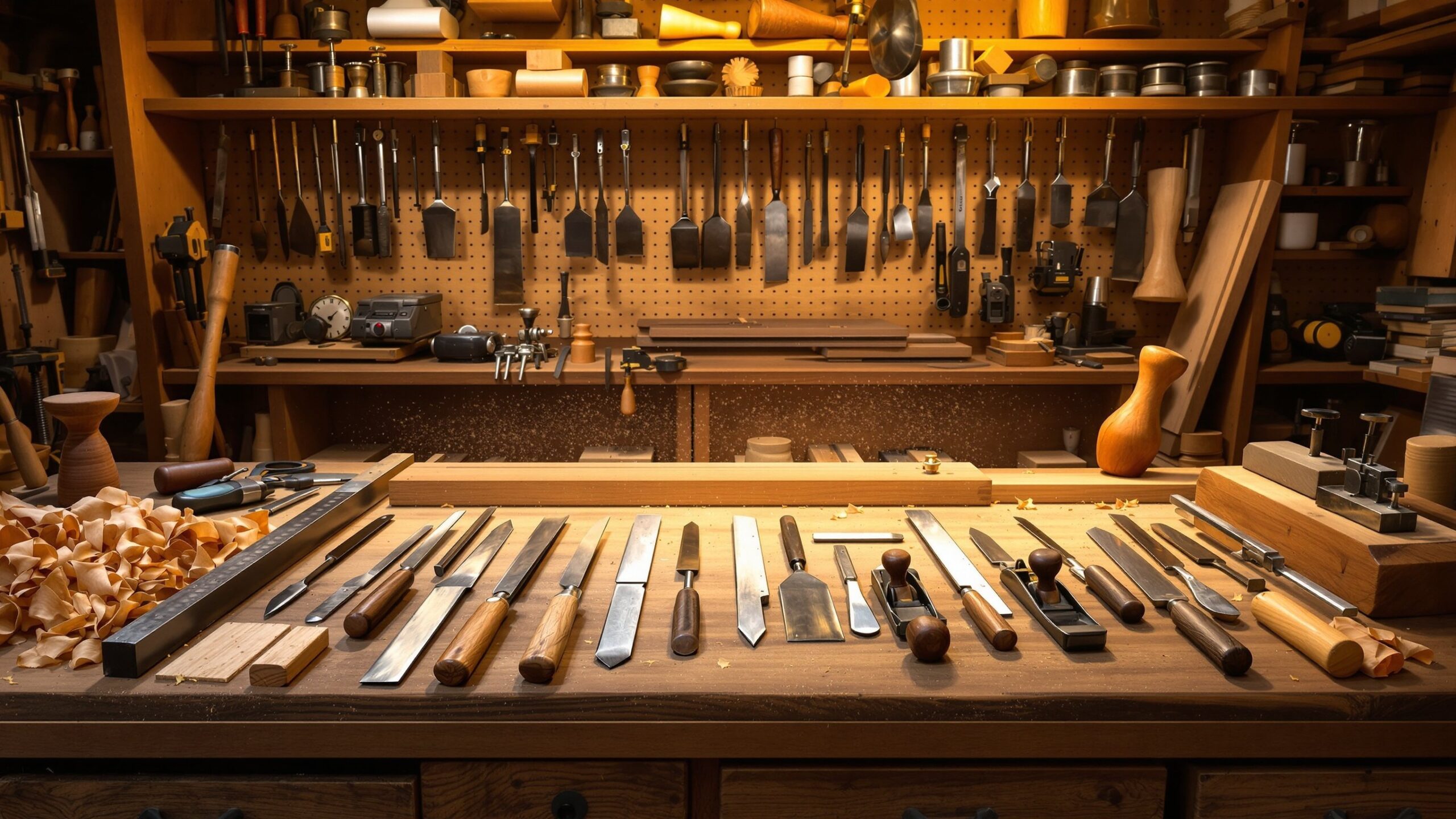
Few workshop experiences are as satisfying as guiding a hand plane across wood and seeing thin shavings curl effortlessly into the air. Shaping tools—planes, chisels, rasps, files, and spokeshaves—transform rough material into refined form. Their mastery lies at the intersection of sharpness, technique, and patience.
A plane, for instance, functions almost like a musical instrument. When the blade is honed precisely and the depth is set correctly, each stroke feels smooth and controlled. Too deep, and the tool catches. Too shallow, and it produces only dust. Learning how to sharpen blades, adjust them, and maintain their edges is one of the most valuable workshop skills.
Rasps and files, on the other hand, require a steady, sweeping motion that removes material evenly without gouging. They excel at shaping curves, smoothing joints, and adding detail. These tools reward consistency more than force. A gentle, repeated pass often reshapes a surface more beautifully than brute strength ever could.
When you learn to shape with hand tools, you learn to trust your senses—your touch, your hearing, your visual intuition. Every surface tells a story, and every shaping tool gives you the ability to refine that story with remarkable precision.
Fastening & Assembly: Building Strength Through Skill
Hand fastening tools—hammers, screwdrivers, hand drills, and wrenches—represent some of the most iconic pieces of any toolbox. They’re simple in design, but powerful in how they bring projects together.
The hammer demands accuracy, timing, and controlled motion. The perfect strike is firm but not overly forceful, and always delivered with intention. Fastening a nail is less about power and more about rhythm. Too much speed and you miss the mark; too little and the nail bends. With practice, you learn to let the hammer’s own weight do much of the work.
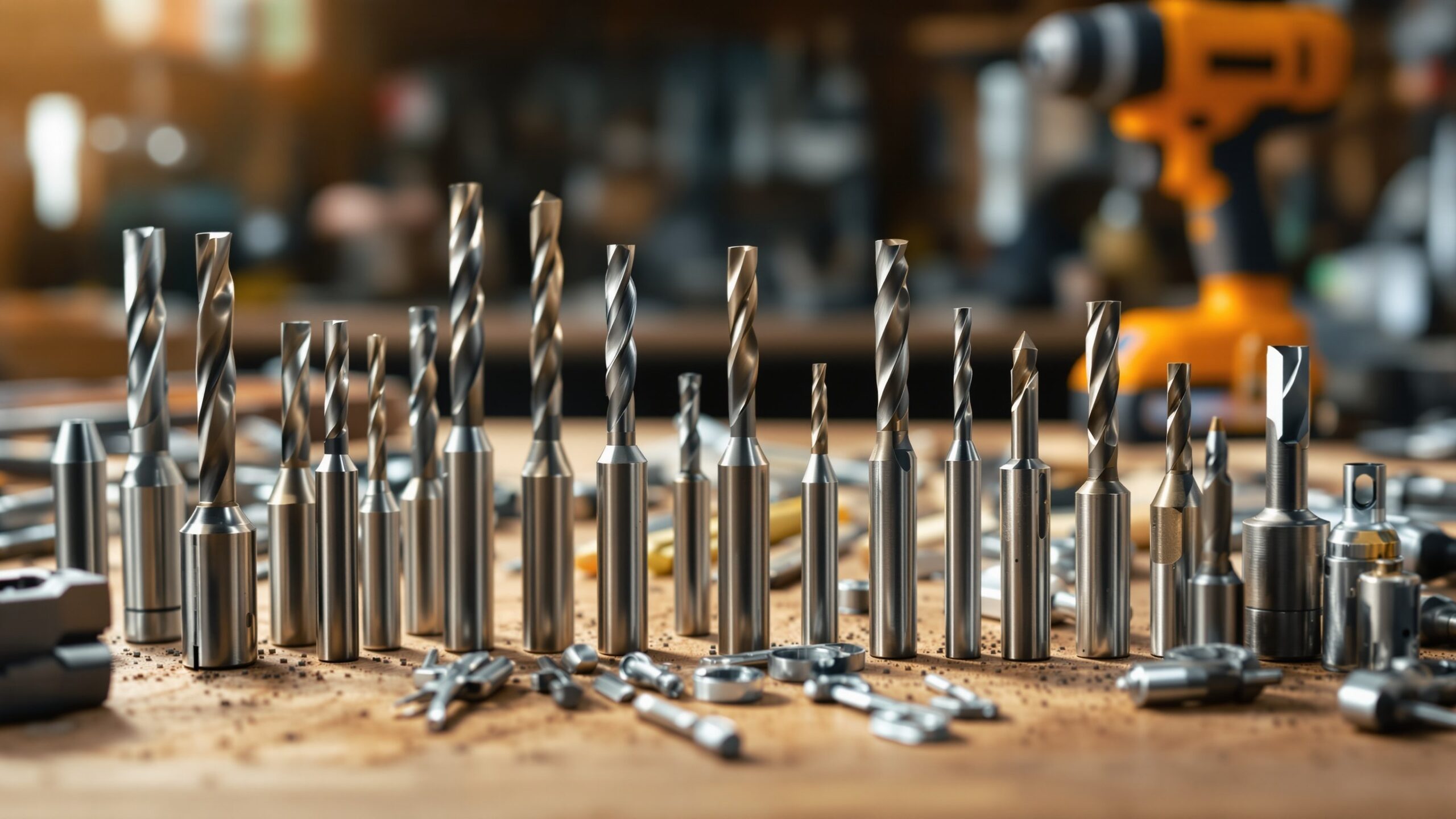
Screwdrivers and hand drills require alignment and patience. A screw driven off-angle weakens the joint. A hole drilled too fast tears fibers instead of cutting cleanly. These tools teach you the importance of letting the tool guide you rather than overpowering it.
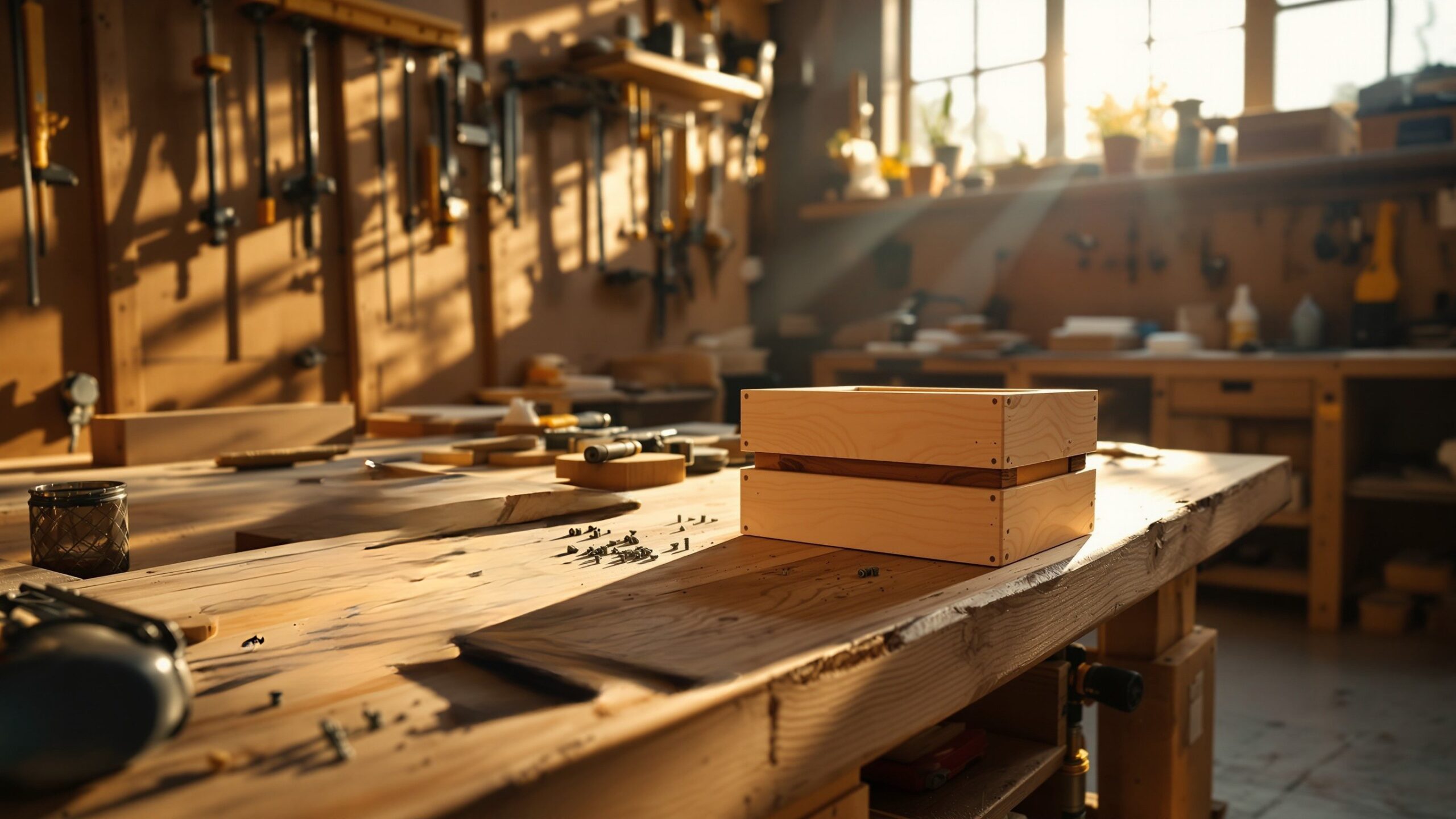
Mastering fastening is ultimately about understanding how materials connect. A well-fastened joint has strength, durability, and balance. Whether joining wood, assembling metal brackets, or building everyday fixtures, the precision of your fastening determines the longevity of the final piece.
Sharpening Skills: The Foundation of Every Great Cut
Sharp tools are safe tools. A dull blade slips, catches, and requires excessive pressure—all conditions that invite accidents. Learning to sharpen is learning to respect the tool.
Sharpening involves a blend of technique and feel. It requires consistent angles, patient strokes across a stone, and the awareness to test edges gently. When a chisel slices effortlessly through wood fibers or when a plane glides like silk, you feel the reward of proper sharpening.
This skill turns hand tools into extensions of your hand. It improves safety, enhances quality, and elevates your craftsmanship. Many makers consider sharpening a meditative ritual—a quiet moment where tool and craftsperson reconnect.
Workshop Safety: Mastery Begins with Mindset
One often-overlooked skill in hand tool mastery is situational awareness. Working with hand tools seems safer than using heavy machinery, and while that is often true, misplaced confidence invites risk.
Proper stance keeps your body clear of cutting paths. Good lighting reduces mistakes. Understanding grain direction prevents tools from slipping unexpectedly. And storing tools thoughtfully protects both the user and the edge.
Safety is not one skill—it is a thousand small habits practiced consistently. These habits build the foundation of confidence that allows creativity to flourish without hesitation.
The Rhythm of Work: Developing Maker Mindset
Hand tool craftsmanship is not only physical—it is deeply mental. The rhythm of work shapes your ability to follow through, pace your tasks, and solve problems creatively.
As you master hand tools, you develop patience. You learn that rushing rarely produces quality results. You discover that small adjustments early prevent major corrections later. You gain the ability to “read” your materials, recognizing their strengths, weaknesses, and unique personality.
This rhythm leads to flow—a state where the hands move seamlessly, the mind stays clear, and the workshop becomes a place of focus and discovery. Mastery is not merely technical; it is personal.
Skill Progression: From Beginner to Confident Maker
Every tool introduces new challenges and new triumphs. Beginners often celebrate their first accurate measurement, their first clean cut, or their first smooth planed surface. As confidence grows, more complex skills emerge—dovetail joints, mortise cuts, fitted joinery, sophisticated assemblies, and refined shaping.
The progression is not linear. Mistakes happen. Boards split. Edges dull. Measurements drift. But every setback adds to your skillset because each teaches you what to avoid next time. Hand tools offer immediate feedback, which accelerates learning and deepens understanding.
In time, your workshop becomes a reflection of your journey—tools arranged with intention, projects completed with pride, and knowledge earned through practice.
Creating a Skill-Driven Workshop Culture
Whether your workshop is personal or shared, the mastery of hand tools helps build a culture of craftsmanship. Tools are respected. Work surfaces stay clean. Projects are approached thoughtfully rather than rushed. Sharp tools remain sharp, and dull ones are sharpened before use. This culture creates an environment where skill, creativity, and safety coexist.
It also invites collaboration. When others see clean joints, smooth surfaces, and precise shaping, they ask questions, share techniques, and exchange ideas. Hand tool mastery inspires a communal respect for craft.
The Future of Craft Lies in Its Roots
Technology will continue to evolve at rapid pace, but the essence of craftsmanship remains rooted firmly in its past. Hand tools teach lessons no machine can replicate. They slow you down just enough to think clearly, work intentionally, and build with meaning. They connect us to the makers who came before us and the makers who will follow.
Mastering hand tools doesn’t require a massive budget or a huge workshop—just dedication, curiosity, and the willingness to practice. And once you develop these skills, you gain a lifelong ability to create, repair, shape, and build with confidence.
The modern workshop thrives when it blends innovation with tradition, machinery with handwork, speed with precision. By mastering the essential skills of Hand Tools 101, you open the door to a world of craftsmanship that will enrich every project and every creative endeavor that follows.