Woodworking Skills for Absolute Beginners: A Step-By-Step Introduction
Woodworking has long been one of the most satisfying and enduring hands-on crafts. It blends creativity, problem-solving, physical skill, and the simple joy of shaping raw material into something meaningful. But for many people, the idea of starting can feel overwhelming. Tools, techniques, measurements, joints, finishes—where does someone with no experience begin? This step-by-step introduction is designed specifically for the absolute beginner who wants to enter the world of woodworking with confidence, clarity, and excitement. Whether your goal is to build simple home décor, functional furniture, or creative art pieces, the foundation is always the same: understanding tools, developing basic skills, practicing safe habits, and learning the rhythm of the craft. This guide will walk you through the essential building blocks of woodworking, turning what seems complicated into something accessible and enjoyable.
A: Begin with simple tools, softwood boards, and small projects like boxes or shelves to build core skills.
A: No; hand tools teach control, accuracy, and material feel. You can add power tools later if you choose.
A: Sharp tools cut easily, leave smooth surfaces, and don’t require heavy force to work effectively.
A: Check your stance, saw grip, and line of sight; practice starting the cut gently and follow the kerf slowly.
A: Very hard, brittle, or highly figured woods are tougher to cut cleanly; stick to straight-grained softwoods at first.
A: Very important. Use eye protection, keep your workspace clean, and avoid loose clothing or distractions while working.
A: Oils are beginner-friendly and highlight grain; clear coats add protection. Always test on scrap from the same board.
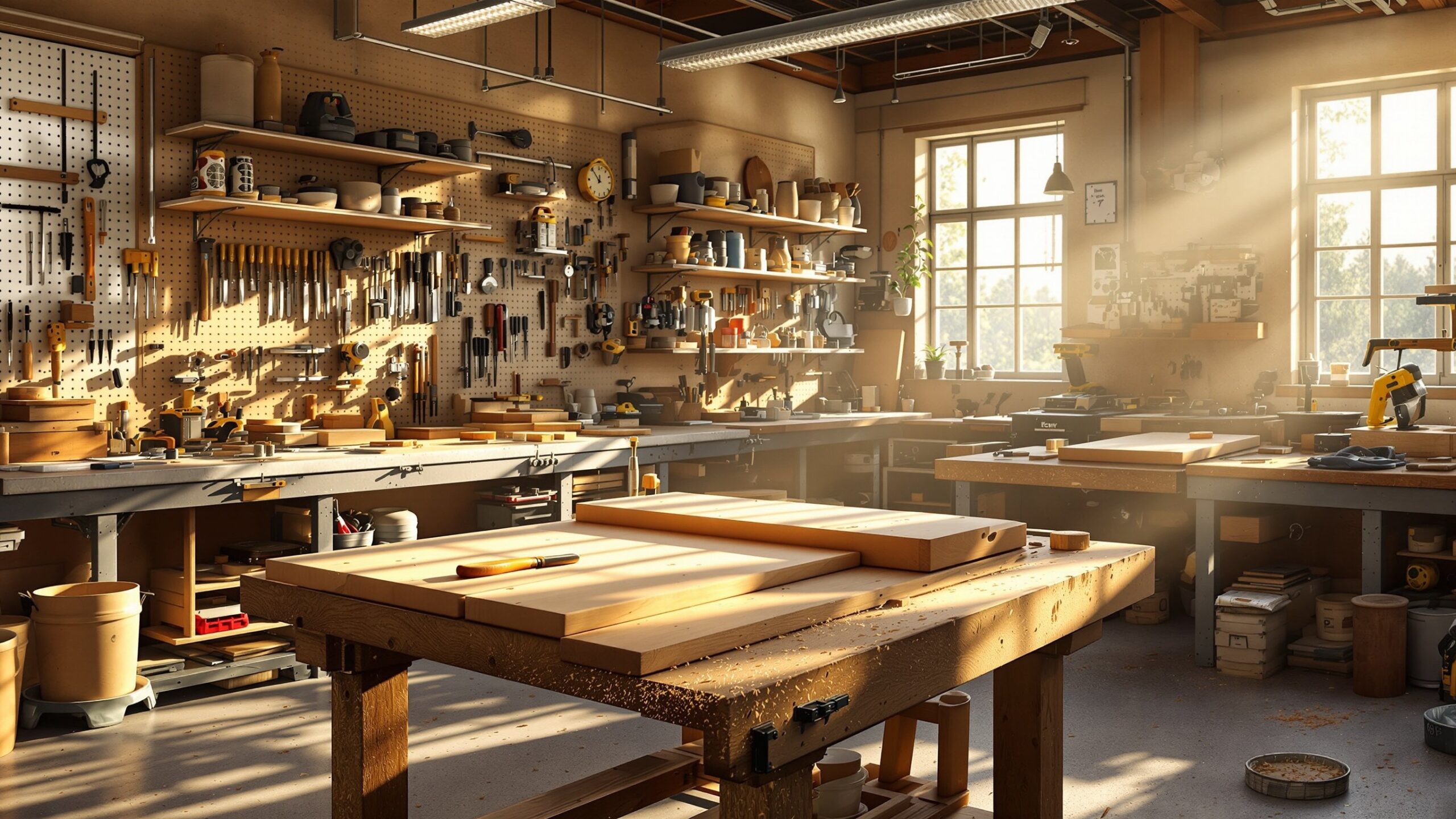
A: Yes. A sturdy table, good lighting, and compact tool storage make even small areas effective workshops.
A: You’ll see improvement with every project; consistency and practice matter more than speed or perfection.
A: Choose projects you’ll actually use or display, celebrate small wins, and treat every mistake as a lesson.
The Beginner’s Mindset: Entering the Woodshop with Confidence
Before touching a tool or selecting a board, the first skill every beginner must develop is mindset. Woodworking rewards patience, attention, curiosity, and willingness to learn by doing. Mistakes are not setbacks—they are part of the process. Every experienced woodworker remembers their first uneven cuts, misaligned joints, or edges sanded slightly out of square. What matters is how these early attempts shape your awareness and build your foundation.
A beginner’s mindset allows you to slow down, pay attention to details, and celebrate small improvements. Woodworking is tactile—you will learn through your hands as much as through instructions. When you develop the ability to observe how wood behaves, how tools respond, and how each step affects the next, you will grow more confident with each project. This mindset is the first real tool in your woodworking journey.
Understanding Wood: Your First Material Lesson
The heart of every woodworking project is, of course, the wood itself. For beginners, understanding wood is like learning the language that everything else speaks. Every board has a grain direction, density, moisture level, and unique patterning that affects how it cuts, sands, and finishes.
Softwoods like pine, cedar, and spruce are excellent for beginners because they are forgiving, easier to cut, and widely available at low cost. Hardwoods like oak, maple, and walnut produce beautiful results but are denser and require more control when sawing or chiseling.
One of the first things you’ll learn is to read the grain. Grain direction affects how smoothly a plane glides, whether a saw tears out fibers, and how boards respond to shaping tools. Touching the surface, you can feel how the fibers run—cutting “with the grain” gives you clean results, while cutting “against the grain” can cause rough patches. This relationship between tool and material becomes clearer the more you work with wood, and soon it becomes second nature.
Building Your First Tool Kit: Simple Tools, Big Results
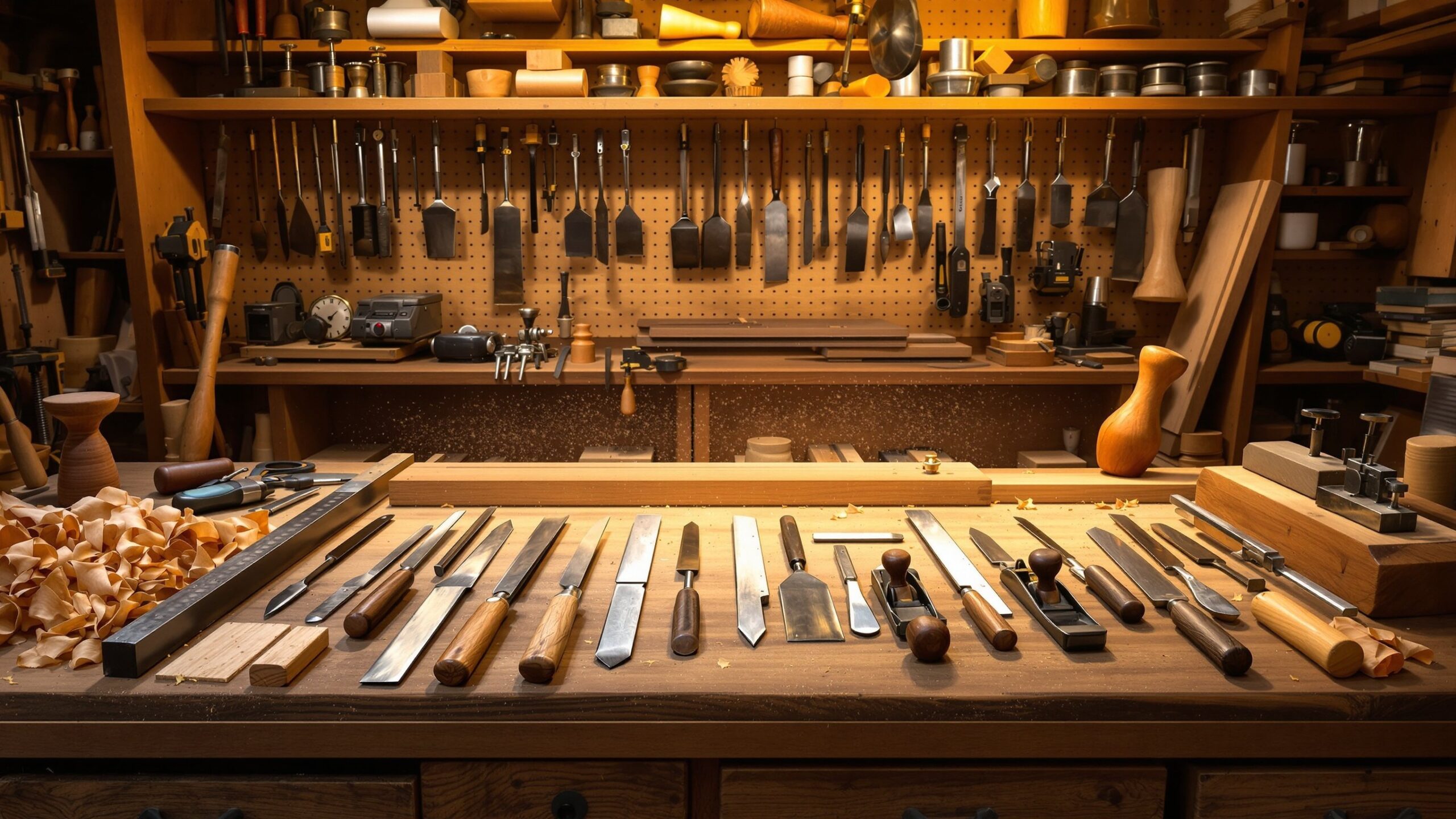
You do not need a shop full of expensive machines to begin woodworking. In fact, many of the most important early lessons come from working with simple hand tools. They give you tactile control, a direct connection to the material, and a deep understanding of each process.
A beginner’s tool kit often includes:
A tape measure and steel rule
A combination square
A handsaw
A block plane
A chisel set
A hammer
Screwdrivers
Clamps
Sandpaper in various grits
Even with these few tools, you can build dozens of beginner projects. The key is not how many tools you have, but how well you learn to use them. Good habits built with simple tools carry over into every advanced technique you will learn later.
Measuring and Marking: The First Skill to Master
In woodworking, precision begins long before a tool makes a cut. Correct measurement and marking is the most fundamental step in every project. The saying “measure twice, cut once” exists for a reason—most mistakes happen on the bench surface, not the saw.
Accurate measuring means keeping your tape measure straight, avoiding parallax when reading the rule, and always measuring from the same reference point. Beginners often underestimate how much a single soft pencil line can affect a project. A marking knife or a sharpened pencil makes a crisp line that clearly indicates where the cut must go.
Another essential skill is squaring your lines using a combination square. Even a perfectly measured length becomes useless if the line you mark is not square to the edges. Learning to use a square properly gives your projects structure, alignment, and professionalism from the very beginning.
Cutting Your First Boards: The Art of the Handsaw
Using a handsaw is one of the most iconic woodworking experiences. It may feel intimidating at first, but with practice, the motion becomes fluid and satisfying. The goal is not brute force but rhythm. Start by letting the saw glide gently, using short strokes to establish a groove. Once the kerf is formed, lengthen your strokes and keep your wrist loose. Your body should guide the saw naturally; forcing it will make the blade wander. Keeping your eye on the line, your stance steady, and your motion relaxed leads to cleaner, straighter cuts.
Cutting is also the first place you’ll see how grain direction matters. Some cuts will slice smoothly, while others seem to resist the blade. With experience, you will learn to angle the saw, adjust your pressure, and follow the grain instead of fighting it. Cutting your first boards isn’t about speed—it’s about learning control.
Shaping and Smoothing: Planes, Chisels, and Sandpaper
Shaping wood by hand is where woodworking becomes truly expressive. A sharp block plane can turn a rough edge silky smooth. A chisel can carve a notch, refine a corner, or create a joint. Even sandpaper teaches you the art of surface preparation, blending transitions and easing edges for comfort and beauty.
The block plane is often a beginner’s first shaping tool. With its angled blade and adjustable depth, it teaches you how sharpness, grain direction, and pressure interact. When used with the grain, the plane produces long, thin shavings that curl beautifully and leave a glossy surface behind. If the grain runs the opposite way, the plane may chatter or tear out fibers—a small but valuable lesson in material awareness.
Chisels, meanwhile, teach precision. Whether paring away a small amount or chopping down into a joint, they demand control. Beginners learn quickly that a dull chisel is dangerous, while a sharp one feels almost effortless. Sanding is the final shaping step, and though it may seem simple, it requires technique. Working through grits progressively—from coarse to very fine—prepares the surface for finishing without swirl marks or uneven textures.
Assembling with Fasteners: Nails, Screws, and Wood Joinery
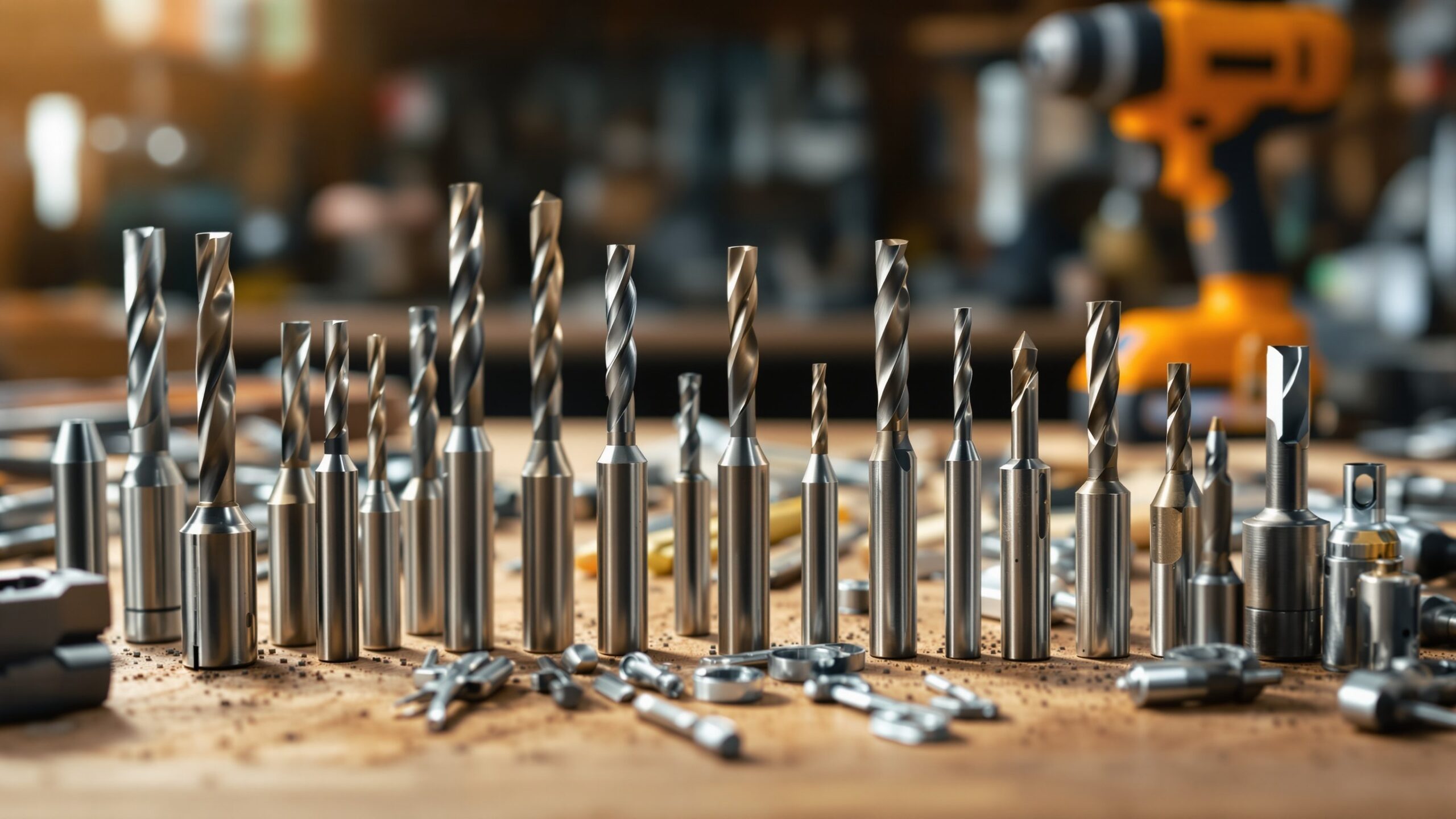
Once your pieces are cut and shaped, the next step is bringing them together. For beginners, screws and nails are the simplest joining methods. Screws provide strong hold and easy adjustment; nails offer speed and simplicity. But even here, technique matters. Drilling pilot holes prevents wood from splitting and keeps screws aligned. Tapping nails gently at first prevents bending. Countersinking screws ensures the heads sit cleanly below the surface.
As you become more comfortable, you will explore basic joinery—simple but strong methods of connecting two pieces of wood without relying solely on hardware. Butt joints, lap joints, and dowel joints introduce you to the geometry of woodworking and lay the foundation for more advanced techniques like mortise and tenon or dovetails. Each joint you build teaches you about wood movement, grain direction, and structural integrity. This is where woodworking begins to feel like puzzle-building and problem-solving at the same time.
Finishing Touches: Staining, Oiling, and Protecting Your Work
A beautifully cut and assembled project deserves a finish that enhances its look and protects it for years to come. Finishing is the final chapter of woodworking that many beginners underestimate. Yet it can transform an ordinary board into something warm, rich, and visually stunning.
Finishes come in many forms—oils, stains, varnishes, and clear coats. Each interacts differently with your wood. Oils like linseed or Danish oil soak into the fibers, deepening color and revealing grain. Stains add warmth or character. Clear finishes protect the surface from moisture and wear.
The secret to successful finishing is preparation. A smooth, dust-free surface absorbs finish evenly. Applying thin coats and letting them cure completely ensures durability. Hand-rubbing oil finishes, in particular, are beginner-friendly and incredibly rewarding. Finishing is not just a step; it is a craft of its own.
Safety in the Woodshop: Building Smart Habits Early
Safety is one of the most important lessons beginners must learn. Hand tools may seem harmless, but every tool demands respect. Proper technique, good lighting, stable footing, and secure workpieces prevent accidents.
Wearing eye protection, keeping fingers clear of cutting paths, storing tools properly, and maintaining sharp edges all contribute to a safe and productive environment. Many accidents happen from rushing or working with dull tools—habits easily corrected by slowing down and planning each step. A safe workshop builds confidence. When you’re not worried about danger, you can focus on learning, improving, and enjoying the process.
Your First Projects: Where to Begin
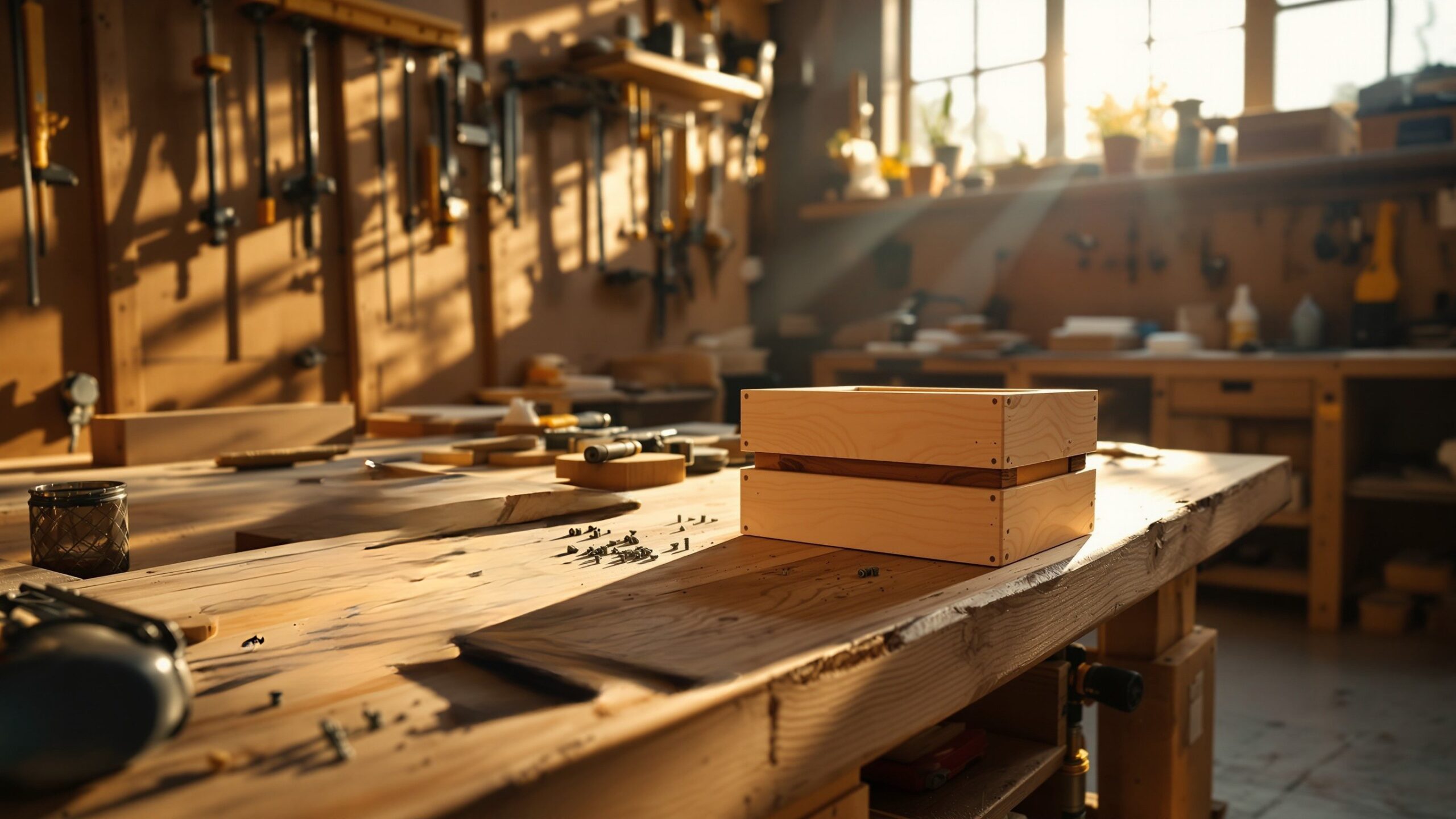
The best way to learn woodworking is to build something. Simple projects like a wooden box, a picture frame, a small shelf, or a cutting board teach you measurement, cutting, assembly, and finishing in approachable steps. These early projects should be enjoyable, not overwhelming. They’re opportunities to experiment, make mistakes, and understand the flow of woodworking. Each finished piece builds your confidence and inspires you to try more ambitious ideas later. The moment you complete your first project—no matter how simple—is one of the most rewarding experiences in woodworking. It marks the beginning of your creative journey.
Growing Your Skills: The Path Beyond Beginner
Once you grasp the basics, woodworking becomes a lifelong pursuit of improvement. You will learn to read plans, use jigs, master joinery, and eventually incorporate power tools if you choose. But the foundation will always be the skills you’re learning now: measuring, cutting, shaping, and assembling with intention and care.
As you continue, you’ll notice that your hands grow more confident, your lines straighter, your surfaces smoother. Woodworking becomes not just a hobby, but a form of expression—something relaxing, meaningful, and deeply satisfying. Every workshop, no matter how experienced, started with the first cut, the first mistake, and the first triumph. Your journey begins the same way.
Your Woodworking Adventure Starts Today
Woodworking for absolute beginners is not about perfection. It’s about learning each step, trusting the process, and enjoying the craft. With simple tools, clear techniques, and a patient mindset, anyone can create beautiful, functional projects from a humble piece of wood. This step-by-step introduction gives you the foundation to begin confidently. From understanding wood and tools to shaping, assembling, and finishing, each skill you acquire becomes a building block for future creations. Your workshop journey begins now—with curiosity, creativity, and the excitement of transforming raw material into something made with your own hands.