The Power of Python in the Maker Movement
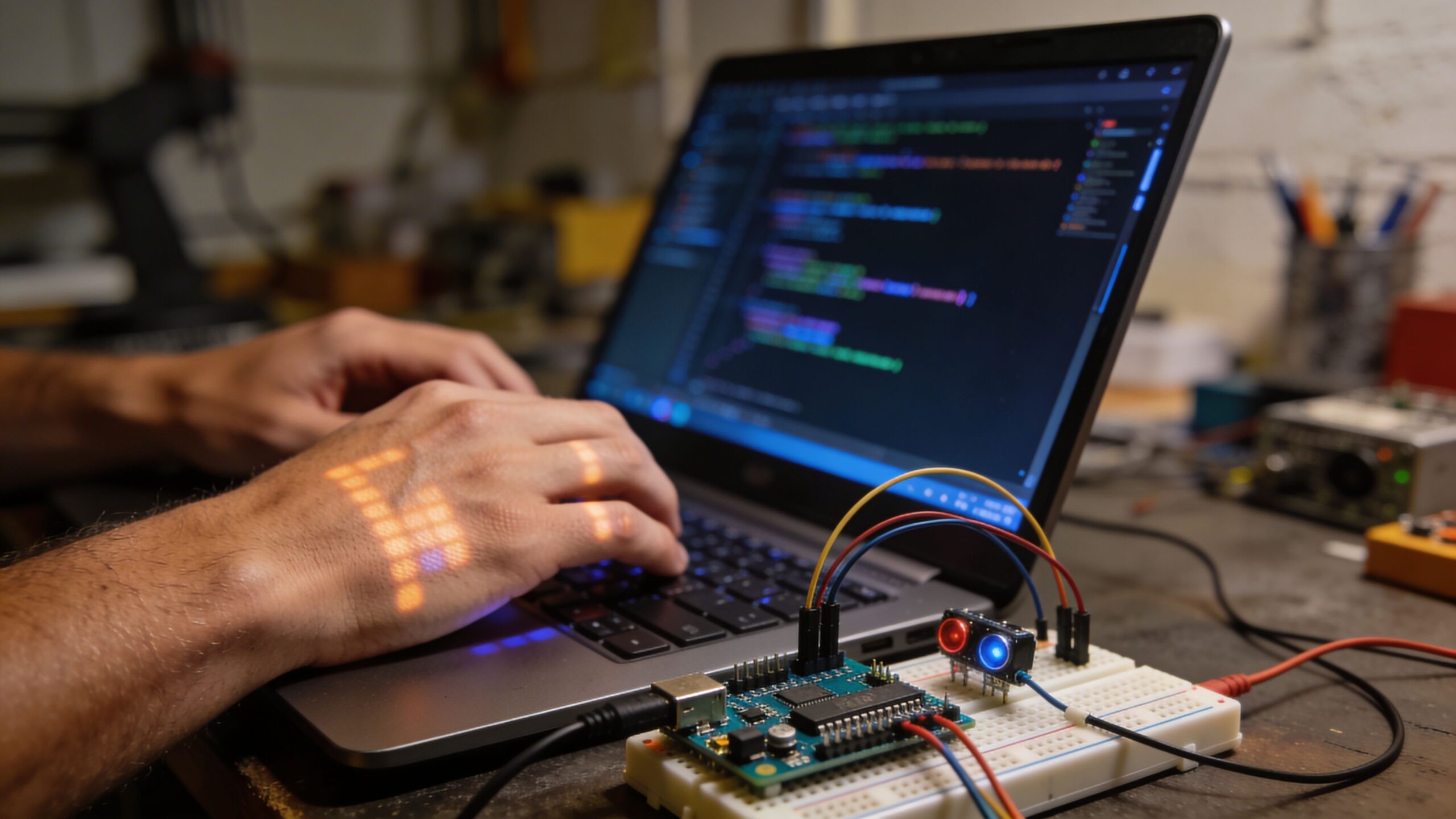
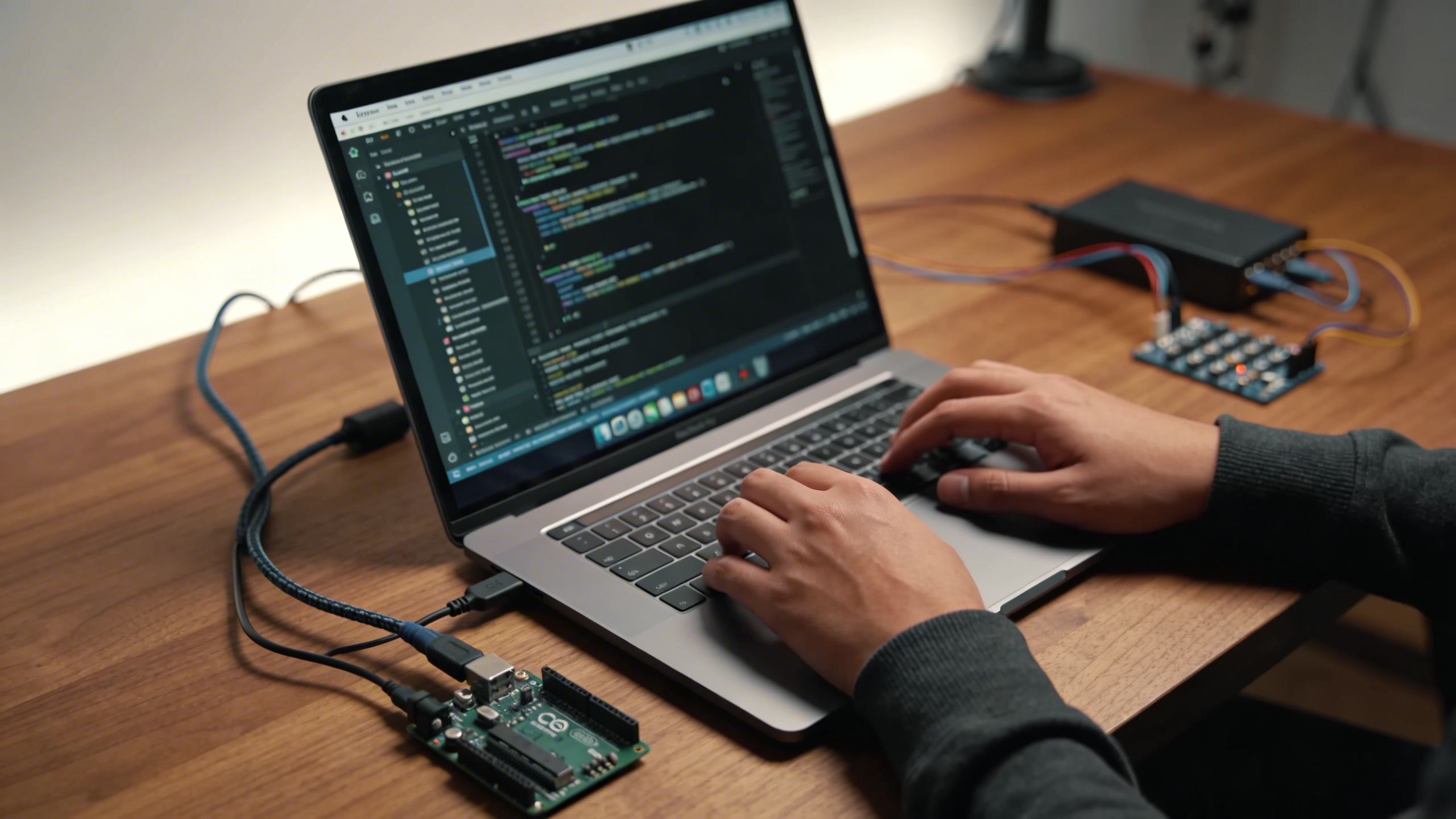
Python has emerged as one of the most transformative programming languages within the maker community, offering a unique combination of simplicity, versatility, and powerful automation capabilities. Makers often seek tools that allow rapid experimentation while maintaining the ability to scale projects into sophisticated systems. Python excels in this role by bridging beginner accessibility with advanced functionality, enabling creators to build responsive devices, automation workflows, and intelligent prototypes. The appeal of Python lies in its readable syntax and extensive ecosystem of libraries that simplify hardware integration, networking, and data processing. Unlike lower-level embedded languages that demand strict memory management, Python allows makers to focus on creativity and system design. This approach accelerates prototyping and encourages experimentation, making Python an ideal choice for inventors exploring automation. As physical computing and IoT technologies continue expanding, Python’s role in automating real-world projects grows increasingly significant. From smart home systems to environmental monitoring devices, Python empowers makers to transform everyday objects into intelligent, connected solutions that enhance productivity and innovation.
A: It is simple, versatile, and automation-friendly.
A: Yes through MicroPython and CircuitPython.
A: Yes with networking libraries and MQTT support.
A: Using loops, triggers, and sensor logic.
A: Raspberry Pi and compatible microcontrollers.
A: Yes through GPIO libraries and drivers.
A: For most maker tasks, yes.
A: Yes with extensive machine learning libraries.
A: Build small automation projects and iterate.
A: Many automation systems successfully use Python.
Understanding Automation in Maker Projects
Automation represents the process of enabling devices to operate autonomously through programmed logic and sensor-driven decision-making. In maker projects, automation often involves reading environmental data, processing inputs, and triggering actions without manual intervention. Python provides a flexible framework for designing these workflows, allowing creators to orchestrate complex behaviors with minimal coding overhead.
Automation systems typically follow a loop-based structure where devices continuously monitor inputs and respond accordingly. This pattern supports dynamic interactions between sensors, actuators, and software logic. Makers quickly discover that automation transforms static projects into responsive systems capable of adapting to changing conditions.
By integrating automation into maker projects, creators unlock opportunities to improve efficiency, reduce manual tasks, and explore new forms of interaction. Python’s extensive libraries and hardware compatibility simplify automation design, making it accessible to beginners while supporting advanced system development.
Setting Up a Python Maker Environment
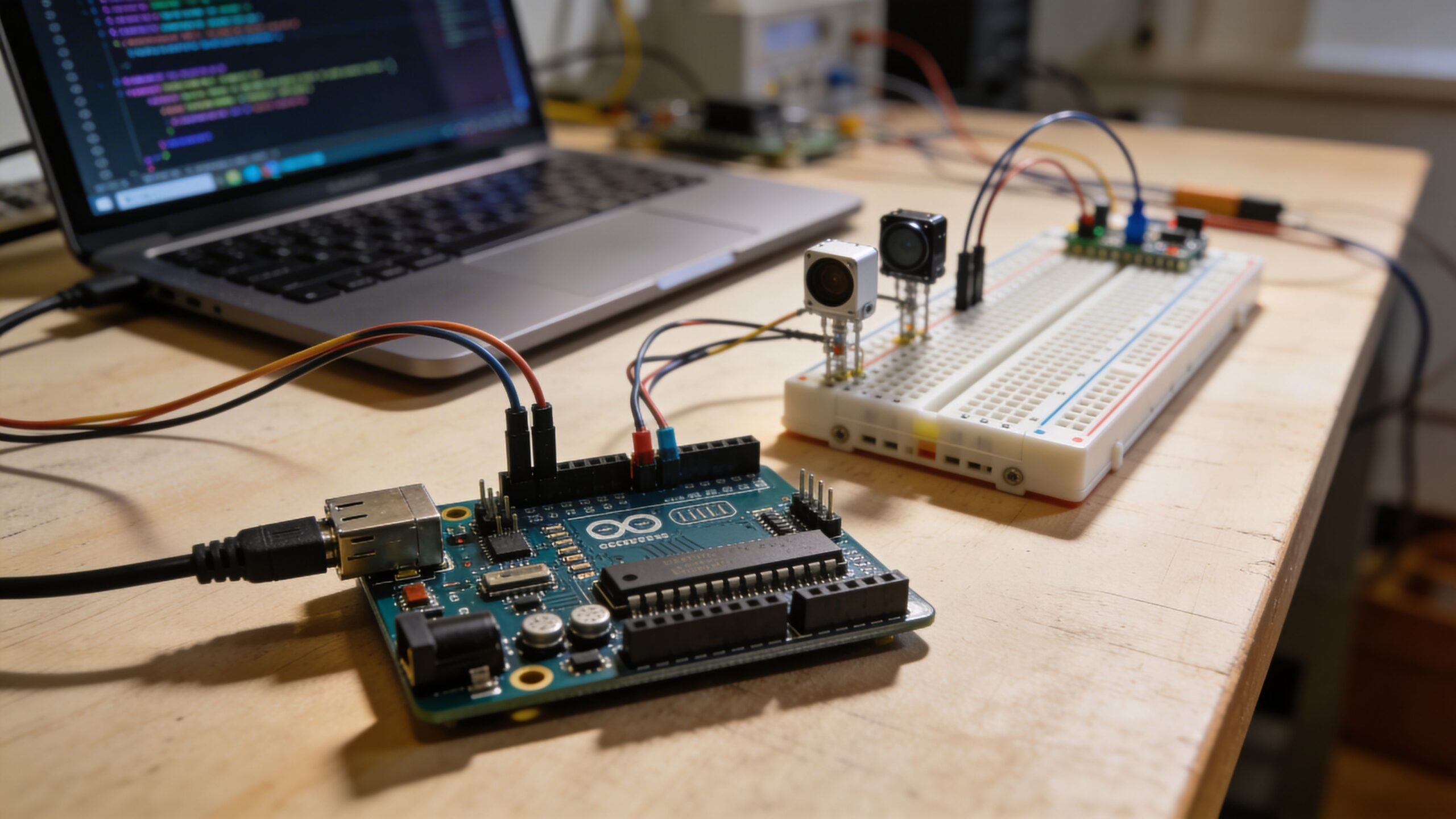
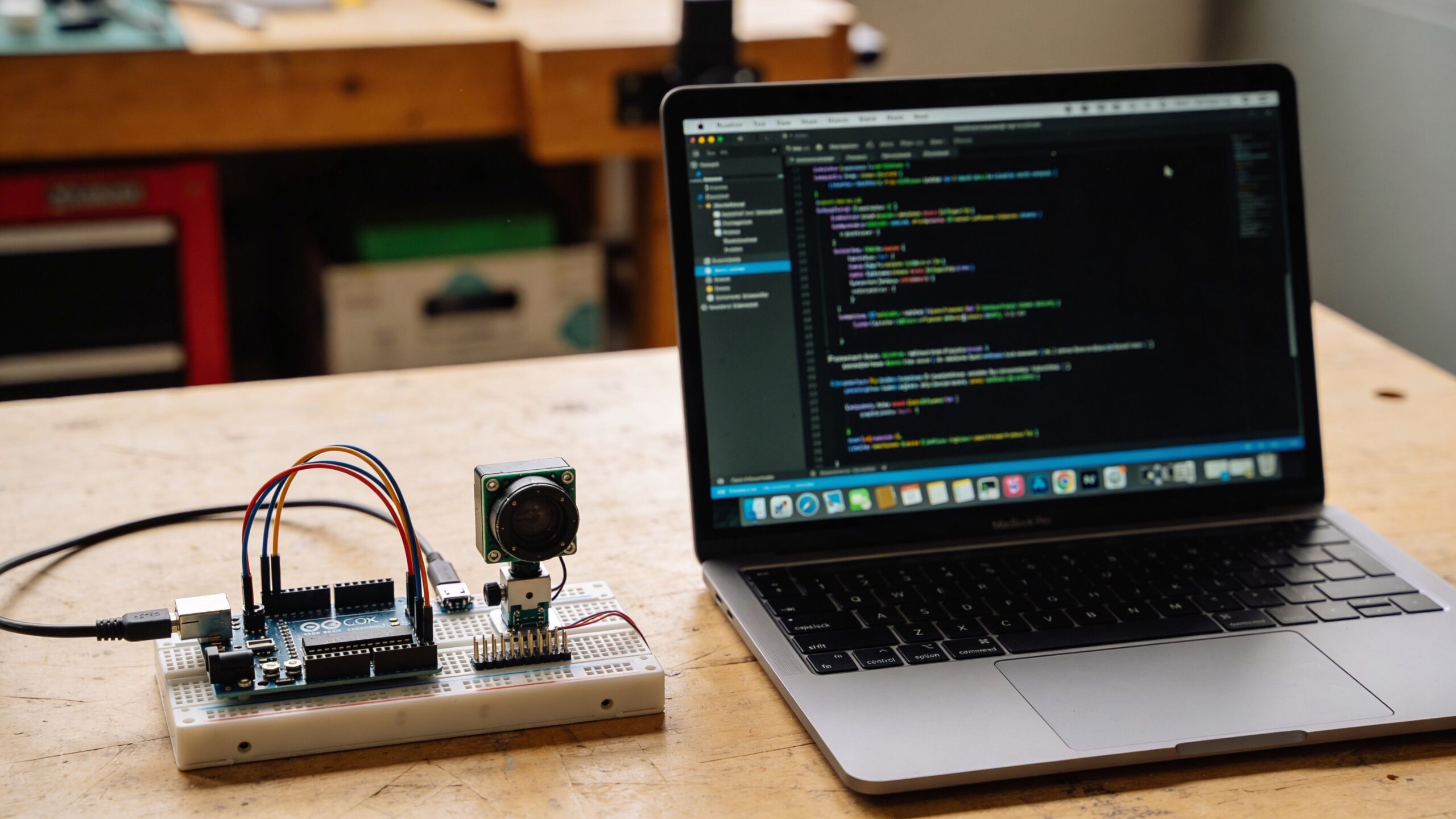
Creating a functional Python maker environment begins with selecting hardware platforms that support Python execution. Microcomputers such as Raspberry Pi provide full operating system capabilities, enabling Python scripts to control hardware components and communicate with external services. Microcontroller platforms supporting MicroPython or CircuitPython offer lightweight alternatives for embedded automation.
The development environment plays a crucial role in productivity and experimentation. Text editors, integrated development environments, and debugging tools streamline coding workflows while providing error detection and testing capabilities. Makers benefit from configuring environments that facilitate rapid iteration and seamless hardware integration. Library management further enhances the development process by enabling access to modules that simplify sensor communication, data processing, and networking. Python’s package ecosystem accelerates project development and encourages experimentation across diverse automation scenarios.
Interfacing Sensors with Python
Sensors provide the foundational data that drives automation logic in maker projects. Python libraries enable straightforward communication with temperature sensors, motion detectors, light sensors, and environmental monitoring modules. Coding sensor interfaces introduces concepts such as data sampling, calibration, and noise filtering.
Reliable sensor integration requires understanding signal characteristics and environmental factors that influence accuracy. Makers often implement data smoothing algorithms and threshold-based logic to ensure stable system responses. Python’s flexibility supports these techniques while maintaining readability and ease of modification.
Sensor-driven automation opens opportunities for responsive projects that adapt to real-world conditions. Environmental monitoring systems, smart irrigation controllers, and safety devices demonstrate how sensor integration transforms Python scripts into intelligent decision-making engines.
Controlling Actuators and Devices
Actuators translate automation logic into physical actions, enabling devices to interact with their environment. Python supports actuator control through libraries that manage motors, relays, LEDs, and servos. Programming these components introduces timing considerations and feedback mechanisms that ensure precise operation.
Motor control often involves pulse width modulation and closed-loop algorithms that regulate speed and position. Python simplifies these tasks through high-level abstractions that reduce coding complexity while maintaining functionality. Makers can experiment with motion control and dynamic behaviors without extensive embedded programming knowledge. Actuator integration enables a wide range of automation applications, including robotics, smart lighting, and mechanical prototypes. Python’s versatility supports both simple output control and complex behavior orchestration, empowering makers to design responsive and adaptive systems.
Networking and IoT Automation
Connectivity expands the scope of maker automation by enabling devices to communicate with cloud platforms, mobile interfaces, and distributed systems. Python’s networking libraries facilitate HTTP communication, MQTT messaging, and real-time data streaming, supporting IoT applications across diverse domains.
IoT automation often involves remote monitoring, data logging, and event-driven control systems. Python scripts can collect sensor data, transmit information to dashboards, and trigger actions based on remote commands. This capability transforms standalone devices into interconnected ecosystems that collaborate across environments.
Security and reliability considerations become increasingly important as devices connect to networks. Makers learn to implement authentication, encryption, and fault tolerance mechanisms that ensure safe and consistent operation. Python’s rich ecosystem supports these requirements while maintaining development efficiency.
Data Processing and Visualization
Automation projects frequently generate large volumes of data that require processing and visualization to derive meaningful insights. Python excels in data analysis through libraries that support filtering, aggregation, and visualization. Makers can transform raw sensor data into actionable information that guides decision-making.
Visualization techniques enhance project usability by presenting data through dashboards and graphical interfaces. Real-time charts and monitoring panels provide immediate feedback on system performance and environmental conditions. Python’s integration with web frameworks enables makers to build intuitive interfaces that complement automation systems. Data-driven automation supports predictive maintenance, optimization, and adaptive behaviors. Makers explore machine learning and statistical analysis techniques that extend automation capabilities beyond simple rule-based logic. Python’s versatility makes it an ideal platform for integrating data science into maker workflows.
Step-by-Step Automation Workflow
Designing automated maker projects involves a structured workflow that guides development from concept to implementation. The process begins with defining project goals and identifying sensors and actuators required to achieve desired functionality. Python scripts serve as the control layer that orchestrates interactions between components.
Prototyping allows makers to test automation logic and validate system behavior before final assembly. Iterative development encourages experimentation and refinement, enabling creators to discover improvements and optimize performance. Debugging becomes an integral part of the workflow, revealing insights into hardware and software interactions.
Deployment transforms prototypes into operational systems capable of continuous automation. Makers consider reliability, power management, and environmental factors that influence real-world performance. Python’s flexibility supports both rapid prototyping and long-term deployment scenarios.
Advanced Automation Techniques
As makers gain experience, automation projects evolve to incorporate advanced techniques that enhance intelligence and adaptability. Machine learning integration enables predictive behaviors that respond to complex patterns and environmental changes. Python’s extensive libraries support these capabilities, allowing makers to experiment with intelligent automation.
Event-driven architectures introduce reactive programming models where devices respond to asynchronous triggers. This approach improves system efficiency and responsiveness, supporting applications such as smart alarms and adaptive lighting. Python’s asynchronous programming features facilitate these designs. Automation orchestration platforms enable coordination between multiple devices and services, creating interconnected ecosystems that operate seamlessly. Makers explore workflow automation tools that simplify complex interactions while maintaining system scalability and reliability.
The Future of Python-Powered Maker Automation
Python’s influence within the maker community continues expanding as hardware capabilities and software ecosystems evolve. Edge computing platforms enable advanced processing directly on devices, reducing latency and enhancing privacy. Python supports these developments by providing accessible tools for embedded AI and real-time analytics.
Emerging technologies such as robotics swarms, smart infrastructure, and adaptive manufacturing systems highlight the growing importance of automation. Makers leveraging Python can explore innovative applications that combine physical computing, data science, and networked intelligence. This interdisciplinary approach fosters creative problem-solving and technological advancement.
The collaborative nature of the maker community accelerates Python adoption through shared libraries, tutorials, and project repositories. As accessibility and innovation continue progressing, Python will remain a cornerstone language empowering makers to automate, invent, and transform the physical world through code.