The Rise of Embedded Intelligence
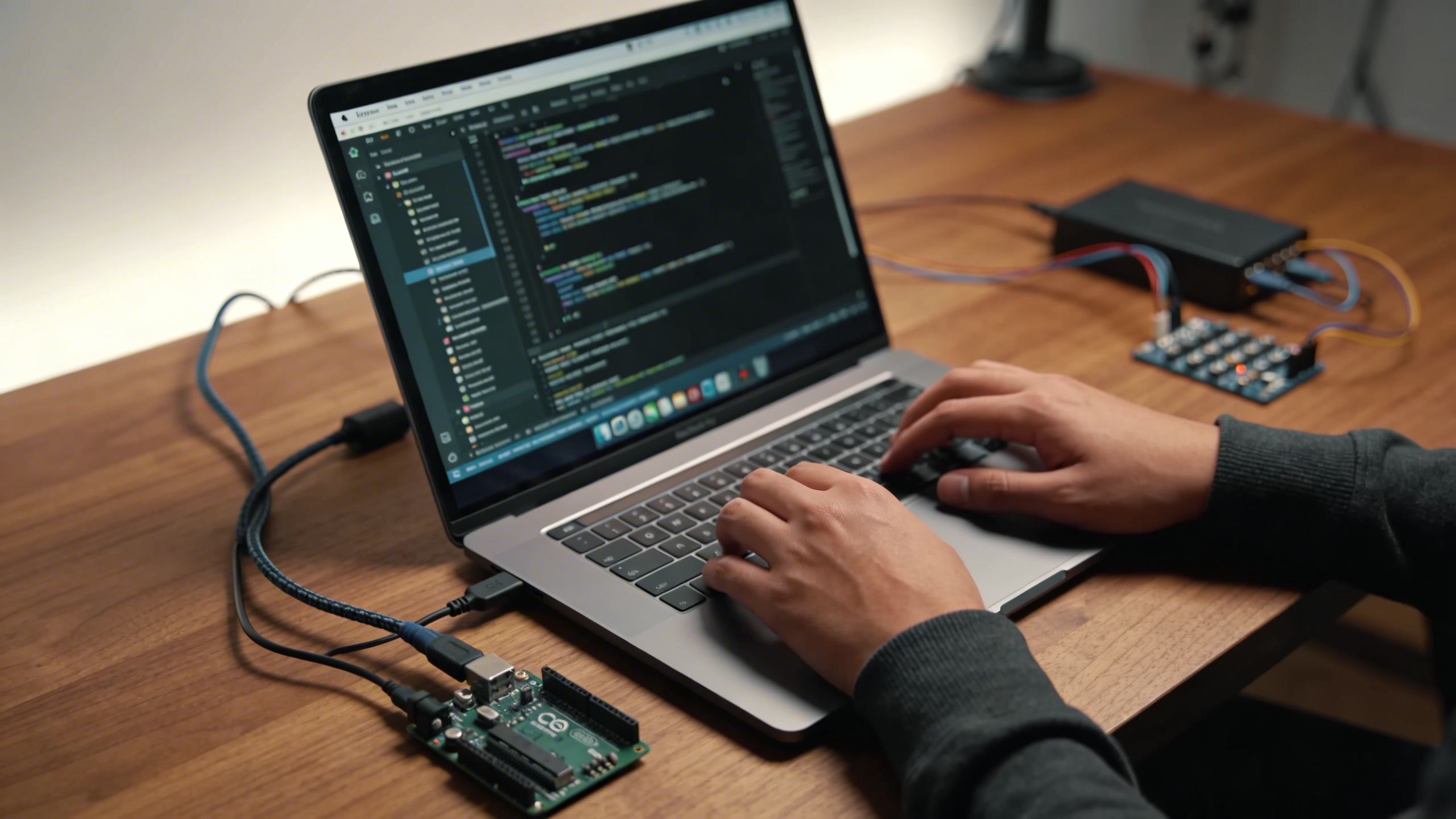
Embedded programming sits at the heart of modern innovation, powering the invisible intelligence inside everyday devices. From smart thermostats and wearable technology to robotics and industrial automation, embedded systems enable machines to sense, process, and respond to their environments. For makers and inventors, learning embedded programming unlocks the ability to transform static objects into responsive, interactive creations that bridge the digital and physical worlds. Unlike traditional software development, embedded programming focuses on hardware-constrained environments where memory, processing power, and energy consumption are limited. This constraint-driven design encourages efficiency, creativity, and precise system control. Makers often discover that embedded programming offers a uniquely rewarding experience because code directly influences tangible outcomes. As accessible development boards and open-source ecosystems continue to expand, embedded programming has become a core skill for inventors exploring rapid prototyping and product development. Understanding these fundamentals allows creators to design smarter devices, experiment with automation, and develop innovations that solve real-world problems.
A: Coding software that runs on dedicated hardware devices.
A: C/C++ remain industry standards.
A: Basic understanding helps but can be learned alongside coding.
A: Software embedded in hardware controlling behavior.
A: Many require deterministic timing.
A: Using serial logs and hardware debugging tools.
A: Yes, across IoT, robotics, and automation.
A: Networked embedded devices exchanging data.
A: Many embedded devices rely on batteries.
A: By building small microcontroller projects.
Understanding Embedded Systems Architecture
Embedded systems consist of specialized hardware and software designed to perform dedicated tasks. At the center lies a microcontroller or microprocessor responsible for executing program instructions and coordinating communication between components. Surrounding this core are sensors, actuators, memory modules, communication interfaces, and power management circuits that collectively define system capabilities.
The architecture of embedded systems emphasizes reliability and predictability. Unlike general-purpose computers, embedded devices often operate continuously in dynamic environments where failure can impact safety or functionality. Programming these systems requires careful consideration of timing, resource allocation, and fault tolerance.
For makers, understanding system architecture provides a foundation for designing scalable and maintainable projects. Recognizing how hardware modules interact enables informed decisions about component selection and coding strategies. This architectural awareness supports efficient debugging and improves overall project performance.
Microcontrollers as the Brain of Embedded Projects
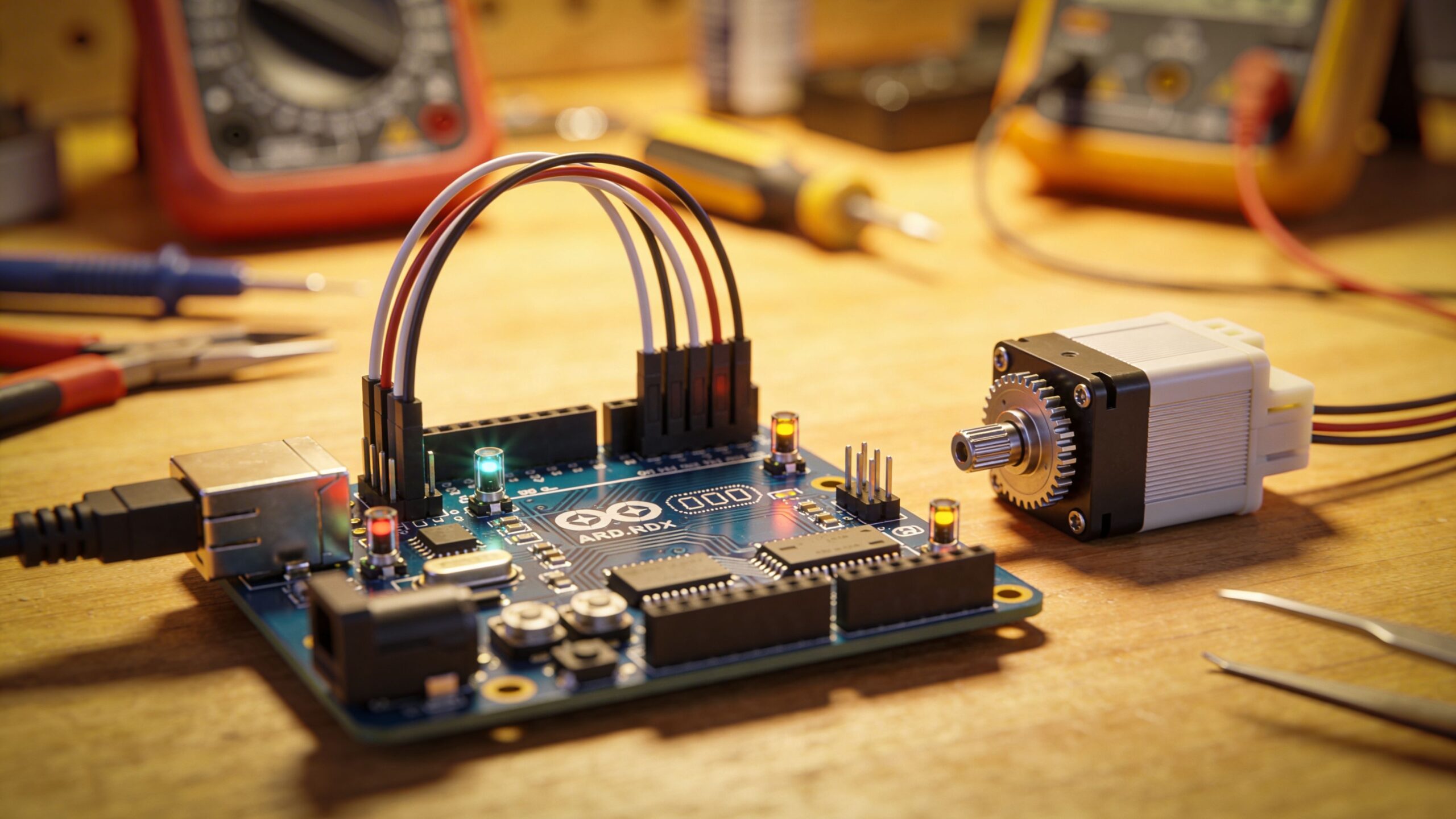
Microcontrollers serve as the computational core of most embedded systems. These compact integrated circuits combine processing units, memory, and input-output interfaces into a single chip, enabling cost-effective and energy-efficient solutions. Popular platforms such as Arduino, ESP32, and STM32 have made microcontroller programming accessible to makers worldwide.
Programming microcontrollers involves writing firmware that directly interacts with hardware registers and peripherals. This low-level control allows precise timing and efficient resource usage but introduces complexity compared to high-level application development. Makers gradually develop familiarity with hardware abstraction layers that simplify coding while maintaining performance. Microcontrollers excel in real-time applications where predictable behavior is critical. From motor control to sensor monitoring, these devices provide deterministic execution that supports responsive and reliable systems. Mastering microcontroller programming opens pathways to advanced embedded engineering and product innovation.
Programming Languages and Development Environments
Embedded programming relies on languages designed for efficiency and hardware control. C and C++ dominate the field due to their performance and flexibility, allowing developers to manage memory and peripheral interfaces directly. These languages remain essential for resource-constrained environments and real-time applications.
Higher-level languages such as Python and MicroPython have gained popularity for rapid prototyping and educational purposes. They enable makers to experiment with embedded concepts without extensive low-level programming knowledge. While these languages may introduce performance trade-offs, they accelerate learning and creativity.
Development environments provide tools for compiling, debugging, and deploying firmware. Integrated development environments streamline workflows by offering code editors, simulation features, and debugging interfaces. Makers benefit from exploring multiple environments to discover tools that match their project complexity and personal workflow preferences.
Real-Time Programming Concepts
Real-time programming distinguishes embedded systems from general-purpose computing by emphasizing deterministic timing and predictable responses. Many embedded applications must react to events within strict time constraints, such as controlling motors or processing sensor data. Coding for these scenarios requires careful management of delays, interrupts, and task scheduling.
Interrupt-driven programming allows systems to respond immediately to external events without continuous polling. This approach improves efficiency and responsiveness while conserving processing resources. Makers often encounter interrupts when working with sensors, communication modules, or timing-critical operations. Real-time operating systems further enhance embedded capabilities by enabling multitasking and resource management. These systems coordinate concurrent processes while maintaining timing guarantees. Understanding real-time programming principles empowers makers to design responsive and scalable embedded applications.
Interfacing Sensors and Actuators
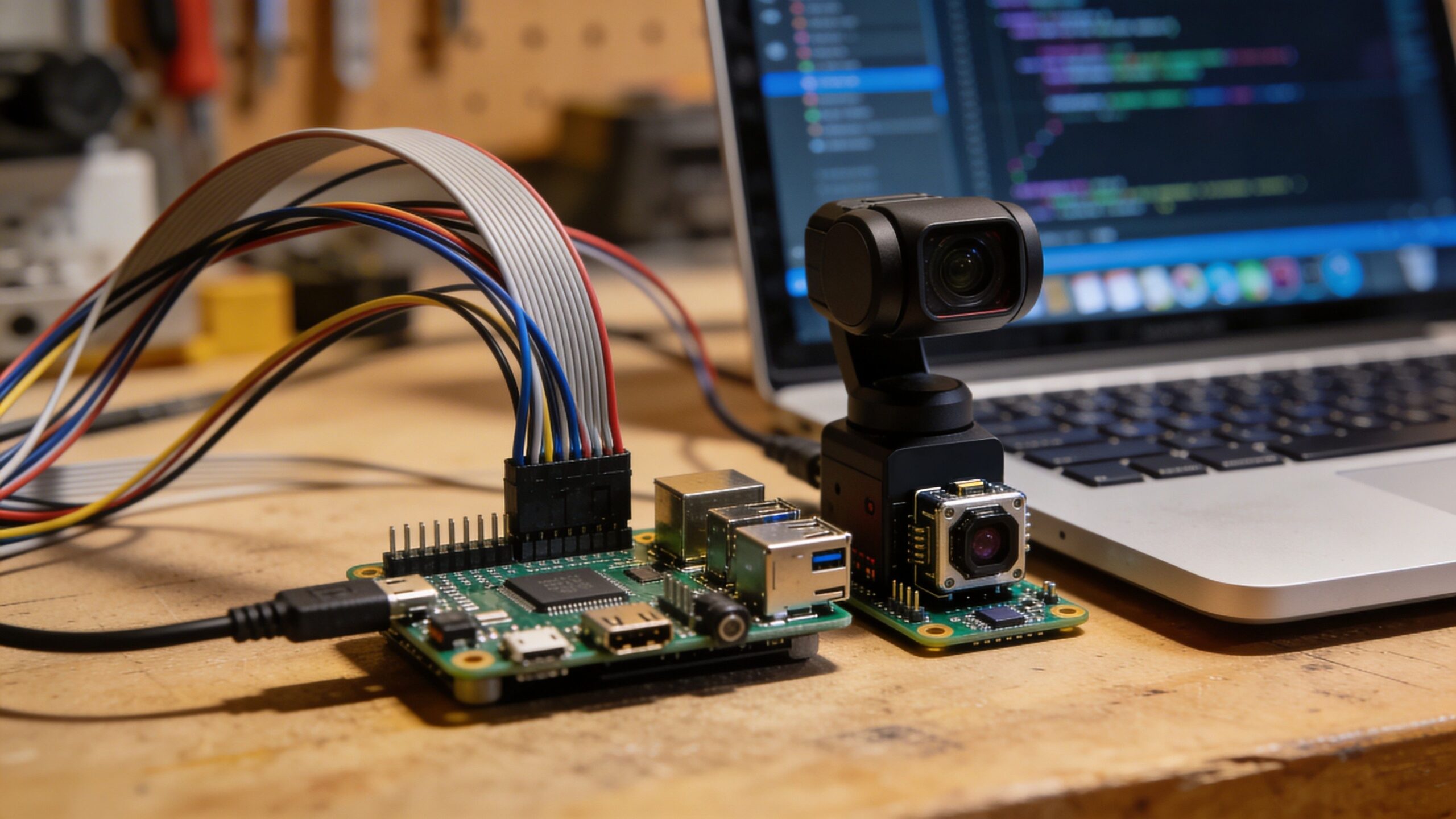
Embedded systems interact with the physical world through sensors and actuators, forming the basis of intelligent device behavior. Sensors capture environmental data, including temperature, motion, pressure, and light, while actuators translate software commands into mechanical or electrical actions. Programming these interactions introduces signal processing and control logic concepts.
Sensor interfacing often involves analog-to-digital conversion and data filtering to ensure accurate measurements. Makers learn to calibrate sensors and implement algorithms that reduce noise and improve reliability. These practices support robust system performance across diverse environments.
Actuator control introduces challenges related to timing, power management, and precision. Motor control algorithms, pulse width modulation, and feedback loops enable responsive movement and dynamic behavior. Coding these interactions deepens understanding of embedded system dynamics and physical computing principles.
Communication Protocols and Connectivity
Embedded devices frequently communicate with other systems to exchange data and coordinate actions. Serial communication protocols such as UART, I2C, and SPI provide reliable interfaces for connecting sensors, displays, and memory modules. Programming these protocols introduces synchronization and data formatting concepts essential for hardware integration. Wireless connectivity expands embedded system capabilities by enabling remote monitoring and control. Technologies such as Wi-Fi, Bluetooth, and LoRa support IoT applications where devices interact with cloud platforms and mobile interfaces. Coding connectivity features introduces networking fundamentals and security considerations.
Understanding communication protocols empowers makers to design distributed systems that collaborate seamlessly. Connectivity transforms standalone devices into intelligent ecosystems capable of adaptive and coordinated behavior.
Debugging Embedded Systems
Debugging embedded systems presents unique challenges because issues may originate in hardware, software, or environmental factors. Effective troubleshooting requires systematic analysis and diagnostic tools that reveal system behavior. Serial monitors, logic analyzers, and hardware debuggers assist in identifying faults and verifying functionality.
Embedded debugging often involves observing real-time signals and interpreting hardware responses. Makers learn to isolate variables and conduct incremental testing to pinpoint issues. This methodical approach reduces complexity and accelerates problem resolution.
Troubleshooting also fosters critical thinking and engineering intuition. Mistakes become valuable learning experiences that deepen understanding of system interactions. Over time, makers develop confidence in diagnosing and resolving complex embedded challenges.
Power Management and Efficiency
Power management plays a crucial role in embedded system design, particularly for battery-powered devices and portable prototypes. Efficient coding strategies minimize energy consumption while maintaining performance and responsiveness. Makers learn to leverage sleep modes, optimize processing tasks, and manage peripheral activity to extend device lifespan. Hardware considerations also influence power efficiency. Voltage regulators, energy harvesting techniques, and battery management systems contribute to sustainable embedded designs. Coding must account for power transitions and fault conditions to ensure reliable operation.
Understanding power management enables makers to design devices suitable for real-world deployment. Efficient systems support extended operation, reduced maintenance, and enhanced environmental sustainability.
Prototyping and Iterative Development
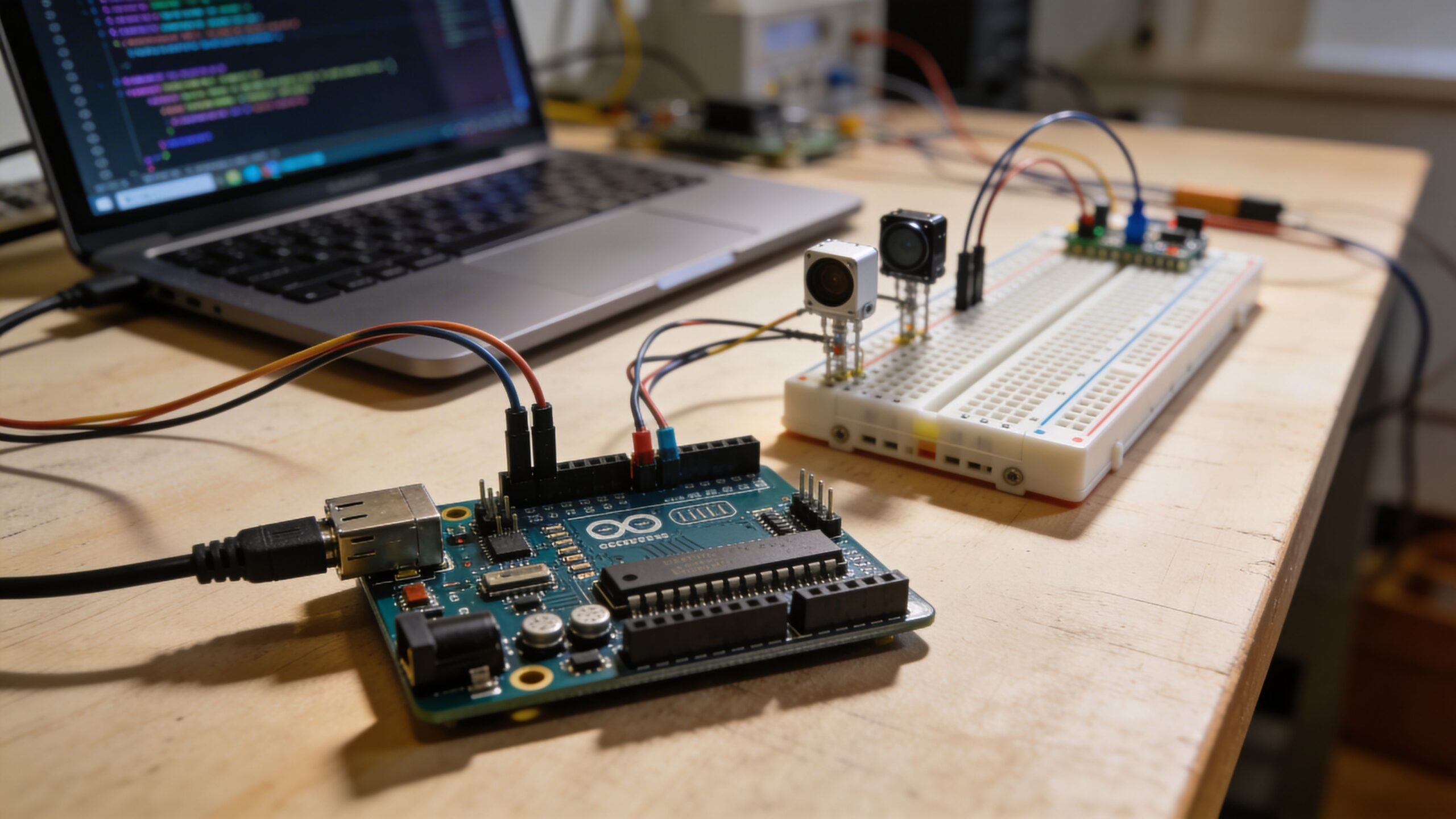
Prototyping allows makers to explore embedded programming concepts through hands-on experimentation. Breadboards and modular components enable rapid testing of ideas without permanent assembly. Coding supports iterative development by allowing quick adjustments that refine functionality and performance.
Iterative design encourages creativity and problem-solving as makers discover new features and improvements during experimentation. Debugging becomes an integral part of the learning process, fostering resilience and technical growth. Prototypes gradually evolve into polished systems with optimized layouts and integrated enclosures.
This iterative workflow reflects professional engineering practices and prepares makers for product development challenges. Embedded programming skills gained through prototyping translate into scalable design capabilities.
The Future of Embedded Innovation
Embedded programming continues to evolve alongside advances in AI, edge computing, and connected technologies. Intelligent sensors and machine learning capabilities enable devices to interpret complex patterns and adapt autonomously. Makers can now develop projects that incorporate predictive analytics and real-time decision-making.
Edge computing platforms bring powerful processing capabilities directly to embedded devices, reducing latency and enhancing privacy. These advancements support applications ranging from environmental monitoring to robotics and assistive technology. Coding embedded AI introduces interdisciplinary opportunities that merge software engineering and data science. The maker community remains a driving force behind embedded innovation, fostering collaboration and open-source development. Shared knowledge and accessible tools empower inventors to experiment and push technological boundaries. Embedded programming will continue shaping the future of intelligent devices and creative engineering.