The Rise of Rapid Innovation
In today’s fast-moving world of technology, design, and entrepreneurship, innovation no longer unfolds at a slow and predictable pace. Markets shift rapidly, customer expectations evolve continuously, and new technologies appear faster than ever before. Within this environment, traditional product development models—where teams spend months or years perfecting an idea before testing it—often struggle to keep up. Rapid iteration has emerged as one of the most powerful methods for navigating this accelerated landscape. Instead of waiting for perfection, innovators focus on quickly transforming ideas into working prototypes, learning from real-world feedback, and improving designs through continuous cycles of experimentation. This process allows teams to move from concept to tangible results in days rather than months. Rapid iteration is not simply a productivity technique. It represents a fundamental shift in how ideas are explored, tested, and refined. By prioritizing learning over perfection, teams can discover better solutions faster while reducing the risks that often accompany ambitious innovation.
A: It is a process of quickly building, testing, and improving ideas through repeated development cycles.
A: It helps teams learn faster, reduce development risk, and refine products more effectively.
A: No. It is used in engineering, product design, manufacturing, education, and many creative industries.
A: A prototype is an early version of a product created to test ideas and gather feedback.
A: Ideally as fast as possible while still allowing meaningful testing and evaluation.
A: Feedback guides improvements and helps determine what changes should be made in the next cycle.
A: Yes, frequent testing often leads to more refined and reliable designs.
A: Prototyping tools, design software, analytics platforms, and collaboration systems all support fast development.
A: It shortens the path between an idea and real-world insight.
A: Yes, it encourages experimentation, creativity, and continuous learning.
What Rapid Iteration Really Means
Rapid iteration refers to a development approach in which ideas are quickly turned into prototypes, tested, evaluated, and improved through repeated cycles. Each cycle produces a slightly refined version of the concept, guided by new insights gained during testing.
The key to this process is speed combined with learning. Instead of investing large amounts of time and resources into a single design, teams build simplified versions that reveal whether an idea works in practice. These prototypes may be rough or incomplete, but they serve an essential purpose: generating feedback.
Through rapid iteration, innovators create a loop of experimentation. Each version of a product answers important questions about usability, performance, feasibility, or customer appeal. The answers then guide the next round of improvements. Over time, this repeated refinement transforms early ideas into sophisticated solutions. This approach shifts the focus of innovation from predicting success to discovering it through experimentation.
Why Speed Matters in Modern Innovation
Speed is not merely about moving quickly for its own sake. In innovation, speed directly affects how fast teams can learn. The sooner a concept is tested, the sooner valuable information becomes available. When development cycles stretch too long, teams often invest heavily in assumptions that may later prove incorrect. Discovering those mistakes late in the process can lead to expensive redesigns, missed opportunities, and delayed launches.
Rapid iteration reduces this risk by bringing ideas into the real world early. Even a simple prototype can reveal surprising insights about how people interact with a product or whether a concept solves the intended problem. In competitive industries, the ability to learn quickly can become a decisive advantage. Organizations that iterate faster can adapt to changing markets, refine products continuously, and respond to user feedback more effectively than slower competitors.
From Concept to Prototype in Days
One of the most remarkable aspects of rapid iteration is how quickly ideas can evolve into tangible prototypes. Advances in digital design tools, cloud collaboration platforms, and rapid manufacturing technologies have dramatically accelerated the development process.
Designers can now create detailed digital models within hours. Engineers can simulate product behavior using sophisticated software before physical components are even built. Prototyping technologies such as 3D printing allow teams to produce functional parts within a single day.
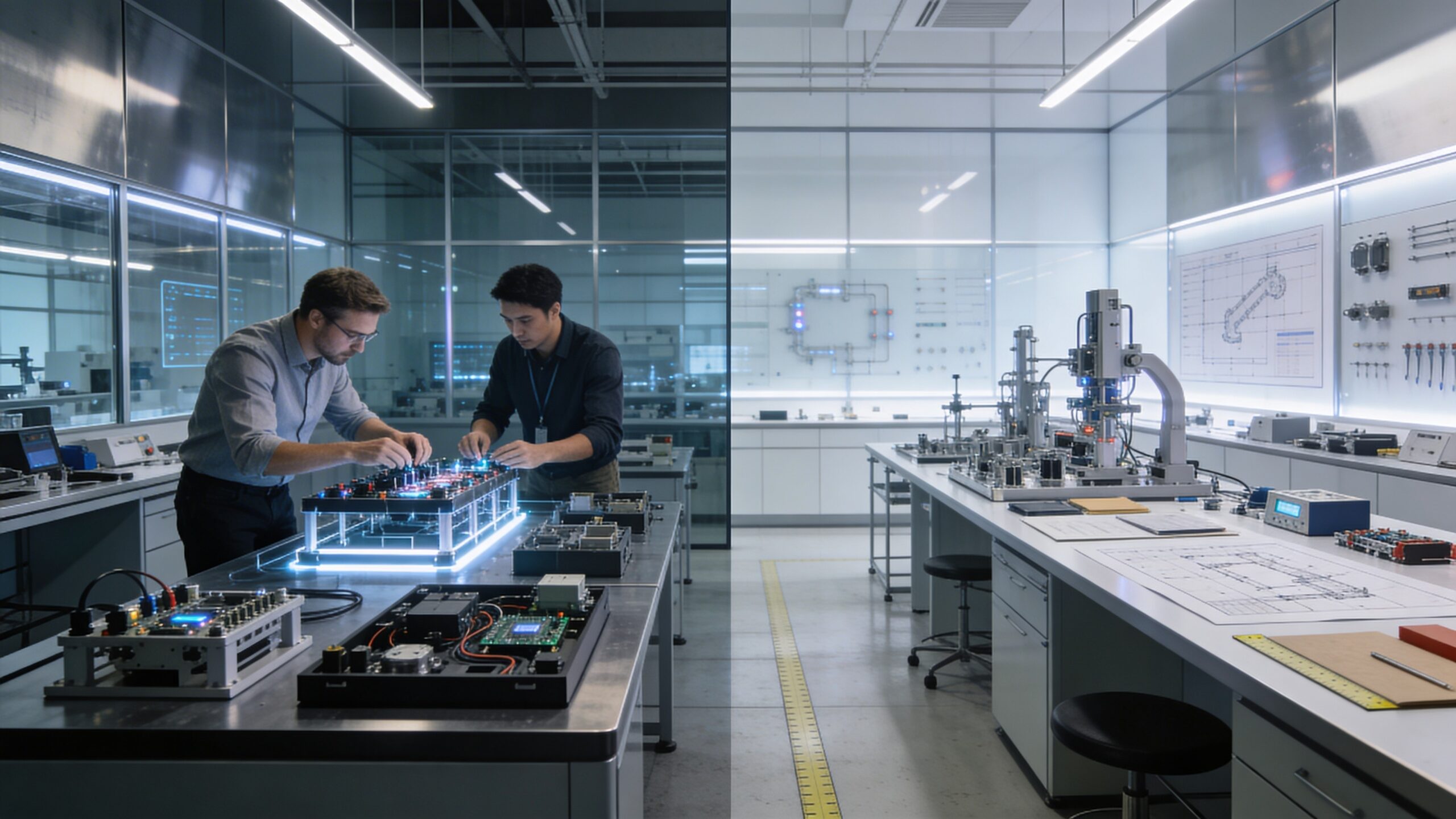
These tools make it possible for innovators to move from concept sketches to physical prototypes in extremely short timeframes. Instead of waiting weeks for manufacturing processes, teams can hold early models in their hands within days. The result is a development environment where ideas become real much faster, allowing teams to test, refine, and improve their concepts continuously.
The Iteration Cycle in Action
Rapid iteration follows a repeating cycle that transforms uncertainty into progress. The cycle begins with a hypothesis or design concept. Teams ask a question about what might work or what users might need. Next comes prototype development. This stage focuses on creating a simple version of the idea that can demonstrate its core functionality or user experience. The prototype may be digital, physical, or a combination of both.
Once the prototype exists, testing begins. Users interact with the design, engineers analyze performance, or developers gather behavioral data. This stage produces the insights that make iteration valuable. The final stage of the cycle involves learning and improvement. Teams review what worked, identify what failed, and determine how the next version should change. With these insights, a new iteration begins. Through repeated cycles, products evolve rapidly toward more refined and effective solutions.
The Power of Prototypes
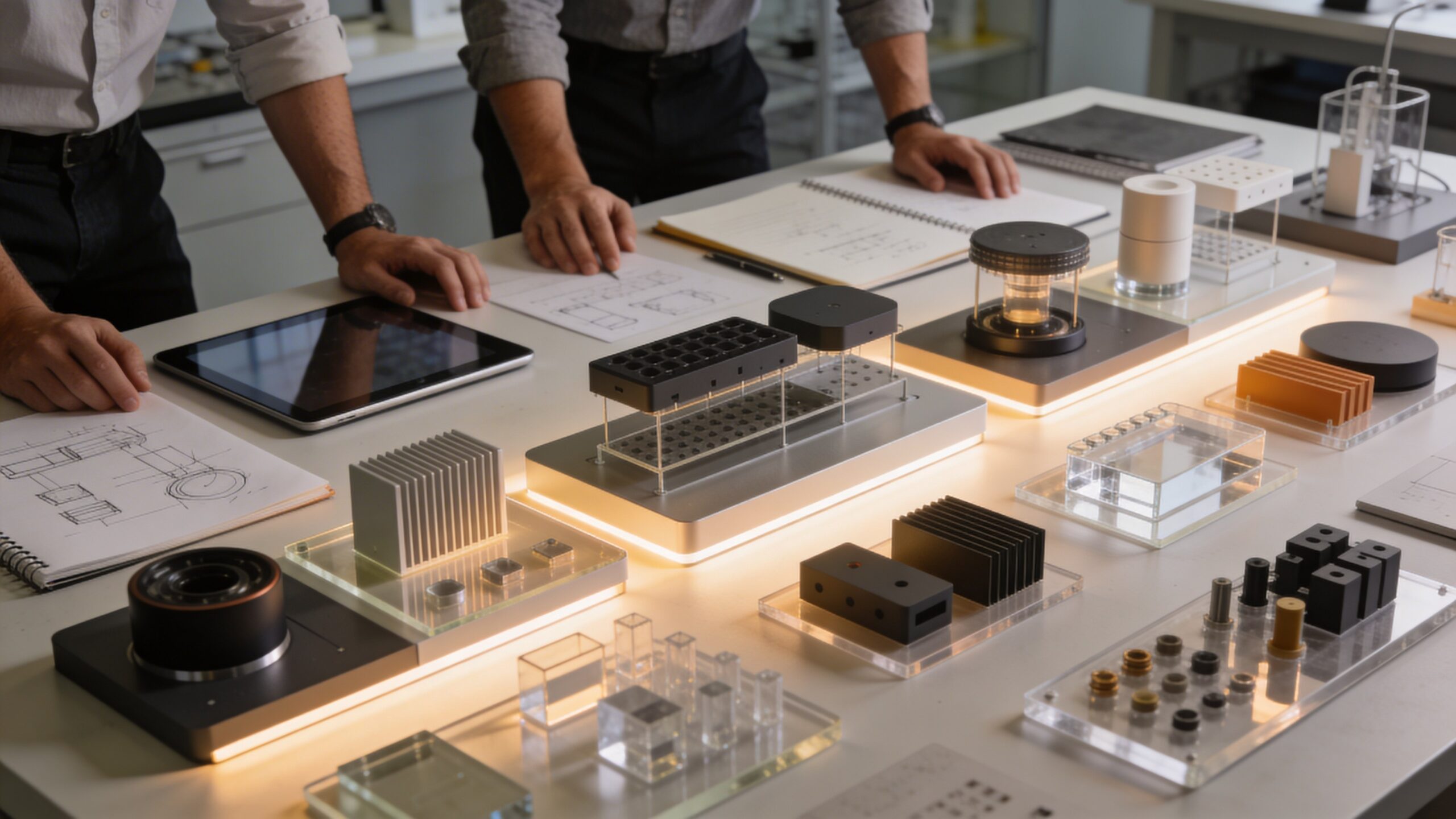
Prototypes are the heartbeat of rapid iteration. Without them, ideas remain theoretical and difficult to evaluate. A prototype transforms a concept into something tangible that can be experienced, tested, and improved.
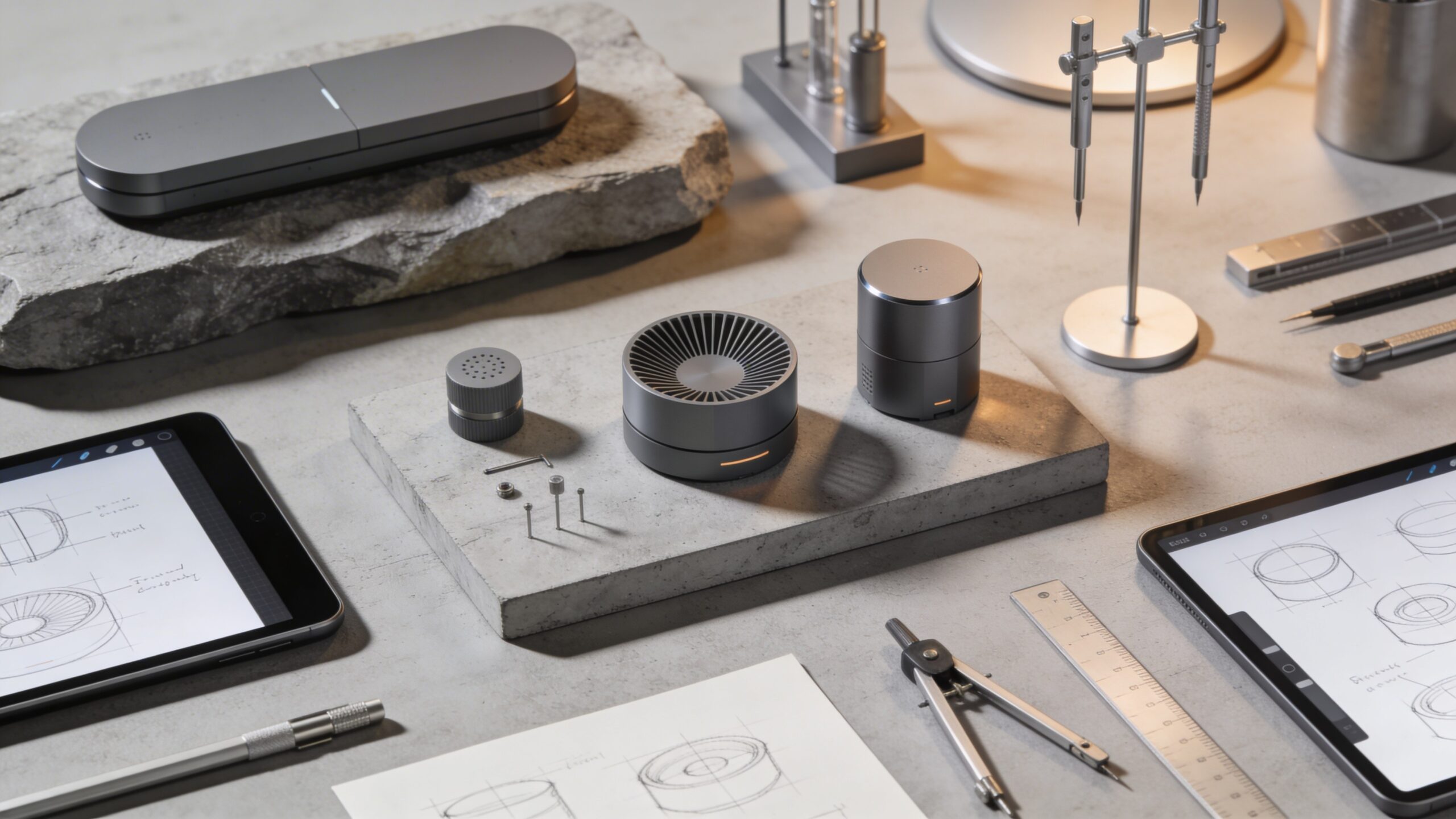
Early prototypes are often intentionally simple. Designers may create rough sketches, clickable interface mockups, or low-cost physical models. These versions exist primarily to answer basic questions about usability and functionality.
As development progresses, prototypes become more sophisticated. Engineers refine materials, improve mechanics, and integrate software systems. Each stage of refinement brings the design closer to the final product. The most important role of a prototype is not perfection but discovery. Every version reveals insights that guide the next step in development.
Learning Through Feedback
Rapid iteration thrives on feedback. Without feedback, iteration becomes guesswork rather than learning. Successful teams actively seek input from users, engineers, testers, and stakeholders throughout the development process. User feedback often provides the most valuable insights. Observing how people interact with a product can reveal unexpected challenges or opportunities. Sometimes a feature that seemed brilliant in theory proves confusing in practice.
Technical feedback also plays a critical role. Engineers analyze performance, durability, efficiency, and safety to determine whether a design meets its requirements. By combining user insight with technical evaluation, teams can refine both the experience and the functionality of a product simultaneously.
Rapid Iteration in the Startup World
Startups have embraced rapid iteration as a survival strategy. Limited resources and intense competition require entrepreneurs to validate ideas quickly and adapt when necessary.
Rather than building complex products immediately, startups often release early versions known as minimum viable products. These versions include only the essential features needed to test whether customers find value in the concept.
Once the MVP reaches users, feedback begins to shape future development. Features are improved, removed, or expanded based on real-world usage patterns. This approach allows startups to discover product-market fit much faster than traditional development models. Instead of guessing what customers want, they learn directly from user behavior.
Rapid Iteration in Design and Engineering
Designers and engineers increasingly rely on rapid iteration to refine both aesthetics and functionality. In product design, early prototypes help teams explore ergonomics, visual appeal, and user interaction. Engineering teams use iterative testing to optimize structural integrity, energy efficiency, and performance characteristics. Each round of testing reveals opportunities for improvement.
In hardware development, rapid iteration has been accelerated by digital simulation tools and additive manufacturing technologies. Engineers can test multiple design variations quickly without committing to expensive production tooling. These capabilities allow teams to explore a wider range of possibilities while maintaining fast development cycles.
Building an Iterative Innovation Culture
For rapid iteration to succeed, organizations must cultivate a culture that values experimentation and learning. Traditional environments often emphasize perfection and risk avoidance, which can discourage early testing.
An iterative culture recognizes that early versions are stepping stones rather than final outcomes. Teams are encouraged to build, test, and refine ideas openly.
Leadership plays a vital role in shaping this mindset. When leaders reward curiosity and treat failures as learning opportunities, teams feel empowered to explore creative solutions. Clear communication also helps maintain alignment. Even though iteration moves quickly, teams must share insights and coordinate improvements to ensure progress remains focused.
Avoiding Common Iteration Pitfalls
While rapid iteration can accelerate innovation dramatically, it also requires discipline. Moving quickly without clear goals can lead to chaotic experimentation rather than meaningful progress. One common pitfall is iterating without defining what each cycle aims to learn. Effective iteration begins with a hypothesis about what might improve the product.
Another challenge arises when teams ignore feedback that contradicts their assumptions. The value of iteration lies in discovering truth, even when that truth forces a design to change. Maintaining balance between speed and reflection ensures that each iteration produces genuine learning rather than simply generating new versions.
The Future of Rapid Iteration
The tools that support rapid iteration continue to evolve rapidly. Artificial intelligence systems now assist with design exploration, generating multiple variations of a concept automatically. Simulation technologies allow engineers to test products in virtual environments before building physical models.
Digital collaboration platforms enable distributed teams to iterate together across continents in real time. Additive manufacturing technologies continue to reduce the time required to produce functional prototypes.
As these technologies advance, the speed of innovation will likely increase even further. Iteration cycles that once required weeks may soon take hours. For innovators, the future promises an environment where experimentation becomes faster, more accessible, and more powerful than ever before.
Final Thoughts
Rapid iteration transforms how ideas become reality. Instead of waiting for perfect designs, innovators move quickly from concept to prototype, learning continuously through experimentation. By embracing this process, teams can discover better solutions faster while adapting to the evolving needs of users and markets. Each iteration builds upon the lessons of the previous one, gradually refining an idea into something truly effective.
In a world where change happens constantly, the ability to move from idea to prototype in days may be one of the most valuable skills modern innovators can possess.