The Moment an Idea Starts to Become Real
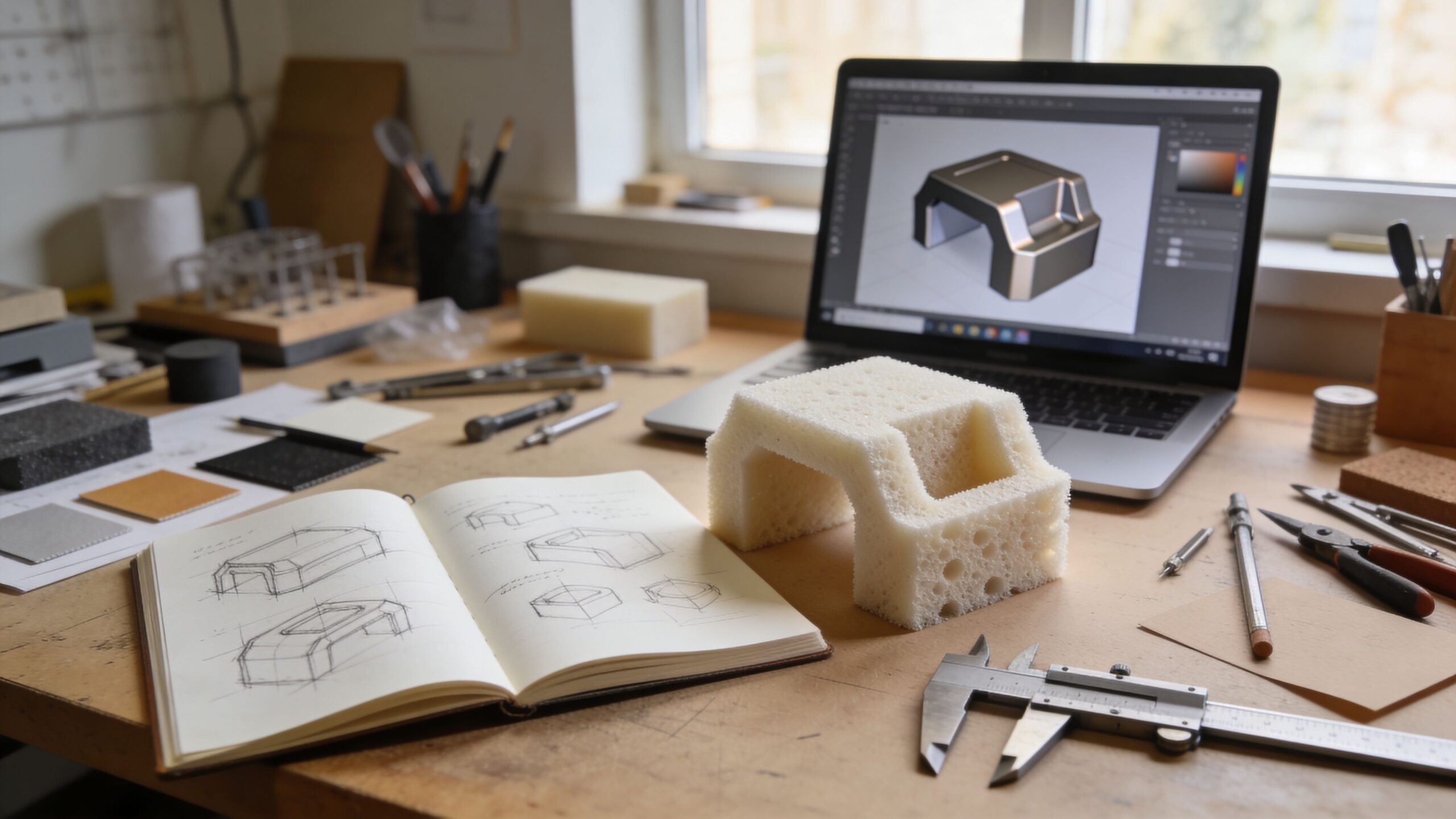
Every invention, tool, and breakthrough product once began as a simple idea. A sketch on paper. A thought scribbled in a notebook. A solution imagined during a moment of frustration. But ideas alone don’t change the world. They need shape, structure, and testing. That’s where product prototyping comes in. Product prototyping is the process of turning concepts into physical or digital models that can be tested, improved, and refined. It’s the bridge between imagination and reality. For beginners, prototyping is one of the most powerful steps in the journey of innovation. It transforms abstract thinking into something you can hold, study, and improve. This stage is where creativity meets engineering. It’s where problems surface early, solutions begin to take form, and confidence grows with every iteration. Whether you’re designing a tool, device, household product, or mechanical concept, prototyping is the moment your idea starts becoming real.
A: An early model built to test and improve a product idea.
A: No, early versions focus on learning, not appearance.
A: As many as needed to refine and improve the design.
A: Yes, simple materials are enough to start building ideas.
A: To identify problems and improve functionality.
A: Most benefit from testing before final development.
A: It varies depending on complexity and iteration.
A: Foam, cardboard, and basic modeling supplies work well.
A: Each version helps refine the design and performance.
A: Refinement, testing, and moving toward production.
Understanding What Product Prototyping Really Means
At its core, a prototype is an early version of a product built to explore how something might work. It doesn’t have to be perfect. In fact, the best prototypes are often rough, simple, and experimental. Their purpose isn’t to impress. Their purpose is to learn.
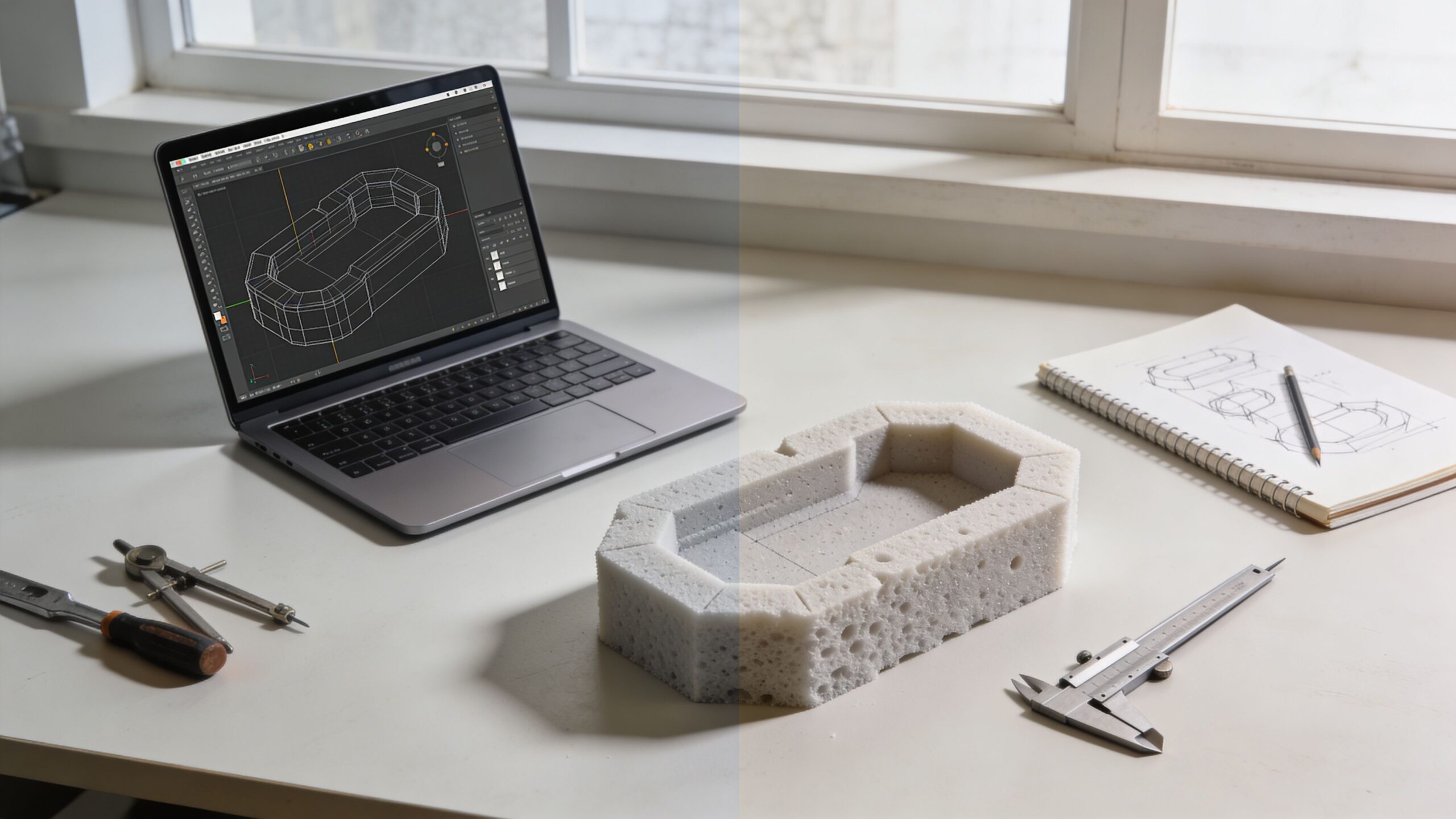
A prototype can be made from cardboard, foam, plastic, metal, or digital models. It might be a visual model that shows shape and size. It might be a functional model that tests movement, strength, or usability. It might even be a rough assembly of parts used to understand how components fit together.
The goal is not perfection. The goal is discovery.
By building a prototype, you begin answering important questions. Does the design make sense? Does it feel right in the hand? Does it solve the problem you intended to solve? Is there a better way to build it? These answers are rarely found in theory alone. They emerge through building.
Why Prototyping Matters More Than You Think
Prototyping is often the difference between an idea that stays in someone’s mind and an idea that becomes a real product. Without prototyping, many inventions would never move past the concept stage. A prototype gives an idea a form, and once something has form, it can be improved.
One of the biggest advantages of prototyping is that it reveals problems early. A design might look perfect on paper, but when you build it, you might discover that parts don’t fit well, materials are too weak, or the product is harder to use than expected. Catching these issues early saves time, money, and frustration later. Prototypes also create clarity. They help inventors explain their ideas to others. A physical model is far easier to understand than a description. Whether you’re sharing with collaborators, engineers, or potential partners, a prototype brings an idea to life in a powerful and immediate way.
From Concept to Creation: How Ideas Take Shape
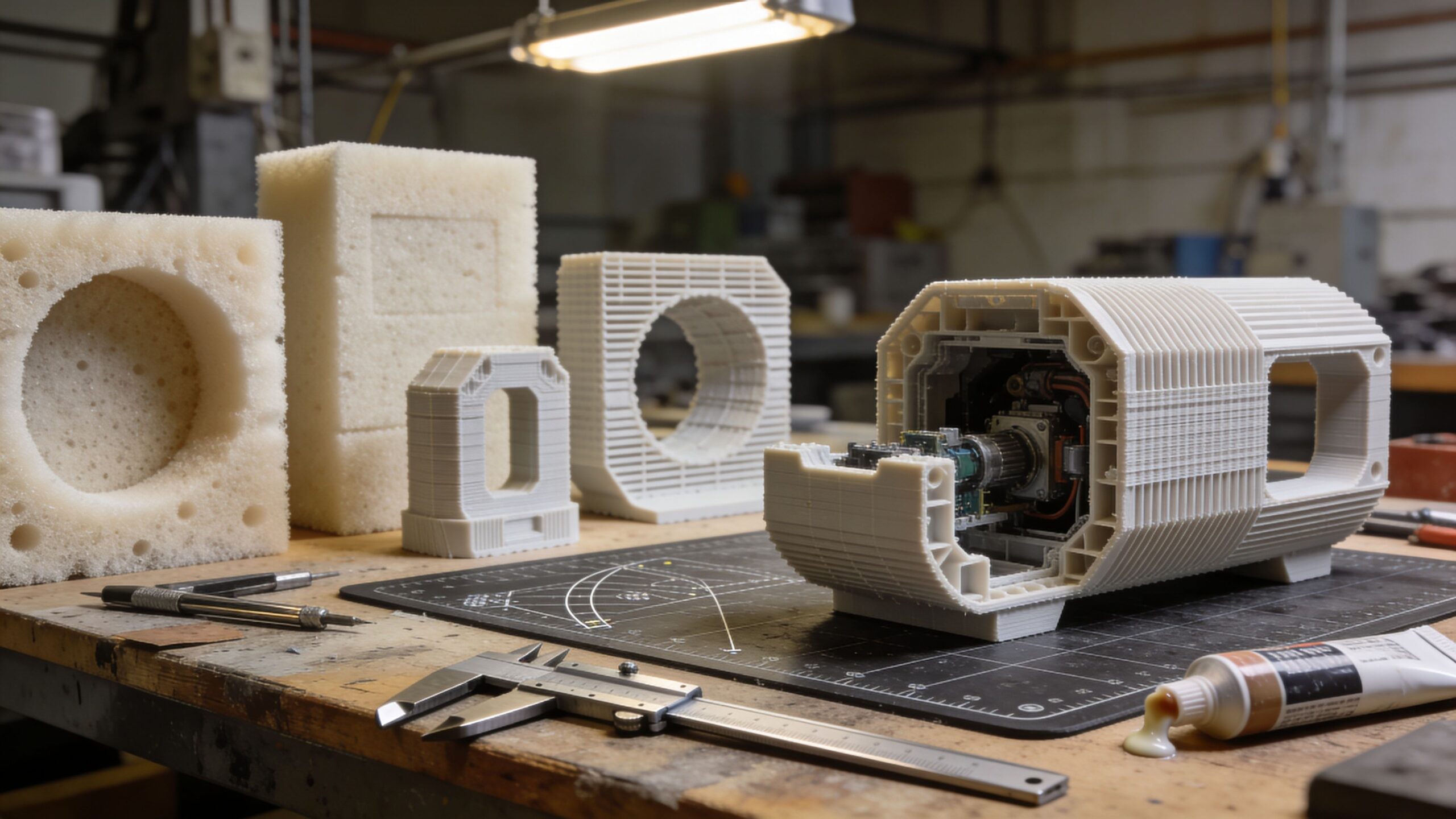
Most products go through several stages of prototyping before they become final designs. Early models may be simple and rough. Later versions become more refined and closer to real-world use.
In the beginning, a prototype might just show the size and shape of an object. This helps determine if the concept feels right. Does it fit comfortably? Is it too large or too small? These early insights guide the next phase of design.
As the process continues, prototypes become more functional. Moving parts are tested. Materials are evaluated. Adjustments are made. Each version improves on the last, gradually bringing the product closer to reality. This progression is what makes prototyping such an exciting process. Every version teaches something new. Every change moves the idea forward.
Types of Prototypes Beginners Can Explore
Not all prototypes are built the same way. Some are designed to explore appearance. Others are built to test performance. Some are meant to evaluate comfort, while others test durability. A visual prototype focuses on the product’s look and feel. It helps creators understand proportions, shape, and presentation. A functional prototype, on the other hand, focuses on how the product works. It tests mechanisms, strength, and movement.
There are also proof-of-concept prototypes. These models show that an idea is possible. They may not look polished, but they demonstrate that the concept can work in the real world. For beginners, the key is to start simple. Even the most basic model can unlock valuable insights and lead to better designs.
The Creative Energy Behind Early Builds
One of the most exciting parts of product prototyping is the sense of momentum it creates. Once you begin building, the idea starts to evolve. You notice improvements you hadn’t considered. You discover new possibilities. You think differently.
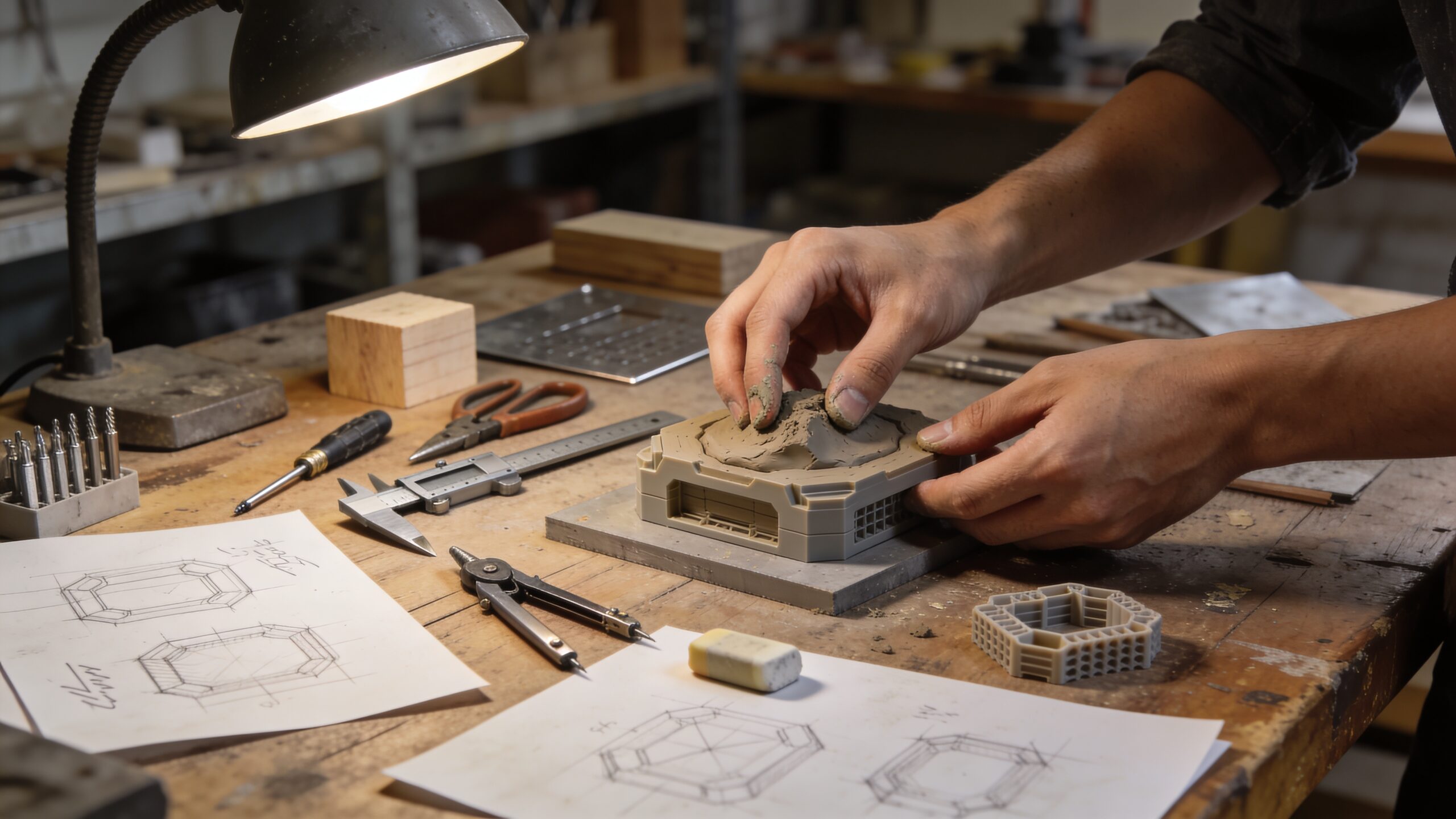
The hands-on nature of prototyping fuels creativity. When you interact with a physical model, your mind starts solving problems naturally. You adjust shapes, try new materials, and rethink how parts connect. The process becomes dynamic and engaging.
This is why many innovators describe prototyping as the most rewarding phase of product development. It’s where imagination meets action.
Learning Through Iteration
No prototype is perfect the first time. In fact, the first version is rarely close to the final result. That’s not failure. That’s progress.
Each prototype teaches something valuable. Maybe a handle needs to be more comfortable. Maybe a mechanism needs to be stronger. Maybe the design can be simplified. These insights guide the next version. Iteration is the heart of prototyping. Build, test, adjust, and repeat. With every cycle, the product becomes more refined and more effective. Over time, rough ideas turn into polished solutions.
The Role of Prototyping in Modern Innovation
Today’s most successful products often go through dozens of prototype stages. From simple hand-built models to advanced digital simulations, prototyping helps teams understand what works and what doesn’t.
In the modern world of innovation, prototyping isn’t just for engineers. Designers, creators, hobbyists, and entrepreneurs all use prototyping to explore ideas. Accessible tools and materials have made it easier than ever to start building.
This shift has opened the door for more creativity and experimentation. Anyone with an idea can begin testing it, refining it, and shaping it into something real.
Turning Problems into Opportunities
Many great inventions begin with a simple problem. Something doesn’t work the way it should. Something could be easier. Something could be better. Prototyping turns that observation into action.
By building early versions of a solution, creators can see how well their idea addresses the problem. They can make improvements. They can try new approaches. Over time, a small idea can grow into a meaningful innovation. Prototyping makes problem-solving tangible. It transforms challenges into opportunities for creativity.
Building Confidence Through Making
For beginners, one of the biggest benefits of prototyping is confidence. The first time you build something from an idea, it changes how you think. It shows you that innovation isn’t reserved for experts. It’s something anyone can explore.
Each prototype becomes proof that progress is happening. Even imperfect models are valuable. They represent movement, learning, and growth.
This mindset is essential in innovation. Confidence grows with experience, and prototyping provides that experience in a hands-on, meaningful way.
When a Prototype Becomes Something More
As designs improve and ideas take shape, prototypes begin to resemble real products. Materials become stronger. Details become sharper. Functionality becomes more reliable.
Eventually, a prototype can evolve into a version ready for real-world testing. At this stage, the product starts moving beyond concept and into development. Feedback becomes more detailed. Refinements become more focused. This transformation marks a major milestone. It shows that the idea has matured and is ready for the next step.
The Future of Your Ideas Starts Here
Product prototyping is more than a technical step. It’s a creative journey. It’s the process that turns possibility into progress. It allows beginners to explore innovation without needing perfection from the start. Every successful product begins with curiosity. With experimentation. With the willingness to build something simple and learn from it. By embracing prototyping, you give your ideas a chance to grow. You turn imagination into something real. And with every model you create, you move one step closer to turning a concept into a working reality.