The Difference Between Making and Meaningful Making
Many people build things, but only some create solutions that truly resonate. Successful makers stand apart because they do not begin with materials or mechanisms. They begin with intent. Design thinking gives makers a framework that transforms raw creativity into purposeful outcomes. Rather than guessing what might work, design thinking grounds making in real human needs. It shifts the focus from “what can I build” to “what should exist.” This mindset separates hobby projects from impactful innovations and turns effort into value.
A: No, makers at any scale benefit.
A: It actually prevents wasted effort.
A: Solo makers can apply it too.
A: No, it’s highly practical.
A: Absolutely, especially early testing.
A: As many as needed to learn.
A: It focuses creativity productively.
A: Yes, it’s essential.
A: Skipping empathy.
A: Yes, through practice.
Empathy as a Competitive Advantage
At the heart of design thinking is empathy. For makers, empathy is not abstract theory; it is a practical advantage. Understanding users deeply allows makers to anticipate problems, refine functionality, and create experiences that feel intuitive rather than forced.
Successful makers observe how people interact with objects and systems in real environments. These observations reveal insights no specification sheet can provide. Empathy ensures that builds are relevant, usable, and emotionally satisfying.
Why Ideas Alone Are Not Enough
Ideas are abundant, but execution determines success. Design thinking prevents makers from falling in love with ideas too early. It encourages exploration without attachment, allowing concepts to evolve through testing and feedback. This flexibility protects makers from investing too much time in flawed assumptions. By validating ideas early, design thinking saves resources and channels energy into directions that matter.
Prototyping as a Learning Engine
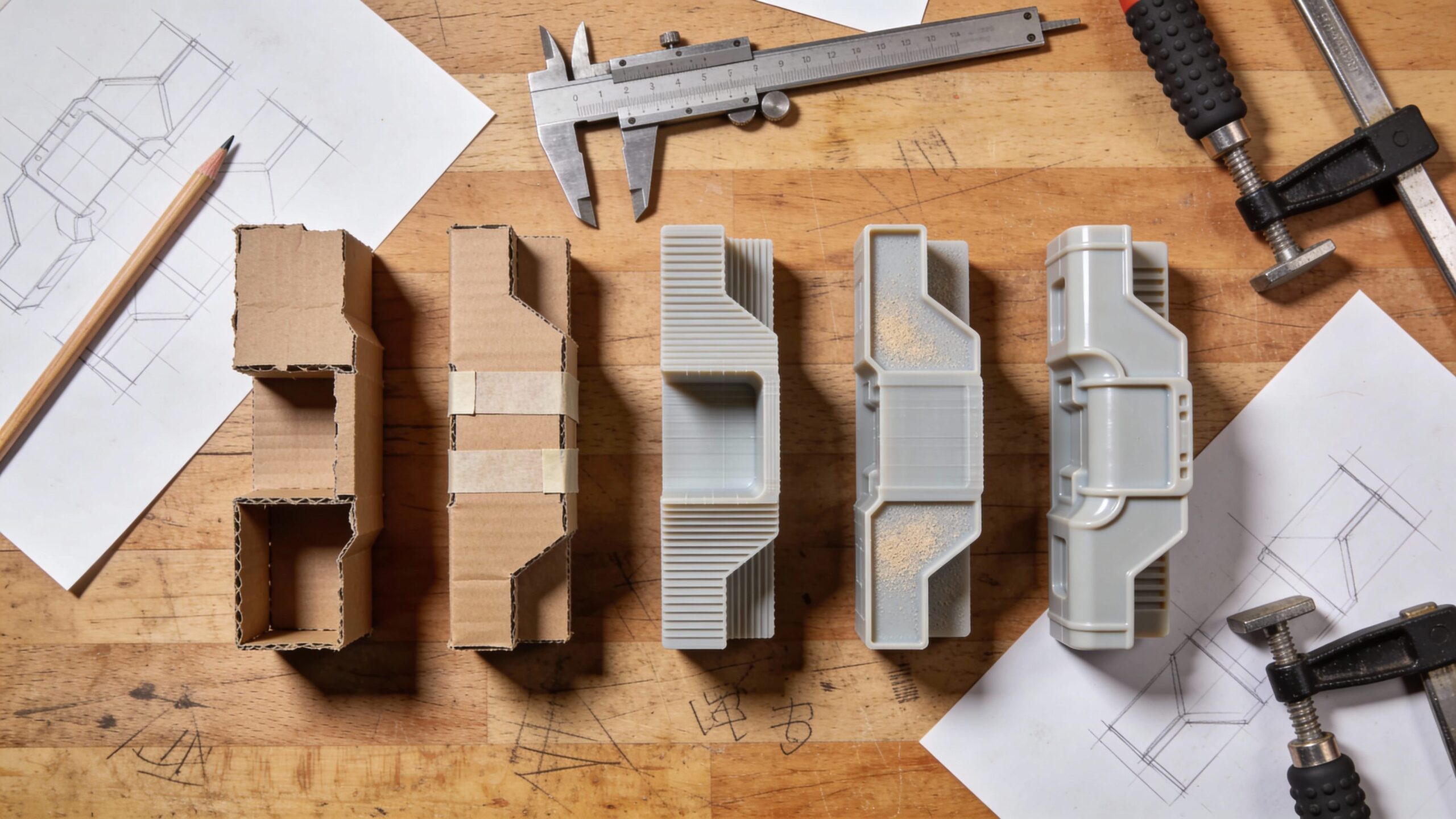
Prototyping is where design thinking becomes tangible. For successful makers, prototypes are not mini final products but learning tools. Rough builds reveal strengths and weaknesses faster than polished designs ever could.
Low-fidelity prototypes invite honest feedback because they signal openness to change. Makers who prototype early gain clarity quickly, reducing uncertainty and accelerating improvement.
Iteration Builds Mastery
Iteration is often misunderstood as rework, but in design thinking, it is progress. Each iteration refines understanding and improves alignment with user needs. Successful makers embrace iteration as part of their craft. This mindset removes fear from failure. Instead of setbacks, makers see signals pointing toward better solutions. Over time, iteration builds confidence, skill, and intuition.
Design Thinking in the Maker Mindset
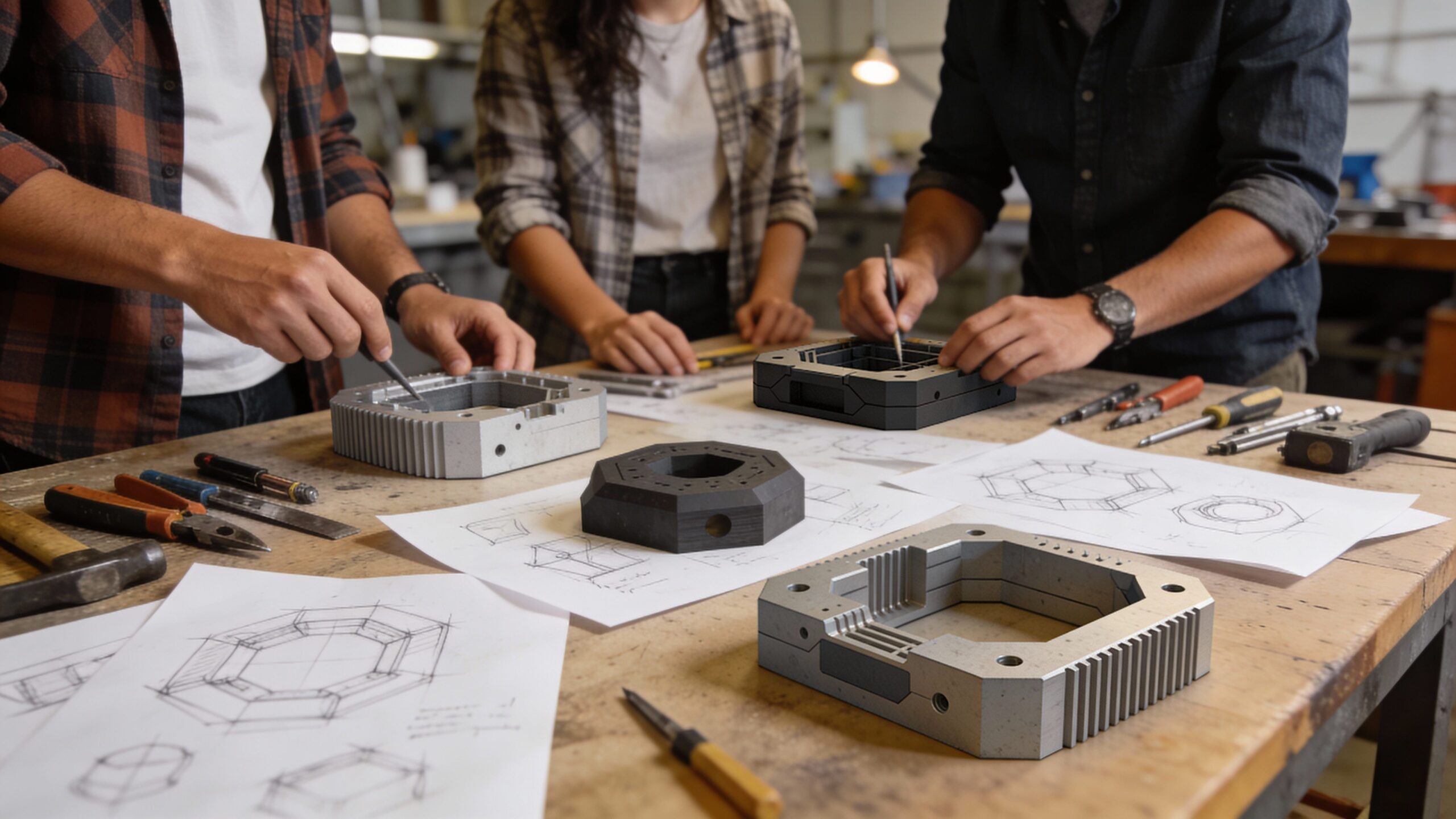
Design thinking integrates naturally with the maker ethos. Both value experimentation, curiosity, and hands-on learning. When combined, they create a powerful loop of build, test, learn, and improve.
Makers who adopt design thinking develop stronger decision-making skills. They learn when to pivot, when to refine, and when to move forward. This strategic clarity turns passion into sustainable progress.
From Workshop to Real-World Impact
Design thinking helps makers bridge the gap between workshop experiments and real-world adoption. By focusing on usability, accessibility, and context, makers ensure their creations fit seamlessly into people’s lives. This approach transforms projects into solutions with lasting relevance. Whether designing tools, devices, or experiences, makers guided by design thinking create work that endures.
The Secret Weapon Revealed
Design thinking is not a shortcut or a trend. It is a disciplined way of thinking that amplifies creativity and sharpens execution. For successful makers, it becomes a secret weapon because it aligns effort with impact.
By combining empathy, experimentation, and iteration, design thinking empowers makers to build smarter, learn faster, and create things people genuinely value. It turns making into innovation—and innovation into meaningful success.