Why Mindset Matters More Than the Perfect Tool
Many makers begin their journey believing the next tool will be the turning point. A better printer, a stronger saw, a faster controller board, or a premium set of hand tools feels like the missing ingredient. Tools absolutely matter, but they are not the true divider between frustrating projects and successful ones. The real divider is how you think while you build. The design thinking mindset is the habit of approaching problems with curiosity, empathy, and experimentation instead of certainty and attachment. It helps makers produce work that fits real life, not just workshop fantasies. When you adopt this mindset, projects stop feeling like all-or-nothing gambles. Your builds become a series of learning steps. You stop needing to be right immediately and start getting better continuously. That shift changes everything because it turns frustration into information and setbacks into direction.
A: Both—the mindset makes the process work.
A: Building to learn, not building to be right.
A: Treat it like free testing data, not criticism.
A: Yes—at least one person who isn’t you.
A: You can still observe, prototype, and test in small loops.
A: Timebox and prototype rough versions early.
A: No—it helps you apply craftsmanship to the right solution.
A: When user success is smooth and improvements plateau.
A: Change your questions before you change your tools.
A: Absolutely—it improves diagnosis and decision-making.
The Maker Shift: From “What Can I Build?” to “What Should Exist?”
A traditional maker mindset often begins with capability. You look at what you can fabricate and then decide what to create. Design thinking flips that order. It begins with need. You notice a pain point, a recurring annoyance, a workflow that wastes time, or a situation where someone struggles. Then you explore what should exist to relieve that friction.
This shift is subtle but powerful. It pushes your creativity into a more meaningful lane. Instead of building to impress, you build to solve. The result is not just better projects; it’s projects that actually get used. That is the maker’s ultimate victory: a build that becomes part of life.
Curiosity Over Certainty
Design thinking begins with the willingness to be curious. Many makers fall into certainty too early. They decide the cause of the problem, decide the solution, and commit to building it. When the build fails, it feels personal, like a judgment on skill. Curiosity changes the emotional texture of making. If you approach your project as an experiment, failure becomes data. The question shifts from “Why didn’t this work?” to “What is this teaching me?” Curiosity also widens your options. Instead of committing to one concept, you explore several. You ask better questions. You look for hidden constraints. You notice the human side of the problem. A curious maker designs with reality in mind rather than with ego in control.
Empathy Makes DIY Builds Work in the Real World
Empathy can sound like a soft word in a hard workshop, but it is one of the most practical maker skills you can develop. Empathy is simply the habit of designing with a real person’s experience in mind. Even if you are the user, empathy asks you to observe yourself honestly. Are you rushing? Are you wearing gloves? Is the light poor? Is the space cramped? Do you need one hand free? Do you get distracted?
Makers who think empathetically build things that behave well in real conditions. They create mounts that are easy to use, handles that feel safe, and systems that reduce mental effort. Empathy is why some projects become beloved tools and others become dusty shelf trophies.
Prototypes as Questions, Not Mini Final Products
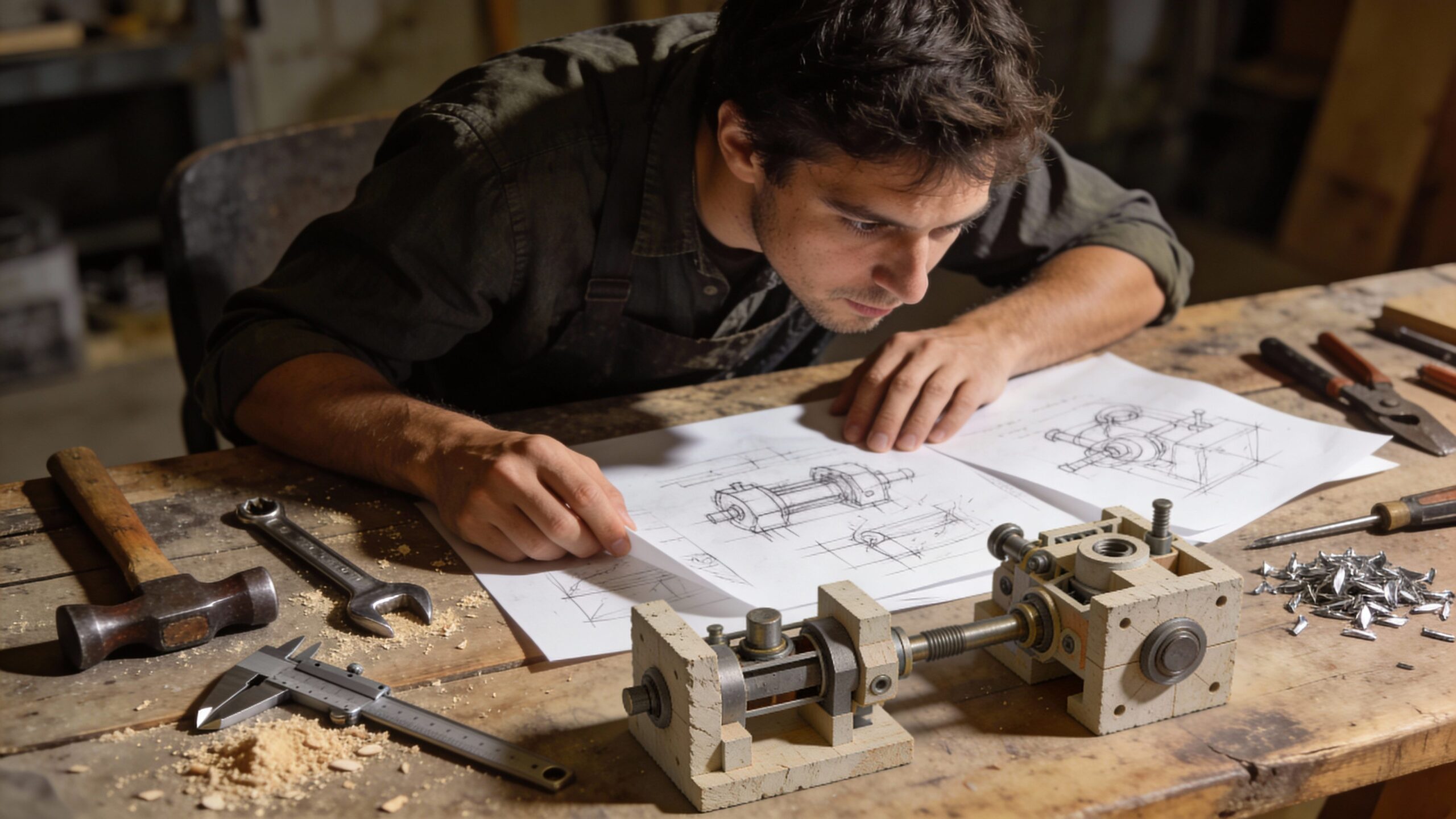
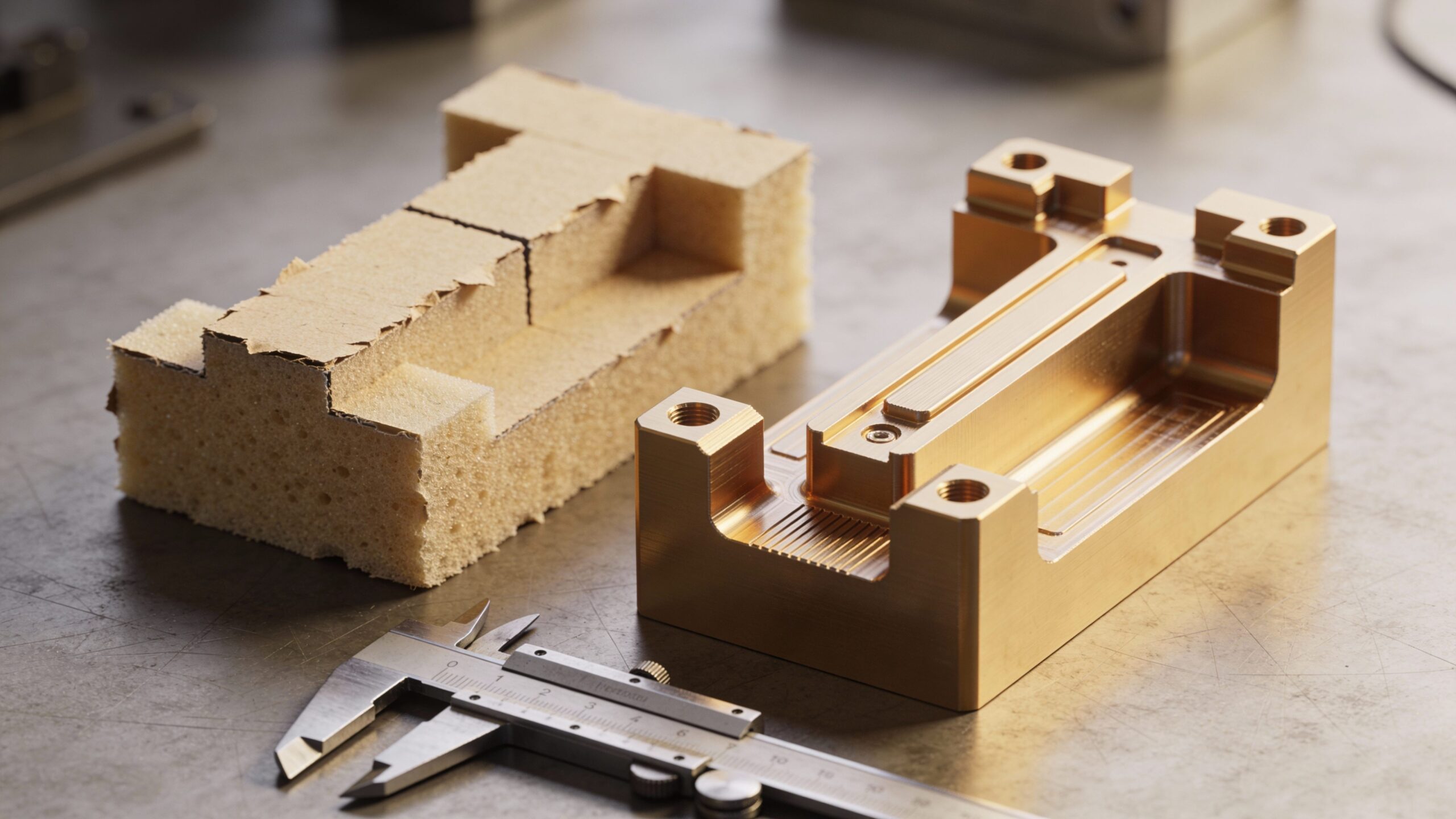
One of the biggest mindset shifts is how you treat prototypes. Many makers build a “prototype” that is basically a final product with rough edges. Design thinking prototypes are different. They are intentionally incomplete because their job is to answer a question quickly. A cardboard mockup might answer, “Is this the right size?” A foam handle might answer, “Does this feel comfortable after ten minutes?” A scrap jig might answer, “Does this workflow actually save time?” When you treat prototypes as questions, you stop overinvesting too early. You build faster, learn sooner, and change course without regret. This mindset makes iteration feel natural instead of painful.
Feedback Stops Being a Threat and Starts Being Fuel
A maker who is emotionally attached to a first idea will experience feedback as criticism. A maker with a design thinking mindset experiences feedback as free testing. That shift takes practice because it requires separating your identity from your current version. Your project is not you. Your prototype is not a verdict. It’s a step.
The best feedback often arrives through observation rather than opinion. Watch someone use your build without instructions. Notice where they hesitate or improvise. Those moments are gold because they reveal where the design is unclear. Makers who learn to love this kind of feedback become faster and more confident over time.
Iteration Becomes Progress Instead of Rework
In some workshops, iteration is treated as proof something went wrong. In design thinking, iteration is proof you are doing it correctly. If you’re building something new, you should expect multiple versions. Each version removes uncertainty and increases alignment with the real need. Iteration also protects you from perfectionism. If your goal is not “the perfect first build,” you have permission to start rough. Rough starts are often the only way to begin. Over time, repeated small improvements produce a design that feels inevitable, like it could not have been any other way.
Constraints Become Creative Guides
Makers live inside constraints. Limited budgets, limited space, limited time, limited tools, and limited patience are part of the game. The design thinking mindset treats constraints as design inputs, not enemies. When you accept constraints early, your design becomes more elegant because it must focus on what matters.
A constrained build often beats a complex build because it reduces friction. The most useful DIY projects are rarely the most complicated. They are the ones that solve the problem with the least effort and the most reliability. Constraints push you toward that kind of simplicity.
The Quiet Goal: Reducing Mental Load
A surprising theme in great design is mental load. People love tools that make tasks feel lighter. A storage system that makes finding items effortless. A jig that reduces decisions. A workflow that prevents mistakes. Design thinking helps makers design for mental ease because it keeps the user experience front and center. This is why “obvious” designs win. If someone can succeed without instructions, you’ve created something powerful. In the workshop, clarity is a form of safety. In daily life, clarity is a form of comfort.
Learning to See the “Real Problem” Under the Surface
Many DIY projects fail because they solve the wrong problem. A maker sees a mess and builds storage, but the real issue is poor placement of frequently used items. A maker sees poor accuracy and builds a fancy jig, but the real issue is inconsistent setup. A maker sees tool downtime and buys upgrades, but the real issue is workflow planning.
Design thinking trains you to pause before you build. It encourages you to ask why, observe behavior, and reframe the challenge. This is the mindset that turns a good maker into a great one: the ability to diagnose before designing.
How Makers Train This Mindset Over Time
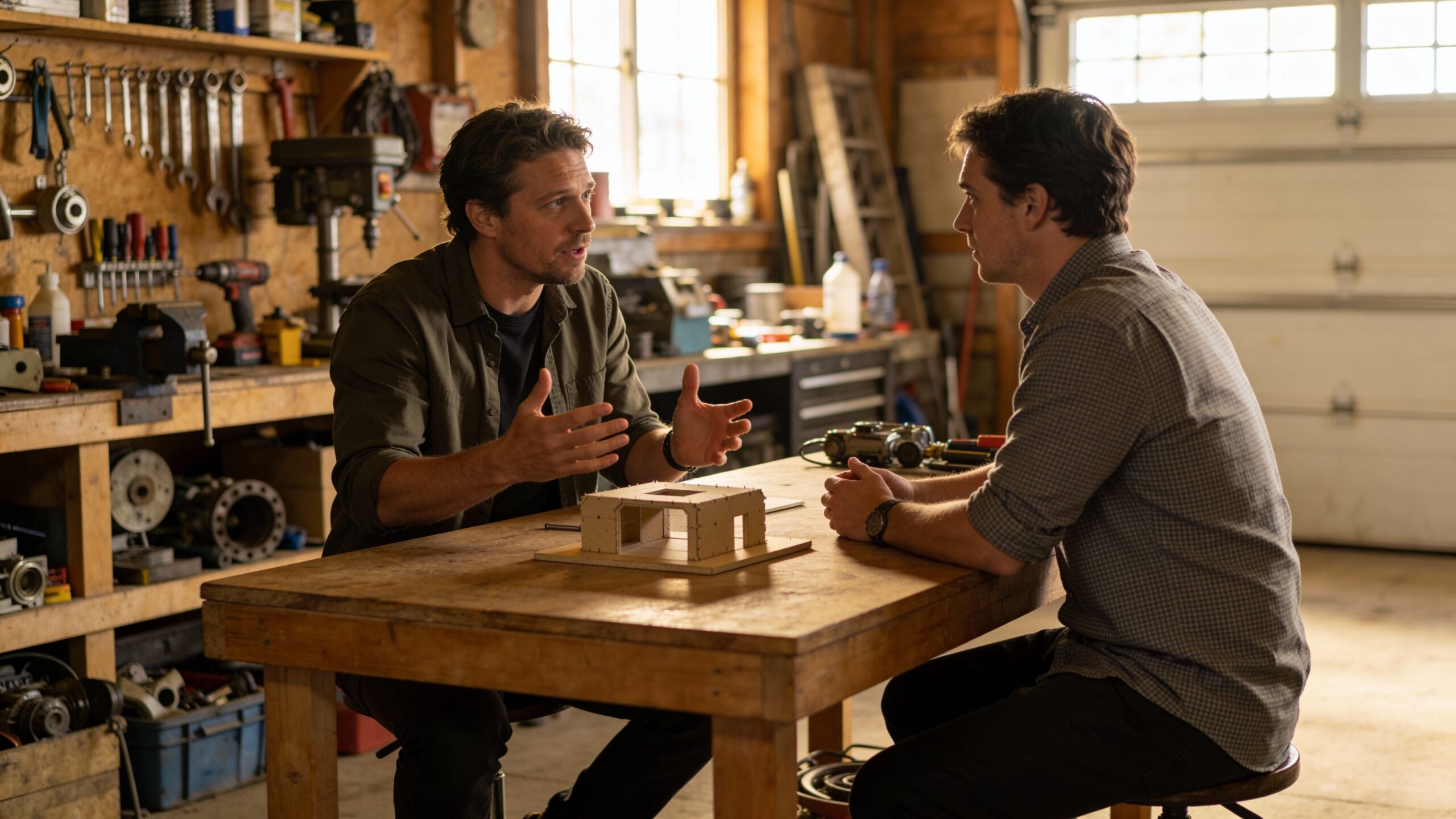
The design thinking mindset is not a switch you flip. It is a practice you build through repetition. Makers train it by doing small tests, seeking feedback early, and staying curious longer than is comfortable. They also train it by sharing work, because community exposes blind spots. A single maker can get stuck in their own logic. A community can reveal alternate approaches instantly. As this mindset strengthens, makers become more fearless. They start projects faster because they know they can iterate. They pivot without shame because they expect learning. They design with more empathy because they’ve seen how real people surprise them. They become less attached to being right and more committed to getting it right.
The Payoff: Projects That Earn Trust
The ultimate reward of the design thinking mindset is trust. When you build a tool or system you trust, you stop thinking about it. It becomes part of your workflow. You reach for it automatically. That trust comes from reliability, clarity, and fit with real life.
Makers who learn to think differently don’t just create more projects. They create better ones. They build solutions that survive real environments, real stress, and real human behavior. And once you experience that shift, you start to realize design thinking isn’t a separate discipline. It’s simply the mindset that makes making matter.