What Design Thinking Really Means
Design thinking is a human-centered approach to problem-solving that prioritizes understanding people before building solutions. Instead of starting with technology, features, or assumptions, it begins with curiosity. Beginners often assume design thinking is about aesthetics, but at its core, it is about clarity, empathy, and learning. It creates a structured yet flexible way to move from uncertainty to insight. What makes design thinking powerful is its focus on real experiences. Rather than asking what could be built, it asks what should be built. This shift helps teams avoid costly misalignment and instead create solutions grounded in actual needs. Design thinking works across industries because human challenges share common patterns.
A: No, it’s used across business, education, and technology.
A: Not at all; clarity matters more than polish.
A: It varies, but small cycles can take days, not months.
A: One that sparks useful feedback quickly.
A: Only if learning is ignored.
A: Yes, testing turns ideas into evidence.
A: As many as needed to gain confidence.
A: Absolutely, especially for user experience design.
A: Yes, with digital collaboration tools.
A: Jumping to solutions too quickly.
Starting With Empathy
The first step in design thinking is empathy, which means deeply understanding the people you are designing for. This goes beyond surveys or assumptions. It involves observation, listening, and curiosity about how people behave, what frustrates them, and what motivates them. Beginners often underestimate this phase, but it shapes everything that follows.
Empathy reframes problems from abstract challenges into personal stories. Instead of “improve a product,” the challenge becomes “help someone accomplish a goal with less friction.” This shift transforms vague ideas into meaningful directions. Strong empathy also reveals emotional needs that data alone cannot capture.
Defining the Right Problem
Once insights are gathered, the next step is defining the problem clearly. Many failed ideas are not bad solutions but solutions to the wrong problem. Design thinking encourages designers to articulate challenges in human terms, often focusing on needs rather than features. A well-defined problem statement acts as a compass. It keeps ideation focused while still leaving room for creativity. For beginners, this step provides confidence, as it replaces guesswork with direction. A clear definition also helps teams align and avoid conflicting interpretations.
Exploring Ideas Without Limits
Ideation is where creativity expands. This phase encourages generating many ideas without immediate judgment. Beginners sometimes struggle here because they fear unrealistic ideas, but design thinking treats quantity as fuel for quality. The more ideas explored, the higher the chance of discovering something valuable.
Ideas do not need to be polished or logical at this stage. They only need to exist. Through sharing and building upon each other’s thoughts, teams often uncover unexpected solutions. Ideation sessions thrive when participants feel safe to explore freely.
Choosing What to Prototype
After exploring ideas, the focus shifts to selecting which concepts to test. This decision is not about choosing the best idea but the most useful one to learn from. Design thinking prioritizes learning over perfection, especially in early stages. Beginners benefit from choosing ideas that can be tested quickly and cheaply. Prototyping is not about building a final product; it is about creating something tangible enough to spark feedback. This mindset reduces pressure and encourages experimentation.
Prototyping as a Learning Tool
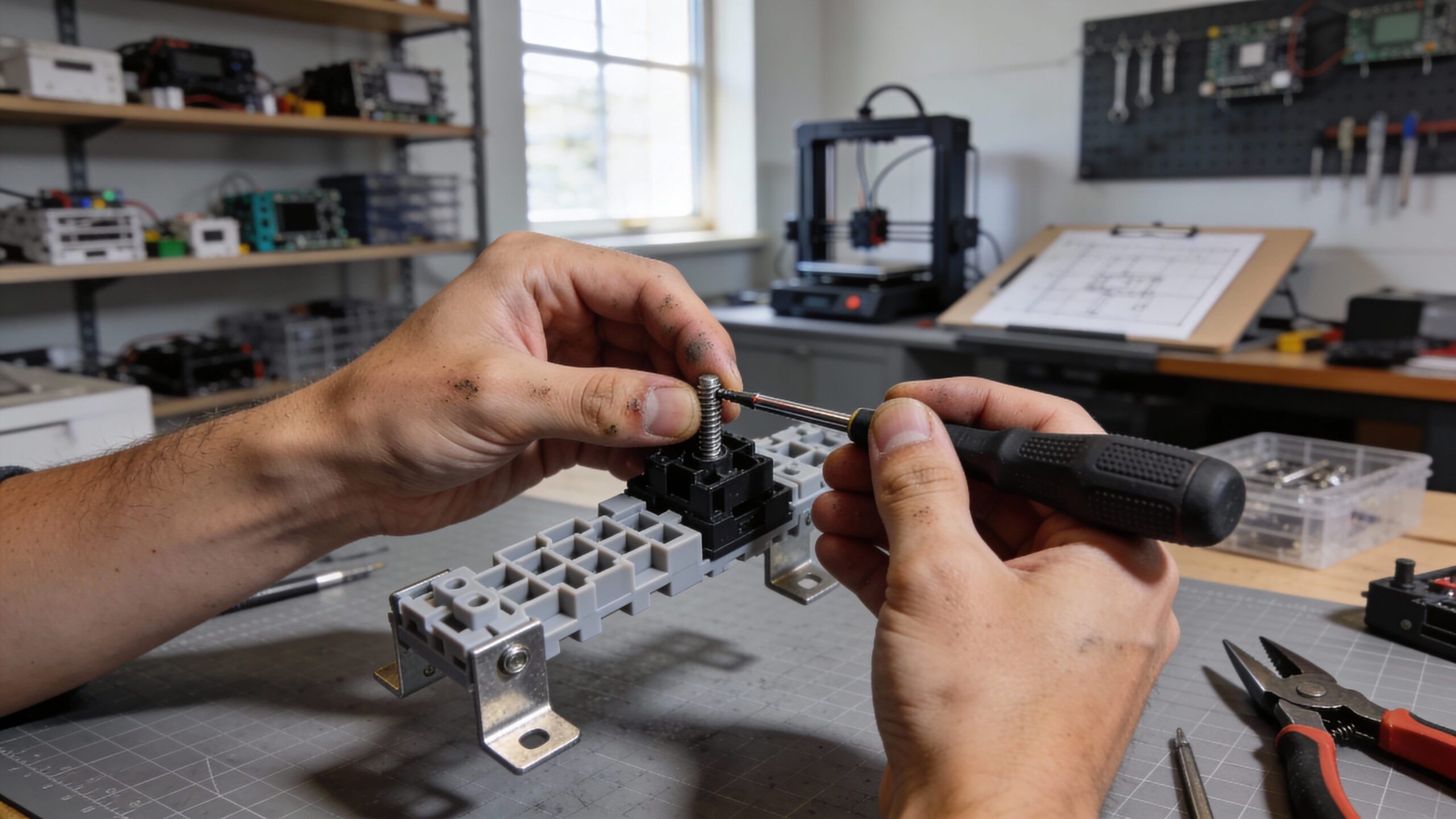
Prototypes turn abstract ideas into physical or visual forms. They can be sketches, models, role-plays, or digital mockups. The goal is not realism but clarity. A prototype should answer specific questions about usability, desirability, or understanding.
For beginners, prototyping builds confidence. It shows that ideas do not need to be perfect to be valuable. Prototypes invite conversation, highlight assumptions, and reveal gaps. Each version teaches something new, even when it fails.
Testing With Real People
Testing brings design thinking full circle by reconnecting solutions with people. It involves observing how users interact with prototypes and listening to their feedback. This step is not about defending ideas but learning from reactions. Effective testing focuses on behavior rather than opinions. What people do often reveals more than what they say. Beginners learn quickly that feedback is a gift, not criticism. Each insight guides the next iteration.
Iteration and Improvement
Design thinking is cyclical, not linear. Insights from testing often send teams back to earlier stages. This is not failure but progress. Iteration refines ideas and strengthens alignment with real needs.
For beginners, embracing iteration reduces fear. It normalizes change and reinforces that learning is continuous. Each cycle sharpens understanding and improves outcomes.
Applying Design Thinking Beyond Products
Although often associated with product design, design thinking applies to services, systems, and experiences. It can improve customer journeys, internal processes, and even personal projects. Its flexibility makes it valuable across disciplines. By focusing on people, design thinking bridges creativity and practicality. It provides a shared language for collaboration and problem-solving. Beginners quickly discover that it reshapes how they approach challenges in everyday life.
From Idea to Prototype With Confidence
Design thinking empowers beginners to move from uncertainty to action. It replaces fear of failure with curiosity and replaces rigid plans with adaptable frameworks. By starting with empathy, defining clear problems, and embracing experimentation, anyone can turn ideas into meaningful prototypes.
The true value of design thinking lies not in perfect solutions but in better questions. Each project becomes an opportunity to learn, improve, and connect with real human needs. From idea to prototype, design thinking transforms creativity into purposeful progress.