The Maker Community’s Quiet Superpower
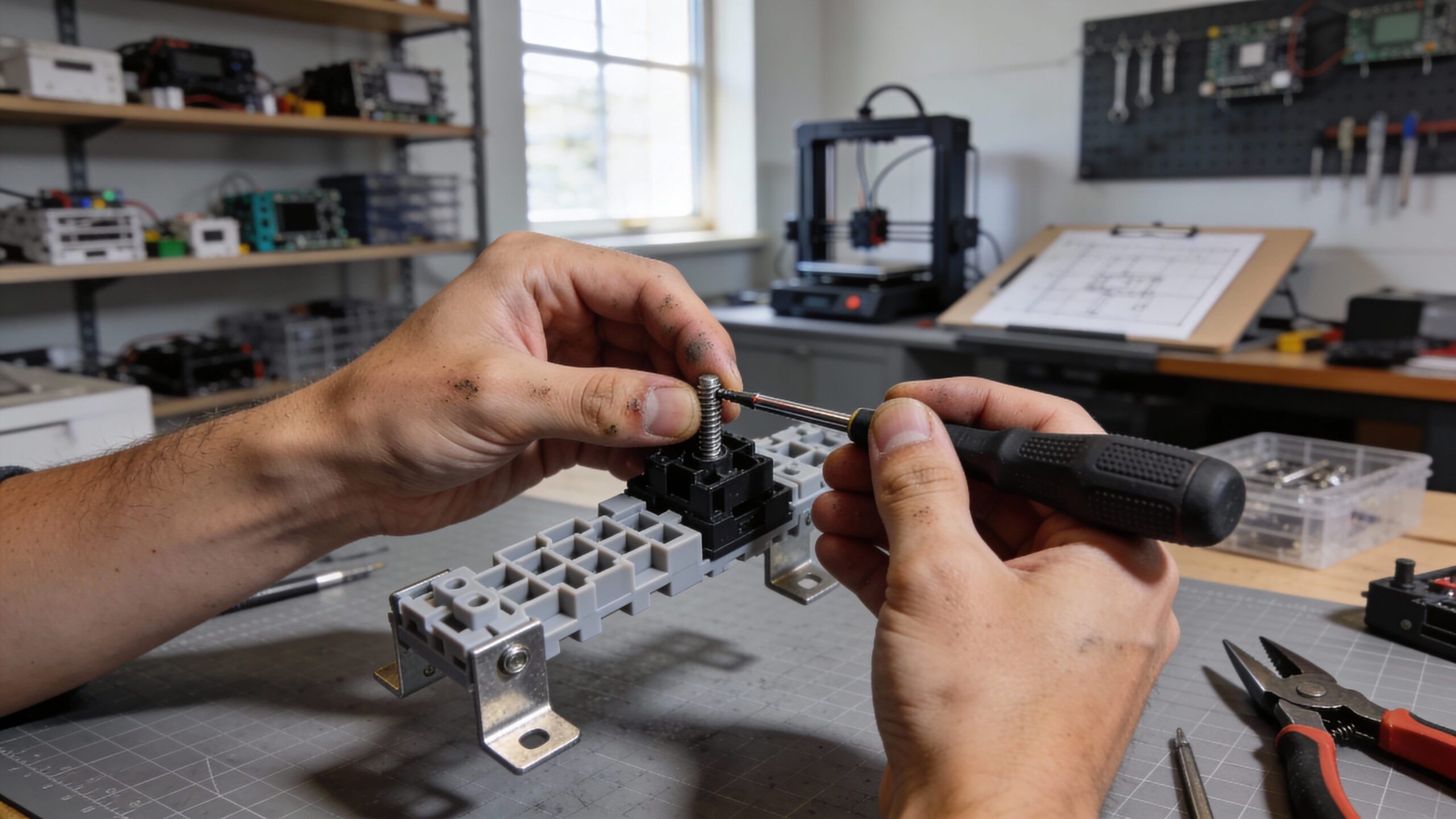
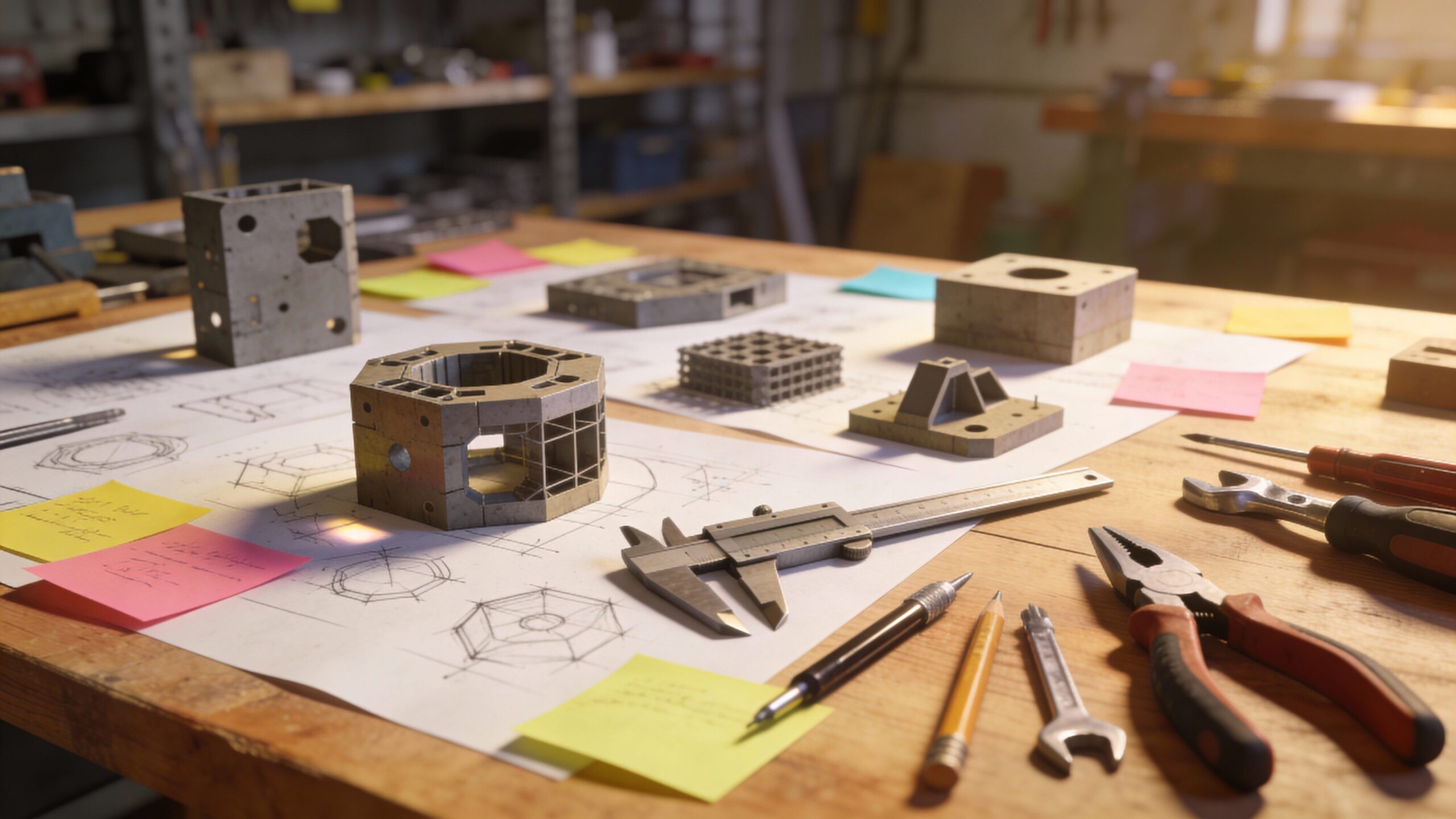
Design thinking often gets described in polished corporate language, like it lives in conference rooms and slide decks. The maker community proves otherwise. In garages, shared workshops, school labs, and community makerspaces, people use design thinking in its most honest form: they notice a real problem, they build something imperfect, they test it with real humans, and they iterate until it works. They might never say “empathy map” out loud, but they naturally practice empathy by paying attention to how tools and devices behave in the wild. They might not label their weekend sprint as a “prototype cycle,” but their scrap builds and quick revisions are prototyping at its purest. What makes maker-driven design thinking so compelling is the immediacy. Makers build with their hands, which means feedback arrives fast. A hinge that binds, a grip that strains the wrist, a button that’s hard to find in low light, or an enclosure that rattles when carried becomes instant data. That data pushes the next version. When design thinking is alive, it feels less like a process and more like a habit of mind: observe, build, learn, repeat.
A: Yes—design thinking is defined by behavior, not branding.
A: No—observation and quick conversations work well.
A: Anything that tests the riskiest assumption in minutes or hours.
A: Start with one user and one task; repeat often.
A: Look for patterns and prioritize the core need.
A: Fix the biggest friction that blocks success.
A: No—workflows, classes, and tools all benefit.
A: You can, if you’re not learning anything new—change the question.
A: Improving details before confirming the core idea.
A: Users succeed without needing explanations.
Example One: The Everyday Fix That Becomes a Community Tool
One of the most common design thinking stories in maker spaces begins with a tiny annoyance. Someone is tired of cables snagging on a workbench, or constantly losing a small tool, or juggling parts during assembly. The first “prototype” is often a quick organizer made from leftover wood or a 3D-printed tray designed in an evening. At first, the build is personal and specific. Then someone else sees it and says, “I need that.” The maker watches how other people use it, and suddenly the original design reveals blind spots. The tray works for one person’s workflow but not another’s. The slots are too narrow for thicker cables. The labels are unnecessary, but the angle of the tool pockets matters a lot.
This is design thinking in action: a maker transitions from designing for self to designing for users. The designer’s mindset expands, and the object evolves. Version two changes the geometry. Version three changes the mounting method so it fits different benches. Soon, the organizer becomes a shared standard because it reduces friction for many people. The maker didn’t scale a product through marketing; they scaled it through empathy and iteration.
Example Two: An Assistive Device Designed With the Person, Not For the Person
Some of the most powerful design thinking examples in the maker community appear in assistive builds. These projects often start with a personal relationship: a family member with limited grip strength, a friend who needs an adaptive handle, or a community member who can’t comfortably use off-the-shelf tools. The maker’s first instinct might be to jump straight to building a device, but design thinking nudges them into a different approach. Instead of starting with the object, the maker starts with the person’s daily routine. What is the actual moment of struggle? Is it lifting, twisting, reaching, stabilizing, or repeated motion? Does the user need support, or do they need control? In practice, the first prototype is often surprisingly simple. It might be a foam mockup taped to a handle to test ergonomics. It might be a printed grip with exaggerated contours, designed to discover what “comfortable” truly means. The maker observes the user trying it and learns that comfort is not just softness. It is leverage, positioning, and confidence. The best assistive builds feel invisible because they allow the user to succeed without thinking about the device. Makers who embrace design thinking discover that “help” is not the goal. Independence is.
Example Three: A Workshop Safety Upgrade That Changes Behavior
Safety solutions provide a fascinating window into design thinking because they succeed only when they change behavior. Makers frequently design guards, jigs, and safety add-ons that look great but go unused if they are annoying. Real-world design thinking examples from workshops often begin with a near miss. Someone sees a pattern of risky behavior, like hands too close to a blade or frequent removal of protective covers because they block visibility.
The maker’s first build might be a simple jig or guard. In testing, they discover the hard truth: if it makes setup slower, people won’t use it. The design evolves around a behavioral reality rather than a theoretical ideal. The best safety prototypes reduce steps, improve visibility, and “snap” into place effortlessly. They make the safe option the easiest option. That is empathy applied to human nature, not just human needs. When the design finally clicks, it spreads because it fits the rhythm of real work.
Example Four: The Community Class That Becomes a Better Product
Makers don’t just build objects; they build learning experiences. A common makerspace story involves someone teaching a beginner workshop on soldering, 3D printing, woodworking, or electronics. The instructor arrives with a lesson plan and a project kit. During class, they notice where people struggle. Instructions that seemed obvious become confusing. Tools that felt intuitive feel intimidating. The maker-instructor watches the room and realizes that the “product” they’re building is not the circuit board. It’s the learning journey. Design thinking shows up as the class evolves. The instructor modifies the kit so parts are easier to identify. They redesign the project so early wins happen sooner, because confidence keeps students engaged. They adjust pacing and add simple checkpoints. Over multiple sessions, the workshop becomes dramatically better because it is continuously prototyped with real users. This is one of the maker community’s most overlooked design thinking victories: building experiences that meet people where they are.
Example Five: The “Ruggedization” Problem Makers Solve Better Than Most Teams
Many products work in ideal conditions but fail in real environments. Makers obsess over the realities that break designs: dust, moisture, vibration, gloves, low light, loud noise, and limited space. A design might be beautiful on a desk but unusable in a cold garage. Makers test this naturally by building and using in the same environment. They learn quickly that material choice is not just about strength but about feel. Buttons must be usable with gloves. Connectors need strain relief. Enclosures must survive being dropped. Mounting systems must tolerate imperfect surfaces.
This is design thinking because the maker is designing for context. The environment is part of the user experience. The maker iterates until the solution stops being fragile and starts being trustworthy. In maker culture, trust is the currency that spreads designs from one bench to another. A build that survives a messy workshop earns respect faster than a polished prototype that breaks under pressure.
Example Six: The Open-Source Build That Improves Through Public Feedback
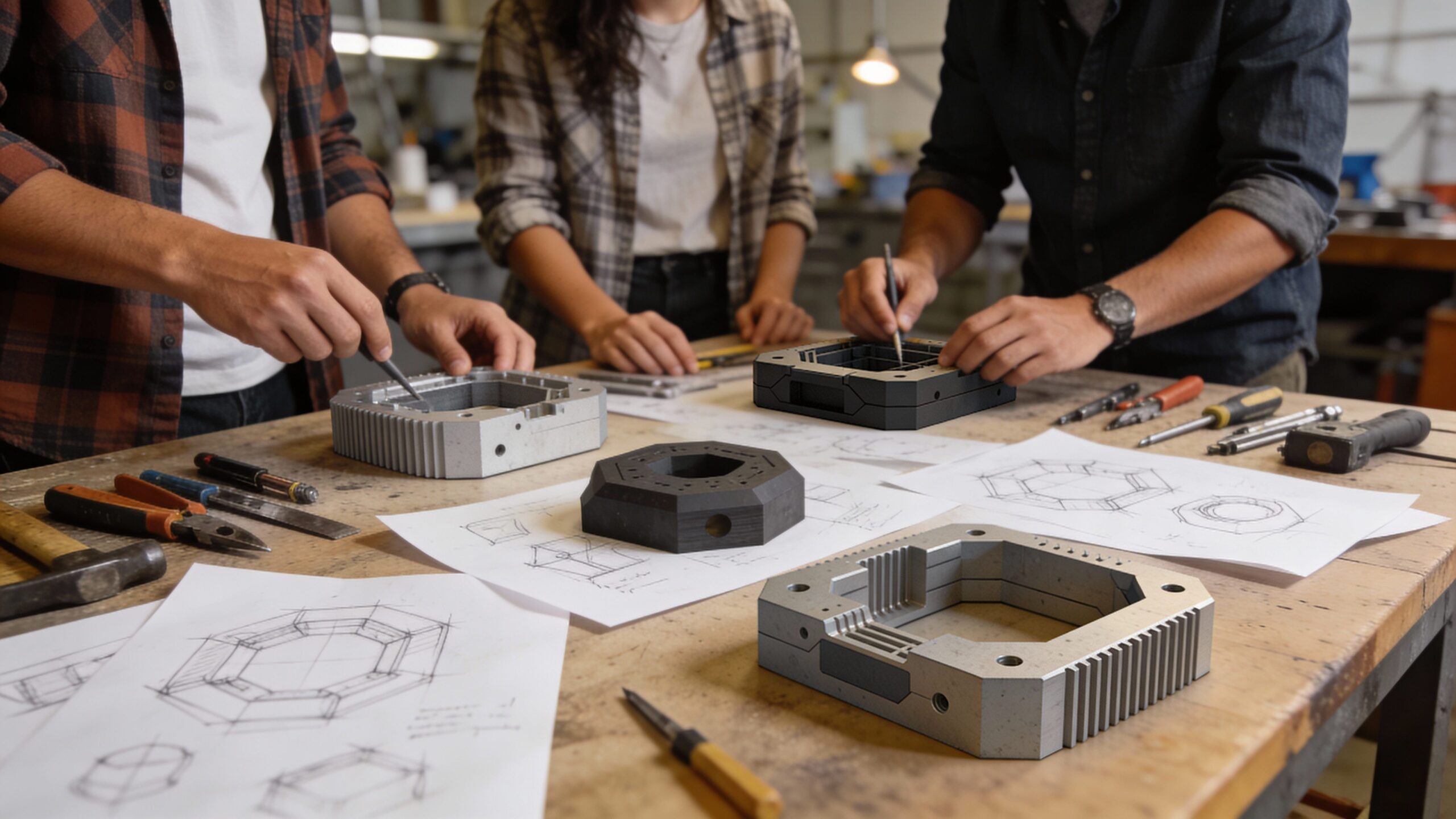
The maker community has a unique advantage: public iteration. When makers share designs openly, their projects get tested by people with different constraints, different tools, and different needs. That diversity becomes a feedback engine. A build that works for one printer or one set of components may fail elsewhere. Instead of seeing that as a setback, the maker sees it as learning. The design becomes more robust because it must serve a wider world. This is design thinking at scale. The maker is not just iterating; they are co-designing with a community. Over time, the best shared projects develop clear documentation, modularity, and flexibility. They become less dependent on the original creator. That is the hallmark of successful design thinking: the solution grows beyond the designer’s personal assumptions.
Example Seven: The Service Design Hidden Inside a Tool Checkout System
Not all maker problems are about building hardware. Many are about building systems. One of the most real-world design thinking scenarios is improving how a makerspace operates: tool checkout, safety training, maintenance schedules, and shared storage. These systems are “products” too, and they have users with emotions, stress, and time pressure.
A typical journey begins with frustration: tools go missing, people don’t know where items belong, and staff spend time solving the same problems repeatedly. The first attempt might be labeling or reorganizing. Then the maker watches behavior and discovers why the system fails. People rush. People forget. People don’t want to be scolded. The system evolves into something kinder and simpler. Storage becomes more visual. Checkout becomes more frictionless. The process respects the reality of human attention. That is empathy turned into operations.
What These Examples Reveal About Design Thinking
Across these stories, a pattern appears. Design thinking succeeds in the maker community because it is grounded in action. Makers do not debate theories for long. They build, test, and adjust. They treat the world as a lab. Their prototypes are not precious, which makes feedback easier to accept. Their learning cycles are short, which makes improvement inevitable. These examples also show that design thinking is not limited to fancy products. It improves jigs, classes, safety devices, organizers, and workflows. The scope is broad because the core principle is simple: create with people in mind, then learn from reality. That is a mindset any maker can use, regardless of budget or experience.
How to Apply This Today, Even If You’re a Solo Maker
If you’re building alone, the lesson is not that you need a bigger team. It’s that you need a better feedback loop. The maker community’s most consistent design thinking habit is early exposure to reality. Show your prototype sooner than you want to. Watch someone use it without explanation. Notice where they hesitate. Listen for what they don’t say. Then iterate.
The fastest way to improve your builds is to treat them as experiments, not performances. When your goal becomes learning, you gain the freedom to be wrong early and become right later. That is exactly how great maker projects evolve into solutions people depend on.
The Maker Community’s Real Secret
The maker community doesn’t succeed because it has better tools. It succeeds because it has better habits. Design thinking is embedded in those habits: empathy, prototyping, testing, and iteration. When makers do their best work, they are not just building objects. They are building understanding. And that understanding is what turns a clever idea into a real-world solution—one that works on a busy bench, in a messy garage, in a classroom full of beginners, or in the hands of someone who truly needs it. That is the heart of design thinking, expressed the maker way: practical, human, and relentlessly improvable.