Discover the Joy of Making Something by Hand
There is something deeply satisfying about shaping materials with your hands and watching an idea become a physical object. Sculpture does not require a professional studio, expensive tools, or years of experience to begin. In fact, some of the most creative and rewarding projects come from simple materials found around the home. Clay, paper, wire, cardboard, and recycled objects can be transformed into expressive pieces that reflect personality, imagination, and curiosity. This collection of easy sculpture projects is designed for beginners, hobbyists, families, and anyone looking to explore creativity in a relaxed and approachable way. These projects focus on accessibility, creativity, and hands-on learning. They encourage experimentation while teaching basic techniques like shaping, joining, balancing, and finishing. Each project offers a chance to discover how everyday materials can become something meaningful.
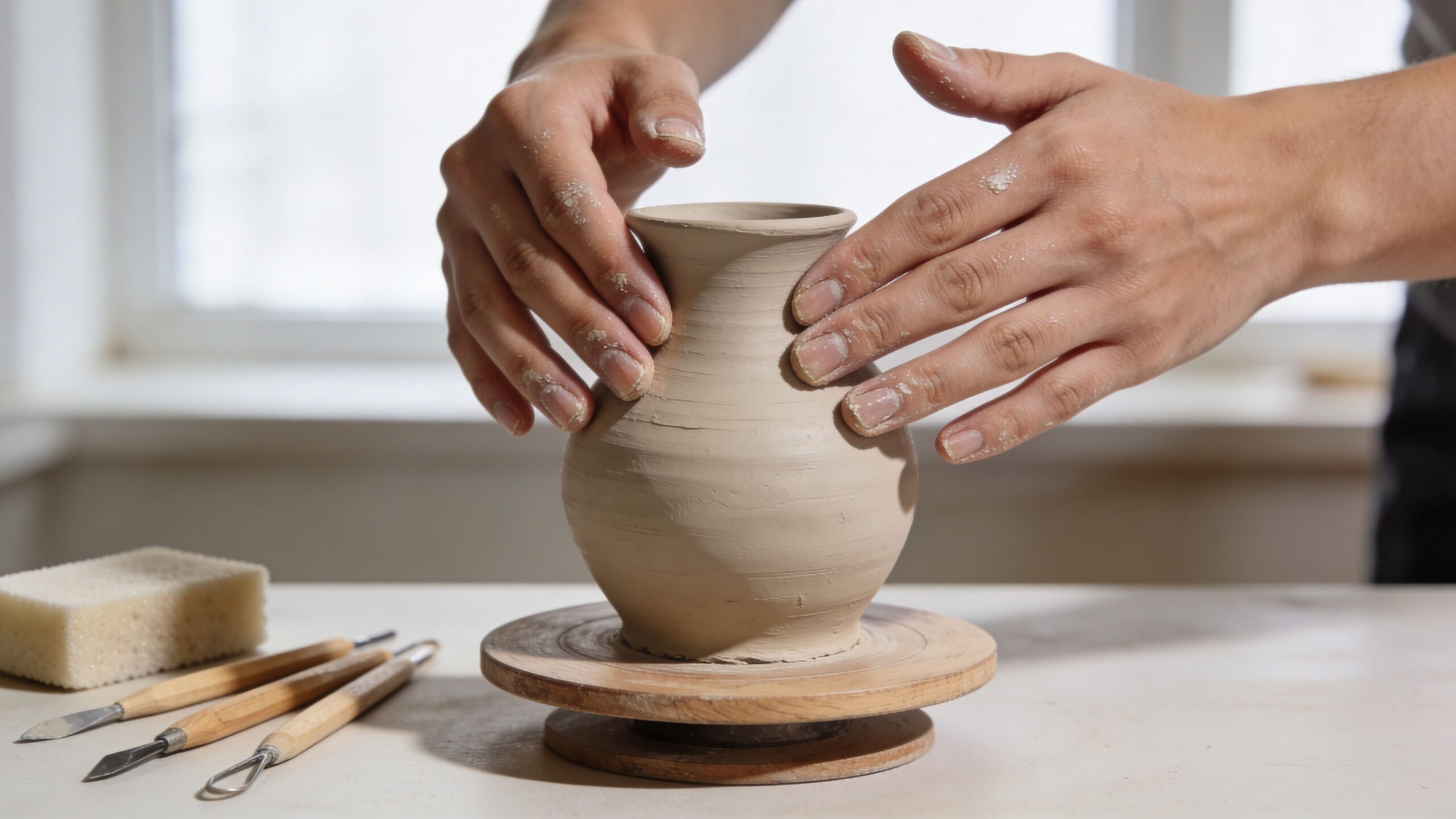
A: Air-dry clay is simple, affordable, and easy to shape.
A: No, many projects can be done with household items.
A: Most air-dry clay takes 24–48 hours depending on thickness.
A: Yes, simple projects are safe and fun for all ages.
A: Let them dry slowly and avoid thick uneven areas.
A: Yes, acrylic paints work well for most materials.
A: Strong craft glue or hot glue works for mixed materials.
A: A small table with a protective surface is enough.
A: Yes, they add unique character and texture.
A: Use a clear sealant to preserve surfaces and color.
Why Sculpture Is Perfect for At-Home Creativity
Sculpture stands apart from many other creative activities because it is tactile and immersive. Instead of drawing on a flat surface, you build form, structure, and dimension. This process engages the mind in a different way. It encourages problem-solving, spatial thinking, and creative exploration.
Working with sculpture at home can also be calming and therapeutic. The physical act of shaping and assembling materials provides a sense of focus and relaxation. You can start small, work at your own pace, and create something unique without pressure. Unlike complicated art forms that demand precision, sculpture welcomes imperfections. Each fingerprint, texture, and adjustment becomes part of the final piece.
Materials You Already Have Around the House
One of the biggest advantages of starting sculpture projects at home is that you likely already have the materials you need. Air-dry clay is affordable and easy to work with, making it a great starting point for beginners. Aluminum foil can serve as an internal structure. Cardboard can be cut and layered into dimensional forms. Paper can be shaped, glued, and painted. Wire can be twisted into expressive shapes. Recycled items such as bottle caps, small boxes, fabric scraps, and broken objects can be repurposed into artistic pieces. These materials allow you to experiment without worrying about making mistakes. When something doesn’t work, it can become part of the next project.
Building Skills Through Simple Projects
Each easy sculpture project introduces a new concept or skill. Some projects teach how to shape forms from clay. Others focus on building structures from wire. Some explore surface texture using found materials. As you move through different ideas, you naturally begin to understand how to construct and balance three-dimensional objects.
This learning happens without formal instruction. Every project adds experience. You begin to understand how materials behave. Clay may crack if it dries too quickly. Wire becomes more stable when twisted together. Glue bonds better on rough surfaces. These small discoveries help you grow more confident and creative.
Project Ideas That Inspire Exploration
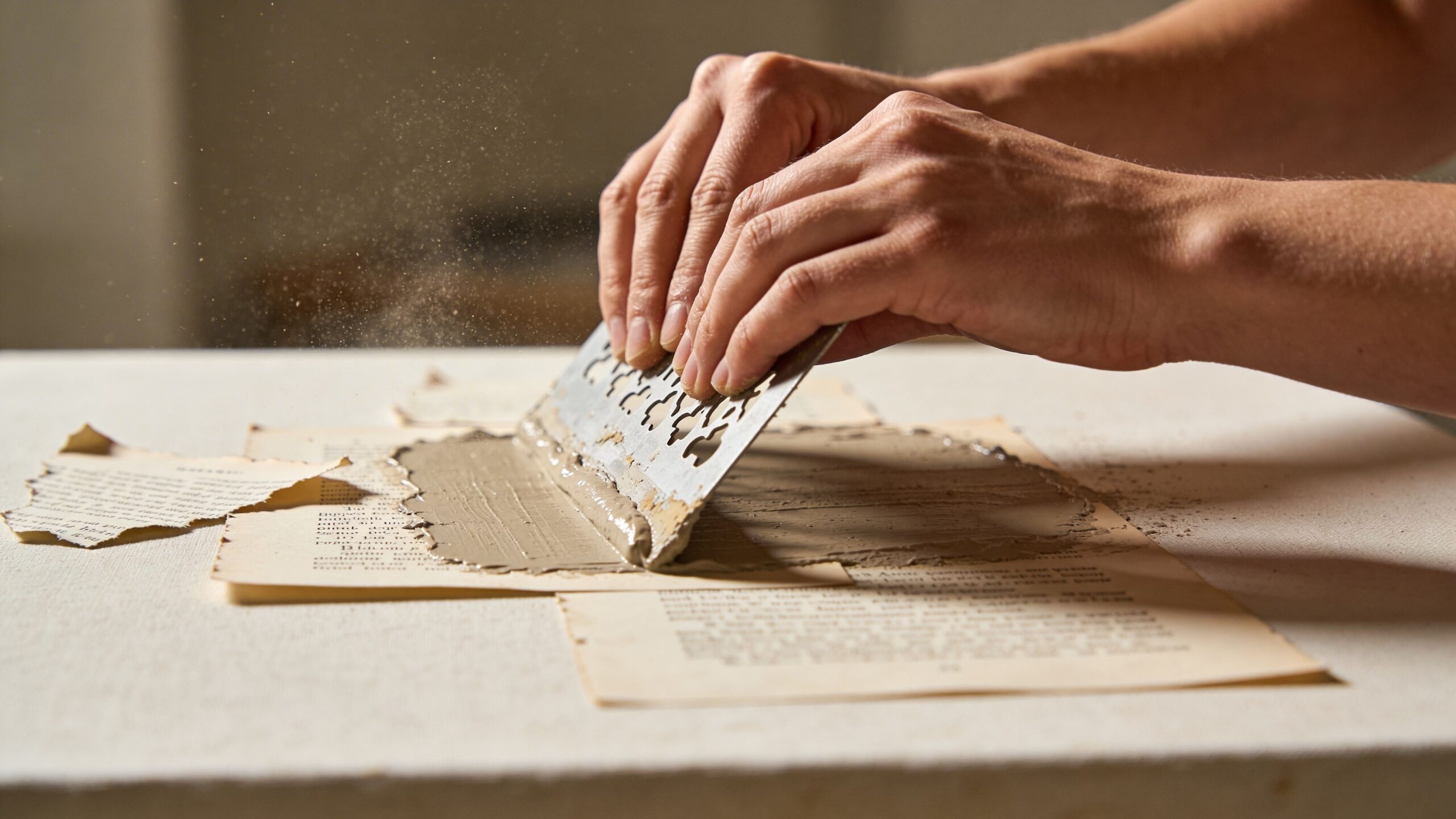
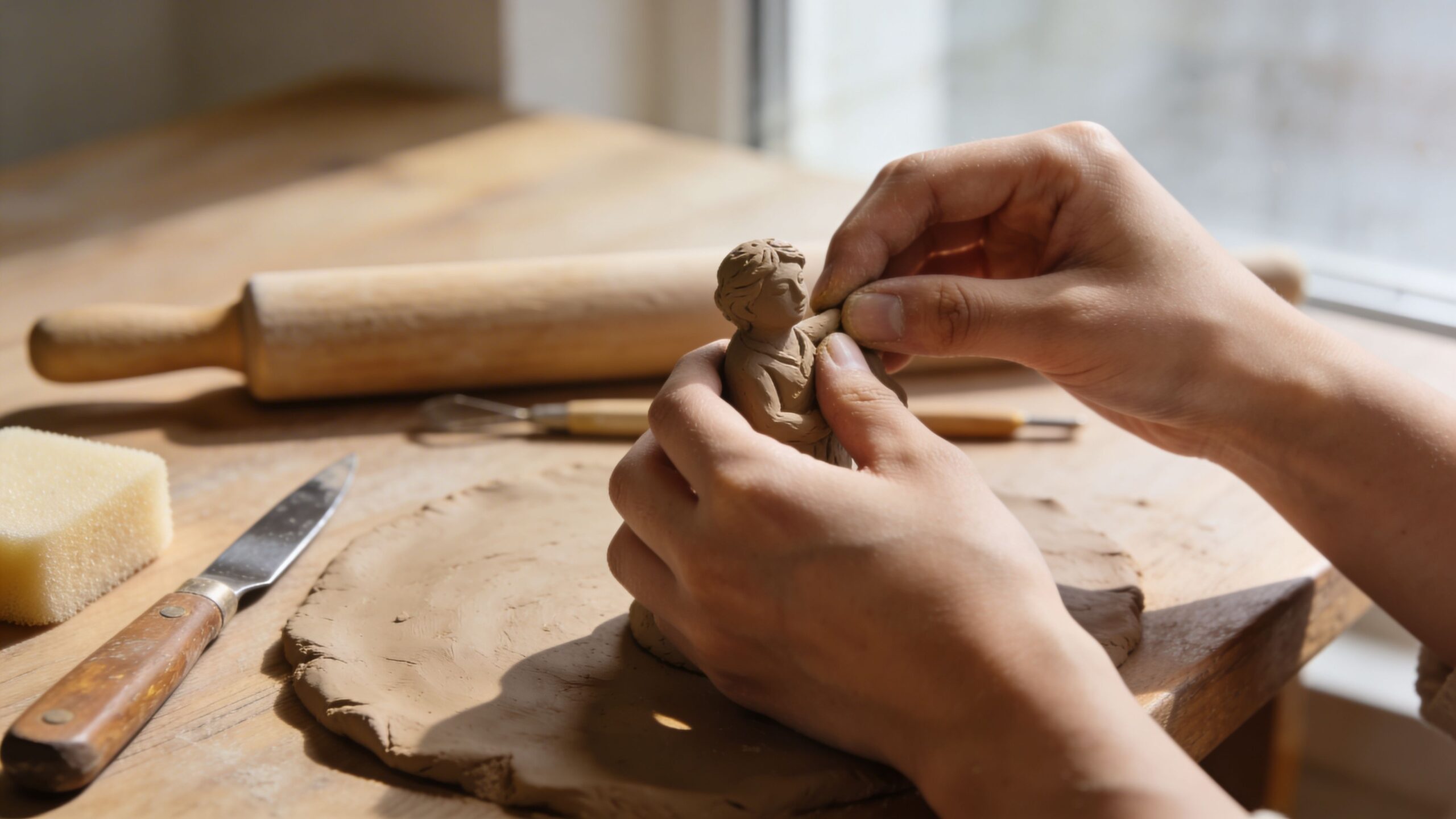
There are endless directions you can take when creating sculpture at home. Small clay animals are a great starting point. They allow you to practice shaping forms and adding detail. Paper pulp sculptures are another fun option. By mixing paper with glue, you can create lightweight shapes that dry into durable structures.
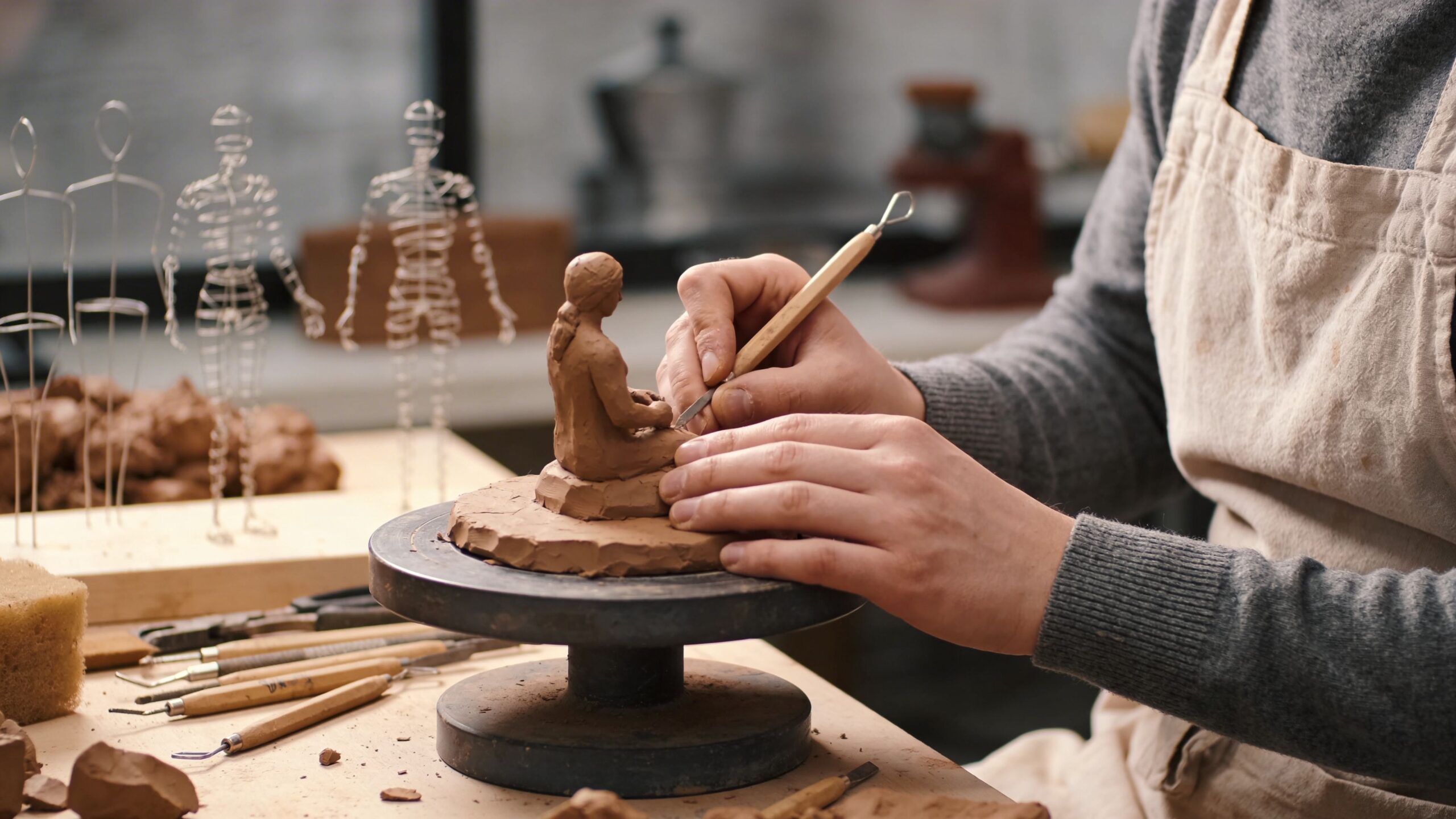
Wire sculptures can be both simple and expressive. A few bends can create abstract forms or human figures. Cardboard relief sculptures let you explore layering. Found-object sculptures encourage imagination by combining unexpected materials into something new.
Miniature garden sculptures, decorative desk pieces, and simple wall-mounted art can all be made with basic tools and creativity. Each project builds skill while allowing room for personal style.
Making Space for Creativity at Home
You don’t need a large workshop to begin sculpting. A kitchen table, desk, or small corner of a room can become a creative space. The key is to keep materials organized and ready to use. A small container for tools, a protective surface, and a place for projects to dry are often all that is needed.
Creating a consistent workspace helps build a habit. Even short creative sessions can lead to satisfying results. Over time, that small space becomes a place associated with imagination and productivity.
Learning Through Texture and Form
Texture is one of the most exciting parts of sculpture. By pressing different objects into clay or layering materials, you can create visual interest. Fabric, mesh, leaves, and tools can leave patterns on the surface. These details add depth and character. Form is equally important. Simple shapes like spheres, cylinders, and blocks can be combined to build complex structures. As you practice, you begin to see how small changes in shape affect the overall appearance. These lessons carry over into every future project.
Turning Mistakes Into Creative Opportunities
One of the best aspects of sculpture is that mistakes often lead to new ideas. A crack in clay might inspire a textured design. A bent wire might suggest a new shape. When working with physical materials, there is always room to adjust, reshape, and experiment.
This flexibility removes the pressure of trying to make something perfect. Instead, the focus shifts to exploration. Each attempt teaches something new. Over time, this mindset helps build confidence and creativity.
Projects That Grow With Your Skill Level
These 25 easy sculpture projects can be adapted as your skills improve. Beginners might start with small, simple shapes. As confidence grows, projects can become more detailed and complex. You can experiment with larger structures, more intricate textures, and layered designs. What begins as a simple clay form might evolve into a more elaborate figure. A basic wire shape might become a detailed sculpture. The possibilities expand naturally as you continue to create.
The Satisfaction of Finishing a Sculpture
Completing a sculpture brings a unique sense of accomplishment. Unlike many crafts, sculpture creates a physical object that exists in space. You can place it on a shelf, give it as a gift, or use it as decoration. Each finished piece represents time, effort, and creativity.
Over time, these projects form a collection. Each sculpture reflects a moment of inspiration and a step forward in skill. Seeing these pieces together can be incredibly motivating.
A Creative Activity for All Ages
Sculpture projects are suitable for individuals, families, and groups. Children enjoy shaping and building. Adults appreciate the relaxation and creativity. Working together on simple projects can become a shared activity that brings people closer. Because the materials are simple and accessible, anyone can participate. The focus is not on perfection but on expression and enjoyment.
Creating Meaning Through Handmade Art
There is something special about creating objects by hand. Handmade sculptures carry a personal story. They reflect imagination, patience, and creativity. Even the simplest project becomes meaningful because it was made with intention.
These small works of art can brighten a room, inspire conversation, or remind you of the joy of making something from nothing.
A World of Possibilities
With 25 easy sculpture projects to explore, there is always something new to try. Each project opens the door to a new technique, material, or idea. Over time, these small experiments can lead to bigger creative ambitions.
You may begin by shaping clay at the kitchen table and eventually find yourself exploring new styles, materials, and concepts. Creativity grows through practice, curiosity, and exploration.
The journey into sculpture does not require special training. It starts with a simple idea and the willingness to try. These projects are a gateway into a creative world where imagination takes form and everyday materials become something extraordinary.