The Timeless Appeal of Sculpture
Sculpture is one of the oldest and most expressive art forms in human history. Long before painting covered walls or photography captured moments, people shaped materials with their hands to tell stories, honor traditions, and explore imagination. Today, sculpture remains just as powerful and accessible as it was centuries ago. Whether formed from clay, carved from wood, or assembled from found objects, sculpture allows creators to build something tangible and deeply personal. For beginners, sculpture offers a unique creative experience that feels different from drawing or painting. Instead of working on a flat surface, you shape space itself. Every angle matters. Every texture tells a story. You can hold your creation, walk around it, and see how light and shadow interact with its form. This sense of depth and presence makes sculpture incredibly rewarding, even in its simplest forms. Starting can feel intimidating at first, especially when looking at complex works created by experienced artists. But sculpture is not about perfection. It is about exploration. With the right mindset, a few basic tools, and simple materials, anyone can begin building three-dimensional art that reflects their creativity and curiosity.
A: Air-dry clay is easy, flexible, and requires no kiln.
A: No, simple tools and household items work well at first.
A: Skills grow steadily with regular practice.
A: Yes, many materials allow reshaping and adjustments.
A: Begin with simple shapes and small projects.
A: Cover it when not in use to retain moisture.
A: Not at all, abstract forms are great for beginners.
A: Use tools, fabric, or natural objects to create patterns.
A: Yes, mixed media adds character and variety.
A: Patience and practice are key to improvement.
Understanding What Sculpture Really Is
At its core, sculpture is the art of creating three-dimensional forms. Unlike paintings, which exist on a flat surface, sculptures have depth, mass, and physical presence. They can be small enough to fit in the palm of your hand or large enough to fill a room. They can be smooth and polished or rough and textured. They can be realistic, abstract, symbolic, or entirely experimental.
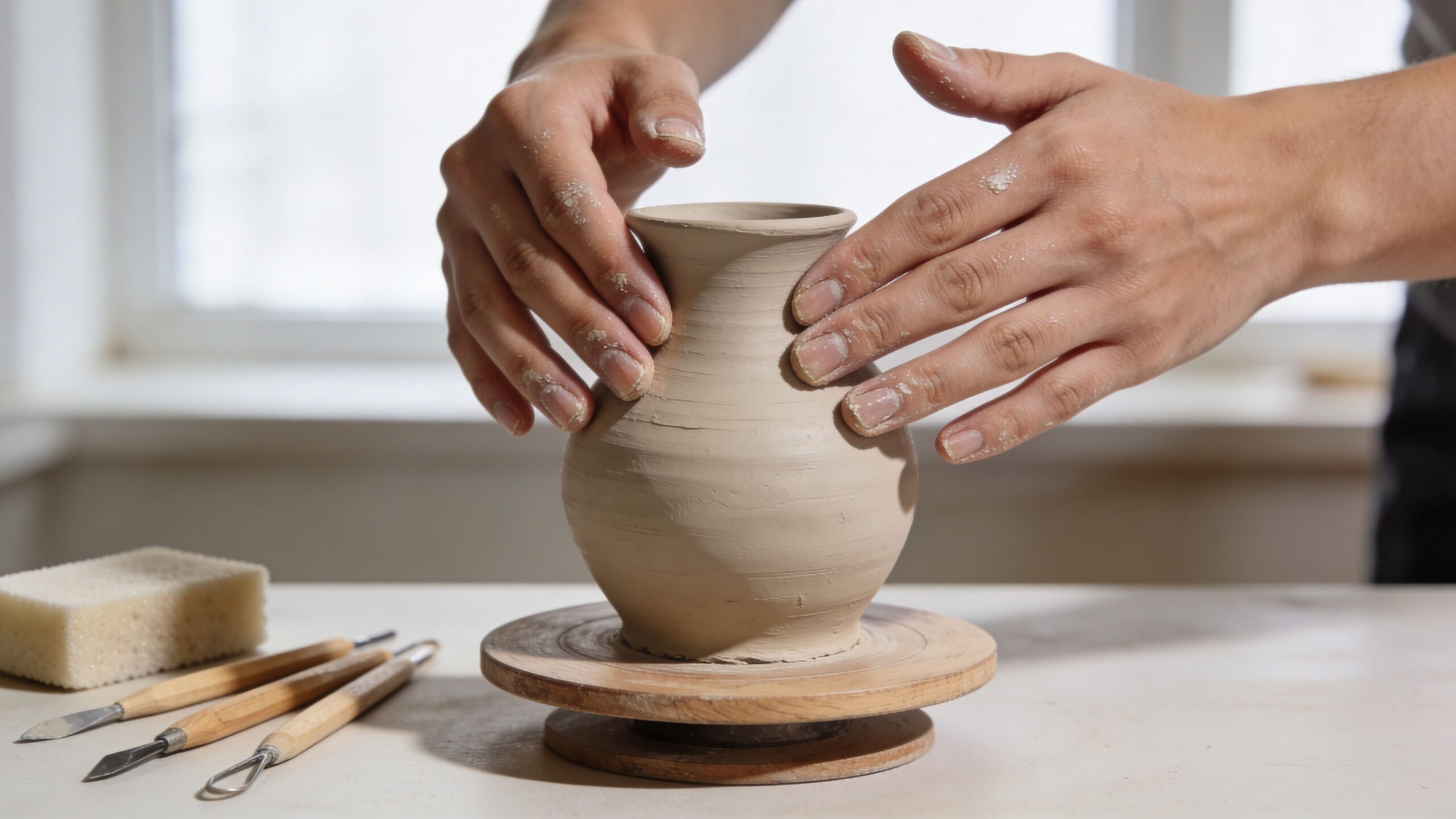
There are many ways to create sculpture. Some artists add material to build a form, such as shaping clay. Others remove material by carving wood or stone. Some assemble pieces together using found objects, metals, or mixed materials. Each method creates a different look, feel, and creative process. For beginners, the most approachable methods usually involve soft, flexible materials like clay or paper-based forms. These allow mistakes to be corrected and shapes to be adjusted easily. Over time, artists often expand into new materials and techniques as their skills and confidence grow.
Choosing Your First Materials
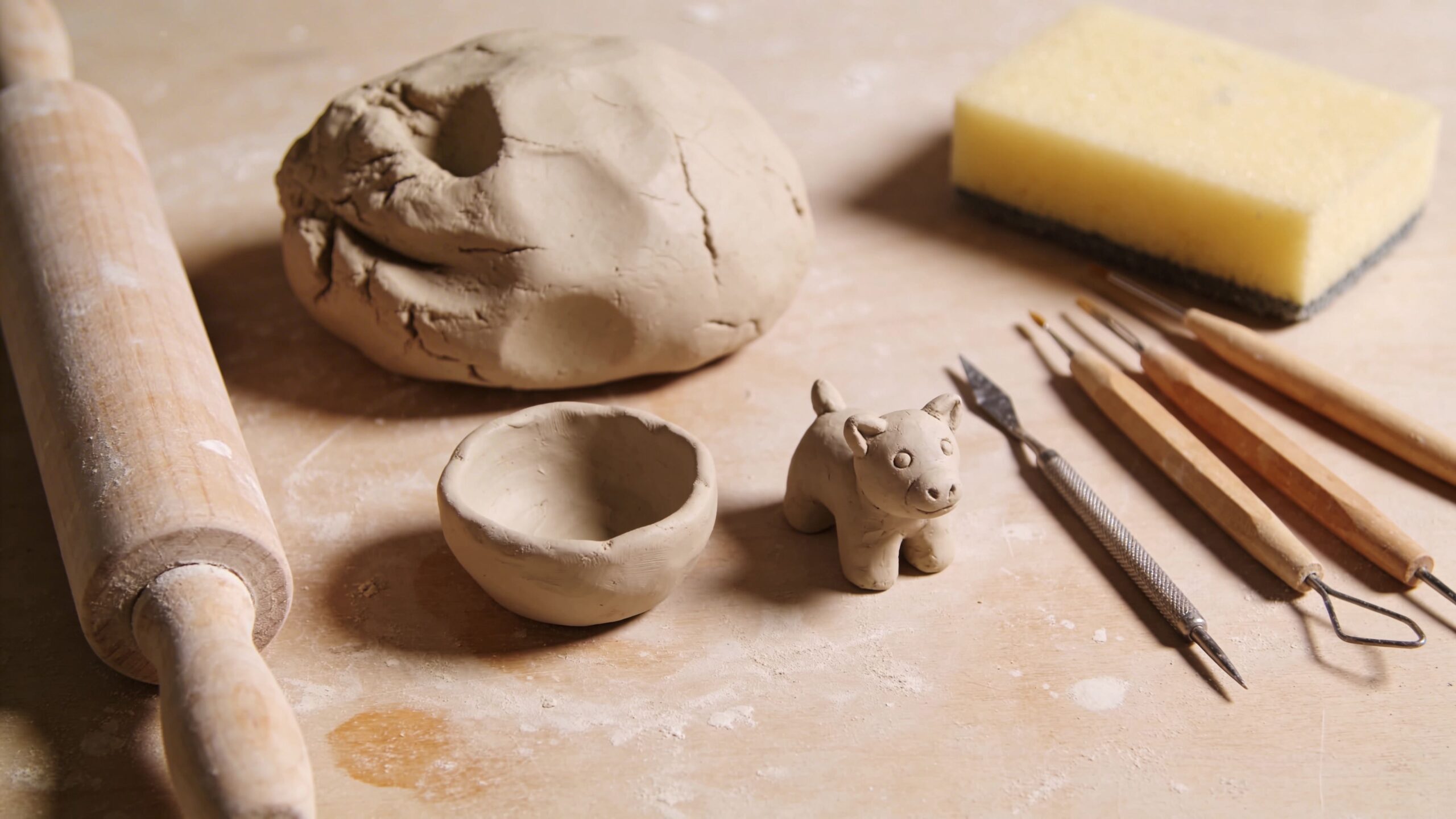
One of the most exciting parts of getting started with sculpture is choosing materials. The possibilities are almost endless, but beginners often find success starting with materials that are easy to shape and forgiving to work with. Clay is the most popular starting point because it is flexible, affordable, and easy to manipulate. It allows you to push, pull, and reshape until you are satisfied with the result. Air-dry clay is especially beginner-friendly since it does not require special equipment to harden.
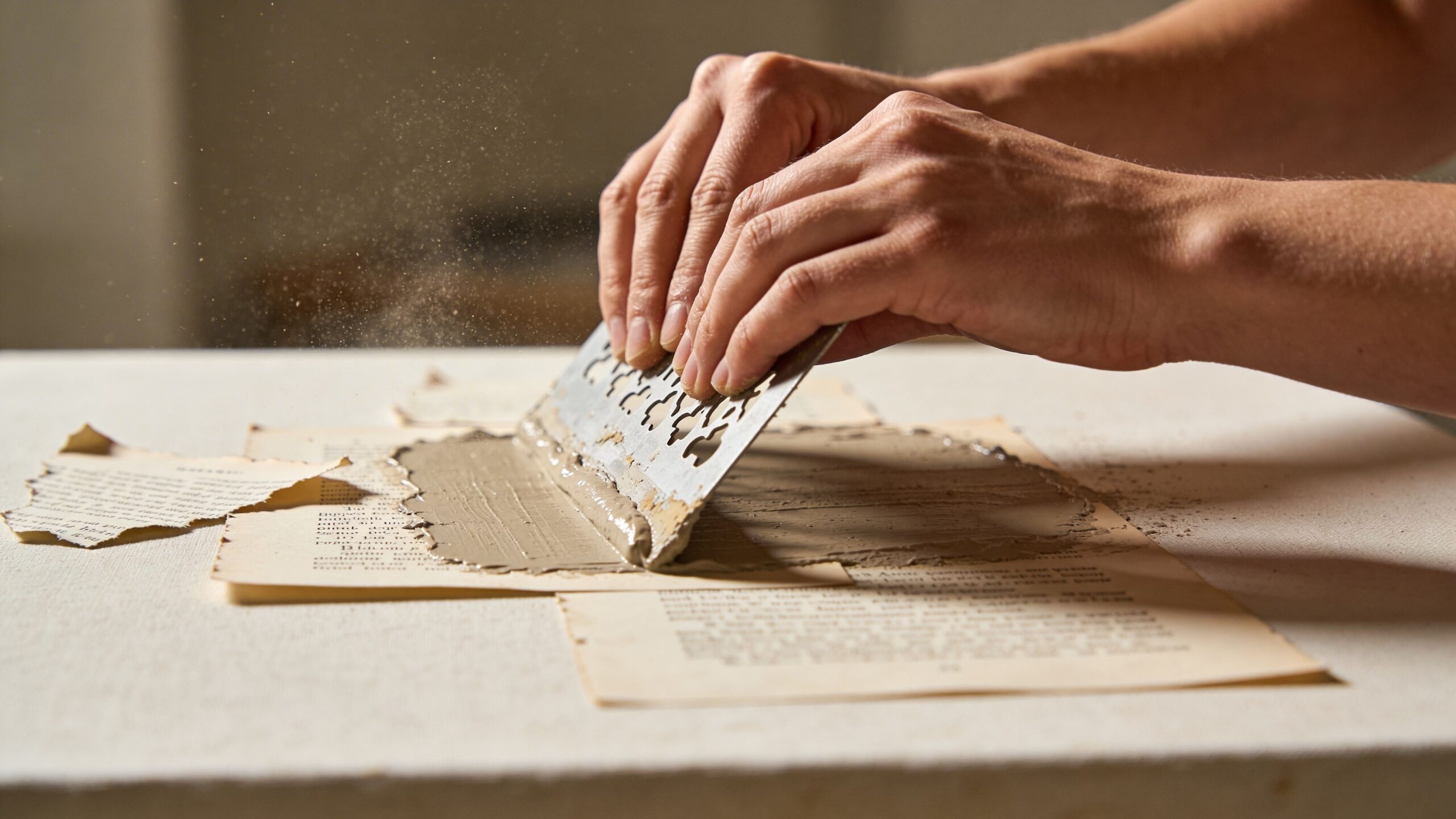
Paper mache is another excellent choice for newcomers. It allows you to build shapes using layers of paper and adhesive, making it ideal for larger projects that are lightweight and budget-friendly.
Some beginners explore wood, wire, or recycled materials to create more structured or experimental pieces. These materials can be exciting to work with, but they often require additional tools and a bit more planning. No matter what you choose, the best material is the one that makes you feel excited to create. Comfort and curiosity matter more than complexity.
Essential Tools to Begin Sculpting
You do not need a professional studio filled with equipment to start sculpting. Many beginners begin with just a small set of basic tools and expand gradually as they learn.
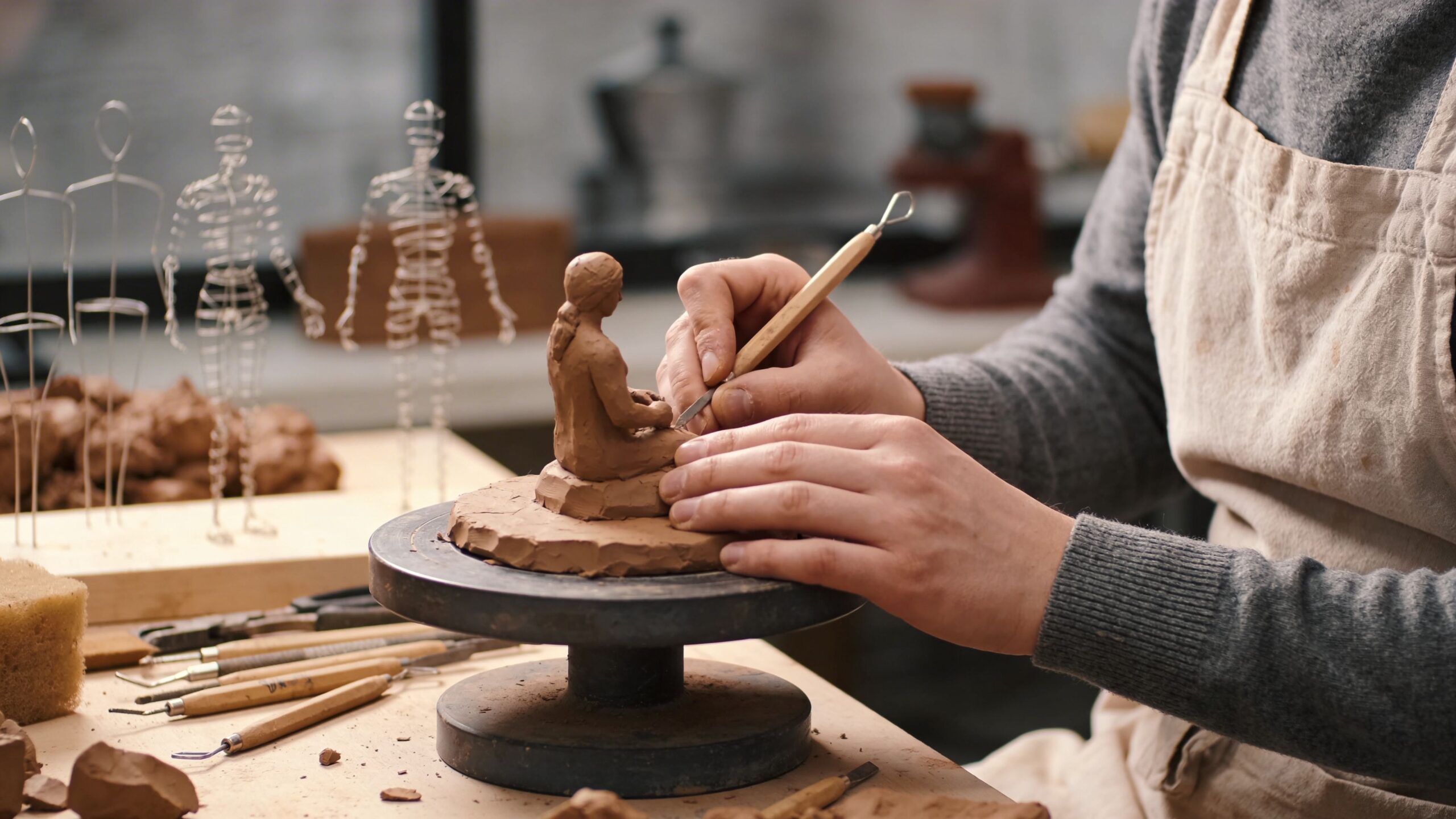
Simple sculpting tools can help shape, carve, smooth, and add texture. Even household items like spoons, toothpicks, and small knives can work surprisingly well for early projects. The goal is to explore and learn how different tools create different marks and effects. As you continue, you may want to add tools designed specifically for sculpting, such as shaping tools, carving instruments, and texture rollers. But at the beginning, creativity and experimentation matter more than owning a full collection.
Learning the Language of Form and Shape
Understanding form is one of the most important parts of sculpture. Form refers to the three-dimensional structure of your piece. It includes how tall, wide, and deep it is, and how the shapes come together to create a sense of balance and movement.
Beginners often start by creating simple shapes like spheres, cubes, and cylinders. These basic forms help build confidence and develop an understanding of how to shape materials. Over time, these simple forms can be combined to create more complex objects like faces, animals, or abstract designs.
Observing real objects can also help. Looking at how shadows fall across surfaces or how curves flow into one another trains your eye and improves your ability to recreate those forms in your work.
Building Confidence Through Practice
Every sculptor starts somewhere. Early attempts may feel rough or uneven, but that is part of the learning process. Sculpture is a skill that grows with practice. Each project teaches something new about balance, proportion, texture, and technique.
One of the best ways to build confidence is to start small. Focus on simple shapes, short projects, and manageable goals. As your comfort increases, you can try more detailed or ambitious ideas. Mistakes are not failures. They are lessons. Sometimes the most interesting creations come from unexpected turns in the process. Allow yourself to experiment, and do not worry about making something perfect.
Exploring Texture and Detail
Texture is one of the most powerful tools in sculpture. It brings life and personality to a piece. Smooth surfaces can feel calm and elegant, while rough textures can create energy and depth.
Beginners can explore texture by pressing objects into soft materials, carving patterns, or using tools to create lines and shapes. Even simple textures can transform a basic form into something more expressive and interesting.
Over time, learning how to control texture helps create contrast and visual interest. It also helps highlight certain areas and guide the viewer’s eye through the sculpture.
Finding Inspiration Everywhere
Inspiration for sculpture can come from almost anywhere. Nature, people, architecture, emotions, and memories all offer endless ideas. Some artists create realistic pieces based on observation, while others build abstract works based on imagination.
Looking at everyday objects in a new way can spark creativity. A simple leaf, a flowing piece of fabric, or the curve of a shell can inspire unique shapes and forms. Keeping a small sketchbook or idea journal can help capture inspiration when it appears. Even quick notes or rough drawings can lead to future sculptures.
Understanding Space and Balance
One of the most fascinating aspects of sculpture is how it interacts with space. Unlike flat art, sculpture exists in the same environment as the viewer. It can be walked around, viewed from different angles, and experienced in changing light.
Balance plays an important role in creating stable and visually pleasing pieces. A sculpture should feel steady and grounded. Learning how to distribute weight and position forms helps prevent pieces from tipping or feeling awkward.
Over time, artists learn how to use space as part of the design. Empty areas can be just as important as solid ones. They create breathing room and help define the shape of the piece.
Growing Your Skills Over Time
As you continue sculpting, your skills will naturally expand. You may begin exploring new materials, trying new techniques, or creating more detailed work. Some beginners move into carving, casting, or mixed media, combining different materials to create unique pieces.
Learning never truly stops in sculpture. Each project adds new experience and opens the door to new ideas. Over time, you will discover what styles and materials you enjoy most. The key is consistency. Even short creative sessions help develop skill and confidence. Sculpture becomes more natural and intuitive with each piece you create.
Creating a Simple Workspace
You do not need a large studio to start sculpting. A small table, good lighting, and a space where you can leave your materials out are enough. Having a dedicated area helps make creativity part of your routine.
Keeping tools organized and materials nearby makes the process smoother and more enjoyable. A comfortable space also encourages you to spend more time creating and experimenting.
As your interest grows, you can expand your workspace and add new tools. But at the beginning, simplicity works best.
The Emotional Power of Sculpture
Sculpture has a unique ability to express emotion. The weight of a form, the flow of a line, and the texture of a surface can all convey feeling. Even simple shapes can carry meaning and mood.
For many beginners, sculpting becomes a relaxing and fulfilling activity. Working with your hands can feel calming and focused. It allows you to step away from distractions and become absorbed in the creative process. Over time, sculpture can become a personal form of expression. It can reflect thoughts, experiences, and ideas in a way that words sometimes cannot.
Taking the First Step
Starting sculpture does not require special talent or experience. It simply requires curiosity and a willingness to try. The first piece may be simple, but it is the beginning of a creative journey that can grow in many directions.
As you learn to shape materials and understand form, each project builds on the last. Confidence grows. Skills improve. And what once felt unfamiliar becomes second nature.
The most important step is the first one. Gather a few materials, clear a small space, and begin creating. Sculpture is not about making something perfect. It is about discovering what you can create with your own hands.