The New Creative Frontier of Coding and Making
The maker movement has redefined creativity by merging engineering, design, and craftsmanship into a single hands-on discipline. Coding sits at the center of this transformation, allowing physical objects to sense, react, communicate, and evolve beyond static functionality. When programming meets hardware, ideas become interactive experiences rather than passive creations. From smart home devices to experimental robotics, coding empowers makers to build systems that respond to the real world. Programming physical projects introduces a distinct mindset compared to traditional software development. Instead of abstract digital interfaces, makers must account for sensors, motors, power constraints, and environmental variables. This intersection of hardware and software produces a rich learning environment where debugging involves both code logic and physical components. The process is often iterative and exploratory, encouraging experimentation and discovery. As accessibility improves through affordable microcontrollers and open-source ecosystems, coding for makers has become one of the most exciting entry points into engineering. Beginners can rapidly transition from simple experiments to complex prototypes, gaining skills that apply across robotics, automation, IoT, and embedded systems. The journey offers both technical growth and creative satisfaction.
A: Programming physical devices that interact with sensors and actuators.
A: Basic concepts help but can be learned alongside coding.
A: Arduino is widely recommended for simplicity.
A: Yes, especially with Raspberry Pi and IoT applications.
A: It enables experimentation and design refinement.
A: Serial monitors and multimeters are essential.
A: Yes, skills apply to robotics, IoT, and embedded engineering.
A: Many starter kits are affordable.
A: Connecting physical devices to the internet for automation.
A: By building projects and engaging with communities.
Understanding Physical Computing
Physical computing describes systems where software interacts directly with hardware to create responsive behaviors. Unlike purely digital applications, physical computing projects rely on sensors to gather data from the environment and actuators to produce movement or output. Coding acts as the decision-making layer that interprets signals and determines system responses.
Sensors provide awareness by capturing temperature, motion, light, sound, pressure, and other environmental variables. Actuators translate software commands into real-world effects through motors, lights, speakers, or displays. Microcontrollers serve as the brain, executing code and coordinating communication between components. Together, these elements form interactive systems capable of autonomous behavior.
For beginners, understanding this relationship between input, processing, and output is foundational. Coding physical projects requires thinking in terms of cause and effect, where software decisions translate into tangible outcomes. This perspective builds intuition about system design and introduces engineering concepts through practical experimentation.
Choosing Your First Maker Platform
Selecting an entry platform significantly influences the learning experience. Arduino remains one of the most beginner-friendly environments, offering straightforward programming and extensive community support. Its simplicity makes it ideal for learning core concepts such as digital signals, analog input, and hardware interfacing.
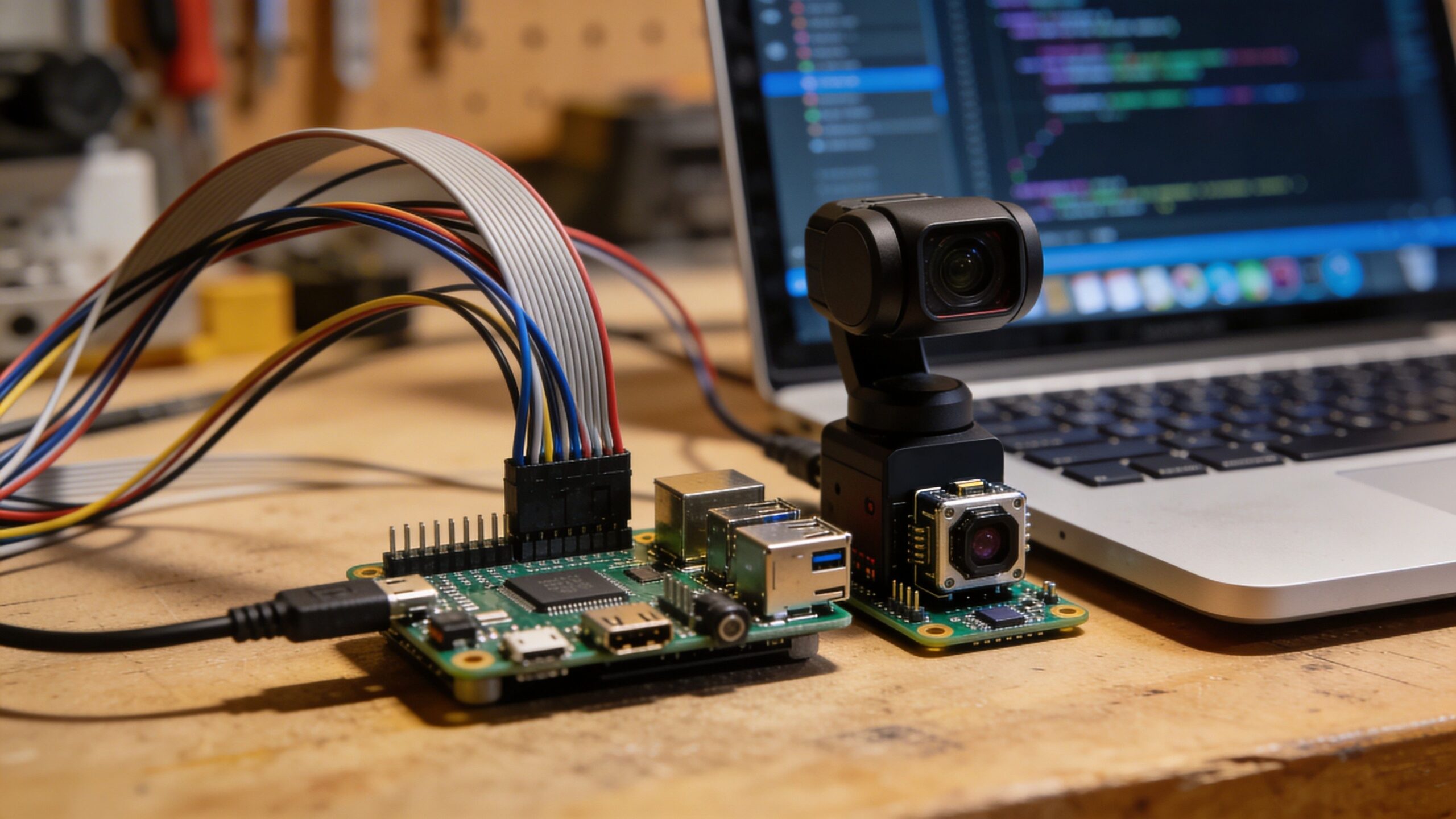
Raspberry Pi expands possibilities by functioning as a full computer capable of running operating systems and advanced programming languages. This versatility allows makers to explore networking, computer vision, and complex automation projects while still interacting with hardware components. The platform bridges embedded programming with broader software development. Other platforms, including ESP32 and micro:bit, provide specialized capabilities such as built-in wireless connectivity or educational features. The best choice depends on project goals, learning preferences, and desired complexity. Beginners often benefit from starting with simple platforms before exploring advanced ecosystems that introduce networking and real-time processing challenges.
Programming Languages for Maker Projects
Programming languages shape how makers interact with hardware and design system behavior. C and C++ dominate microcontroller programming due to efficiency and precise control over hardware resources. These languages allow direct manipulation of memory and registers, enabling real-time performance essential for embedded systems.
Python has gained popularity for maker projects because of its readability and versatility. When combined with platforms like Raspberry Pi, Python enables rapid development and integration with web services, data analysis tools, and machine learning libraries. This flexibility supports projects that extend beyond basic hardware control.
JavaScript and visual programming environments also play important roles in maker ecosystems. They facilitate web-based interfaces, remote control systems, and accessible learning pathways. Ultimately, the choice of language reflects project requirements, performance constraints, and personal comfort with programming paradigms.
Understanding Sensors and Actuators Through Code
Sensors and actuators represent the fundamental building blocks of physical computing. Coding sensor interactions involves reading data, filtering noise, and interpreting signals to drive decision-making processes. This often requires calibration and experimentation to achieve reliable measurements in varying environmental conditions. Actuators respond to software commands by generating motion, light, sound, or mechanical actions. Programming these components introduces timing considerations, control algorithms, and power management strategies. For instance, motor control requires understanding pulse width modulation and feedback mechanisms that ensure precision and stability.
The relationship between sensors and actuators creates feedback loops that define system behavior. Coding these interactions transforms simple circuits into dynamic systems capable of adaptation and autonomy. Beginners gradually develop intuition about control logic while gaining exposure to electronics and signal processing concepts.
The Role of Prototyping in Maker Coding
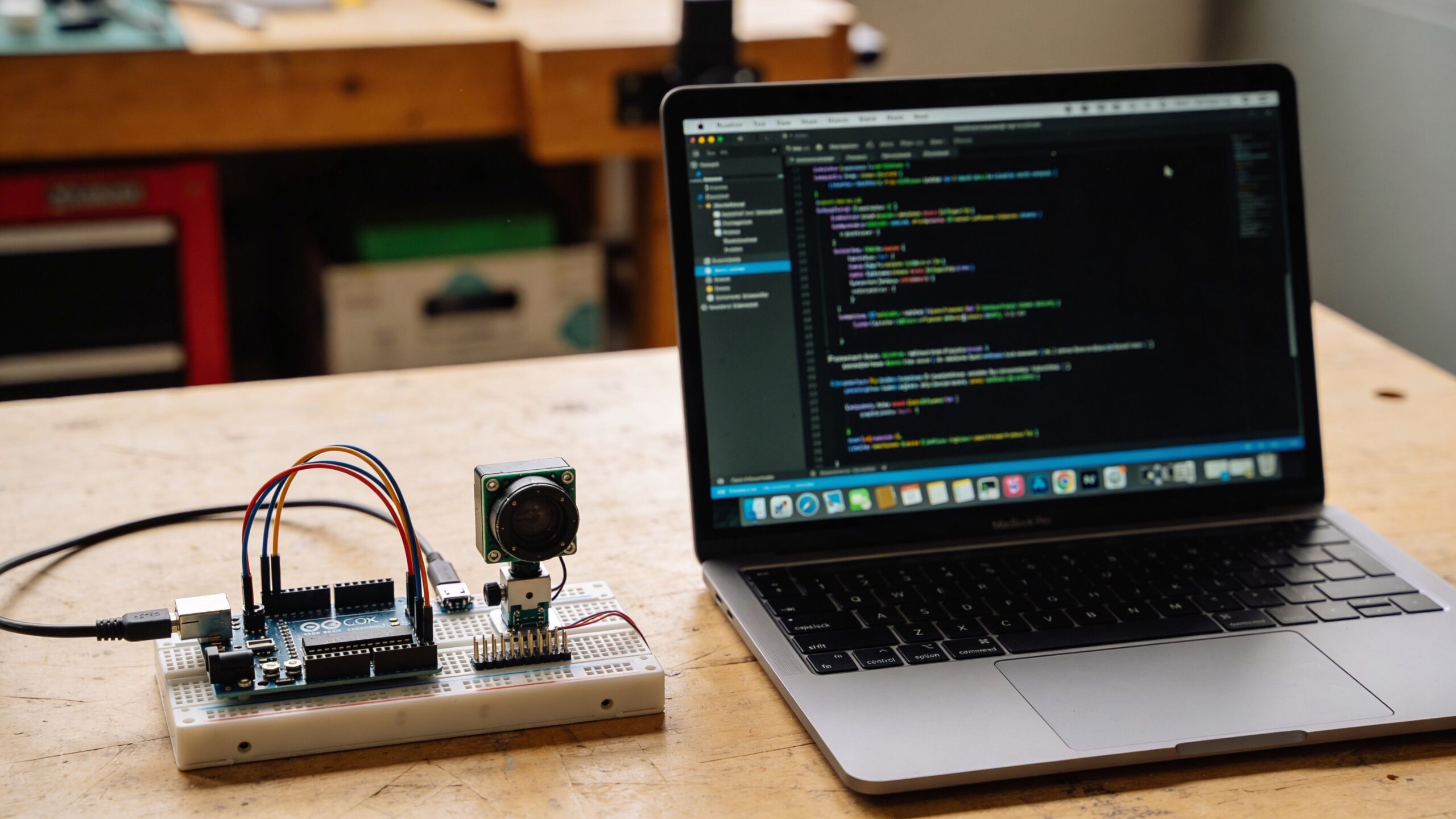
Prototyping allows makers to test ideas rapidly before committing to permanent designs. Breadboards, jumper wires, and modular components enable flexible experimentation without soldering or fabrication. Coding plays a critical role in this stage by allowing quick adjustments that refine functionality and performance.
Iterative prototyping encourages problem-solving and creativity. Makers often discover new features or design improvements through experimentation, leading to more sophisticated final projects. Debugging becomes an educational process that deepens understanding of both hardware and software interactions.
As projects mature, prototypes evolve into integrated systems with optimized layouts and custom enclosures. Coding supports this transition by ensuring that functional behaviors remain consistent while hardware design improves. This iterative workflow reflects real-world engineering practices and builds practical design skills.
Communication Protocols in Maker Projects
Modern maker projects frequently rely on communication between devices and systems. Serial communication provides a simple method for exchanging data between microcontrollers and computers, making it invaluable for debugging and monitoring system behavior. Coding serial interfaces introduces data formatting and synchronization concepts.
Wireless communication expands possibilities by enabling remote control and data transmission. Technologies such as Bluetooth, Wi-Fi, and LoRa allow makers to build connected devices that interact with cloud services and mobile applications. Programming these protocols introduces networking fundamentals and security considerations. Understanding communication protocols empowers makers to design distributed systems that collaborate across environments. Coding becomes the glue that enables interoperability between hardware platforms, sensors, and software ecosystems. This capability is central to IoT and smart automation projects.
Debugging and Troubleshooting Physical Code
Debugging physical projects differs from traditional software troubleshooting because issues may originate in hardware, wiring, power supply, or environmental interference. Effective debugging requires systematic investigation and careful observation of system behavior.
Coding tools such as serial monitors, logging frameworks, and visualization interfaces assist in identifying problems. Makers learn to isolate variables by testing components individually and validating assumptions through incremental experiments. This disciplined approach accelerates learning and reduces frustration.
Troubleshooting also fosters resilience and problem-solving skills. Mistakes become opportunities to deepen understanding of electronics and programming principles. Over time, makers develop diagnostic intuition that enables faster identification and resolution of complex issues.
Designing Interactive Maker Experiences
Interactive projects represent one of the most compelling aspects of coding for makers. By combining sensors, actuators, and control logic, creators design experiences that respond to human input and environmental conditions. These interactions transform static objects into engaging systems. Coding plays a central role in shaping user experience by determining responsiveness, timing, and feedback mechanisms. Smooth interactions require careful calibration of delays, thresholds, and control algorithms. Makers must balance technical precision with creative vision to produce intuitive behaviors.
Interactive design encourages experimentation with storytelling, art, and functional innovation. Projects such as interactive installations, smart tools, and assistive devices demonstrate how coding can enhance usability and emotional engagement. This multidisciplinary approach reflects the creative diversity of the maker community.
Scaling Maker Projects from Idea to System
As skills develop, makers transition from simple experiments to integrated systems that combine multiple subsystems. Scaling projects introduces challenges related to architecture, modular design, and performance optimization. Coding must accommodate increased complexity while maintaining reliability and maintainability.
Structured programming practices become essential for managing large projects. Modular code organization, version control, and documentation support collaboration and long-term development. Makers adopt engineering methodologies that mirror professional workflows.
System scaling also involves considering manufacturing, durability, and real-world deployment constraints. Coding must account for power efficiency, fault tolerance, and user interaction scenarios. This progression transforms hobby projects into viable prototypes for innovation and entrepreneurship.
The Future of Coding for Makers
Coding for makers continues to evolve alongside advances in AI, edge computing, and connected technologies. Intelligent sensors and machine learning capabilities enable devices to interpret complex patterns and adapt autonomously. These developments expand creative possibilities and redefine expectations for physical computing. Edge AI platforms allow makers to deploy sophisticated algorithms directly on hardware, reducing latency and improving privacy. This capability supports applications ranging from environmental monitoring to assistive robotics. Coding increasingly integrates data science and embedded engineering disciplines.
The maker ecosystem remains driven by community collaboration and open-source innovation. Shared libraries, tutorials, and project repositories accelerate learning and inspire experimentation. As tools become more powerful and accessible, coding for makers will continue shaping the future of invention and creative engineering.