Two Roads to the Same Finish Line
Every maker eventually meets the same fork in the road. One path says, “Plan it clean. Define the specs. Lock the dimensions. Build it right the first time.” The other says, “Start with people. Prototype fast. Learn by testing. Iterate until it clicks.” These two approaches—traditional design and design thinking—often get framed like rivals. In reality, they’re two different toolkits for two different kinds of problems. Traditional design is built for certainty. It thrives when requirements are stable, constraints are known, and performance needs to be proven. Design thinking is built for ambiguity. It thrives when you’re not sure what users actually need, when the context is messy, and when the true problem might be hiding behind the obvious one. Makers live in both worlds. Sometimes you’re building a jig with a clear goal and tolerances you can measure. Other times you’re designing a tool, accessory, or product where usability, comfort, and “feel” decide success. So what actually works better? The honest answer is: it depends on the kind of problem you’re solving. But there are patterns. If you understand what each approach optimizes for—and where it fails—you can choose the right method, avoid costly mistakes, and combine them into a hybrid workflow that’s perfect for the workshop.
A: No—design thinking helps discover the right solution; traditional design helps build it reliably.
A: Design thinking helps beginners learn quickly through prototypes; traditional planning helps prevent waste on costly materials.
A: Use traditional design for execution, but still test key assumptions early.
A: Define success criteria up front and time-box prototype cycles.
A: Start with design thinking to validate usability, then traditional design to ensure repeatability and durability.
A: Yes—observe real use, test with friends, and document what changes outcomes.
A: After user-facing tests show the concept works and changes stop improving results.
A: Treating early assumptions as fixed requirements.
A: Iterating without a clear question or constraint.
A: Prototype the experience first, then engineer the structure and specs second.
What Traditional Design Really Means in Maker Terms
Traditional design is often called “waterfall” in software or “spec-driven” in product work. In maker terms, it’s the approach you use when you start with a defined outcome and you work backward. You list requirements, decide dimensions, select materials, and map the build before you cut anything. You aim for predictability: fewer surprises, fewer iterations, fewer unknowns.
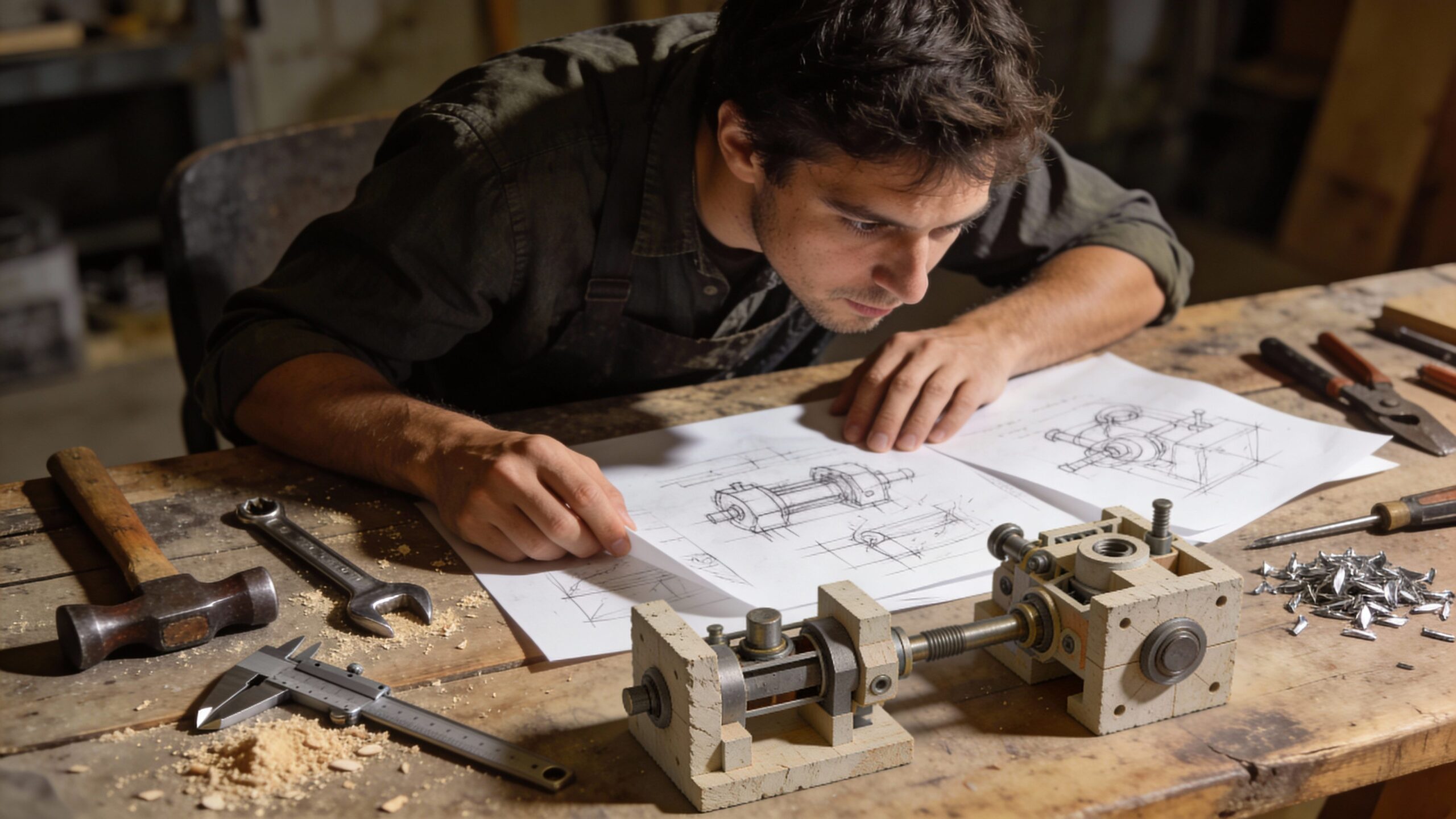
This approach usually leans on drawings, measurements, tolerances, and step-by-step planning. It’s especially strong when you’re dealing with parts that must fit precisely, loads that must be calculated, or systems that must be safe and reliable. Traditional design isn’t old-fashioned; it’s disciplined. It’s the way bridges, machinery, and high-stakes components get built. In the maker world, it shows up in cabinetry that must align, CNC fixtures that must repeat, and mechanical assemblies that must perform under stress.
Traditional design also helps when you’re constrained by time, money, or materials and you can’t afford endless prototyping. If you only have one sheet of premium plywood, you plan. If a part takes hours to machine, you think twice before cutting. Traditional design is the mindset of “measure twice, cut once,” expanded into a broader process.
What Design Thinking Really Means in Maker Terms
Design thinking is a human-centered approach that treats building as a way of learning. It starts with understanding the user and the situation, then cycles through ideas, prototypes, tests, and refinements. In maker terms, it’s the approach you use when you’re not totally sure what “better” looks like yet—or when the success of a build depends on how it feels in real hands, in real use, under real conditions.
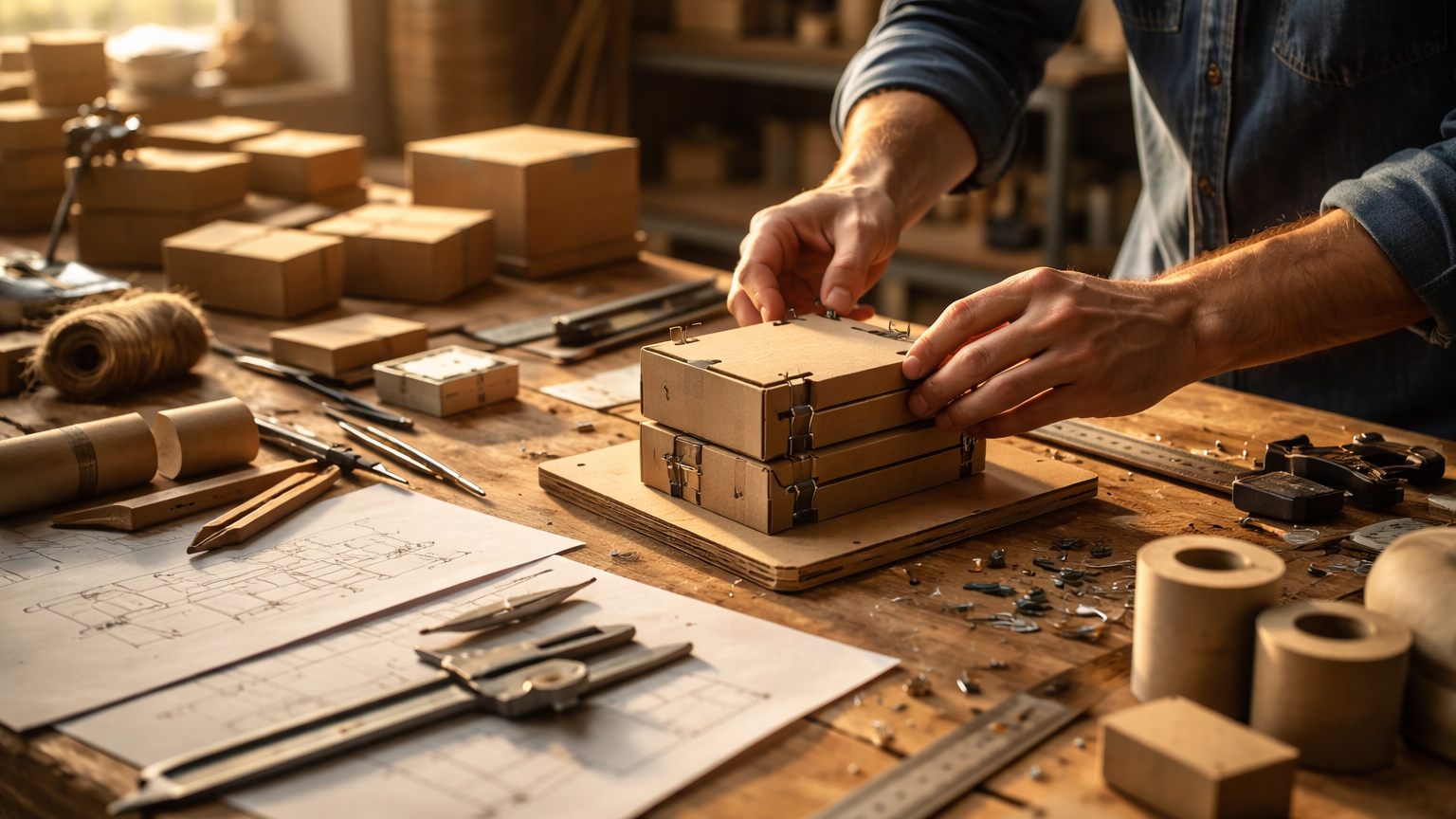
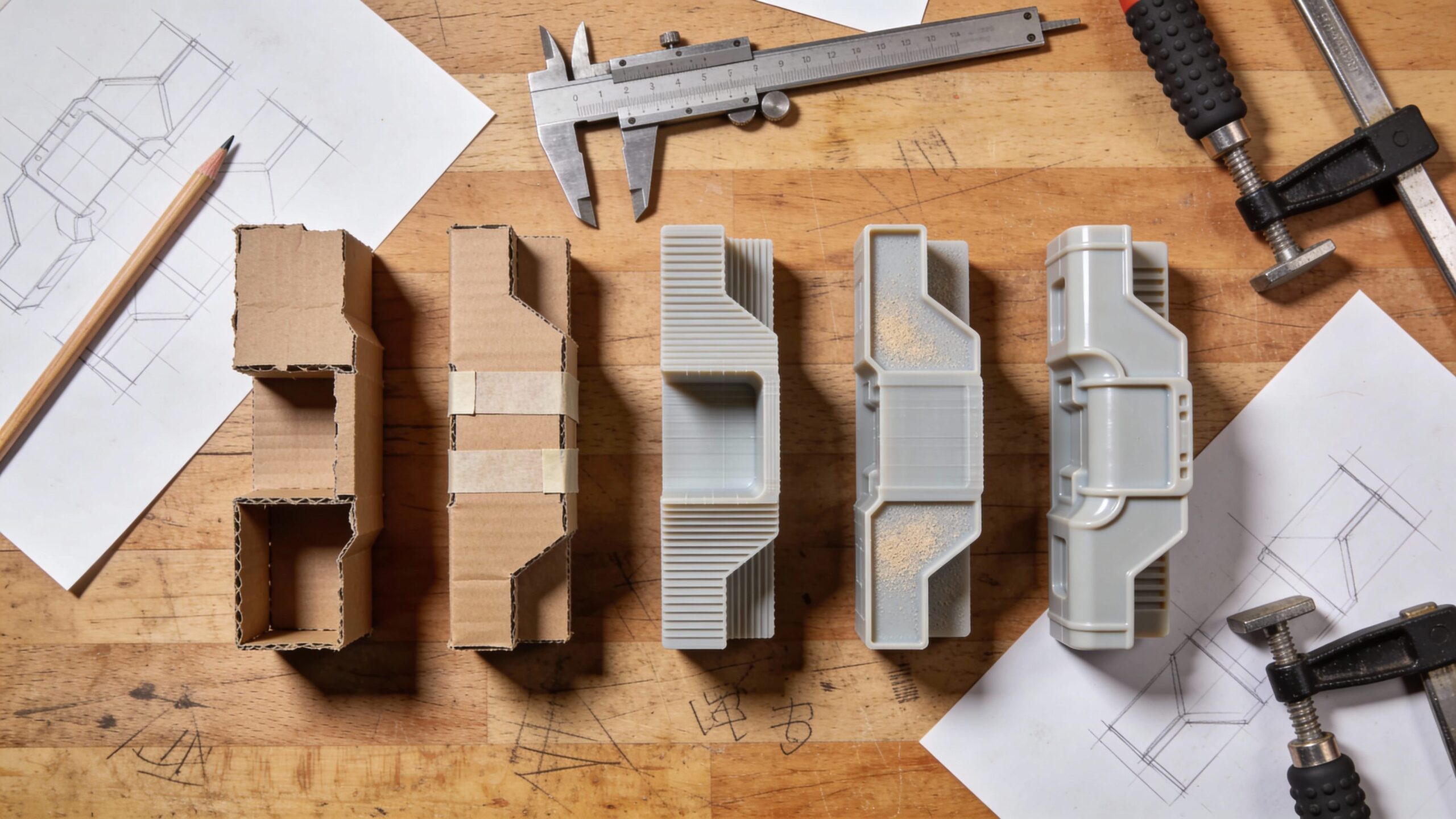
Design thinking is less about perfect plans and more about fast insight. You might build a cardboard version to test grip size. You might 3D print a rough handle just to see how the wrist angle feels. You might ask someone else to use it without instructions and watch where they hesitate. It’s a process that values behavior over opinions and real-world feedback over assumptions. Design thinking doesn’t ignore technical constraints; it just refuses to let specs replace understanding. It assumes that requirements are often wrong at first, because they’re based on guesses. It uses prototypes to turn guesses into knowledge.
The Real Difference: Certainty vs Ambiguity
The simplest way to compare these approaches is to ask one question: do you know what success looks like?
If you can define success with measurements—fit, strength, speed, accuracy, compliance—traditional design shines. You can calculate, plan, and execute. If success is defined by user comfort, clarity, confidence, convenience, or satisfaction, design thinking shines. You must observe, test, and iterate because those outcomes aren’t fully visible on paper.
Most maker projects contain both. A bike accessory must fit the bike (traditional design) and must be easy to use (design thinking). A workshop tool must survive stress (traditional design) and must reduce frustration (design thinking). The problem isn’t choosing a side; it’s knowing which part of the project demands which mindset.
Speed: Which One Gets You to “Good” Faster?
Traditional design can be faster when the problem is known. If you’re building a bracket with specific hole spacing and a defined load, careful planning can produce a working result quickly, with minimal waste. You might do one prototype, or none, because the requirements are clear and the solution is mainly execution.
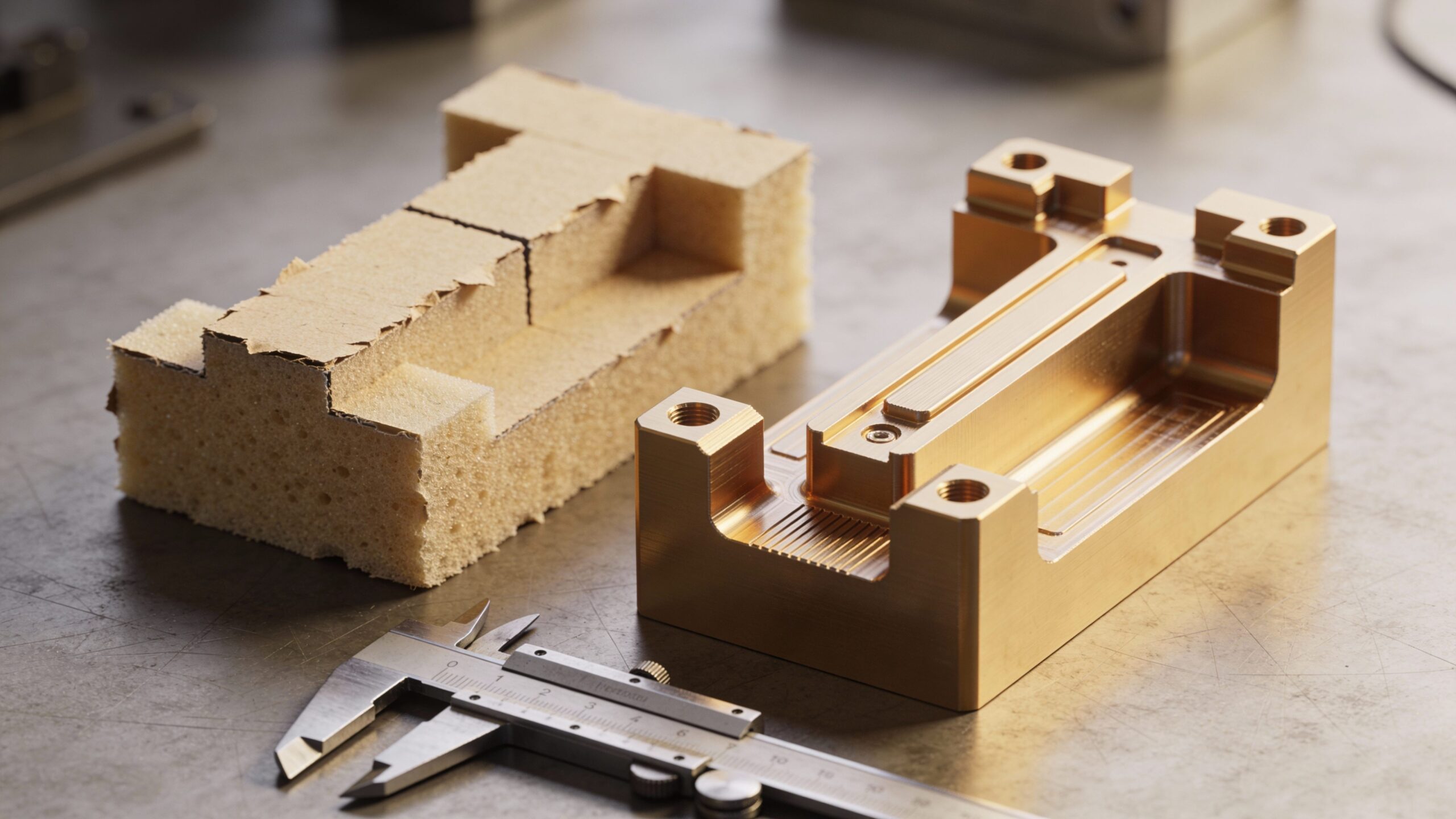
Design thinking can be faster when the problem is fuzzy. It helps you avoid spending days building the wrong thing. Many makers have experienced the slow pain of a “perfect” build that fails because it’s uncomfortable, confusing, or mismatched to real use. Design thinking speeds you up by reducing the cost of being wrong early. A quick mockup reveals errors that a detailed plan can hide. In practice, design thinking often gets you to a usable concept faster, while traditional design often gets you to a refined, durable final build faster—once the concept is proven.
Quality: Why “Works” Isn’t Always “Works Well”
Traditional design tends to produce high technical quality. Tolerances are respected. Materials are chosen intentionally. The final object is consistent and reliable. But technical quality is not the same as user quality. A perfectly machined handle can still cause hand fatigue. A beautifully designed interface can still confuse. A rigidly specified workflow can still feel slow.
Design thinking targets user quality. It asks: does this solve the real problem? Does it feel natural? Does it reduce mistakes? Does it fit into someone’s life without demanding extra effort? When design thinking is done well, the result often feels “obvious”—not because it was simple to design, but because it matches human behavior.
The best maker builds are technically solid and user-friendly. That’s where a hybrid approach wins: design thinking shapes the experience, then traditional design strengthens and finalizes the solution.
Risk: Which Approach Fails More Expensively?
Traditional design carries a specific risk: you can be wrong in a very polished way. If requirements were assumed instead of discovered, you might invest heavily before learning the truth. The cost of failure is high because the failure happens late. You discover the flaw after parts are cut, assembled, and finished.
Design thinking carries a different risk: endless iteration without convergence. Makers can get stuck tweaking forever, chasing feedback, or expanding the scope. When design thinking lacks constraints, it can turn into a loop where nothing feels “done.” That’s why design thinking needs clear problem statements and decision points, especially for makers who love experimenting. When you manage these risks well, design thinking reduces the risk of building the wrong product, and traditional design reduces the risk of building an unreliable one.
When Traditional Design Works Better
Traditional design is the better choice when requirements are stable and measurable. If you’re building a fixture that must repeat accurately, you benefit from careful planning. If safety is a priority—structural parts, electrical systems, high-speed tools—you need analysis and established methods. If you’re reproducing an existing solution, traditional design helps you match specs and ensure consistency. Traditional design also excels when you have a known user and a known workflow. If you’re building a jig for your own process and you already understand the pain points, you can plan confidently. It also works well when you’re constrained by costly materials or limited time. Planning reduces waste.
When Design Thinking Works Better
Design thinking wins when the “real problem” is unclear or human-centered. If you’re creating something new—an accessory, a tool improvement, a product for others—assumptions are the enemy. Design thinking helps you uncover what people truly need by observing behavior and testing prototypes.
It’s also powerful when the success of a build depends on experience. Ergonomics, clarity, accessibility, and convenience are difficult to specify accurately without testing. Design thinking treats these factors as primary, not secondary. For makers aiming to sell or share, that often makes the difference between a niche curiosity and a product people recommend.
The Most Honest Answer: The Hybrid Workflow Makers Actually Use
Makers rarely live purely in one approach. The most effective workflow looks like this: use design thinking to discover the right solution, then use traditional design to execute it reliably.
You start by watching the problem in the wild. You define the need in simple language. You prototype quickly to explore options and test assumptions. Once the concept proves itself—once the grip feels right, the process is smoother, the user stops hesitating—you shift gears. You lock dimensions, choose final materials, validate strength, and refine tolerances. You document, repeat, and harden the design.
This hybrid approach protects you from the worst failures of both worlds. You don’t overbuild the wrong solution, and you don’t ship a fragile prototype as a finished product. You also keep momentum because you’re always moving forward: first toward insight, then toward precision.
The “Spec Trap” and the “Prototype Trap”
Traditional design can fall into the spec trap: treating requirements as truth when they’re really guesses. A requirement like “must have three modes” might be someone’s assumption, not a proven need. When makers build to the spec trap, they create complexity that doesn’t earn its keep.
Design thinking can fall into the prototype trap: treating iteration as progress even when you’re not learning anything new. If the changes are cosmetic or unfocused, you’re busy but not advancing. The fix is to prototype with clear questions. Test for a specific behavior. Iterate with a clear reason. Then decide when the problem is solved well enough.
How to Choose the Right Approach for Your Next Project
A maker-friendly way to choose is to ask: what’s uncertain? If the uncertainty is human—how it feels, how it’s understood, how it fits into a routine—start with design thinking. If the uncertainty is technical—strength, fit, performance under load—lean on traditional design methods early. You can also split a project into zones. Use design thinking for the user-facing parts: grips, controls, instructions, workflow, interaction. Use traditional design for the structural parts: fasteners, tolerances, materials, safety margins, durability. This division mirrors how great products are made: experience shaped by empathy, integrity ensured by engineering.
What Works Better Depends on What You’re Solving
Design thinking works better when the goal is usefulness in real life. Traditional design works better when the goal is reliable execution against known requirements. Makers need both. If you choose only one approach, you’ll either risk building the wrong thing beautifully or building the right thing unreliably.
The smartest path is to treat these methods like tools, not identities. Use design thinking to get the concept right. Use traditional design to get the build right. When you blend them, you get the best of both worlds: solutions that feel natural to use and strong enough to trust. That’s what actually works better—especially in a workshop where every cut, print, weld, and fastener counts.