Why Makers Need More Than Ideas
Every maker knows the rush of a new idea. It starts as a sketch, a late-night thought, or a problem that won’t leave you alone. But many projects stall after that first burst of excitement. The prototype doesn’t work as expected. The solution feels clever but awkward. The build technically functions, yet nobody actually wants to use it. This is where design thinking enters the workshop—not as a buzzword, but as a practical mindset that helps makers build smarter, not harder. Design thinking gives structure to creativity. It helps transform raw inspiration into functional, meaningful solutions by focusing on real needs, thoughtful iteration, and learning through making. For makers, it bridges the gap between imagination and usefulness, between what can be built and what should be built.
A: No, it’s especially powerful for independent makers.
A: It saves time by reducing wasted builds.
A: Yes, even quick builds benefit from clarity.
A: No, practice and reflection matter most.
A: Physical tests reveal insights faster.
A: Start small and listen closely.
A: It focuses creativity rather than restricting it.
A: Yes, it provides structure and perspective.
A: No, it’s progress made visible.
A: When the solution meets real needs reliably.
Design Thinking Defined for Makers
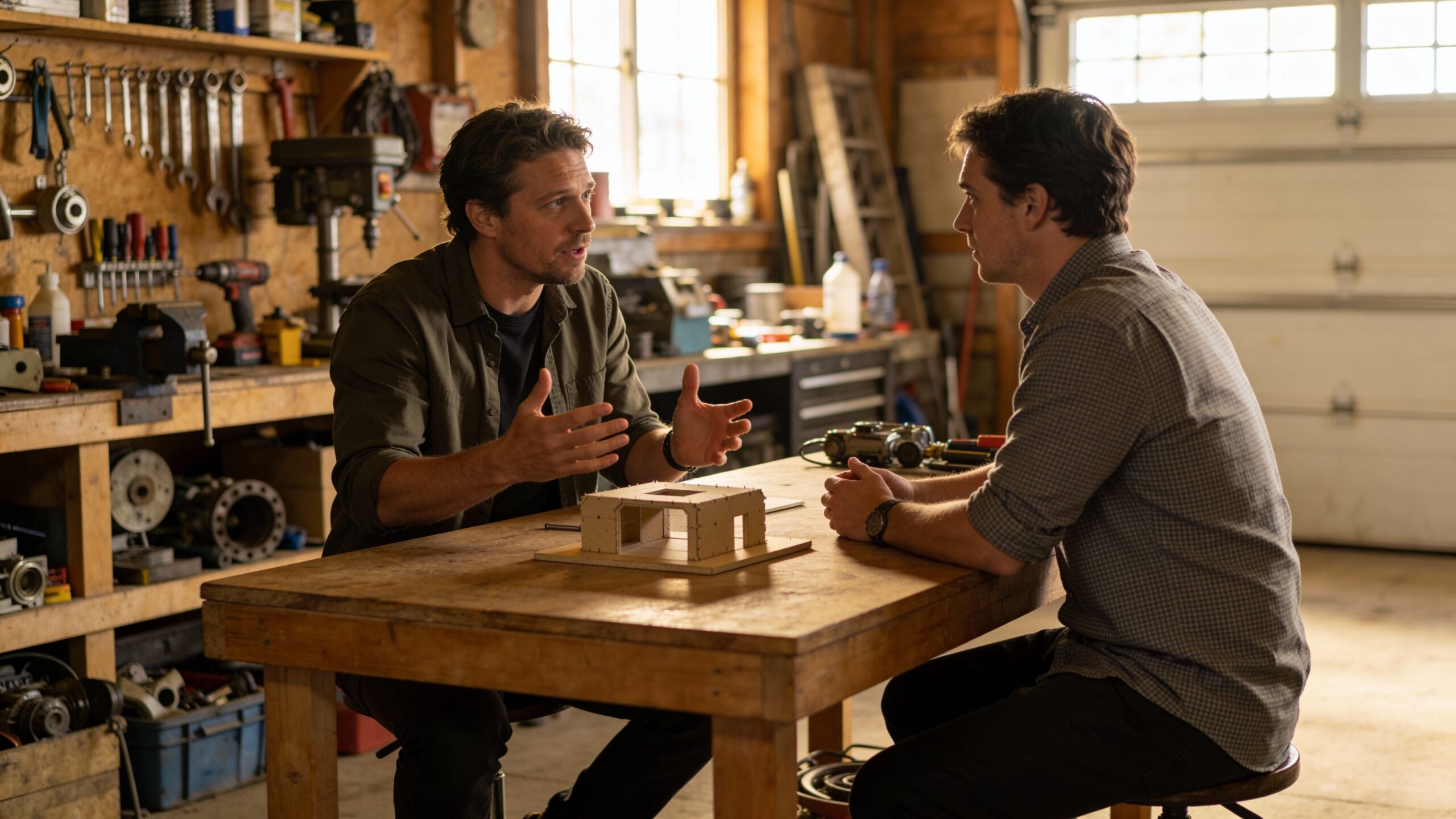
At its core, design thinking is a human-centered approach to problem solving. Instead of starting with tools, materials, or features, it starts with people. The goal is to deeply understand a problem before rushing to solve it. For makers, this often means stepping back from the bench to ask better questions: Who is this for? What frustrates them? How will they actually use this in real life?
Design thinking isn’t a rigid formula. It’s a flexible framework that encourages observation, experimentation, and reflection. It values learning over perfection and treats every build as an opportunity to gain insight. Rather than chasing a single “right” answer, design thinking embraces exploration and informed decision-making.
The Maker Mindset Behind Design Thinking
Makers already practice many aspects of design thinking without realizing it. Prototyping, testing, tweaking, and rebuilding are all part of the maker DNA. What design thinking adds is intention. It helps makers slow down just enough to understand the problem space before committing to a solution. This mindset replaces guesswork with curiosity. Instead of assuming what users want, makers observe behaviors, listen to feedback, and uncover hidden needs. Instead of overengineering, they focus on clarity and purpose. Design thinking encourages humility—the willingness to admit that a first idea may not be the best one.
From Problems to Possibilities
Every great maker project begins with a problem. Sometimes it’s obvious, like a tool that’s uncomfortable to use. Other times it’s subtle, like a process that wastes time or causes friction. Design thinking helps makers frame problems correctly before jumping to solutions.
By spending time defining the problem, makers avoid building the wrong thing really well. This phase often reveals that the real issue isn’t what it seemed at first. A broken workflow might actually be a communication problem. A bulky device might really need better ergonomics. Design thinking turns vague frustrations into clear design opportunities.
Empathy: The Foundation of Smarter Builds
Empathy is the heart of design thinking. For makers, empathy means understanding how a user interacts with an object in the real world. It’s about watching hands move, noticing hesitation, and listening to complaints without defensiveness. This doesn’t require formal research labs. Empathy can come from conversations, personal experience, or observing how people struggle with everyday objects. When makers design with empathy, their builds feel intuitive rather than forced. The result is work that fits naturally into someone’s life instead of demanding adaptation.
Ideation Without Overthinking
Once a problem is understood, design thinking encourages idea generation without immediate judgment. For makers, this stage is liberating. It allows for wild concepts, simple fixes, and unconventional approaches to coexist.
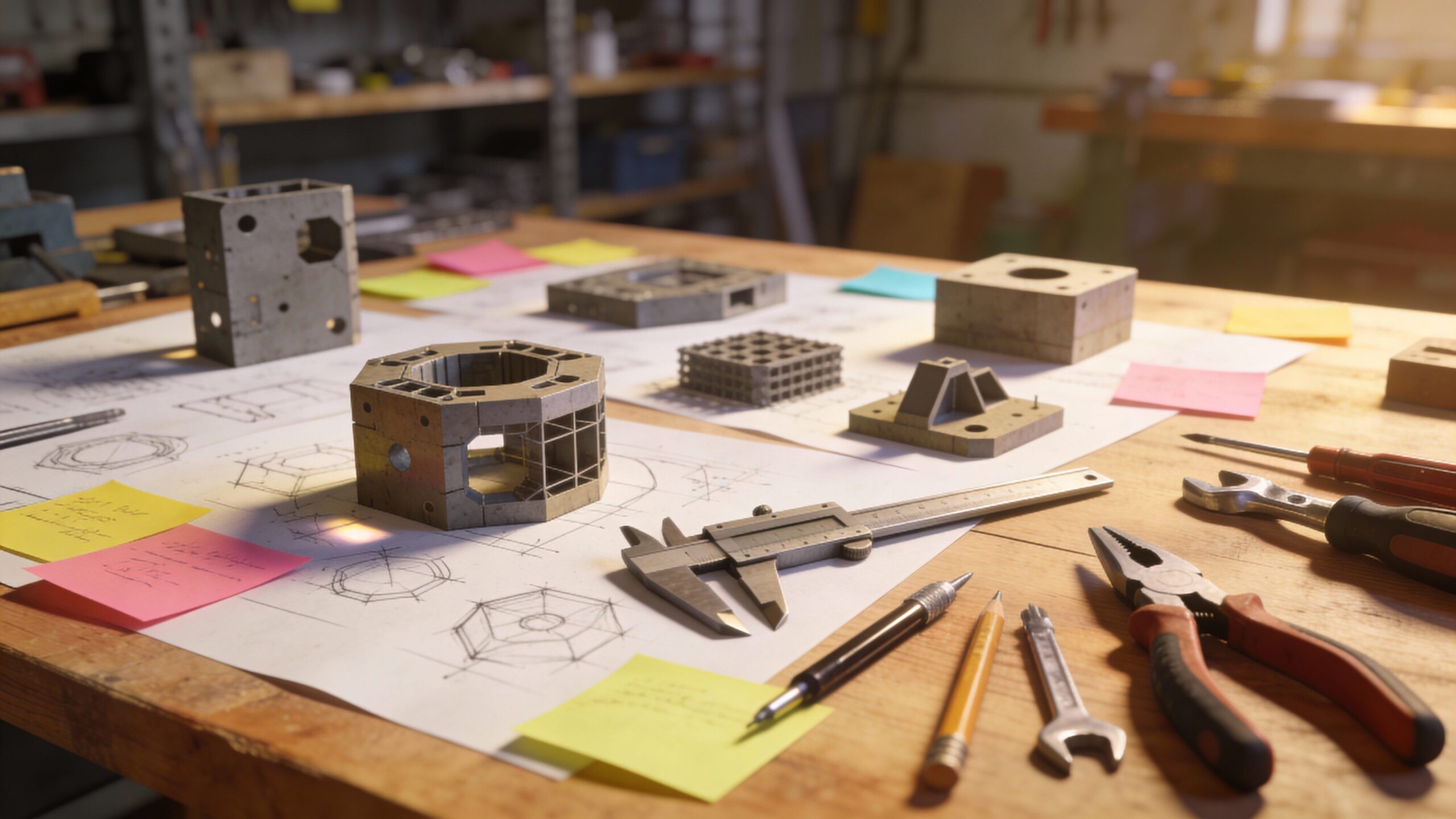
The goal isn’t to find the perfect idea instantly. It’s to explore the landscape of possibilities. Sketches, rough mockups, and thought experiments all count. Design thinking values quantity early on because better ideas often emerge after the obvious ones are exhausted.
Prototyping as a Thinking Tool
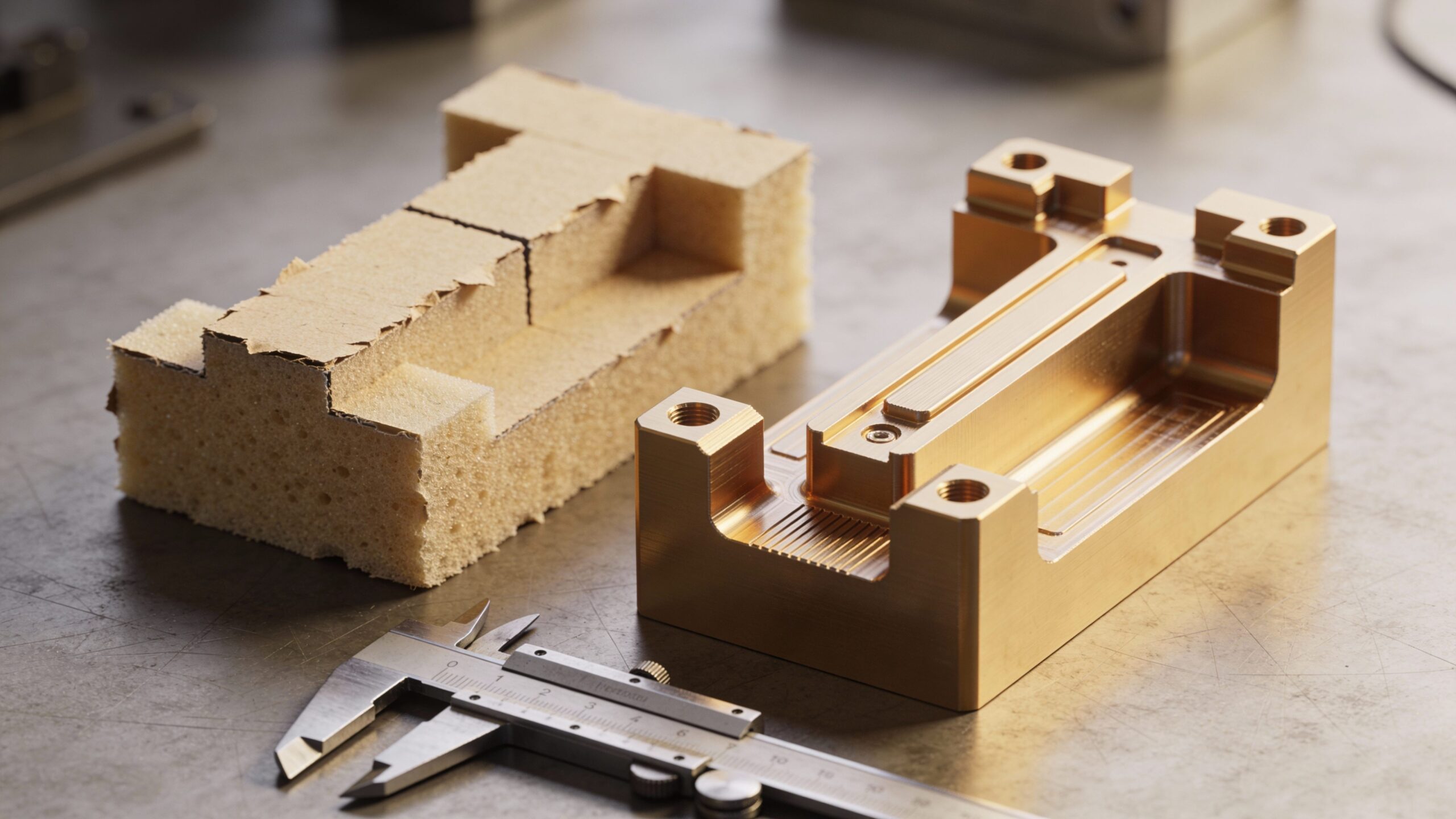
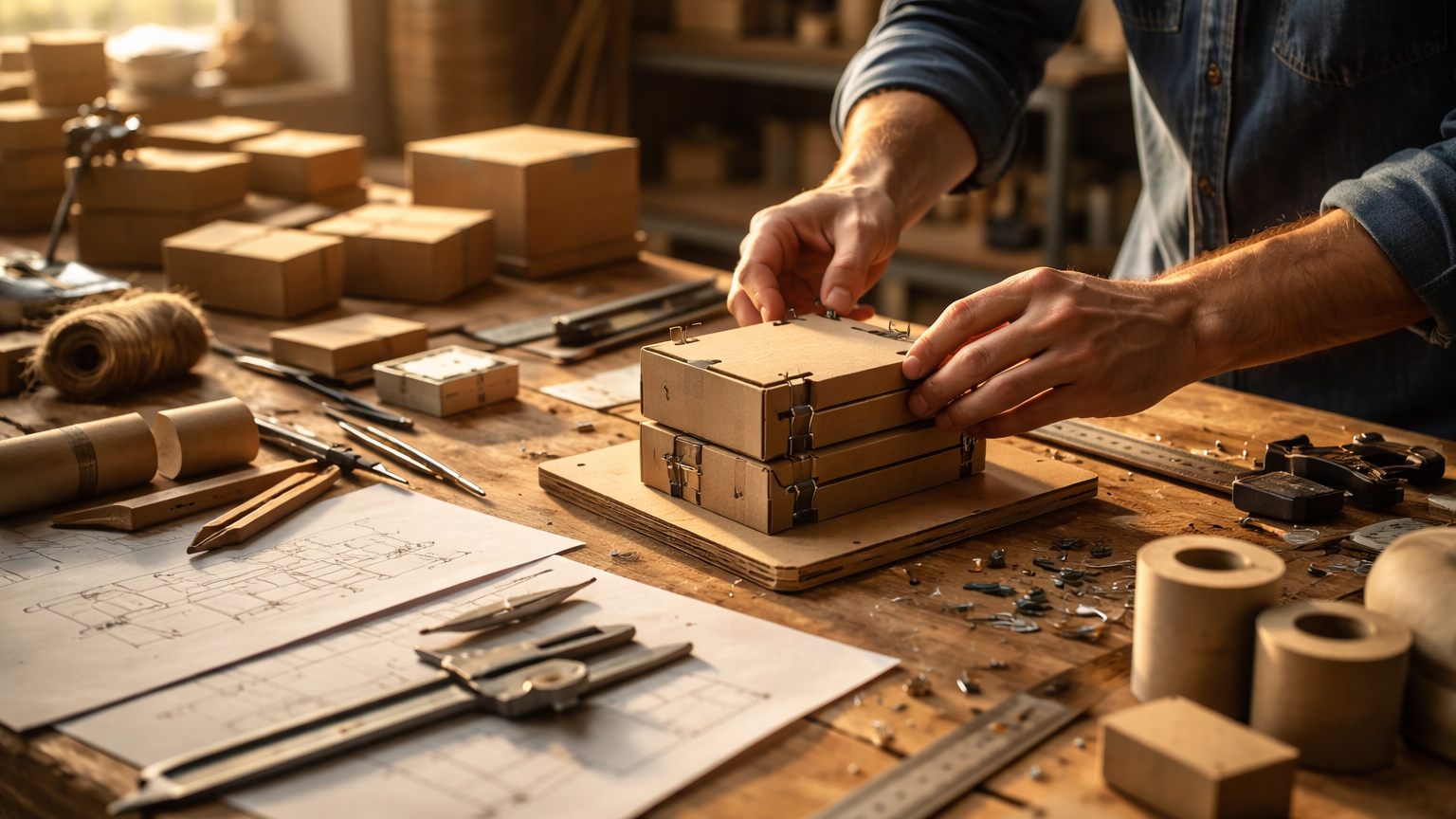
In maker culture, prototyping is often seen as a step toward a final product. Design thinking reframes it as a way of thinking. Prototypes are questions made physical. They ask, “What if this worked like this?” or “How would this feel in someone’s hands?” These prototypes don’t need to be polished. Cardboard, foam, scrap materials, and quick prints are more than enough. The purpose is learning, not perfection. Each prototype provides feedback that informs the next iteration, saving time and frustration in the long run.
Testing, Feedback, and Iteration
Design thinking treats feedback as fuel, not criticism. For makers, testing a build in real-world conditions often reveals issues that never appear on the bench. A grip that feels fine at rest becomes uncomfortable after an hour. A mechanism that works cleanly once fails under repeated use.
Iteration is where smarter building happens. Instead of rebuilding from scratch, makers refine what already exists. Small adjustments compound into meaningful improvements. Design thinking encourages continuous improvement rather than dramatic redesigns driven by ego or impatience.
Design Thinking vs Trial-and-Error
Many makers rely on trial-and-error, and it can work—up to a point. The downside is wasted time, materials, and energy. Design thinking doesn’t eliminate experimentation, but it makes it purposeful. By grounding experiments in observation and intent, makers reduce unnecessary iterations. Each test answers a specific question. Each failure provides usable information. Over time, this approach leads to faster progress and more reliable outcomes.
Applying Design Thinking in the Workshop
Design thinking doesn’t require a whiteboard full of jargon. In a workshop, it looks like pausing before cutting material, building a rough version first, and asking someone else to try your build. It shows up as notes scribbled during testing and small changes made between sessions.
For solo makers, design thinking acts as a mental partner, helping challenge assumptions. For teams, it provides a shared language for decisions and trade-offs. Either way, it aligns creativity with purpose.
Why Design Thinking Leads to Better Products
Products built with design thinking tend to feel obvious in the best way. They work the way users expect. They solve real problems without unnecessary complexity. For makers who want to sell, share, or showcase their work, this clarity is invaluable. Design thinking also builds confidence. Makers know why a design exists and can explain it clearly. This confidence carries through presentations, documentation, and user interactions.
Design Thinking as a Lifelong Maker Skill
Design thinking isn’t something you finish learning. It grows with experience. Each project sharpens observation skills and deepens empathy. Over time, makers begin to intuitively spot weak assumptions and stronger alternatives.
As tools evolve and technologies change, design thinking remains relevant because it’s rooted in human behavior. It helps makers adapt, innovate responsibly, and build with intention in any medium.
Building Smarter Starts with Thinking Better
Design thinking doesn’t replace creativity—it focuses it. For makers, it transforms building from a series of guesses into a thoughtful process grounded in real needs. It helps turn frustration into insight and ideas into solutions that matter. Whether you’re fixing a small annoyance or designing your next flagship build, design thinking offers a path to smarter making. It reminds us that the best projects aren’t just clever—they’re useful, thoughtful, and built with purpose.