Power tools are the engines of modern making. They cut, shape, drill, sand, and carve materials faster and more accurately than hand tools ever could. For beginners, they open an exhilarating gateway into woodworking, home improvement, crafting, metalworking, and countless other creative disciplines. But their power must be respected. Used correctly, they become trusted allies in the workshop. Used carelessly, they can cause serious injury in a fraction of a second. That’s why the most important skill a maker can learn isn’t cutting, drilling, or sanding—it’s staying safe. This complete starter guide introduces new makers to safe power tool use with confidence, clarity, and real-world strategies. Whether you’re setting up your first workshop or finally learning to handle the tools you’ve owned for years, this guide will help you build the habits, knowledge, and awareness needed to work smart and stay protected.
A: Yes. Respect is healthy. Start with simple tasks, practice on scrap, and build confidence one safe step at a time.
A: Always plan the cut or operation before turning the tool on: where your hands go, where the tool moves, and where the waste falls.
A: Absolutely. Even small chips can travel fast and unpredictably—eye protection is non-negotiable.
A: If you feel burning, heavy resistance, or crushed fibers instead of clean cutting, it’s time to sharpen or replace.
A: No. Guards and riving knives are critical safety devices; adjust your setup, not your protection.
A: Route cords away from cut paths and walking areas, and unplug tools before moving or adjusting them.
A: Stop immediately, unplug it, and inspect for loose parts, damage, or misalignment before using it again.
A: Yes, with caution. Combine manuals, reputable videos, and slow, deliberate practice—never guess when you’re unsure.
A: Keep early sessions shorter and focused; fatigue increases mistakes and reduces reaction time.
A: They never rush. Professionals prioritize a safe, planned setup over speed on every single operation.
The Mindset of Safe Power Tool Use
Long before switching on a saw or squeeze-triggering a drill, safe tool use begins with mindset. Professionals don’t rely on luck; they rely on preparation, focus, and knowing exactly what to do before they do it. Beginners who adopt this mindset early become confident faster, make fewer mistakes, and enjoy a smoother learning curve.
Being mentally present is essential. Power tools demand attention, and multitasking has no place in a workshop. Treat each operation as a deliberate, sequenced task. Visualize what you’re about to do, anticipate where the tool will go, and prepare for what the material will do in return. Every cut, hole, or pass becomes safer when you understand how the tool behaves. Finally, respect the tool without fearing it. Fear creates hesitation, which leads to unsafe movements. Knowledge creates confidence, and confidence leads to safe, steady control.
Understanding Your Power Tools
Each power tool has its personality—its sound, its vibration, its feel when cutting through material. Understanding these traits makes you safer and more precise. Beginners should start by learning their tools’ components, functions, and safety features rather than simply using them.
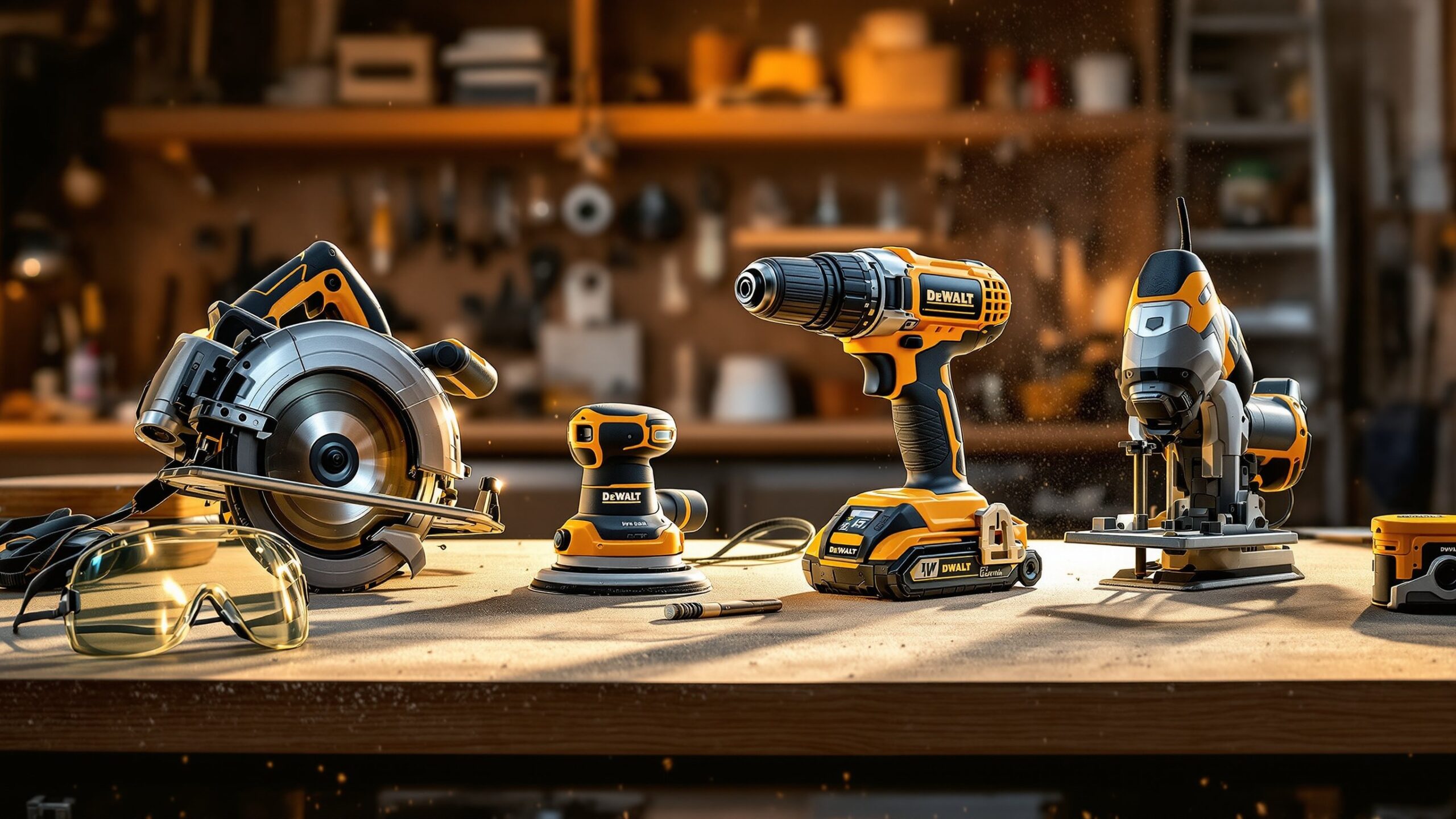
A drill, for example, may seem simple, but its clutch settings, speed controls, and bit types radically affect the result. A circular saw requires awareness of blade direction, kickback zones, and the importance of letting the blade reach full RPM before cutting. Sanders vary widely in grit use, motion type, and dust-collection needs. Even a jigsaw, often considered beginner-friendly, has specific blade types for wood, metal, curves, and clean cuts.
Reading manuals may not be glamorous, but it builds vital foundational knowledge—load ratings, torque, cutting capacities, safe operation angles, and proper maintenance. Combine that with hands-on practice on scrap wood, and you’ll gain the intuition that separates calculated moves from risky ones.
Setting Up the Workshop for Safety
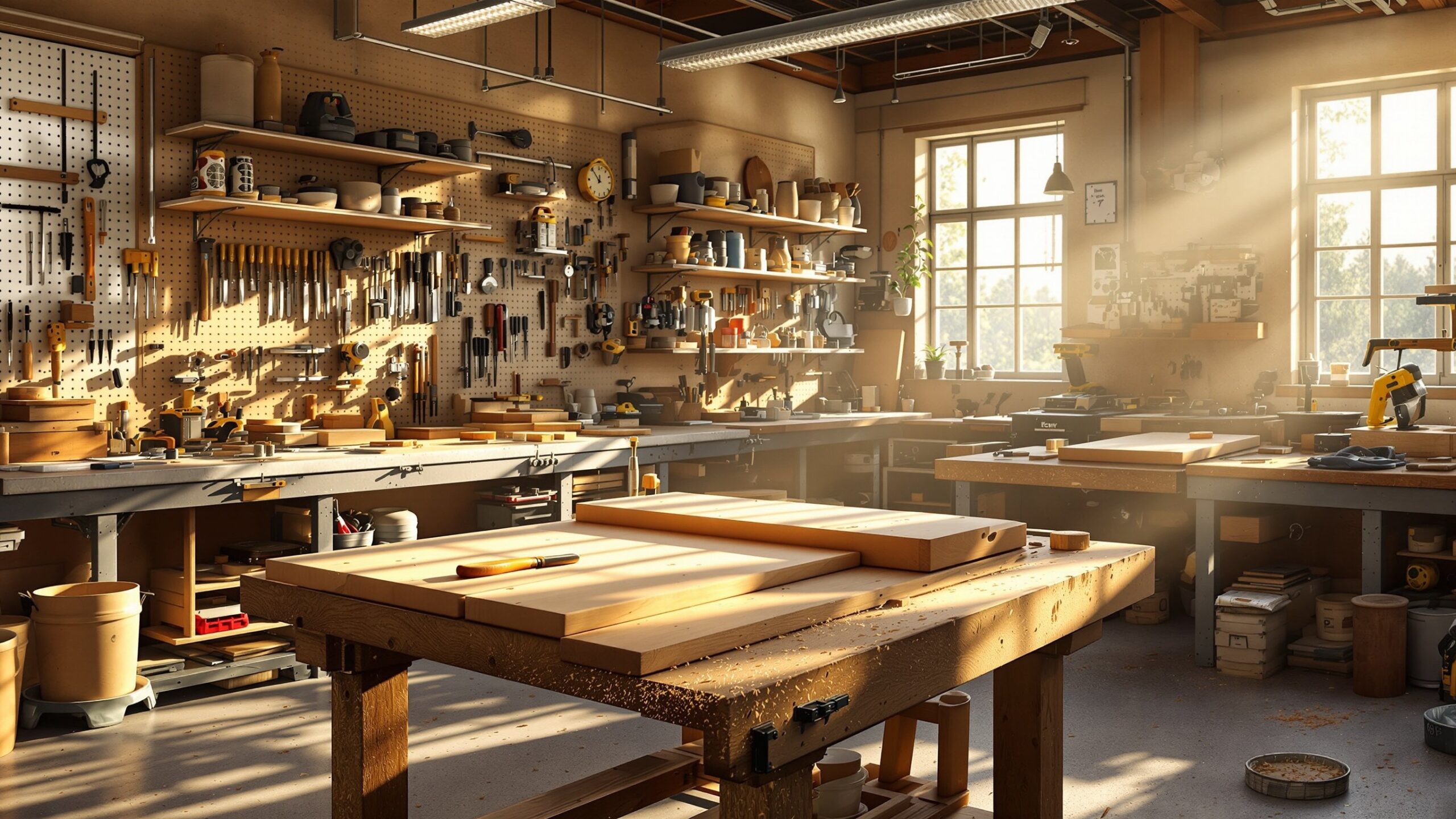
Power tool safety begins with your environment. A well-organized workshop is a safer workshop. Cord clutter, unstable surfaces, poor lighting, and random offcuts all contribute to accidents. Creating a workspace where everything has a place—and remains in that place—dramatically increases your control and situational awareness. Good lighting is essential. Shadows hide mistakes; bright, even lighting reveals them. Whether overhead LEDs, clamp lights, or task lamps, ensure your workspace eliminates dark corners that obscure lines and blades.
A sturdy workbench allows you to clamp materials securely, preventing movement during cuts or drilling. Slipping wood is one of the most common causes of beginner injuries. Proper clamping transforms your hands from “material holders” into safe operators. Dust control is another important factor. Fine dust doesn’t just irritate lungs—it hides lines, creates slippery surfaces, and increases fire hazards. Using a shop vacuum, dust extractor, or even sweeping regularly keeps visibility sharp and the workspace safe.
Personal Protective Equipment: The Non-Negotiables
While workshop setup provides structural safety, personal protective equipment (PPE) protects you directly. Eye protection, hearing protection, dust masks, and gloves all play crucial roles in minimizing risk.
Safety glasses are essential anytime a power tool runs. Drills eject chips, saws blast dust, and sanders release fine particles. A single airborne splinter can instantly turn a slight mistake into a serious injury. Comfortable, anti-fog glasses encourage consistent use. Hearing protection should be worn during prolonged power tool sessions. Saws, sanders, and even some vacuums operate at decibels known to cause gradual hearing loss. Earmuffs or foam plugs make long sessions safer and far more comfortable.
Dust masks or respirators are crucial when sanding or cutting anything that produces fine airborne particles. Many hardwoods, treated woods, and manufactured boards produce dust that’s harmful over time. Gloves serve specific purposes. They’re ideal for handling rough materials but should be avoided near spinning blades where they might catch. Learning which tools to use gloves with—and which to avoid—is part of developing safe instincts.
Preparing Your Materials Before Powering Up
Rushing into a cut or drilling session without preparing the material is one of the most common beginner mistakes. Before turning on a tool, inspect the material thoroughly. Look for knots, nails, screws, cracks, warped areas, or foreign objects embedded in the grain. Any of these can cause kickback, blade binding, or dangerous vibrations. Mark your material clearly with clean, visible lines. Faint marks lead to hesitation during cutting; bold, accurate lines become visual guides you can follow with confidence. Consider using a marking knife instead of a pencil for extremely precise work.
Secure your workpiece with clamps before cutting or drilling. The difference between a clamped and unclamped piece is not small—it’s the difference between controlled operation and sudden unexpected movement. A few minutes of preparation eliminates dozens of potential hazards before they ever arise.
Mastering Safe Cutting Techniques
Cutting tools—circular saws, table saws, miter saws, and jigsaws—are often the most intimidating for beginners, and rightfully so. Their power, speed, and exposed blades demand full attention and proper technique. Start with body positioning. Place your feet shoulder-width apart, maintain balance, and never place any part of your body in line with the blade’s potential path. Stand slightly to the side of the cut line to avoid kickback zones. Grip the tool firmly but not tightly; tension leads to shaky movements. Allow the tool to reach full speed before contacting the material. A blade still ramping up can catch, jump, or bind. Once you begin cutting, maintain a steady pace—never force the tool through a cut. Let the blade do the work. Use push sticks, push blocks, or guides whenever your hands approach a blade. Even experienced makers never rely on hand placement alone. Proper distance combined with proper tools ensures safety at all times. Finally, complete the cut before releasing pressure or setting down the tool. Lifting a saw too early or pulling a drill from a spinning bit compromises control and can cause damage—or worse—injury.
Safe Drilling and Fastening Techniques
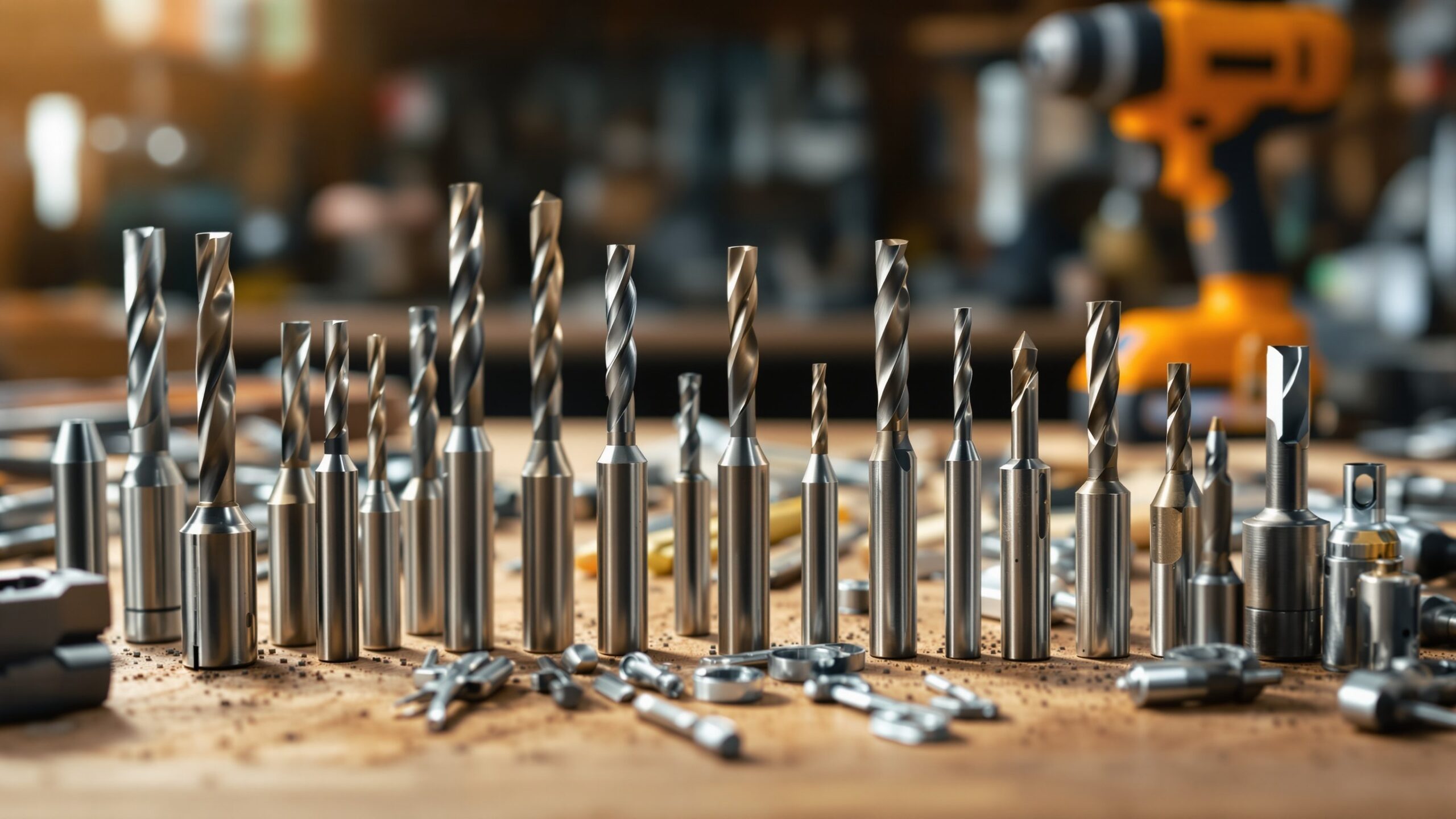
Drills and drivers are among the most common beginner tools, but they carry specific safety considerations that shouldn’t be overlooked. Begin with selecting the right bit for your material. Wood, metal, plastic, and masonry all require different bit types, and mismatched bits can break or slip. Secure your workpiece before drilling. A bit catching in loose material can spin the entire board unexpectedly. Hold the drill perpendicular to the surface and apply steady, controlled pressure. Let the bit cut rather than forcing it.
Drivers should be used with clutch settings to avoid stripping screws, snapping heads, or losing control of the tool. Start with lower torque settings and increase gradually as needed. When drilling deep holes, periodically back the bit out to clear debris. This reduces heat and prevents binding, extending the life of both your bit and your material.
Safe Sanding and Surface Prep
While sanding seems harmless compared to cutting, unsafe sanding practices lead to long-term health issues and workshop hazards. Sanding generates fine dust that lingers in the air and accumulates in lungs. Proper protection, dust extraction, and ventilation are essential. Hold the sander firmly and allow it to glide over the surface rather than pressing down. Downward pressure creates swirl marks, burns, and uneven finishes. Start with a coarser grit and progress through finer grits gradually. Skipping steps creates inconsistent results and tempts beginners to resand unnecessarily. Hand sanding should also be done with purpose. Wrap sandpaper around a sanding block to maintain flat surfaces. Always sand with the grain, not against it. Consistency is key to beautiful, smooth finishes.
Cord Management and Tool Storage Safety
Loose cords pose serious tripping hazards and can pull tools unexpectedly during operation. Keep cords out of your cut path and out from underfoot. Use retractable reels, wall hooks, or dedicated cord paths to manage your power sources safely.
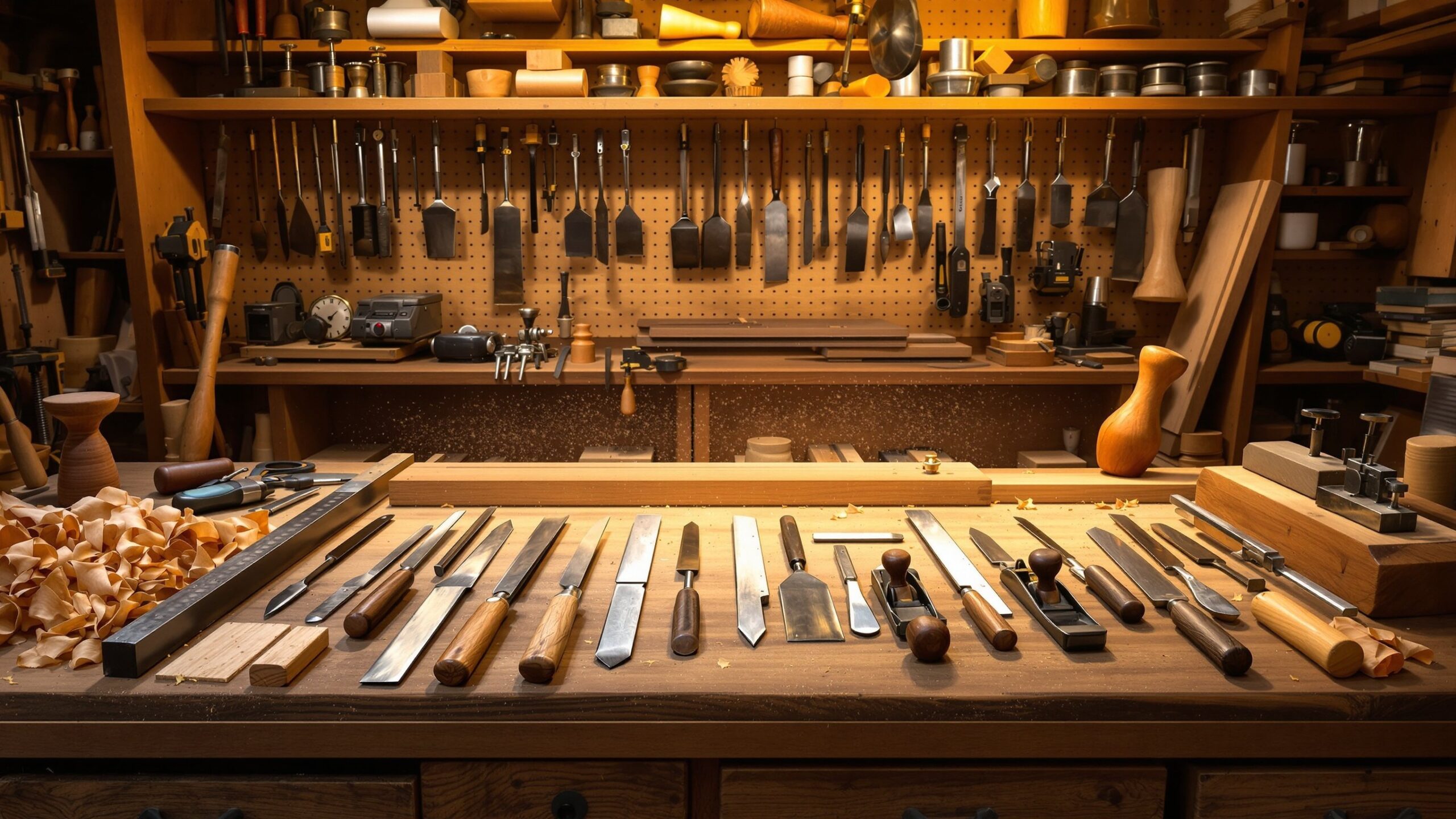
When tools are not in use, unplug them immediately. Power switches can be accidentally bumped, and tools left plugged in create unnecessary risk. Store blades, bits, and accessories properly. Dull or damaged attachments are not only ineffective—they are dangerous. Proper storage also prevents rust, corrosion, and unexpected burrs that could cause injury.
Avoiding Common Beginner Mistakes
Many workshop accidents come from a handful of common mistakes that are easy to avoid once you know them. Rushing is the most frequent culprit. Power tool safety rewards patience and punishes haste. If you feel hurried, pause, breathe, and slow down. Another mistake is using the wrong tool for the job. A jigsaw designed for curves is not ideal for long straight cuts. A circular saw is not designed for plunge routing. Choosing the correct tool increases safety, control, and quality. Beginners also underestimate fatigue. When you’re tired, your balance, reaction time, and concentration decline. Take breaks regularly, stay hydrated, and know when to stop for the day. Finally, never bypass guards or safety features. Manufacturers include these components because they save fingers, hands, and lives.
Developing Long-Term Safe Habits
Over time, safety becomes more than a checklist—it becomes instinct. Experienced makers automatically position their bodies correctly, anticipate tool behavior, and maintain clean workspaces. These instincts develop through consistent, deliberate practice.
Create personal routines: check tools before starting, clear debris, confirm blade alignment, adjust fences properly, and inspect materials. Turn these routines into rituals that define your workshop experience. They’ll protect you as much as they improve your results. A workshop built on safe habits is a workshop where creativity thrives.
Safety is the First Step Toward Mastery
Power tools unlock extraordinary possibilities. They cut faster, shape cleaner, and create opportunities limited only by imagination. But they must be used with respect, awareness, and care. Safe habits don’t restrict creativity—they empower it. With a strong foundation of safety knowledge and proper technique, beginners can transform cautious first steps into confident, capable craftsmanship. Mastering power tool safety is the very beginning of a maker’s journey—but it’s also the most important step. Once you learn to operate with skill and awareness, the entire world of making opens before you.