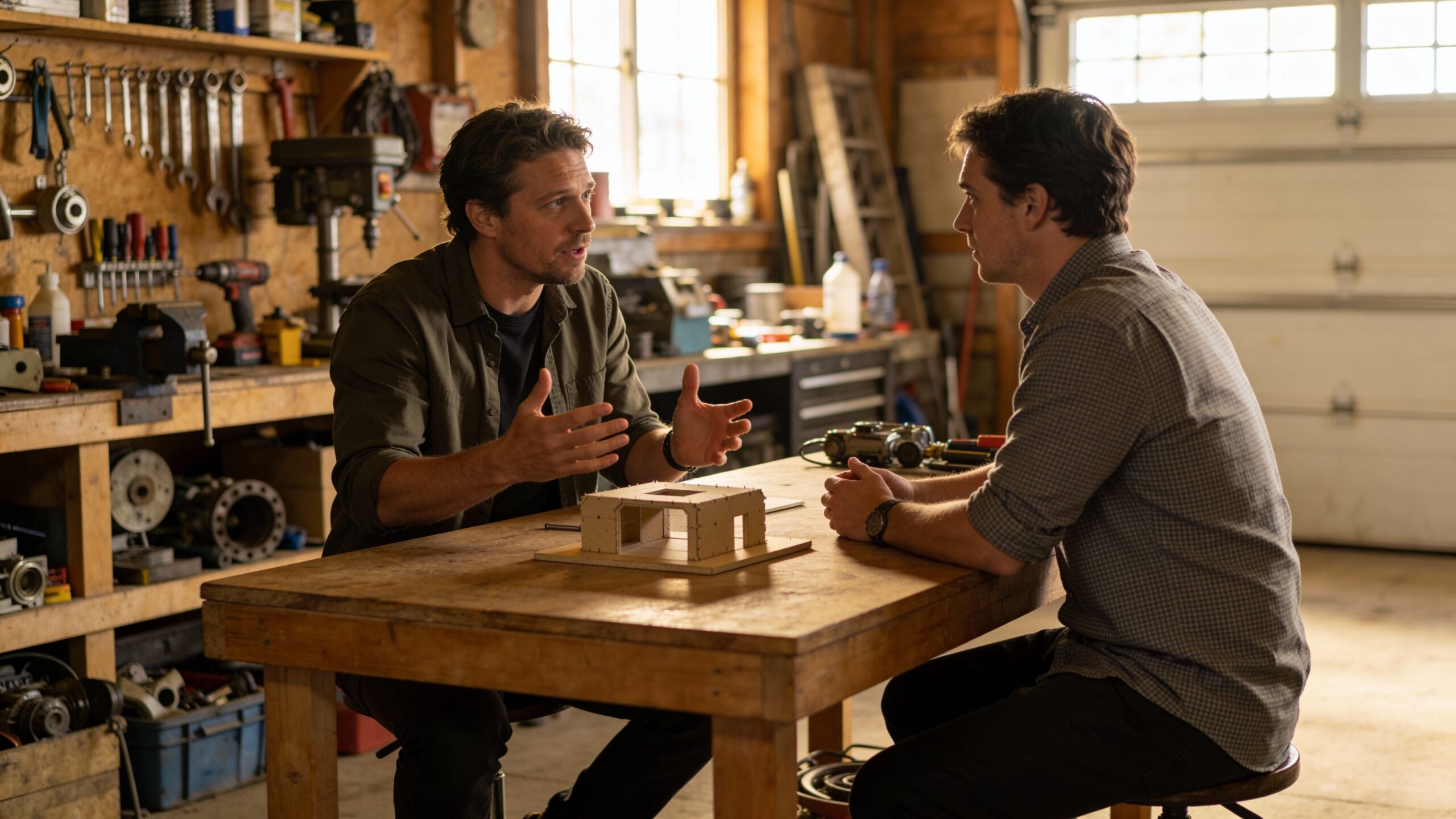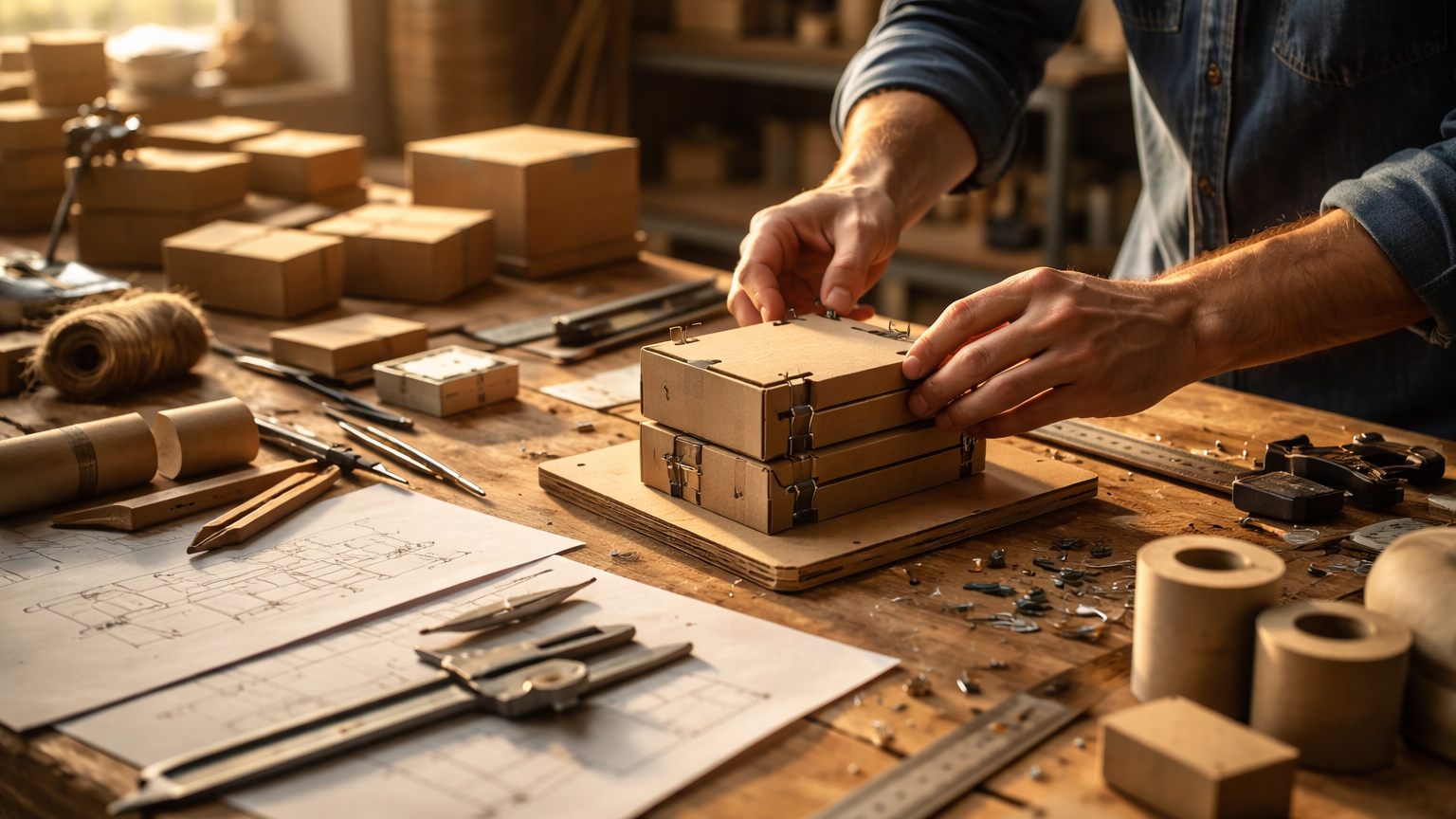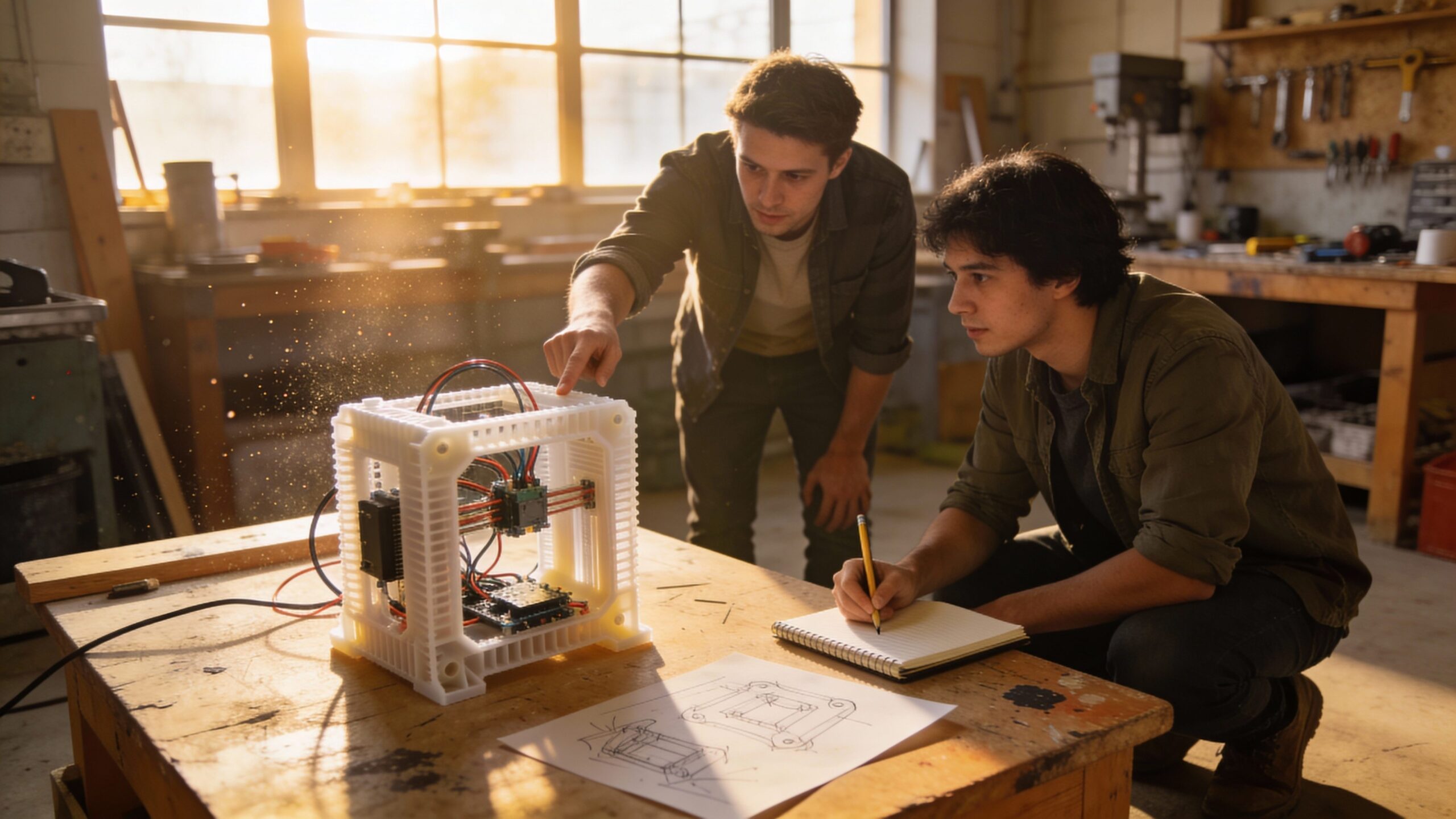
Design Thinking Mindset: How Makers Learn to Think Differently

Great makers don’t just build differently—they think differently. The design thinking mindset helps you spot the real problem, test ideas without ego, and learn faster than failure. This guide breaks down the mental shifts that turn DIY projects into reliable solutions, from curiosity and empathy to smart iteration and confident simplicity.
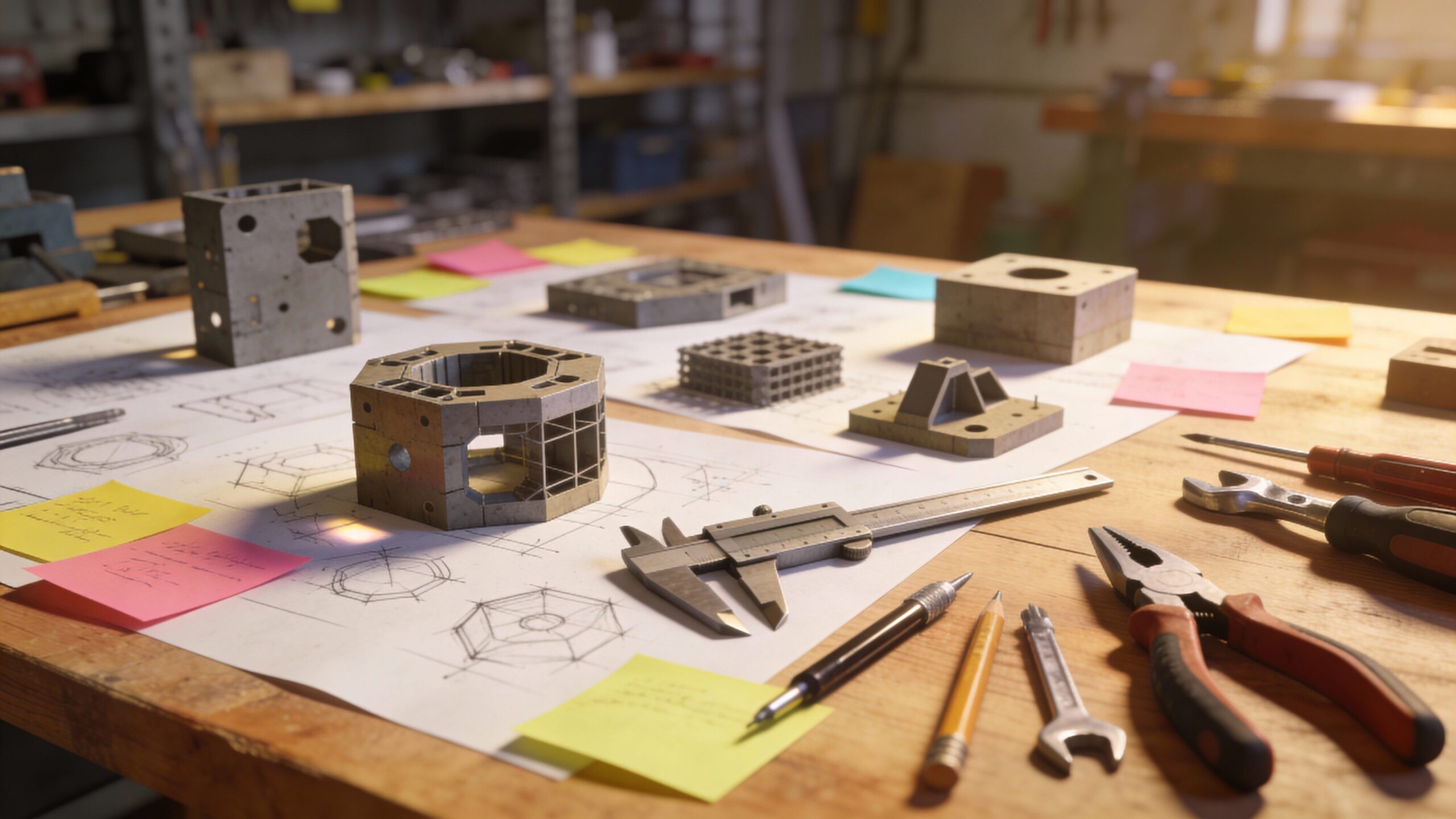
Design Thinking Tools Every Maker Should Know

The best maker projects don’t win because they’re complicated—they win because they’re clear, testable, and built for real humans. This guide reveals design thinking tools you can use in any DIY build, from quick empathy tricks to rapid prototype methods and no-drama testing. If you want fewer dead ends and more “nailed it” moments, start here.

How to Apply Design Thinking to DIY and Maker Projects

DIY projects don’t have to be guesswork. Design thinking turns your workshop into a learning engine, helping you define the right problem, prototype faster, and test what matters. Whether you’re building a tool, a jig, a gadget, or a weekend upgrade, this guide shows how to move from “cool idea” to “it actually works.”

Real-World Design Thinking Examples from the Maker Community

From community-built tools to assistive devices and workshop workflows, makers use design thinking every day—often without naming it. This article spotlights real-world examples that start with empathy, move through scrappy prototypes, and end with solutions that stick. If you’ve ever built something and wondered why it didn’t “click,” these stories explain why.

Why Design Thinking Is the Secret Weapon of Successful Makers

The most successful makers don’t rely on talent alone. They use design thinking as a strategic advantage, blending creativity with empathy, testing, and iteration. This article reveals why design thinking fuels smarter builds, faster learning, and products people actually care about—and how it transforms making into innovation.

Design Thinking for Beginners: From Idea to Prototype

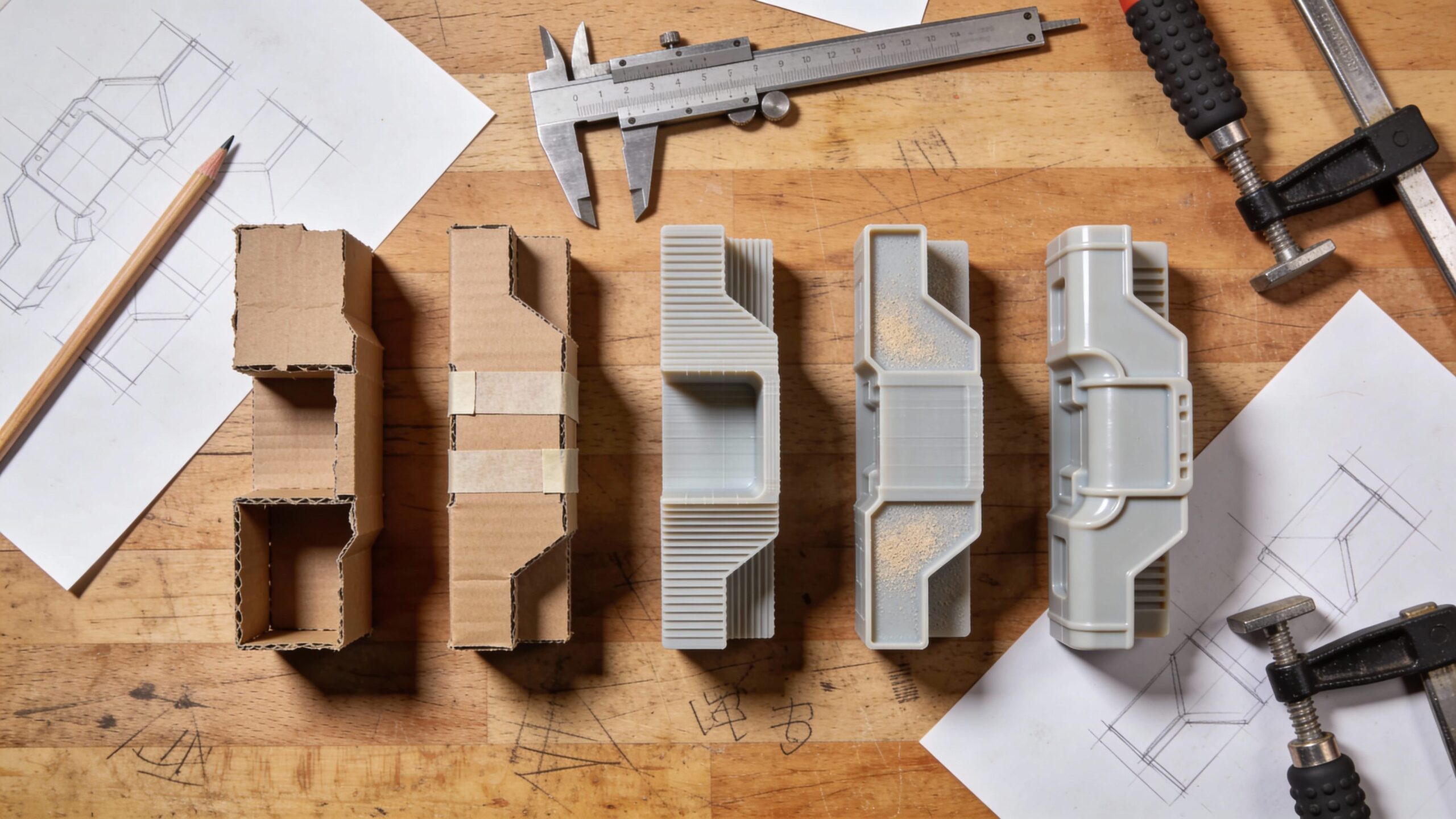
Design thinking turns uncertainty into opportunity. This beginner’s guide walks you from raw ideas to tangible prototypes, revealing how empathy, experimentation, and iteration fuel meaningful innovation. Whether you’re designing products, services, or experiences, this journey shows how creative thinking becomes practical problem-solving.

The 5 Stages of Design Thinking Explained for Makers

The five stages of design thinking aren’t corporate theory—they’re a maker’s shortcut to better builds. This guide translates empathize, define, ideate, prototype, and test into real workshop actions, showing how to uncover the real problem, iterate with purpose, and create solutions that feel natural in the hand and in the real world.

Design Thinking vs Traditional Design: What Actually Works Better

Design thinking promises better solutions through empathy and iteration. Traditional design promises control through planning and specs. So what actually works better? This maker-focused guide breaks down both approaches in plain language, reveals where each wins, and shows how to blend them for smarter builds, fewer redo’s, and products people actually want to use.

How Makers Use Design Thinking to Solve Real Problems

Design thinking is how makers turn messy, real-world frustrations into builds that actually work. This guide shows how makers observe needs, prototype fast, test honestly, and iterate with purpose—so each version gets smarter, simpler, and more useful. If you want fewer dead-end projects and more wins at the workbench, start here.

What Is Design Thinking? A Maker’s Guide to Smarter Building

Design thinking helps makers build smarter by focusing on real problems, thoughtful iteration, and human needs. This guide breaks down how design thinking fits naturally into the workshop, turning ideas into functional, meaningful builds that actually work in the real world.